Willard
“When the cat's away, the rats will play.”
Desperate for companionship, the repressed Willard befriends a group of rats that inhabit his late father's deteriorating mansion. In these furry creatures, Willard finds temporary refuge from daily abuse at the hands of his bedridden mother and his father's old partner, Frank. Soon it becomes clear that the brood of rodents is ready and willing to exact a vicious, deadly revenge on anyone who dares to bully their sensitive new master.
About Willard
Willard Stiles is still the reason this movie works
Put simply: Willard is a man with nowhere to go. He lives in the family house, cares for his ailing mother and endures humiliation at work. That setup — one person boxed in by family obligations and a boss who treats him like air — is the engine that drives everything that follows.
The film leans on a tight, unpleasant centre: the relationship between Willard and the people who should, by rights, protect him. It’s directed by Glen Morgan and clocks in at around 100 minutes, which feels just long enough to let the story bruise without overstaying its welcome.
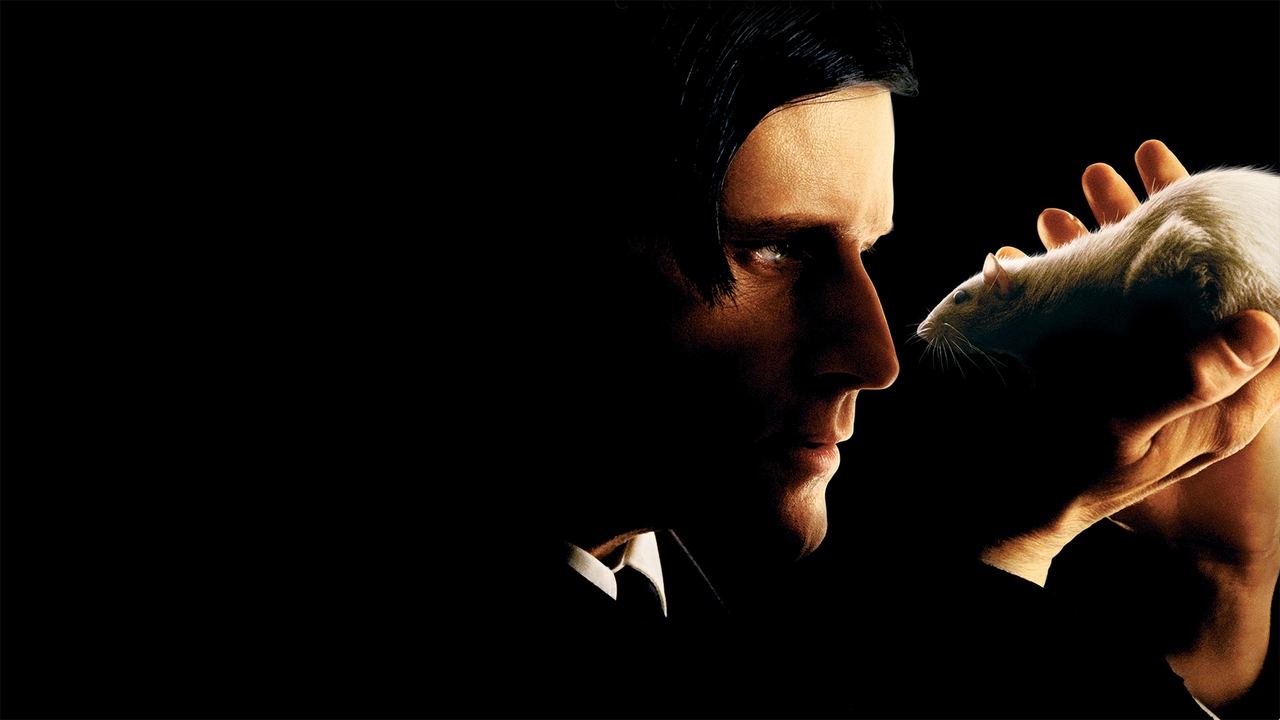
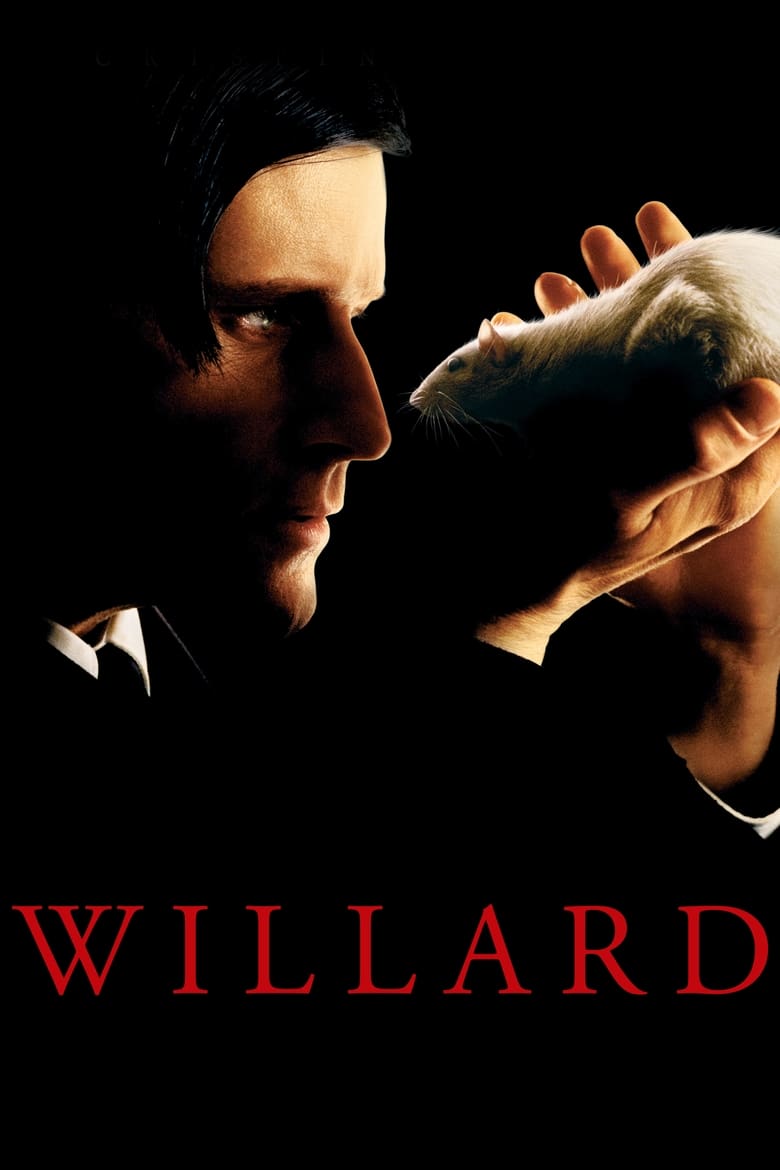
And yes, the rats matter. Willard’s attachment to a white pet he names Socrates becomes the film’s emotional lever: companion, confessor and, eventually, the thing that forces him to make choices he wouldn’t have imagined at the beginning.
The idea that sets Willard in motion
At its simplest, Willard starts with a quiet life that is steadily chipped away. He cares for his frail, verbally abusive mother in the family house while a domineering boss makes him the butt of daily cruelties.
The immediate, memorable twist is the rats: a colony in the basement that Willard fails to eliminate and a lone white rat he calls Socrates. That friendship — odd and tender — gives him something that resembles choice.
From there the story pivots on small, believable escalations. Willard trains the rats and, at first, uses them for petty acts of revenge, like a nocturnal raid on his boss’s Mercedes. Those moments have a practical, almost domestic logic: the rats are a tool and a companion both.
The setup works because the film keeps its focus tight. It’s not about elaborate conspiracies or vast supernatural rules; it’s about a man whose life is squeezed until the only sensible response left is an ugly, determined survival.
Why Willard Stiles matters
Willard Stiles is memorable because he’s not a blank-slate victim; he’s boxed in by duty, history and shame. He looks after his mother in the family home and carries the weight of his father’s death — facts that make his isolation feel earned, not just convenient for plot.
That domestic pressure is matched by workplace humiliation. His boss treats him badly; Willard is repeatedly demeaned in front of colleagues. Being trapped between a cruel employer and an enfeebled relative gives him limited options and makes his eventual acts feel like the only language left.
Crucially, the white rat he singles out, Socrates, is not a throwaway novelty. That relationship becomes the most honest thing in his life — a living bond that reveals how starved he is for companionship and respect.
The character’s choices — from the small comforts he allows himself to the desperate moves he’s pushed into — are coherent with the life he’s led. He matters because the film keeps returning to those tight, human pressures rather than grand explanations.
Willard has more on its mind than the plot suggests
At first glance Willard is a body-count horror about revenge. Under the surface it’s quieter: it’s about family, what a home actually protects and what it fails to shield you from. The house is both refuge and trap.
Mortality threads through the film in a few different ways — a father’s suicide hangs over Willard’s life, the mother’s fragility shapes his choices, and the spectre of losing the family home becomes a very real pressure. Those facts give the story a mournful undertow.
There’s also a power dynamic at play. Authority — whether it’s the boss at work or the bank’s looming threat over the house — consistently pushes Willard into corners. The film treats corporate power and petty cruelty as similar forces that strip away dignity.
Put together, those elements make the horror personal rather than abstract. The rats are only frightening because they become the tool of a man who has run out of other options; the terror is domestic, not cosmic.
The effects work that gives Willard its physical personality
Willard keeps a tactile feel because it trusts ordinary objects as carriers of meaning. A small example: an envelope in the mother’s bedroom containing the coroner’s notes and a still-bloody pocket knife. It’s a prop that does a lot of emotional heavy lifting without a word.
That kind of physical detail anchors the darker beats. When a prop carries the history of a family tragedy, it turns an abstract idea — a father’s suicide — into something you can almost hold. It makes later choices feel grounded in material reality.
So the film’s physical choices aren’t showy; they’re pragmatic. The knife in the envelope is not just evidence, it’s a presence that keeps pulling Willard back toward what he’s lost.
Willard could not belong to any other decade
Released in 2003, Willard fits a strand of early‑00s cinema that mixed horror with intimate domestic drama. It’s a picture that wants to make you uncomfortable in a familiar house rather than via vast spectacle.
Being squarely a 2003 film gives it a certain bluntness: it tells a small, unpleasant story and moves on. It doesn’t dress the central idea in irony or self-reference; the mood is straightforward and earnest.
That era allowed films to be narrow in scope and specific in tone. Willard’s appetite for close human misery — and the decision to let a rat become its emotional fulcrum — feels like a gamble that suited the period.
What has aged — and what hasn't
What still holds up is the film’s focus on small-scale cruelty and the way that narrow life compresses a person until they snap. The repeated humiliation Willard endures, and the simple, painful facts of family debt and a threatened house, remain convincing motivations for his decisions.
Some set pieces — like the rat raid on a luxury car — retain a nasty, effective sting. They’re practical, motivated acts of revenge rather than abstract shock for its own sake, so their impact hasn’t really dulled.
Moments that lean on mood rather than trend feel less dated. The themes of family, home and loss are not bound to a fashion cycle, and the film’s choice to make the horror domestic keeps its emotional currency.
What might feel more old-fashioned is the film’s straightforwardness; it does not wear irony as a shield. For viewers who prefer layered ambiguity, that plainness can feel blunt. But that same clarity is also why the movie still lands for many.
Why Willard still matters
There are a handful of images and beats that stick: a man training a growing horde of rats, the white companion who becomes everything to him, the dog-in-the-bag moment that undercuts any cosy sentiment. Those moments give the film a specific memory footprint.
A lot of the film’s afterlife rests on its willingness to mix petty office cruelty with something primal. The scenes where rats are used as instruments of revenge — from chewing up tyres to the later, darker confrontations — are oddly memorable because they feel like twisted, domestic problem-solving.
The movie’s final movements — the consequences for Willard and the small, haunting return of a white rat in the last scene — keep the story lingering in the head. It’s not an anniversary-level classic, but it has durable images and a personality that people recall.
Put another way: Willard matters because it packs a few clear, unpleasant promises and keeps them. If you remember the film at all, it’s usually for those compact, unsettling sequences rather than for broad strokes.
Does Willard still hold up?
Yes — with a caveat. If you want clever twists or metaphor wrapped in layers, Willard isn’t for you. But if you’re after a focused, uncomfortable story about a man pushed by family obligations, workplace cruelty and loss, it does its job. Willard Stiles’ predicament is plain and persuasive: he’s trapped by the past and by the people who should have helped him.
The film’s choice to make a rat his only true companion keeps the stakes intimate. The odd, terrible companionship with Socrates gives the narrative a heartbreaking logic: the more Willard is stripped of human support, the more invested he becomes in something outside human rules.
There are sequences that still provoke — the petty revenge on the Mercedes and the later escalations feel purpose-built rather than gratuitous — and the final scenes leave a small, lingering chill rather than tidy closure.
If you’re deciding whether to watch it now: go in expecting a compact, domestic horror about loss, authority and what happens when the only option left is ugly. It won’t change your life. But it will make you pay attention to the small cruelties you might otherwise ignore.
Director & Cast