When a Stranger Calls
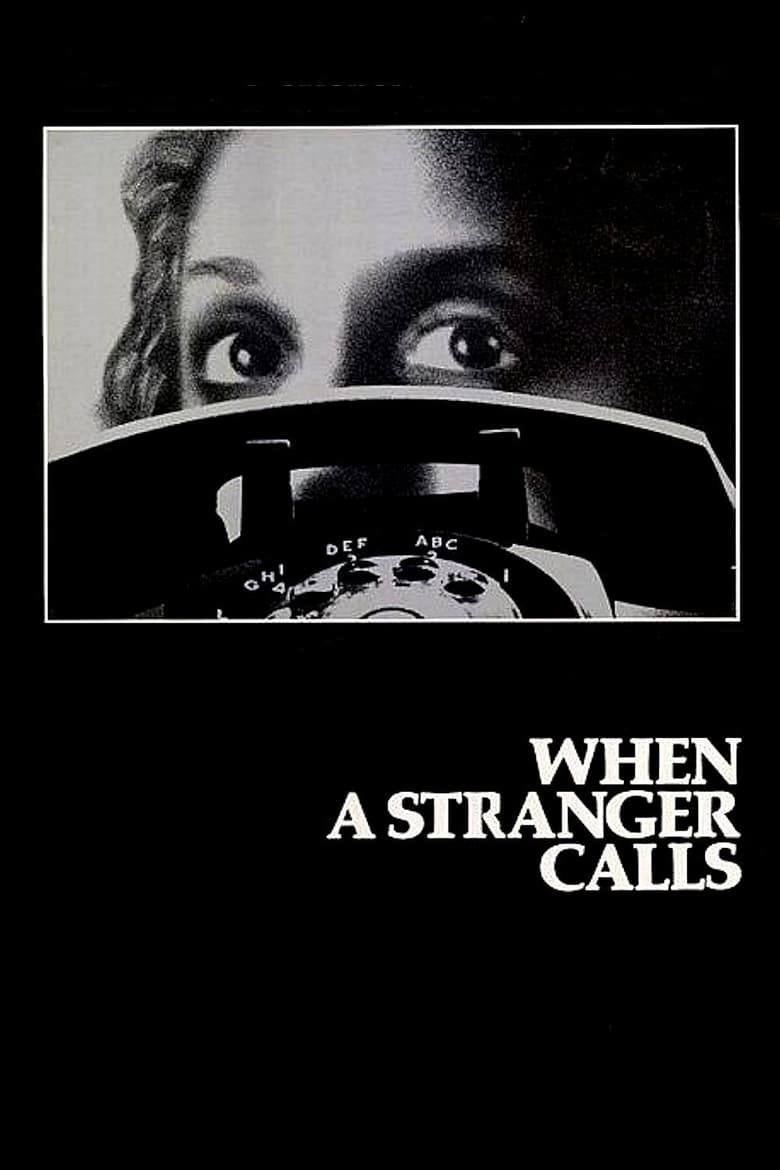
“Every babysitter's nightmare becomes real...”
A student babysitter has her evening disturbed when the phone rings. So begins a series of increasingly terrifying and threatening calls that lead to a shocking revelation.
About When a Stranger Calls
What When a Stranger Calls gets right
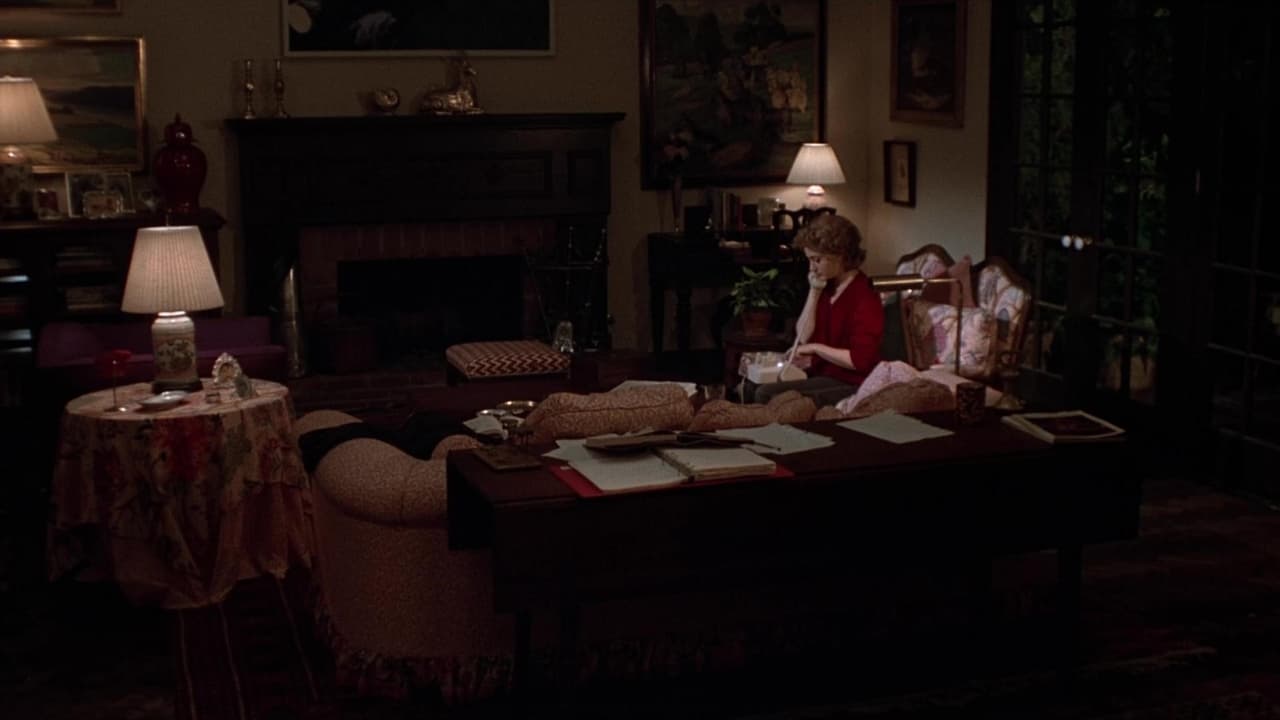
If you can name this film from a single line of dialogue, it’s because Fred Walton found a way to make a domestic routine feel like a threat. The movie begins with Jill Johnson arriving to babysit for a family who ask her not to wake the children — a small, believable detail that plugs us straight into ordinary responsibility.
What follows — the slow escalation of anonymous calls that shift from silence to repeated questions about whether she’s checked the children — is the movie’s engine. Walton keeps the premise tight: we spend most of the film close to that unease, which makes the shifts in scale later on feel earned rather than gratuitous. There’s economy to the whole thing: a 97-minute runtime, a compact cast led by Carol Kane as Jill and Charles Durning as the private investigator John Clifford, and a focus on family, home and parental protection as the story moves from a single night into the longer fallout of trauma and obsession.
The idea that sets When a Stranger Calls in motion
The movie’s opening crisis is simple and savage: anonymous calls to a babysitter culminate in a discovery that destroys a family. The police trace the calls, act, and arrest Curt Duncan — but the consequences don’t stop with that arrest.
Years later, that same danger returns in a different register. Duncan escapes from the institution, and Dr. Mandrakis hires John Clifford, the former detective who originally worked the case, to bring him in. That shift moves the story from a single-night horror into a longer cat-and-mouse about responsibility and retribution.
Clifford’s involvement isn’t detached professionalism; with his old partner Garber he becomes personally invested to the point of obsession, privately vowing that he’d rather kill Duncan than let him be recommitted.
Meanwhile, Duncan’s threat is not anonymous anymore — he stalks and attacks people directly, including a woman named Tracy, which forces Clifford to chase the danger through the city rather than simply rely on procedure.
Why John Clifford matters
John Clifford isn’t a detached gumshoe who only turns up to deliver exposition. He’s the link between the film’s two halves: the original crime that started everything and the restless, personal pursuit that follows Duncan’s escape.
Charles Durning plays Clifford, the private investigator and ex-detective Dr. Mandrakis hires to find the escaped man. That hire is what drags the past back into the present and turns private fear into an open hunt.
Clifford’s obsession is crucial to the picture’s emotional weight. Assisted by his former partner Garber, he becomes consumed with ensuring Duncan is stopped for good — to the point where he privately tells himself that killing Duncan would be preferable to seeing him locked up again.
That single-mindedness ties into the film’s quieter concerns about family: Clifford’s pursuit is less about professional duty and more about protecting families from the kind of violence that shattered Jill’s life years earlier.
When a Stranger Calls has more on its mind than the plot suggests
On the surface it’s a horror-thriller built from a terrifying premise. Underneath, the movie is quietly occupied with questions about what makes a house a refuge and what happens when that refuge is violated.
Home and safety are not abstract labels here; they’re fragile positions that can be overturned by a single phone call or a single break-in. The film keeps returning to the idea that ordinary domestic spaces can be claimed back by violence.
Family and parental protection are another running concern. The original crime — the children’s deaths — and Jill’s lasting trauma frame much of the story, and they explain why Clifford’s hunt feels urgent rather than procedural. There’s also a tension between authority and freedom: the police and institutions act, but they don’t entirely contain the threat. That gap is what allows panic, obsession and vigilantism to grow into the film’s central drama.
When a Stranger Calls could not belong to any other decade
The film lands at the end of the 1970s — a 1979 release that occupies that decade’s appetite for tense, compact thrillers that prefer mood and suspense to bombast.
Being a product of the late 70s gives the movie a certain patience. It doesn’t rush for the shock; it lets dread accumulate across scenes and time, which suits a premise that thrives on the creeping rather than the explosive.
The period context also allows the film to play with institutions in a way that feels specific to those years: police procedure and psychiatric commitment are part of the story’s machinery, and the film treats them as imperfect answers to a violent problem.
All of this makes When a Stranger Calls feel like a late‑70s thriller in the best sense — economical, reluctant to over-explain and willing to let unease simmer.
What has aged — and what hasn't
The basic set-up still works. The idea of a babysitter alone in a house and the slowly escalating, menacing phone calls is as effective now as it was then — that bone-deep fear of something invisible watching domestic life is timeless.
The film’s central concerns about home and family keep the tension grounded. When the earlier tragedy — the Mandrakis children’s deaths — sits in the background, later threats feel like extensions of a trauma the characters never properly leave behind.
Some elements feel of their time: the manner in which authorities trace the calls and the reliance on institutional responses belong to the film’s era. But that doesn’t erase the emotional throughline — a woman who tried to move on only to be re-confronted with the question that started it all.
Scenes where Jill receives a new, chilling call years later and checks on her own children still land because the fear has been personalised again; the movie isn’t asking us to be frightened of an abstract monster so much as to imagine our private spaces invaded.
Why When a Stranger Calls still matters
People remember the movie because of the purity of its central terror: anonymous calls that escalate into a personal horror. That sequence — the calls that start as silence and become a specific, loaded question — is the image that tends to stick.
The story doesn’t stop at the arrest. The fact that Duncan is captured, committed and then escapes years later extends the original nightmare into a different kind of story about aftermath and unresolved trauma, which gives the film a second act that keeps the tension alive.
Characters like Jill and Clifford give the film emotional ballast. Jill carries the memory of what happened into marriage and parenthood; Clifford turns the original case into an obsession he can’t leave alone. Those threads explain why the film resonates beyond a single jump scare. The film finishes on a note that returns to the domestic: the late-night invasion and the violent confrontation that follows tie the public hunt back to the private cost, leaving the survivors and the house itself marked by what happened.
Does When a Stranger Calls still hold up?
Yes — with a rider. If you come for the concentrated dread of the babysitting episodes and the unsettling idea of domestic privacy violated, the film still lands hard. The original anonymous-calls scenario is straightforward but ruthlessly effective, and Walton keeps the story moving in the most economical 97 minutes.
The movie also rewards viewers who want more than a single fright. The escape, the hiring of John Clifford and his personal investment in the case change the shape of the story: it becomes not just about one night but about what that night does to people and families over time.
That makes the film a decent watch for modern viewers: it’s compact, it keeps its themes — fear, parental protection, authority — in play, and it ties the public pursuit of a criminal back to private costs in a way that still feels honest.
If you’re deciding whether to watch it now, go for the tension more than the mechanics. It’s a film that uses a domestic detail — a phone, a sitter, a house — and refuses to return it to ordinary life. That’s a neat trick, and it still has teeth.