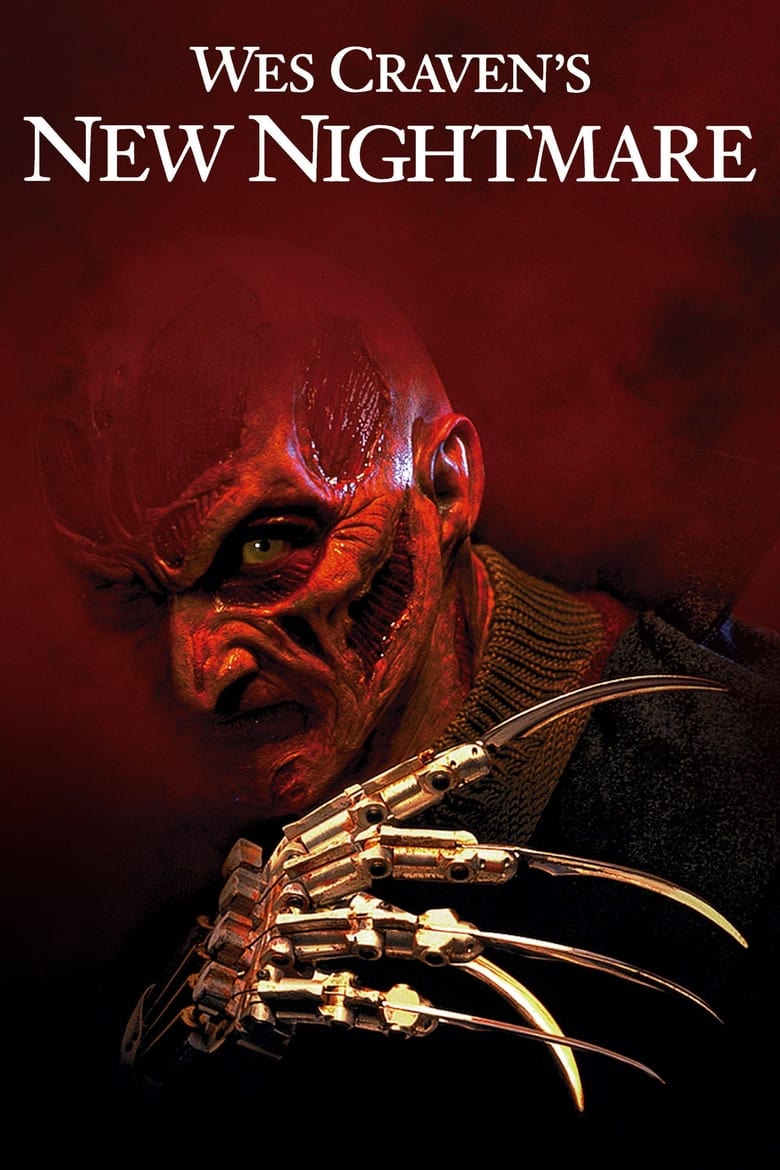
Wes Craven's New Nightmare
“This time the terror doesn't stop at the screen.”
A demonic force has chosen Freddy Krueger as its portal to the real world. Can Heather Langenkamp play the part of Nancy one last time and trap the evil trying to enter our world?
About Wes Craven's New Nightmare
What Wes Craven's New Nightmare gets right
The immediate, brilliant gambit of Wes Craven's New Nightmare is dead simple: cast the real people who made Elm Street famous and then make the monster come after them. Heather Langenkamp turns up not as a fictional survivor but as herself — an actress living in Los Angeles with her husband and their small son — and Freddy Krueger, played again by Robert Englund, arrives like bad press you can’t shake.
That setup gives Craven the freedom to be playful and ruthlessly intimate at the same time. The film treats the mechanics of storytelling as part of the threat — at one point Heather even glimpses a screenplay that reads like a script of her life — so the ordinary acts of work, parenting and saying yes to a studio meeting all start to feel exposed.
And because the danger never stays abstract, the movie keeps its shrug-free focus on family and safety: a child terrified to sleep, a mother turning herself inside out to protect him, and a nightmare that refuses to stay on the screen.
The idea that sets Wes Craven's New Nightmare in motion
At its core New Nightmare runs on one tense, domestic problem: a small boy, Dylan, starts to break down because of Freddy. That deterioration — a child growing terrified of going to sleep — is the engine that turns ordinary family life into an emergency.
Around that central fear the film layers a handful of increasingly disturbing facts: Heather has nightmares in which animated Freddy claws attack her family; a former co-star suggests medical help for the child; and the people who made those films begin to experience their own nightmares and disappearances.
Those elements keep things focused. The threat is not some abstract curse on an entire town; it’s a targeted pressure on one household. And because the horror moves from dreams into daylight — from hospital corridors to a home the family should be able to inhabit safely — the stakes feel immediate.
When the climax comes, Heather follows the abduction into Freddy’s world and, with Dylan, forces the creature into its furnace. It’s a tidy, physical resolution: they shove the monster back into the fiction it came from and, crucially, push him where he can’t return.
Why Freddy Krueger matters
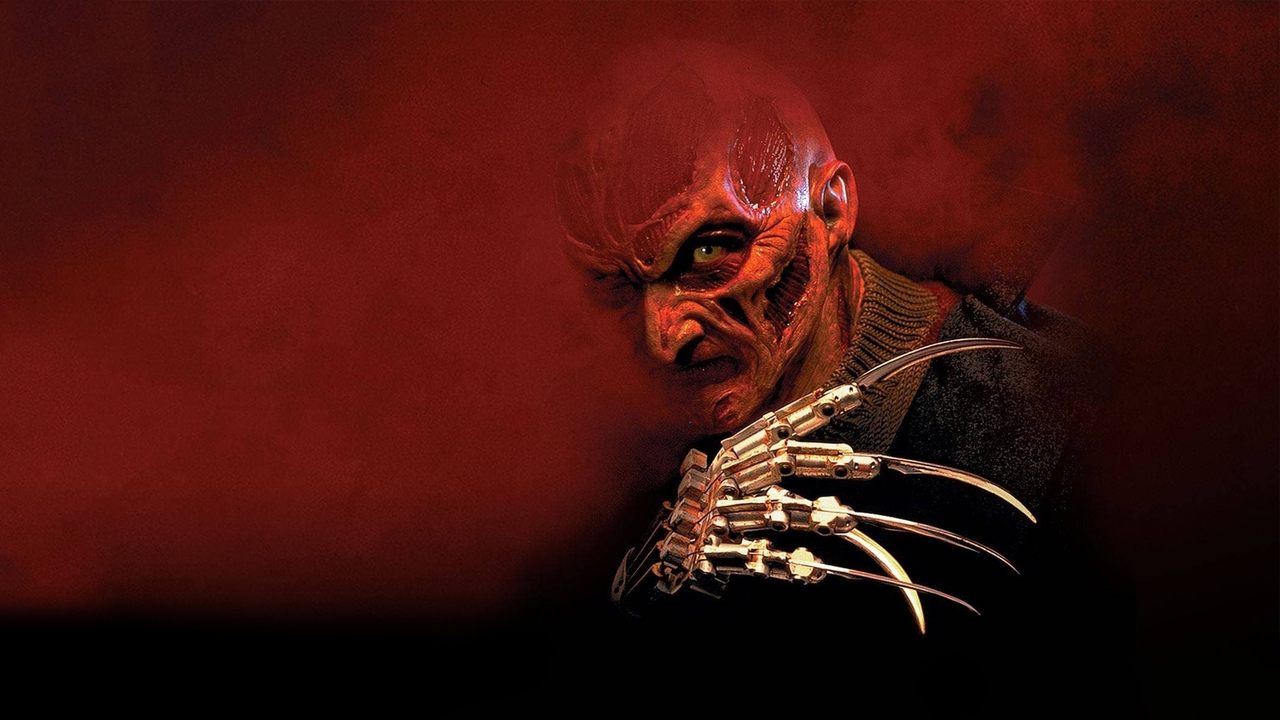
Freddy Krueger remains the film’s perverse pivot. Robert Englund is the familiar face and voice, but in New Nightmare the terror he brings is less about flashy set-pieces and more about invasion — of sleep, of family, of a life that should be private.
His presence begins as a nightmare image — animated claws attacking Heather’s family — and then pushes out into the world. The film even stages moments where people connected to the movies appear haunted, or simply vanish, which turns Freddy into an idea that eats the space between film and real life.
The movie also uses Freddy as a red herring and escalation device. A friend of Heather’s who babysits becomes a target in a scene echoing earlier Elm Street deaths, reminding the audience that the character’s history still has teeth.
Above all, Freddy matters here because he’s not just a villain on screen; he’s the mechanism by which the film tests family and safety. He’s the reason ordinary routines stop being reassuring.
Why Robert Englund's performance matters
One small production choice in New Nightmare that carries a lot of weight is how Freddy’s voice and presence exist off-camera. Heather receives creepy phone calls that quote the old nursery rhyme in Freddy’s voice, so the character lingers in the spaces the camera doesn’t always show.
That off-screen echo keeps the menace constant: Freddy doesn’t need to be prowling the frame to feel present, and that choice makes ordinary moments — a telephone ringing, a child falling asleep — feel loaded.
Wes Craven's New Nightmare has more on its mind than the plot suggests
Beneath the jump scares and the meta-setup, the film keeps returning to a handful of basic human worries: family, the safety of home, and mortality. Those ideas are not dressing — they’re the film’s repeating notes.
Start with family. The narrative is built around Heather’s relationship with her son; his fear drives her choices, and every threat is measured against what a mother will do. Home is the next move: the movie insists the domestic space is no sanctuary, and that uncertainty makes ordinary rooms suddenly uncanny.
Mortality sits behind both. The film stages small, private losses and then a very public one; family life becomes a battlefield where lives can be taken, which gives the horror a seriousness that’s easy to feel.
Put together, those three themes make New Nightmare less about the spectacle of a supernatural villain and more about what happens when the things you love become vulnerable to the stories that surround them.
Wes Craven's New Nightmare could not belong to any other decade
It’s worth noting the film arrived in 1994, right in the middle of the decade. That placement matters: New Nightmare is a 1990s horror picture through and through, made by filmmakers who had lived with the Elm Street cycle and decided to turn the conversation inward.
Seen as a product of its year, the film reads like a horror that’s doing two jobs at once: delivering scares and reckoning with the series’ own history. That double act is remarkably of the period — a mainstream genre picture that is also quietly reflexive about what it means to keep making the same stories.
What has aged — and what hasn't
A lot of the film’s strengths are still strengths. The basic terror of a child who won’t sleep and a parent who will go to the ends of the earth to protect them is timeless; whether you saw it in the 90s or watch it now, that emotional core lands.
Sequences that keep the action domestic — a hospital visit where Heather returns for a stuffed toy, a sleepwalking chase home — still read as focused and urgent rather than indulgent. Turning familiar, everyday spaces into places of danger is a device that doesn’t date.
The darker beats — a husband attacked while driving, a babysitter killed in a scene that echoes the franchise’s past — can feel bleak, but they give the film moral weight. The movie asks the audience to accept that these are not disposable characters; losses matter.
What dates less comfortably is the narrative convenience of certain plot mechanisms: a terrified child as a hinge for the entire story, and the way reality flips back and forth between film and life. That wink between fiction and reality still works, but it sometimes asks viewers to accept leaps the film doesn’t always earn.
Why Wes Craven's New Nightmare still matters
People who grew up with Elm Street often point to this film because it doesn’t just reuse Freddie’s costume — it asks what it feels like to be haunted by a role. Heather Langenkamp’s presence as herself, plus the screenplay in the story that reads like a transcript of the characters’ lives, makes the whole movie a conversation about fiction and its consequences.
That meta element gives the film a particular kind of afterlife: it’s the one entry that makes the franchise reflect on itself, rather than merely repeating familiar set-pieces. You get the sensation that the monster is a cultural thing as much as a supernatural one — and the film literalises that by allowing reality to overlap with the films' events.
There’s also an emotional memory at work. The film stages genuine domestic panic — a family attacked, a child slipping toward trauma, a parent being asked to become a character again to save them — and that combination of intimate stakes with self-aware mechanics keeps conversations about the film alive.
Finally, the ending note — an acknowledgement from within the screenplay frame — leaves a tidy seal on the story. Heather’s victory isn’t just physical; it’s a closing of the loop that feels like a thank-you and a goodbye at once.
Does Wes Craven's New Nightmare still hold up?
Yes — for specific reasons. If you want a Freddy movie that makes you feel the threat in the rooms where people live, work and parent, this is the one. Heather Langenkamp as a woman both known for Nancy Thompson and living a private life gives the film an honest tether: it’s not just spectacle, it’s personal.
The film’s heart is that domestic fight to keep a child safe. Dylan’s terror and the choices his mother makes give the story urgency, and the physical finale — chasing Freddy into his boiler-room reality and forcing him into the furnace — delivers a clean, final feeling the plot actually earns.
If you’re watching for a pure nostalgia trip or a greatest-hits of Elm Street set-pieces, this won’t be that. It’s 112 minutes of a 1994 picture that asks you to sit with discomfort rather than giggle at old scares. But if you want a horror picture that treats family and fear seriously and lets the franchise turn its gaze inward, it remains well worth your time.
So, watch it late, when lights are dim and the house is quiet. The film still does the one thing all good horror should: it makes your own home feel slightly less safe.