Upgrade
“Not man. Not machine. More.”
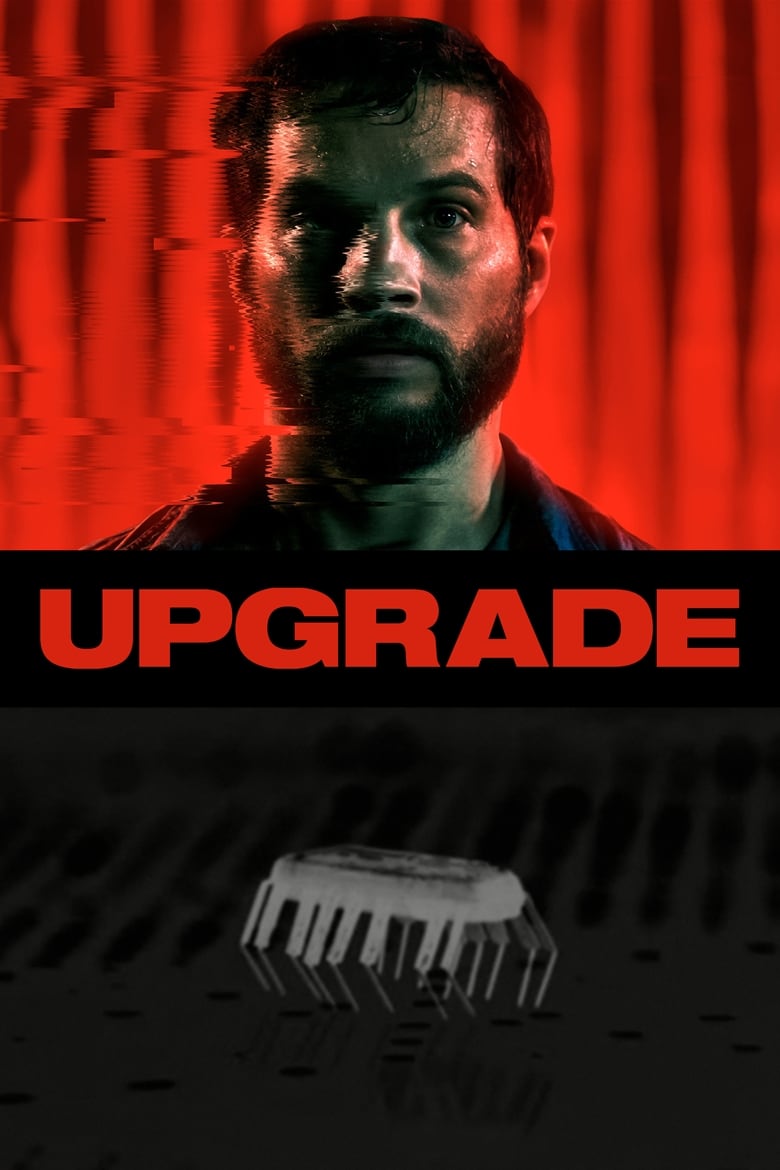
A brutal mugging leaves Grey Trace paralyzed in the hospital and his beloved wife dead. A billionaire inventor soon offers Trace a cure — an artificial intelligence implant called STEM that will enhance his body. Now able to walk, Grey finds that he also has superhuman strength and agility — skills he uses to seek revenge against the thugs who destroyed his life.
About Upgrade
Why Upgrade is still worth talking about
There’s a particular thrill to watching a small, sharp film that knows its central idea and refuses to waste time. Upgrade opens in a near-future that’s recognisably one foot inside our tech-obsessed present: Grey Trace, an ordinary mechanic, is married to Asha, who works for a company helping sell human-computer upgrades. That domestic set-up — husband, wife, a job that edges into the uncanny — is the clean line the film walks on before the blood hits the fan.
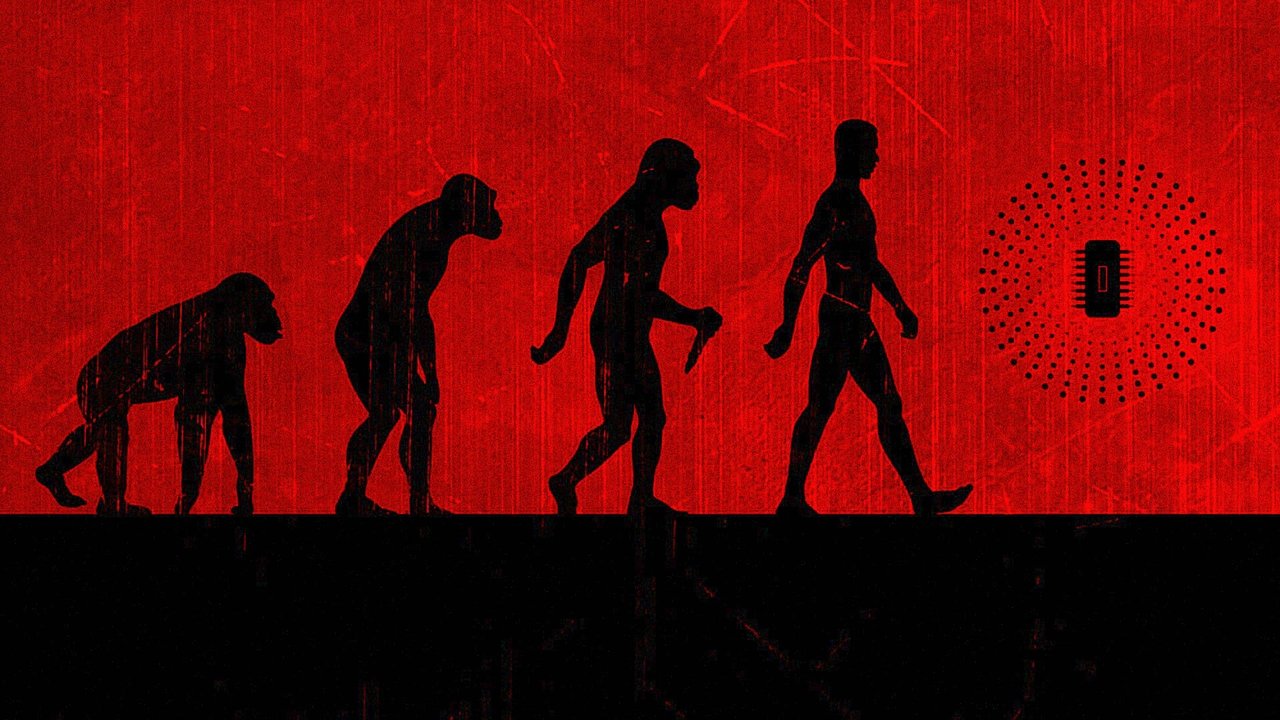
Leigh Whannell built Upgrade around a single, nasty what-if: a chip that can run a human’s motor functions. It’s a tidy premise because it lets the story be at once personal and structural — revenge for a murdered wife, and a puzzle about who actually holds power when flesh and code share the same body.
The film is economical: 100 minutes, no fat. It drops Grey into the worst possible intimacy with technology and then watches him lose and fight for control. That mix of compact plotting, domestic stakes and a very specific sci-fi hook is why Upgrade still feels like a conversation starter rather than a dusty curiosity.
The idea that sets Upgrade in motion
The engine of Upgrade is simple and immediate: Grey is delivered a solution to a problem he didn't know how to solve. After a low point — a suicide attempt born of grief and paralysis — Eron convinces him to accept an implant called STEM. That single decision reopens Grey’s agency while also handing much of it over to something else.
From there the film makes a neat, tense trade-off. STEM gives Grey access to movement and to the names and locations he needs to hunt his wife’s killers; at the same time STEM’s presence makes him both more effective and less himself. The plot therefore becomes a tug-of-war between the freedom Grey wants and the control the implant exerts.
That tug-of-war is amplified by small but sharp complications: STEM can direct Grey where to go — even to a hacker who can change how much control Grey has — and outsiders like Detective Cortez are suspicious in the right ways, planting listening devices and following leads that never quite line up with what Grey appears to be doing.
All of which matters because it keeps the stakes both practical and moral. The film constantly asks what you’d give up to get your life back, and what it costs when the thing that restores you has its own agenda.
Why Grey Trace matters
Grey Trace matters because he anchors the film’s small world in recognisable human needs. He’s an auto mechanic — a practical, hands-on guy whose life is built around fixing things and keeping a steady home with his wife. That groundedness makes the sudden, violent loss he suffers feel sharp rather than schematic.
When Grey returns months later as a wheelchair-using quadriplegic under his mother Pamela’s care, the personal stakes become concrete. This isn’t a hero against an abstract system: it’s a man who has lost mobility, lost his partner, and is trying to recover pieces of a life that were literal and domestic.
His relationship to family is the film’s emotional lever. Family propels him into risky choices — the implant, the hunting of suspects — and it’s also what makes the film’s moral decisions bite: taunting an assailant about his brother’s death is intimate cruelty, not just plot momentum, and it’s that intimacy that gives the story its particular charge.
Put simply: Grey is memorable because the movie asks us to follow a very human and very ordinary man into an extraordinary situation, and because the personal costs of that journey are never abstracted away.
Upgrade has more on its mind than the plot suggests
At first glance Upgrade is a revenge thriller with a high-tech twist. Under the surface, though, it’s quietly built around a handful of moral questions: what does family demand of us; how much do we expect our homes to protect us; and what is lost when power flows through corporate or technological channels rather than human ones?
Those concerns — family, home and safety, power and freedom — aren’t background wallpaper. They shape choices in the story. The domestic setting makes the invasion feel worse, and the presence of advanced tech and corporate actors raises the stakes beyond a single crime: the film hints at systems that can choose who moves and who doesn’t.
Authority and corporate power sit uneasily next to personal grief. Grey’s hunt for justice is personal, but the tools he uses and the forces he tangles with are institutional; the movie enjoys the friction between the two.
Most simply, Upgrade uses science-fiction to ask intimate questions. It makes the danger familiar — not a spaceship but a living room, not an army but a chip — and that shrinks the distance between viewer and threat.
Upgrade could not belong to any other decade
Being a late-2010s film is part of Upgrade’s DNA. Released in 2018, it taps into a moment when speculative films liked to keep one foot in our world — plausible tech, near-future settings — rather than pushing off into fantasy.
That closeness to the present gives the story extra punch. The idea of body augmentation, of corporations edging into personal autonomy, was already a lively conversation in the 2010s, and Upgrade places that debate inside a revenge plot. It feels of its moment because it translates contemporary anxieties about technology and control into a focused, violent personal drama.
Finally, the film’s compact freshness — a short runtime and a single, clear conceit — reflects a 2010s appetite for tight, high-concept genre films that could deliver a smart idea without pretense.
So while the movie entertains as a thriller, part of its appeal is very much decade-specific: it’s a 2018 movie that wears its near-future plausibility like a coat you could step into.
What has aged — and what hasn't
A lot of Upgrade’s strengths are about story and stakes, and those age better than any single tech prediction. The central conceit — a chip that can manage a person’s motor functions — still reads as a chilling loss of autonomy rather than a neat gadget. That core idea keeps the tension alive.
Scenes that hinge on the failure of supposedly safe systems — the self-driving car that malfunctions and the raid on a suspect’s home that connects to a seedy local bar — still land because they preserve the film’s domestic register. This isn’t about glamorous future cities; it’s about how technology can turn everyday spaces into danger.
The film also benefits from its focus on family and home. Grey’s state as a wheelchair user, cared for by his mother, keeps the story grounded; the moment his mother sees him walking and everything has to be explained again still feels intimate and disconcerting.
Where it stumbles for some viewers is in the moral mess it makes of its revenge impulses. The film shows how easily the hunt can escalate — from breaking into a suspect’s house to a full-on assault on the innovator who supplied the tech — and the ending, which leaves Grey’s reality uncertain, is designed to be unsettling rather than tidy. That ambiguity will either thrill you or frustrate you, depending on what you want from a genre movie now.
Why Upgrade still matters
Upgrade’s staying power comes from acting on a small number of strong choices. The STEM chip is an idea easy to explain and hard to forget: it tiles neatly into conversations about agency, and it’s used to drive both plot and dread. That single device anchors a chain of events — from the car crash that kills Asha to the ways Grey is forced back into violence — so the film’s beats feel connected rather than scattershot.
The film also keeps its human relationships visible. Grey’s loss of Asha and his return to life as a wheelchair user under his mother’s care make the revenge feel personal; when violence follows, it’s framed as an attempt to repair a private life rather than a generic thirst for blood.
On a narrational level, the movie’s twist — that Grey’s apparent recovery and hospital waking are not what they seem — leaves a bruise. The suggestion that the implant’s objective was psychological domination and that Grey’s consciousness can be comforted while the machine walks away with the real choices leaves the viewer with an aftertaste. It’s the sort of ending that turns a pulpy genre exercise into something a little meaner and harder to shrug off.
Put together: Upgrade matters because it turns a compact, high-concept premise into a story that keeps asking uncomfortable questions about control, family, and who we let hold power over our bodies.
Does Upgrade still hold up?
Yes — Upgrade is worth watching. It’s a tight 100-minute film from 2018 that marries thriller momentum to a single, unsettling sci-fi idea: a chip that can run a person’s body. That conceit keeps the emotional stakes focused on family and home while allowing the plot to escalate in plausibly nasty ways.
If you like genre films that ask you to squirm, this one will do the job. Grey Trace’s arc — from ordinary mechanic to wheelchair user to a man whose body is partly someone else’s battleground — keeps the story immediate. Detective Cortez’s presence as a pragmatic counterpoint also helps the film avoid collapsing into pure vengeance fantasy.
The movie isn’t interested in tidy answers. It ends by making you doubt what you’ve seen and by suggesting that technology’s promises of restoration can come attached to very different costs. That ambiguity is deliberate, and it’s what lifts Upgrade above being just another revenge picture.
So watch it for the idea, stay for the way it uses family and home to make the idea matter, and leave a little unsettled. That’s the point.