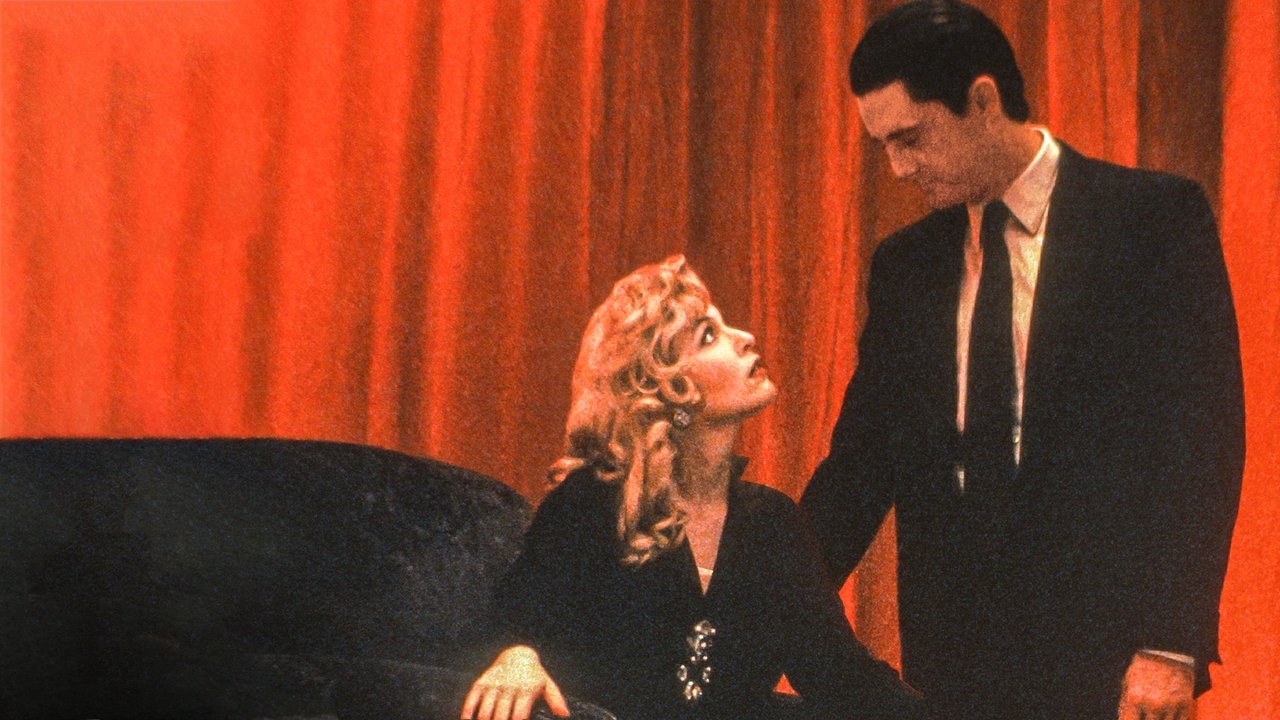

Twin Peaks: Fire Walk with Me
“In a town like Twin Peaks, no one is innocent.”
In the questionable town of Deer Meadow, Washington, FBI Agent Desmond inexplicably disappears while hunting for the man who murdered a teen girl. The killer is never apprehended, and, after experiencing dark visions and supernatural encounters, Agent Dale Cooper chillingly predicts that the culprit will claim another life. Meanwhile, in the more cozy town of Twin Peaks, hedonistic beauty Laura Palmer hangs with lowlifes and seems destined for a grisly fate.
About Twin Peaks: Fire Walk with Me
Why Twin Peaks: Fire Walk with Me is still worth talking about
The image that opens the whole thing — a man smashing a television while a woman screams — is a neat warning. Lynch is not offering reassurance; he's announcing that whatever comfort you think you have is about to be undone.
This is David Lynch’s 1992 film, a 135‑minute work that refuses to be reduced to 'just' a whodunnit. At its centre is Laura Palmer (Sheryl Lee), the homecoming queen whose private life is the engine that drives everything that follows.
Talk about the film tends to circle that collision: familiar faces from Twin Peaks reappear, but the focus tightens on Laura and the particular misery and secrets that make the town's surface life look different in daylight.
The idea that sets Twin Peaks: Fire Walk with Me in motion
The film kicks off with two related threads: a weird FBI thread that contains visions and warnings, and Laura's very grounded, very messy life. From Jeffries' vision come spirits that whisper danger into the world; those warnings land on Laura when she finds someone rifling through her diary’s hiding place.
Lynch gives us a dream sequence — the Red Room — where Laura meets a future Cooper and the Man from Another Place, a touch that keeps the film tethered to the show’s otherworldly logic without turning the movie into a recap.
At street level, Donna Hayward follows Laura out of loyalty. It’s a small, human beat that keeps the story readable: Laura isn’t entirely alone, and Donna’s naivety is the obvious contrast to Laura’s knowledge of something rotten.
A sharp, frightening moment — a client spiking Donna’s drink and exposing her — is rescued by Laura, who drags her friend away and pleads with her not to become what Laura herself is. That simple act is both protective and tragic: Laura knows the score and has already been pulled into it.
Why Laura Palmer matters
Sheryl Lee’s Laura is not an idea on a pedestal; she’s a person trying to live two lives at once. One year on from earlier events, she’s keeping a public face — the homecoming queen — while carrying a private burden that the movie steadily exposes.
That collision is what makes Laura stick in the head. She’s sketched as popular and beautiful, and the contrast between that status and what she endures is what gives the film its moral weight.
Family is central: there are moments where Laura looks for her father and sees him instead of the malevolent force she knows as Bob. The refusal to believe that the man she loves could be the thing harming her adds a particularly painful human stubbornness to her story.
And she matters to other characters. Donna follows her out of friendship; Harold Smith becomes the trusted repository for her diary. Laura isn’t only a mystery to be solved — she’s the person everyone around her orbits, whether they understand it or not.
Twin Peaks: Fire Walk with Me has more on its mind than the plot suggests
Supernatural belief is threaded through the whole picture. Lynch uses visions, spirits and the Red Room not as gimmicks but as an emotional language for things that ordinary speech cannot reach.
Freedom recurs in haunting ways: characters seek escape of different kinds, but the film keeps returning to how limited that freedom can be when violence and addiction are in play.
Family and the idea of home — what should be safe — are inverted. The film repeatedly asks whether the places and people we expect to protect us can turn out to be the very source of danger.
Loss, mortality and authority sit alongside those ideas, shaping choices and creating a pressure cooker where private tragedies become communal reckoning.
Twin Peaks: Fire Walk with Me could not belong to any other decade
This is a film of 1992; saying that it’s a 1990s movie is literally stating its birth certificate.
Being made at the start of the decade matters because it lands at a moment when cinema was comfortable letting television spill into movies and when filmmakers were ready to take audience expectations and twist them.
That early‑90s placement helps explain why the film can be so willing to shock and to dismantle familiar characters — it was arriving at a time when audiences were being asked to meet stories on more challenging terms.
So yes, it sits within the 1990s, and much of its temperament — the impatience with tidy conclusions — reads as part of that period’s cinematic DNA.
What has aged — and what hasn't
Some things remain sharply effective. The film’s focus on family and the idea that home can be unsafe still lands; seeing a popular high‑school girl revealed to be living a secret life keeps its emotional punch because those contrasts are human and timeless.
Objects that feel concrete — a ring in a photograph, pages torn from a diary — still function as small, stubborn clues. They tether the surreal moments to the everyday, which helps modern viewers find purchase.
The film’s refusal to soften its subject matter can feel uncomfortable now in ways it felt then; that discomfort is part of its design rather than an accident of taste.
In short: the thematic bones about family and safety remain persuasive, and the film’s willingness to be difficult still rewards viewers prepared for it.
Why Twin Peaks: Fire Walk with Me still matters
There are images and beats that keep returning in conversation: the smashed television and scream, the mysterious reappearance of Agent Jeffries with his strange vision, and the way the movie pulls the small town apart to show what’s been hidden.
People remember the film because it narrowed the original show’s mysteries into personal calamities — Laura’s doubled life, the betrayal of trust in family and the ugly legacy of abuse are not abstract problems here but lived reality.
Concrete details help the memory stick. The diary that’s been rifled, a ring that circulates through the story, and Harold Smith as the keeper of Laura’s secrets give the film a texture that audiences can return to.
And though the story doesn’t spare the viewer, there are final, quieter moments — a spirit comforted, an angelic visitation — that give the tragedy a shape and let the emotional weight land rather than simply overwhelm.
Does Twin Peaks: Fire Walk with Me still hold up?
Yes — if you’re willing to watch a film that focuses less on tidy answers and more on the lived consequences of what those answers reveal. Lynch’s 1992 feature is 135 minutes that spend nearly all their time with Laura Palmer as she juggles a public life and a private hell.
There are moments that will unsettle: the diary intrusions, the warnings that someone is in her bedroom, and the way premonitions from the FBI thread into the personal story. Those elements combine supernatural belief with very human stakes, and the mix remains potent.
If you came for the mystery, you’ll get pieces of it; if you come for the character work, especially Laura and the people who orbit her (Donna included), the film offers a concentrated, painful portrait that still reads clearly today.
So watch it — but do so knowing it’s not light company. This is a film that asks you to sit with suffering, to follow where it goes, and to notice that sometimes the most familiar faces are the ones who break your trust.