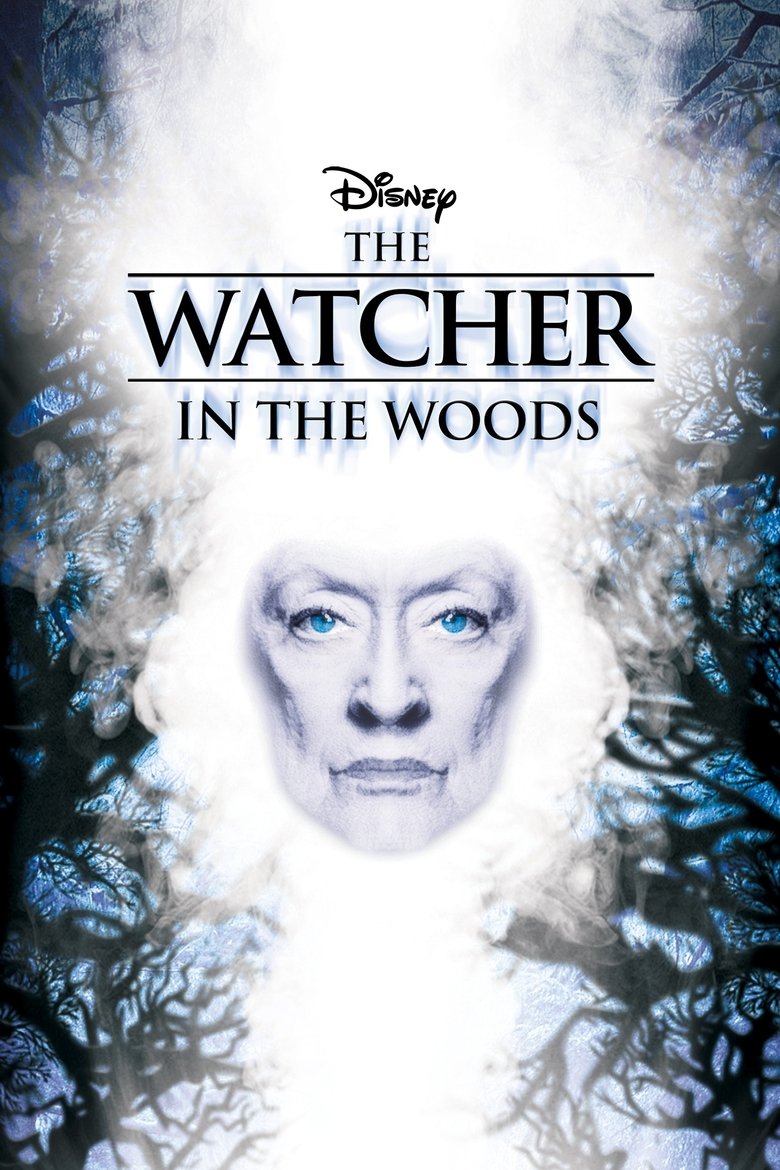
The Watcher in the Woods
“It was just an innocent game until a young girl vanished...for thirty years.”
After an American family moves to an old country manor in rural England, one of the daughters is tormented by the spirit of the owner's long lost daughter, who mysteriously disappeared 30 years ago during a solar eclipse.
About The Watcher in the Woods
What The Watcher in the Woods gets right
You show up thinking you’ve booked a family mystery: Americans Helen and Paul Curtis move their two daughters into a large English house and expect an English manor story. That straightforward domestic setup is the film’s trick. It promises normality and then nudges the carpet back under your feet.
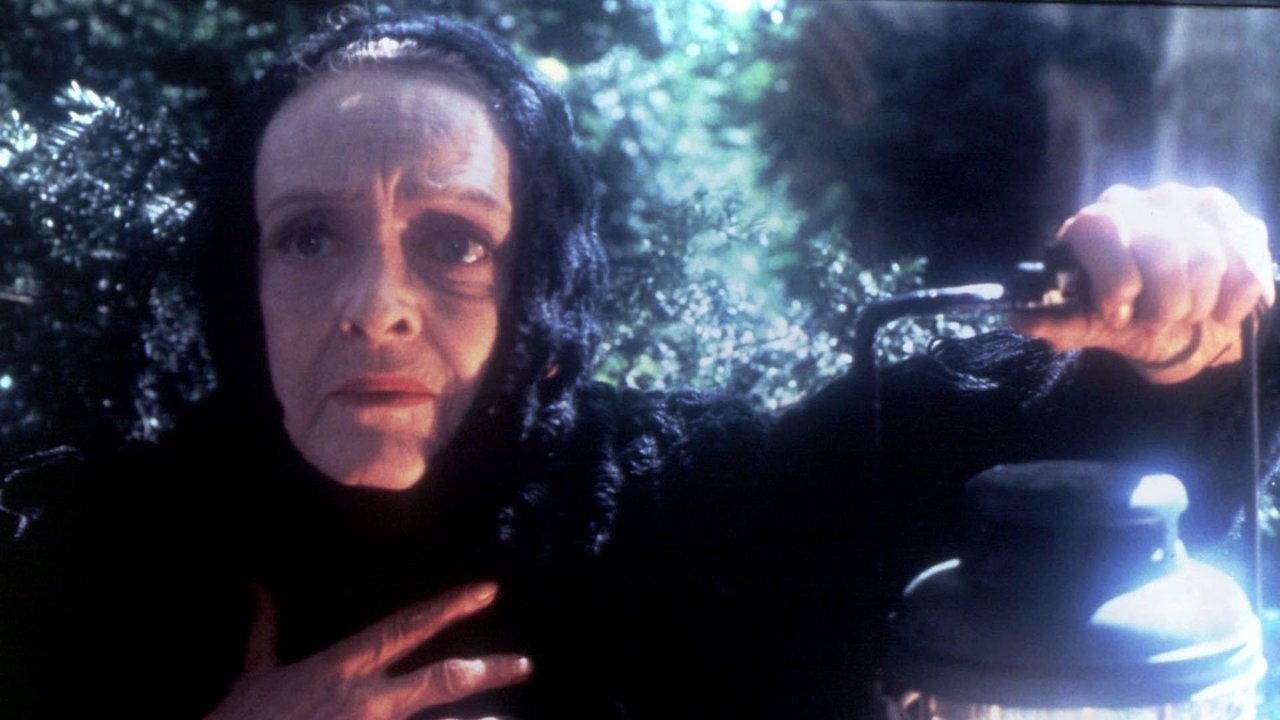
John Hough keeps the running time tight — eighty minutes — and lets the scares arrive like small, insistent questions. Jan, the older daughter, starts seeing strange blue lights and odd geometric shapes in the trees; soon there’s the unsettling image that refuses to leave you: a blindfolded girl reflected in a mirror. Bette Davis plays Mrs Aylwood, the neighbour who lives in the guest house and believes the newcomers are connected to the one thing she has never stopped mourning. The film’s reputation rests on that neat collision: a close‑knit family, a haunted house next door, and a past that literally reaches out to swap places with the present.
The idea that sets The Watcher in the Woods in motion
At heart the film is a tidy premise with a nasty undercurrent: an American family moves into an old English manor and quickly discovers that the place has history. The girls are young enough to be vulnerable and curious enough to poke at secrets.
The first small, odd beat arrives when Ellie buys a puppy she names Nerak. It reads like a harmless childhood detail until a reflection reveals the name backwards — a clue that turns a silly acquisition into something unnerving.
The family’s ordinary routines are repeatedly interrupted by the local story. Jan learns pieces of that story from Mike Fleming, the local teenager, and from the residents who remember what happened three decades earlier.
Things escalate when the puppy bolts into the woods and Ellie follows. Jan goes after her and finds her at a pond; a blinding flash nearly ends in tragedy, and the past — in the shape of Mrs Aylwood’s memory — pushes itself between the family and disaster.
Why Mrs. Aylwood matters
Mrs Aylwood is not an incidental neighbour; she is the house’s memory given a face. She lives next door in the guest house and, more importantly, keeps the wound of the missing daughter open. That history is what makes her more than just a plot device.
She is the person who brings Jan and Ellie into her home after the pond incident and tells them the story of the night her daughter vanished. Those moments do two things: they humanise the past and force the family — and the audience — to treat the place as if it already has a resident who won’t leave.
Crucially, Mrs Aylwood notices that Jan looks strikingly like Karen, the girl who disappeared in the chapel thirty years before. That resemblance turns a random family move into a charged reunion; the house is suddenly full of echoes.
The film even gives us a younger version of her, which keeps her grief literal rather than vague. As an anchor, she transforms the film’s mystery from an abstract puzzle into a neighbour’s lifelong sorrow intertwined with the family’s attempt to make a home.
The Watcher in the Woods has more on its mind than the plot suggests
Beneath the plot mechanics sits a small set of steady concerns: family, parental protection, home as refuge, and the ache of loss. They’re not shoehorned in; they’re the reason the mystery bites.
The Curtises aren’t explorers — they’re people trying to settle. That makes every unnatural event feel like an invasion: lights in the trees become threats to a family’s attempt at normal life rather than just spooky effects.
Parental protection is never abstract. The adults react not like detectives but like guardians. The near‑drowning at the pond and the way Mrs Aylwood inserts herself into that moment show how protective actions drive the story forward. Even small details — Ellie’s impulsive adoption of a puppy called Nerak — register as part of the emotional texture. Pet ownership, sibling rivalry, everyday domestic choices: they ground the uncanny in ordinary family life.
The Watcher in the Woods could not belong to any other decade
Release year matters. The Watcher in the Woods arrived in 1980, a moment when genre films often sat at odd angles to one another — part family drama, part ghost story, part science fiction mystery.
That boundary‑walking feels very 1980: films that still wanted to tell straightforward stories but weren’t shy about adding an uneasy, speculative edge. The result is a picture that can move from a domestic squabble to a genuinely strange revelation without much fuss.
Because it sits on that cusp, the film reads now as an early example of the decade’s appetite for mixing genres: it’s not proudly stylised in the way later ’80s work might be, but it has the decade’s willingness to let a family film harbour dark curiosities.
What has aged — and what hasn't
The film’s core concerns have held up. Its focus on family and the sense that a home can be unsettled by outside forces still lands, because those feelings are timeless: parents worrying about children, a house that should be a refuge becoming the problem.
Small, eerie beats still work. The puppy called Nerak and the mirror trick where a name reads backwards are the sort of compact, clever clues that stay with you. They’re not elaborate shocks — they’re curious, domestic breadcrumbs.
Where the film feels stranger to modern viewers is in the way it resolves oddness. The explanation — that a switch took place with an otherworldly presence and that the Watcher can leave one body and occupy another — makes the story unexpectedly sci‑fi. It’s the kind of choice that can delight and confuse in equal measure.
Finally, the personal memory scenes — Mrs Aylwood bringing the girls into her home to tell the story of her lost daughter — retain their emotional pull. Even if some plot mechanics feel of their time, the human longing underneath is straightforward and recognisable.
Why The Watcher in the Woods still matters
People who remember this film often remember images rather than plot points: the blindfolded girl in a mirror, the odd blue lights in the trees, and that small domestic oddity of a puppy called Nerak. Those details lodge in memory because they’re tidy, strange hooks.
Mrs Aylwood’s belief that Jan resembles her missing daughter gives the whole film a mournful spine. It turns the house into a place full of unanswered questions and unresolved grief, which is a strong emotional engine for a horror story aimed as much at families as at genre fans.
The film also lingers because of its willingness to reach into the uncanny and come up with an explanation that is part ghost story, part science fiction: a decades‑old switch between a girl and an otherworldly presence. It’s an unusual solution, and that oddness keeps conversations alive. Finally, the closing touch — the reappearance of the missing girl, still blindfolded — is the kind of image that stays with an audience. It ties the past and present together and leaves viewers with a clear, eerie residue: the house remembers more than the people who live in it.
Does The Watcher in the Woods still hold up?
Yes — with a rider. The Watcher in the Woods is a short, economical film (it runs eighty minutes) that rewards viewers who like their horror grounded in family dynamics rather than relentless shock. The Curtis family moving into an old English manor is the perfect setup: ordinary people, ordinary worries, and something that won’t let them settle.
Bette Davis’s Mrs Aylwood is central in the sense that the story pivots around her memory and her conviction that Jan resembles the missing Karen. That personal grief is what turns a local mystery into a house that refuses to be ignored.
If you want a neat, eerie tale where domestic care — parental protection and the effort to keep a home safe — meets something genuinely strange, this is worth your time. It doesn’t attempt to be everything for everyone; it prefers a focused, emotional tug over sprawling spectacle.
So watch it as a small, peculiar late‑night tale about family and loss. It won’t fix every mystery it raises, but it will leave you with an image or two that refuse to be forgotten — and that, for this sort of film, is exactly the point.