The Vampire Lovers
“An erotic nightmare of tormented lusts that throb in headless, undead bodies!”
In the heart of Styria the Karnstein Family, even after their mortal deaths, rise from their tombs spreading evil in the countryside in their lust for fresh blood. Baron Hartog whose family are all victims of Karnstein vampirism, opens their graves and drives a stake through their diabolical hearts. One grave he cannot locate is that of the legendary beautiful Mircalla Karnstein. Years of peace follow that grisly night until Mircalla reappears to avenge her family's decimation and satisfy her desire for blood.
About The Vampire Lovers
Why The Vampire Lovers is still worth talking about
The Vampire Lovers tells you what it is from the first shot: a female vampire materialising out of a Styrian graveyard, all delicate gown and lethal intent. It doesn’t dither — it sets the mood and then puts you to work spotting how the rest of the film will complicate that mood.
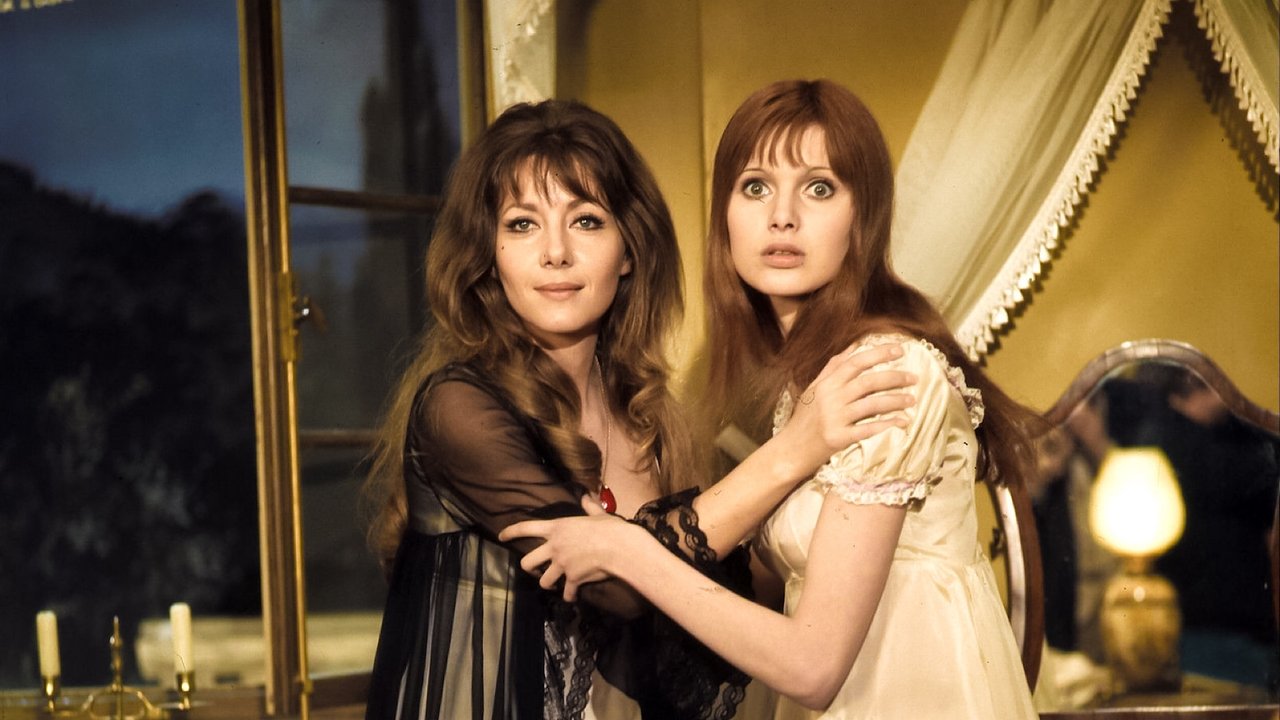
Roy Ward Baker keeps things tidy. At 87 minutes the film moves with the brisk confidence of someone who knows which scenes matter and which are padding. That focus helps when the script wants to mix Gothic set-pieces with something sharper: erotic suggestion, queer subtext and a household’s refusal to see danger until it’s too late. And at the emotional centre — if you’ll forgive the old-fashioned phrasing — is Laura Spielsdorf, the general’s niece. Pippa Steel’s Laura gives the film a reason to care; she’s the girl whose friendships and vulnerabilities the story turns on, and that’s why the film still lingers in memory.
The idea that sets The Vampire Lovers in motion
A well-to-do household is visited by a countess and her supposedly distant relation, Marcilla. The countess arranges to leave Marcilla in the care of General Spielsdorf, asking him to take responsibility while she goes away.
Marcilla’s presence is the small, precise engine of trouble. Laura befriends her despite Marcilla’s odd demeanour, and that friendship quickly draws others into the orbit — Emma Morton, the wealthy Mr Morton’s daughter, becomes a target of Marcilla’s more intimate attentions.
Small, domestic acts matter here: the father’s business trip, the governess who’s meant to protect Emma, a butler who learns local superstitions. Those practicalities are what the vampire exploits — seduction, misplaced trust and the household’s blind spots.
Once the wards are removed — by means the film makes shockingly ordinary — the situation becomes urgent. A call brings the household back together with allies on the road to Karnstein Castle, and the film pivots from domestic unease to an old family bloodline problem.
Why Laura Spielsdorf matters
Laura is the film’s human hinge. She’s the niece whose birthday ball gives the story its opening domesticity, and the young woman who takes Marcilla at face value when others ought to be suspicious.
That friendship is the emotional risk the film asks us to invest in. Laura befriends Marcilla despite a strangeness the rest of the household notices — and that makes her more than a plot device: she’s someone who shows how trusting can be both noble and dangerous.
Marcilla’s attraction to Laura lifts the stakes beyond wardrobe and windowed threats; it makes Laura the focus of an intimacy the film treats as infectious. Friendship here isn’t just companionship — it’s the conduit for harm.
At the other end of that arc sits Baron Hartog, a vampire hunter with history and vengeance in his backstory. Laura matters because what happens to her turns a private grief into an old family story brought back to life.
The Vampire Lovers has more on its mind than the plot suggests
On the surface it’s a vampire story; underneath it’s a film about family and the costs of protecting those you love. The general’s role as guardian, and the way the household bends to appearances, keeps returning us to questions of duty and negligence.
Mortality and loss thread through the film. People fall ill, wasting away with the same telltale marks; that erosion of life gives the vampiric threat a literal, physical grip on the film’s emotional core.
Friendship is shown as fragile and contagious. A trusting relationship becomes a vulnerability, and the film delights in stretching the space between care and corruption until you notice how thin the line is. There’s also a quieter note about lineage and lifespan. The Karnsteins are an old family problem — centuries-old, in fact — and that history nags at the present. Greed and the desire for legacy hover in the background: the past refuses to stay buried.
The Vampire Lovers could not belong to any other decade
Released in 1970, the film sits at a particular hinge: it looks back to Gothic stories of old while nudging at more modern, adult concerns. The decision to lean into erotic suggestion and queer subtext feels like a moment where genre rules were quietly shifting.
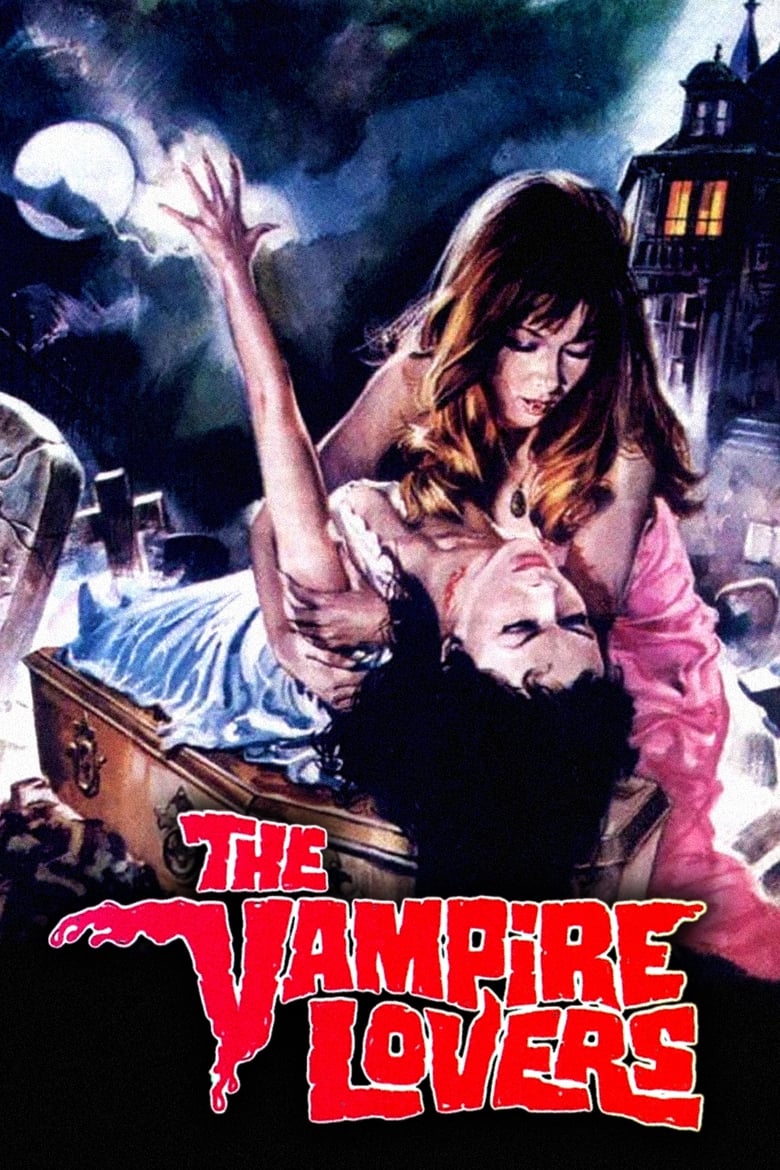
That same year, this kind of picture still played drive-ins and late-night cinema programmes; the image of Marcilla reunited with the countess in promotional material captures the film’s double life as both Gothic melodrama and something more salacious.
The ball at the general’s estate — a scene rooted in aristocratic ceremony — is also a good reminder that the film trades on a tension between public respectability and the private threats bubbling beneath it.
Put simply: The Vampire Lovers sits where two eras meet. It borrows the tropes of the 19th-century Gothic and gives them a slightly more modern, less prudish squeeze.
What has aged — and what hasn't
A lot of the film’s strength is structural. At 87 minutes and under Roy Ward Baker’s steady hand, it rarely outstays its welcome. The basic vampire engine — a predatory outsider, slow-acting illness, protective families who are always a step behind — remains serviceable and immediate.
The way local superstition is mobilised also holds up. A butler learning old lore, a doctor consulted, garlic and crucifixes used as practical measures: these are plain strategies that still make dramatic sense, even if they’re charmingly old-school.
The film’s stakes remain human. The arc from suspicion to discovery to confrontation — Hartog revealing the Karnsteins’ history and the household answering the threat — keeps the emotional consequences visible. Emma’s eventual release from the sickness ties up the central worry with a clean, if Gothic, resolution.
What feels most modern now is how personal the danger is. It isn’t an abstract curse; it spreads through relationships and trust. That premise, simple as it is, continues to work.
Why The Vampire Lovers still matters
Certain images from the film are stubborn. The female vampire’s first appearance in a graveyard and the small humiliations that follow — a missing shroud, a portrait that turns into a fanged skeleton — are the kinds of things that stick in the head long after you’ve left the room.
The film also traffics in recognisable beats: the countess’s manipulations at the general’s ball, the staged carriage breakdown that wins Mr Morton’s hospitality, and Marcilla’s predatory interest in both Laura and Emma. Those sequences give the story a sequence of moments that are easy to recall and retell.
There’s an old-fashioned satisfaction in the way the household answers the threat: allies arriving, Hartog explaining the Karnstein history, and the final, blunt physicality of staking and decapitation to end the menace. It’s a clear, decisive form of closure that resonates for fans of classic Gothic endings. And then there’s the periphery: the man in black who watches and laughs, the villagers who die drained of blood — small details that widen the film’s world and give it a lingering sense of mischief and menace.
Does The Vampire Lovers still hold up?
Yes — if you come to it for a compact, old-school Gothic with a sharper edge. The Vampire Lovers is 87 minutes of focused storytelling under Roy Ward Baker’s direction; it knows its handful of set pieces and leans into them rather than trying to be everything at once.
It’s not subtler than it looks. The film wears its erotic and queer-inflected material on its sleeve, using seduction as a weapon and friendship as a vector. That gives Laura Spielsdorf and Emma Morton something more than victimhood: their relationships are at the heart of the tension.
If you want modern sophistication, you may find it dated; if you want a tight example of how family duty, mortality and loss can fuel a vampire tale, it still delivers. The moment where the Karnstein problem is explained and the household chooses direct action — staking and the theatre of decapitation — provides the catharsis the film has been steering towards.
So watch it for the atmosphere, for the small, eerie images (that portrait won’t leave you), and for a film that remembers how to make a family drama into a Gothic horror. It’s proof that a good scare often comes from who you love and how far you’ll go to protect them.