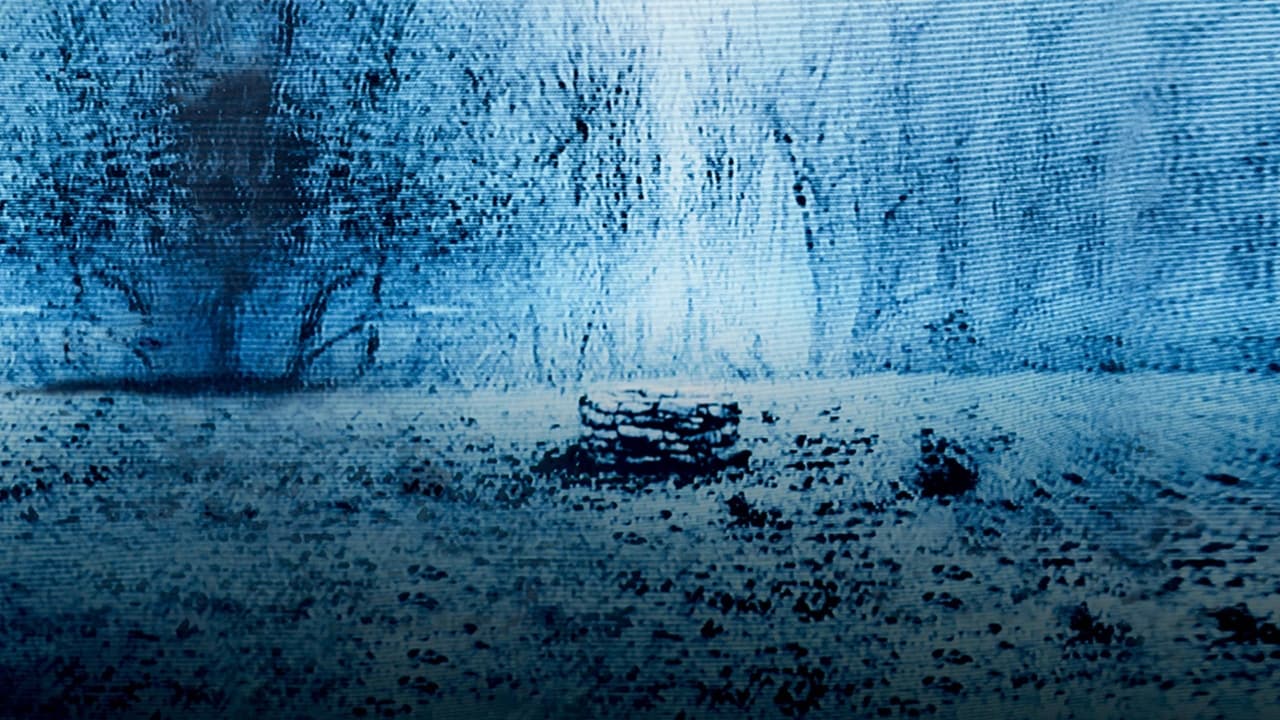

The Ring
“Before you die, you see”
Journalist Rachel Keller investigates a strange videotape that may be behind the untimely deaths of four teenagers. There is an urban legend about this tape: the viewer will die seven days after watching it. Rachel tracks down the video... and watches it. Now she has just seven days to unravel the mystery of the Ring in order to save herself and her son.
About The Ring
What The Ring gets right
Remember the bit where two teenage girls treat an urban legend like a dare and then one of them dies a week later? That’s the simple, poisonous engine that runs The Ring: a cursed videotape that turns curiosity into a countdown.
Gore Verbinski directs, and he keeps the movie taut enough that the dread never becomes decorative. Naomi Watts’s Rachel Keller is the person the film centres on — a journalist pulled from her everyday life into this awful calendar of seven days — and the movie trusts that a professional search for answers can be as compelling as any supernatural threat. What makes it worth revisiting is plain: it marries horror with family, so every strange image or ringing phone lands with consequences. The tape is the plot’s trigger; the home is where the trouble lands, and Rachel’s attempts to protect her son transform a genre exercise into something you actually care about.
The idea that sets The Ring in motion
The film’s whole architecture sits on a neat but horrible rule: watch the tape, get a phone call, get seven days. That ticking week is pure narrative economy — it keeps the story moving and gives dread a deadline.
Rachel treats the tape like a story to be solved. Her investigation peels back the tape’s imagery until she identifies a woman in its footage: Anna Morgan, a horse breeder with a tragic, violent end to her household.
That discovery opens another, darker secret: Anna had adopted a girl, Samara, whose psychic presence left marks on people and things and whose life unravelled the family. The supernatural here isn’t random; it arrives with a backstory you can trace.
In the end, burial and ritual are offered as an attempt at closure. The film lets that effort exist whether or not it fully succeeds, which keeps the moral and emotional stakes in play rather than allowing a tidy escape.
Why Rachel Keller matters
Rachel Keller is not a passive scream-queen; she’s a reporter who gets dragged into a family tragedy and chooses to go looking for answers. That shift from professional curiosity to parental protectiveness is the engine of the film.
Her involvement begins when her sister asks her to investigate at Katie’s funeral, and what follows is straightforward: Rachel traces the deaths, finds patterns and follows them to places most people would prefer to leave alone.
Those choices matter because the film is about family and friendship. Rachel's search is not detached puzzle-solving; it’s personal. The discoveries she makes about the friends who watched the tape and the Shelter Mountain Inn force the domestic onto the screen.
And because she’s the one carrying the investigation, the movie turns household spaces — beds, telephones, living rooms — into plausible sites of danger. That’s what makes Rachel memorable: she brings the stakes of the narrative home, literally and emotionally.
The Ring has more on its mind than the plot suggests
At face value The Ring is about a cursed tape and a week-long countdown. Under the surface it’s about the ways families try — and sometimes fail — to keep one another safe.
Loss is everywhere: the film moves from teenage friendship to sudden death to adults trying to make sense of lives cut short. That sense of grief gives the horror a human weight; it’s not just shock for shock’s sake.
Mortality and lifespan are woven into the narrative’s mechanics. The seven-day limit makes death a measurement, a calendar you can watch and dread; it turns the abstract idea of an ending into a visible clock. And because the film combines parental protection and supernatural belief, it asks a simple question without being preachy: how far would you go to preserve the people you love when the thing threatening them can’t be fought like an ordinary enemy?
The Ring could not belong to any other decade
The Ring arrived in 2002, and it wears that moment well: it’s a big-stakes studio horror that still centres on characters rather than spectacle.
It belongs to the 2000s in the sense that it’s part of a wave of mainstream horror films that took psychological dread seriously and wrapped it in accessible mystery.
Being a 2002 movie also meant the film could be patient with its plot — the runtime allows for methodical investigation and slow-building dread rather than breathless immediacy.
Put simply: The Ring feels of its time because it balances genre mechanics with character work in a way that the decade’s mainstream horror often attempted.
What has aged — and what hasn't
The central set-up — teenagers trading urban legends and then suffering the consequences — still lands. Urban-legend horror is a simple idea and The Ring uses it to make dread immediate and relatable.
The film’s focus on family, friendship and the safety of the home still gives it bite. Those concerns don’t date; a hostile outside force invading domestic life remains disturbing whenever you watch it.
Certain plot details, like the discovery of a fake birth certificate at the Morgan home, still feel effective because they reframe parenthood and heredity in a way that adds emotional complication rather than just plot turns.
And the small moments of moral unease — Aidan telling Rachel it was a mistake to help Samara — keep the film feeling morally ambiguous. That sting of doubt is what makes it hold up: it asks you to side with parents who make grim choices.
Why The Ring still matters
People remember the tape — the idea of a string of strange images followed by a phone call whispering seven days — because it’s a tidy horror conceit that sticks in the head. The Ring made that simple mechanism feel personal.
Rachel’s investigation and the decision to involve her ex-husband Noah broaden the film’s scope from a ghost story to a family drama, and moments like Rachel bringing a copy of the tape into the house increase the moral tension.
The deeper myth about Anna and Samara — a family broken by a child whose presence etched images into the world — gives the film a tragic centre. Discovering the Morgans’ attempts to isolate Samara and the vision of her being lowered into a well are the kind of details you remember after the jump scares fade. And the aftermath — the way Noah’s week ends and Rachel realises that passing the tape on was part of Samara’s plan — leaves the audience with a bitter, unsettling take: the film doesn’t promise neat closure, and that refusal to tidy everything away is part of why it’s still talked about.
Does The Ring still hold up?
Yes — if you appreciate a horror that makes domestic choices feel terrifying. The set-up is simple and the film uses that simplicity to focus on family: Rachel’s search, the supernatural incidents she experiences and the danger her son faces give the whole thing an emotional backbone.
It still works because the moral questions outstay the scares. Rachel enlists Noah, copies the tape and ultimately helps Aidan make a copy; those actions force you to reckon with the fact that protecting someone can mean becoming complicit in harm.
This is not a film that smooths its edges. It keeps its mystery long enough to make the payoff feel earned, and it doesn’t hand you a tidy moral answer — Rachel’s choices leave you with a nagging unease rather than relief.
So should you watch it today? If you want a horror that trades cheap shocks for sustained dread and a knotty, domestic dilemma, The Ring — a 2002 Gore Verbinski film of 116 minutes — still delivers. It’s a movie about mothers, about the wrongs we try to fix, and about how those fixes sometimes become the very thing that does the damage.