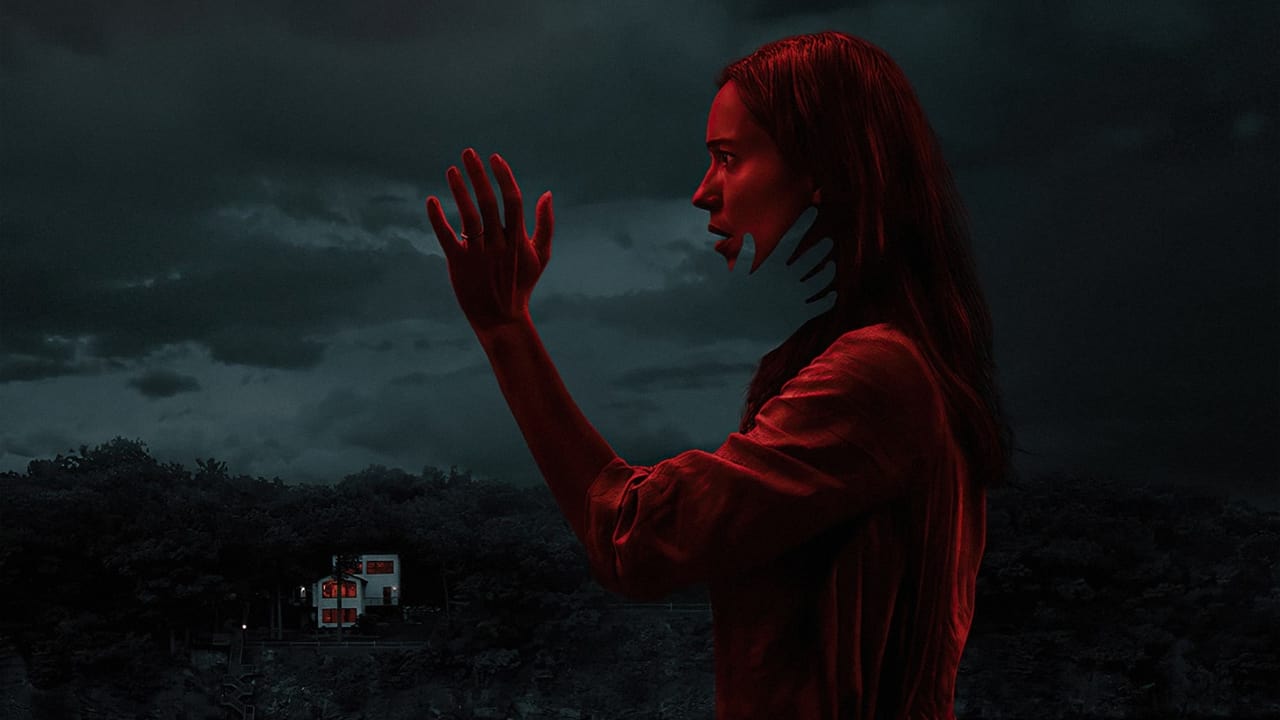
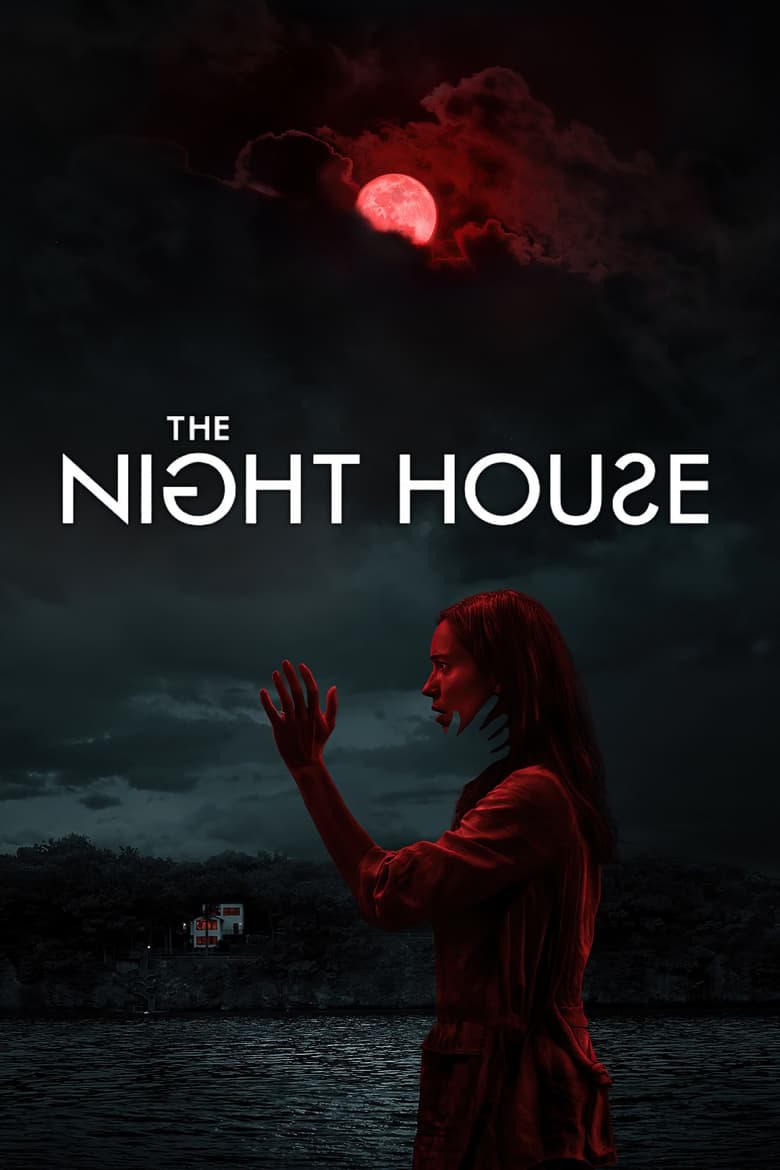
The Night House
“The truth will surface.”
Reeling from the unexpected death of her husband, Beth is left alone in the lakeside home he built for her. Soon she begins to uncover her recently deceased husband's disturbing secrets.
About The Night House
Why The Night House still stands out
Start with a woman left alone in a house she shared with a husband who has killed himself. That’s the set-piece that pulls you into The Night House and keeps the air tight — not because it’s clever, but because it’s painfully, recognisably human.
David Bruckner’s 2021 film gives that premise room to breathe across a compact 108 minutes, and Rebecca Hall’s Beth is the lens through which every uncanny detail becomes personal rather than merely spooky.
Once the domestic cracks appear — Beth rooting through her late husband’s things, friends hovering with worry, and the discovery that the house may have a reverse plan — the movie stops being a simple haunted-house exercise and becomes a private argument about what the dead leave behind.
The idea that sets The Night House in motion
The engine is deceptively simple: Beth survives the most ordinary of tragedies — losing her husband — and then starts to notice things that don’t add up. There’s a sense that the house itself is speaking in a language she doesn’t know yet.
A crucial ingredient is Beth’s own near-death memory: she once flatlined and came back convinced there was nothing beyond. That conviction — and the fact Owen disagreed with it — is the small, bitter bedrock of the film’s unease.
From there the movie introduces a stranger proposition: the force trying to reach Beth uses the dead husband’s voice and likeness. What at first feels like a message from a lost spouse gradually looks like something else entirely.
And when Beth faces the option of staying with that other world, the film answers on human terms: movement away from self-destruction snaps her back to the living, and the people who care for her rush in to help.
Why Beth Parchin matters
Beth Parchin is the kind of lead who makes you pay attention to small domestic tics — the way someone keeps a shelf, or returns a plate. The story funnels everything through her perception, so the audience lives with her suspicion and exhaustion.
She’s not just a vehicle for scares. The film gives her relationships — a worried friend and a neighbour — that occupy the same emotional space as the mysteries she’s trying to solve. Those ties keep the story honest: this is a woman other people care about, not just a protagonist in peril.
Because the film is rooted in loss, Beth matters as an avatar for what grief does: it rearranges memory, opens doorways you’d rather leave closed, and makes the familiar feel foreign.
That centrality is why the character lingers after the credits: the movie asks you to live in her decisions, not merely watch them.
The Night House has more on its mind than the plot suggests
On the surface it's a supernatural thriller. Under the surface it’s glued together by mortality — not as an abstract idea but as the weight a widow carries in daily life.
Supernatural belief in the film is uncomfortable and equivocal: the story asks whether the eerie things Beth experiences are proof of an afterlife, or symptoms of grief and trauma made vivid.
The house itself is clever as a theme. Home and safety are put under pressure; rooms and familiar routes become places where you might encounter the impossible, which makes every creak feel like a judgement.
Loss and courage run alongside those ideas. Beth’s choices — to keep looking, to walk into danger, to refuse a final surrender — turn the horror into a story about holding on, and what people will do to protect those they love.
The Night House could not belong to any other decade
Released in 2021, The Night House sits squarely in the 2020s as a film that treats horror as a quiet conversation rather than a spectacle.
The decade has room for smaller, inward-looking genre pictures, and this movie uses that space to focus on a single person’s interior crisis rather than a sprawling mythology.
Being a 2020s movie means it can ask intimate questions about belief, grief and what we tell ourselves to survive, without needing to justify those questions with blockbuster stakes.
Put simply: its timing allowed a modest, character-first horror to find an audience interested in tone and interiority as much as terror.
What has aged — and what hasn't
The film’s portrait of a woman plumbing her late husband’s belongings and drinking through the night still reads as painfully immediate. That kind of private messiness doesn’t become quaint with time.
The central idea that the home might not be a refuge continues to land. When a house stops feeling safe, the unease is universal and doesn’t need period markers to work.
Some of the film’s revelations about the late husband’s behaviour — gestures that flip a fond memory into something threatening — remain raw. Those beats still pull the rug from under the audience in the same way.
In short: its focus on personal grief and domestic insecurity keeps The Night House feeling modern rather than trapped in any moment.
Why The Night House still matters
People remember this film because it makes grief feel active: Beth isn’t just mourning, she’s investigating. The image of a widow rifling through her husband’s things and being haunted by the aftermath is the kind of plot that burrows in.
The movie also left a few compelling mysteries on the table — an odd suicide note that hints at protection, photographs of women who resemble Beth, and a reverse version of the house — which all combine into a dark puzzle that rewards repeat visits.
There’s a sustained discomfort in the way the husband’s past actions are revealed: encounters with women he photographed, the account of a night that turned violent for one of them, and the discovery of bodies under floorboards. Those elements keep conversations about the film focused on what people will do in the name of cheating something greater.
Finally, the finale’s refusal to turn the story into a melodramatic surrender — Beth choosing not to die and friends rushing in to save her — gives the film a lasting emotional pitch: it’s horrifying, yes, but also stubbornly human.
Does The Night House still hold up?
Yes — if you come for a tight, intimate horror that uses domestic trust as its battleground. The film’s premise (a widow left to puzzle over her husband’s suicide) still provides strong emotional pressure, and the story never forgets to centre Beth in the middle of the fright.
It’s compact — 108 minutes — and that brevity helps. The movie doesn’t bloat its mysteries; instead it layers them: photos, a reversed floor plan, odd purchases from a bookstore, and a final confrontation with something that impersonates the dead to persuade the living to go back.
Those layers add up to more than a series of scares. Themes of mortality, belief and what makes a home safe are threaded through the plot, and the rescuing presence of friends during the climax keeps it from becoming purely nihilistic.
If you’re in the mood for a haunted-house picture that behaves like a grief drama — one where the terror is personal and the choices matter — it’s still well worth a watch.