The Menu
“Painstakingly prepared. Brilliantly executed.”
A young couple travels to a remote island to eat at an exclusive restaurant where the chef has prepared a lavish menu, with some shocking surprises.
About The Menu
What The Menu gets right
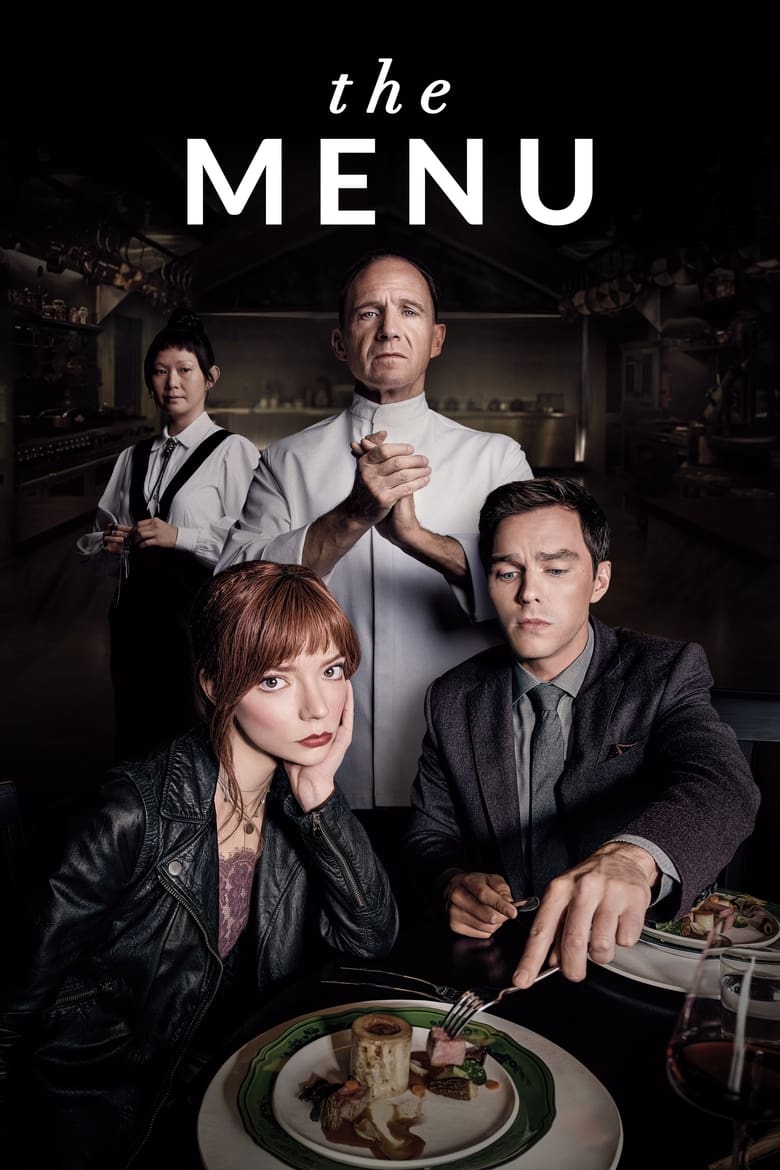
The Menu hooks you with a deliciously specific setup: a wealthy foodie insists on the ultimate dining experience and turns up with a date at Hawthorn, an exclusive restaurant on a private island run by a celebrity chef. You know immediately what kind of film this is going to be — a very civilised pressure cooker — and you’re smiling even as the steam starts to smell faintly of menace.
Mark Mylod directs with a light but unrelenting hand, keeping the story tight (it clocks in at 107 minutes) and the cast focused. The central table is an oddball roll-call — from a blow-dried food critic to wealthy regulars and a washed-up movie star — and their manners are the first course, slowly unravelled as the night progresses. Dinner, in The Menu, is structured like a countdown: Slowik introduces a series of increasingly unsettling courses while the guests' secrets, pretensions and appetites are peeled away. That clarity of idea — an enclosed, escalating performance with human stakes — is what makes the film worth revisiting.
Why Chef Julian Slowik matters
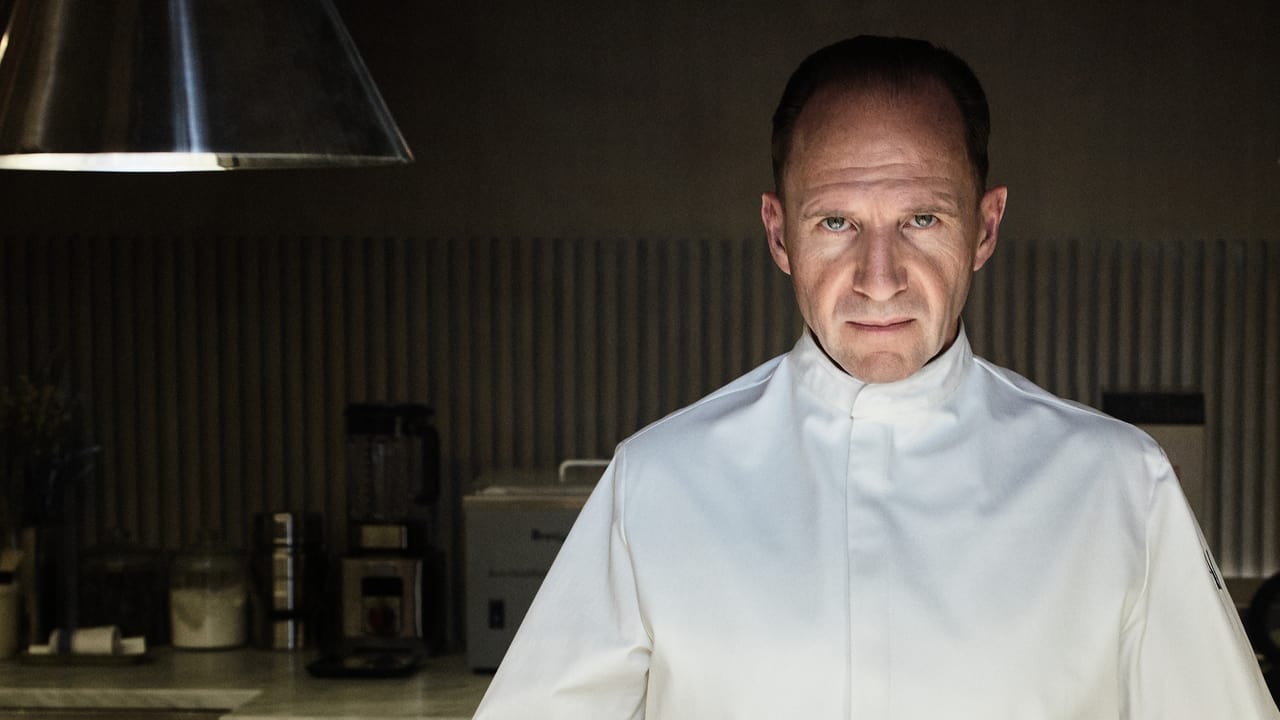
Chef Julian Slowik is the axis the whole movie spins around. He isn’t just a famous cook on a pedestal — he runs Hawthorn, the kind of restaurant that exists to be worshipped by people who adore the idea of being seen to adore it.
Slowik’s guest list reads like a catalogue of those worshippers: a consumptive food critic and her editor, wealthy patrons used to getting what they want, an actor with old fame and a clutch of corporate types connected to his investor. He organises the evening like a sermon, and the sermon is personal.
What makes Slowik memorable is how the film ties him to family and ownership. He’s a figure who’s been both celebrated and constrained by the industry that made him, and those private pressures — the way the world demanded something from him — are the fuel for what he does that night.
There’s also an unnerving detail that tells you everything you need to know about his control: one guest, Tyler, was told in advance what would happen and still arranged the evening, desperate for the experience. That willingness to be complicit in Slowik’s design says more about the chef’s power than any single line of dialogue.
The Menu has more on its mind than the plot suggests
On the surface The Menu is a compact thriller about a lethal dinner service. Peel that back and it’s having fun with three clear ideas: family, greed and freedom. The movie keeps towing you between those concerns while it patiently tightens the screws.
Family turns up in unexpected places — not just in blood ties but in professional lineage and the obligations that come with being taught, shaped or exploited by someone else. The restaurant is an inheritance of taste and trauma, and you can feel the generations in the way the staff and the chef relate.
Greed is the obvious one: the guests are wealthy, entitled and used to consuming not only food but status and stories. The film makes a game of exposing how appetite for prestige feeds appetite for cheap compromises elsewhere — the sort of exchange that corrodes craft.
Freedom is the idea that gives the movie its moral quarrel. Who is allowed to make, to touch, to walk away? In the end The Menu asks whether anyone at the table is truly free, and whether leaving — both literally and figuratively — is worth the cost.
The Menu could not belong to any other decade
Released in 2022, The Menu sits squarely in the 2020s appetite for sharp, satirical thrillers that mix genre thrills with social commentary. It’s a film that uses a contemporary obsession — exclusive experiences and celebrity craftsmanship — as its battleground.
The decade has produced a taste for stories that feel small and intense rather than sprawling and epic, and The Menu is a tidy, ruthless example: a single location, a limited set of players and a concept that does the heavy lifting.
That compactness is very 20s. The film’s blend of black comedy and thriller sensibility fits with other pieces of the era that prefer a clean, clever high concept over slow-burn expansiveness. Put simply: there’s a 2020s confidence in making satire sharp and fast. The Menu takes that confidence and turns it into a fully plotted, enjoyable evening.
What has aged — and what hasn't
The Menu still lands because its stakes are simple and immediate: reputations, pride and survival. The family element — the idea that personal history and professional apprenticeship can be poisonous — hasn’t dated, and it keeps the film emotionally anchored.
Some moments remain shockingly effective. A late confrontation between Margot and Elsa, driven by jealousy and fear of replacement, culminates in violence that still feels bracing; it’s an ugly, human moment that undercuts any neat moralising.
Because the film keeps its scope tight, the central conflicts don’t weaken with time. The moral questions about consumption and control still read well because they are played through concrete relationships rather than abstract polemic.
If anything, the movie’s refusal to sentimentalise its characters helps it age: it asks you to look at selfishness and sacrifice without offering easy redemption, which sits comfortably with a modern audience that prefers sharper edges.
Why The Menu still matters
Part of The Menu’s staying power is its gallery of characters. The film assembles a recognisable, uncomfortable mix — a critic and her editor, wealthy regulars, a faded movie star and his assistant, corporate partners and the chef’s own troubled mother — and uses them like magnets to show what a hyper-curated dining culture attracts.
It stages memorable set-pieces that stick in the memory: a third course that humiliatingly laser-etches guests’ truths onto tortillas, the gutting escalation when a sous-chef’s suicide and a cut-off finger signal the night has become something else, and the dreadful public drowning of an investor who tried to buy influence.
There are quieter but telling details too: Tyler’s willingness to be complicit when he was warned about the evening, Katherine’s stabbing of Slowik after years of harassment, and the odd reward given to the last captured guest — a culinary trophy that feels like a bitter joke. These choices keep conversations alive because they are small, precise and brutal.
And then there’s Margot’s final, simple demand: a cheeseburger to eat on the way out. Slowik boxes it and lets her go. The film ends with the restaurant burned and the question of choice unresolved, but that last image — her on a boat, eating a cheap burger while the world behind her combusts — is the kind of clear, odd note that keeps people talking.
Does The Menu still hold up?
Yes — The Menu is still worth watching. It’s a tight, 107-minute piece of genre craftsmanship from 2022 that knows what it wants to say and says it with surgical confidence. The set-up — a wealthy foodie insisting on the ultimate meal and bringing an unplanned guest — is used to brilliant effect as the evening unravels.
Ralph Fiennes’s chef sits at the centre of the film’s moral geometry, presiding over courses that become verdicts. The movie’s mix of thriller, black comedy and horror keeps the tone lively while the script lands its sharper barbs: the third-course humiliation, the ugly escalations, and the moments where the staff enforce Slowik’s will.
Most importantly, the choices the characters make still matter. Margot’s refusal to play along with spectacle and her simple request for a cheeseburger — which Slowik happily prepares — give the film a human, oddly tender counterpoint to its theatrical wrath. Her exit makes the final blaze feel like a deliberate, theatrical punctuation rather than a messy conceit. If you haven’t seen it, watch it for the idea and the thrills. If you have, it rewards a rewatch: it’s a neat, dark little supper that leaves you chewing over who gets to be fed — and why.