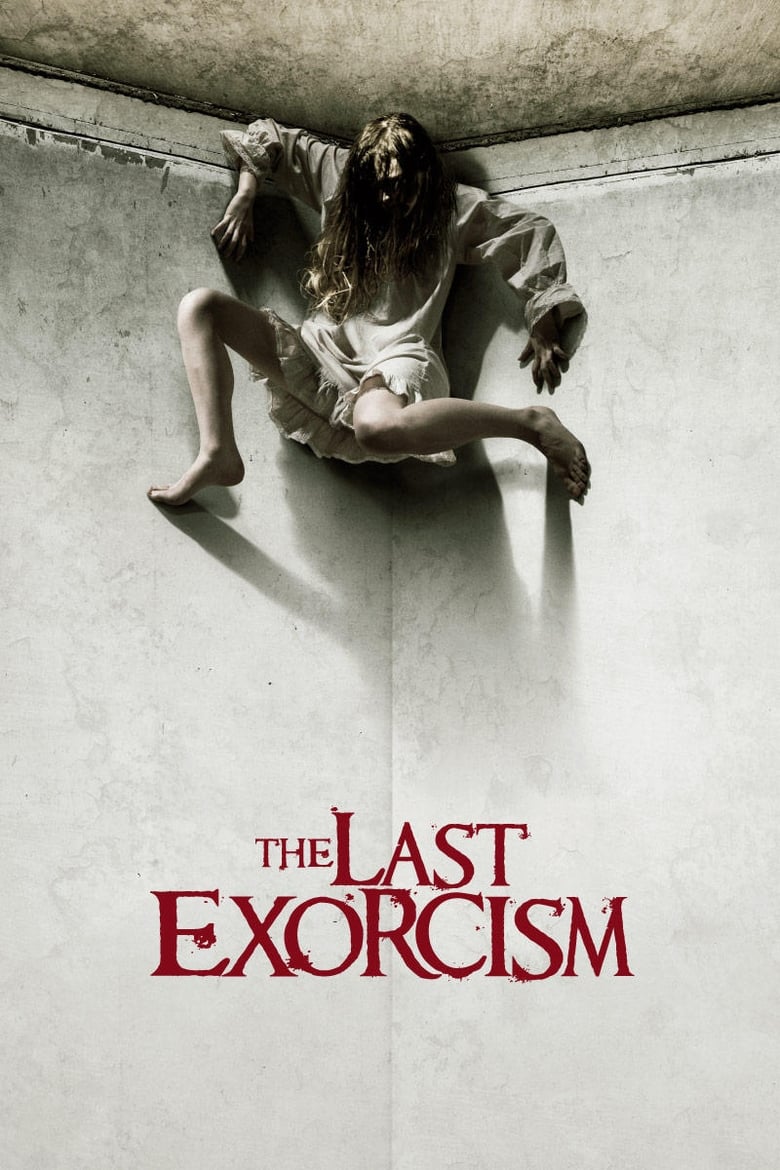
The Last Exorcism
“Believe In Him.”
After years of performing “exorcisms” and taking believers’ money, Reverend Marcus travels to rural Louisiana with a film crew so he can dispel what he believes is the myth of demonic possession. The dynamic reverend is certain that this will be another routine “exorcism” on a disturbed religious fanatic but instead comes upon the blood-soaked farm of the Sweetzer family and a true evil he would have never thought imaginable.
About The Last Exorcism
What makes The Last Exorcism worth revisiting
Picture a reverend who makes a living exposing exorcisms as tricks — and then imagine filming him doing it. That’s the engine of The Last Exorcism, where documentary filmmakers Iris and Daniel follow Cotton Marcus as he tries to show exorcism as a con rather than a miracle.
Directed by Daniel Stamm and clocking in at 87 minutes, the film uses its pseudo‑documentary set‑up to stay lean and unnerving: the camera is almost always close, the story moves fast, and the central performances keep the focus tight on a few relationships rather than a catalogue of shocks. Underneath the scares sit family questions — parental protection, home and safety, and the losses that make people desperate for explanations. Those themes stop the film from being only a gimmick and give the found‑footage format something human to bite into.
The idea that sets The Last Exorcism in motion
The premise is clever and very specific: a minister who specialises in exposing fraudulent exorcisms agrees to be filmed while he works. That simple framing gives the audience an insider’s view of the racket — until the neat explanations start to wobble.
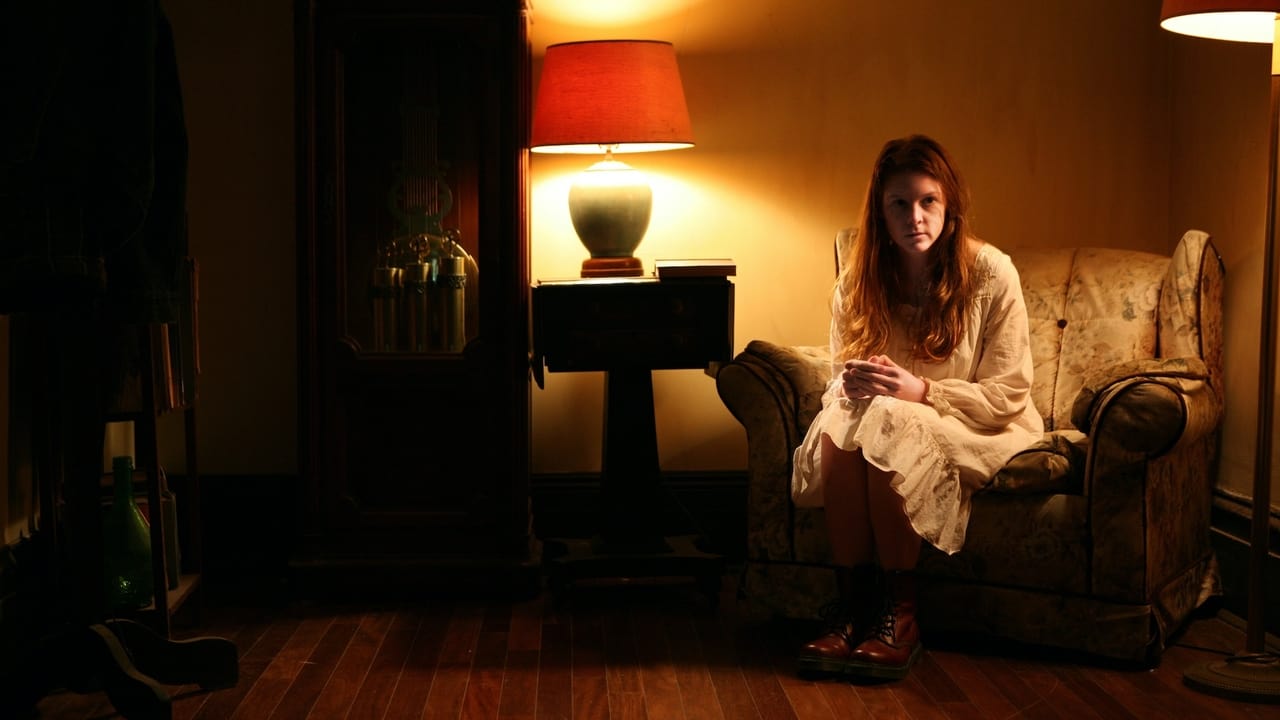
What follows is less a standard possession tale and more a family drama gone violently wrong. When Cotton intervenes with the Sweetzer family, we see a household driven by fear: Louis chains his daughter to the bed after a violent episode, an action that says everything about protection and control without a single speech.
Small discoveries break the surface: the crew meet a boy named Logan and learn that earlier stories about who saw whom don’t add up. Those lies send the filmmakers back to the Sweetzer home and turn a straightforward documentary idea into something with sharper edges.
It’s a set-up that works because it keeps the mechanics of belief on display — shown, not sermonised — and then lets family pressures and secrets do the real work of escalating the tension.
Why Cotton Marcus matters
Cotton Marcus is more than a plot device; he’s the viewpoint that gives the film its shape. The filmmakers choose him because he’s a sceptic with a camera following his work, and that shotgun perspective — preacher plus crew — keeps the story anchored as things start to go wrong.
Early on he stages a fake exorcism and persuades a family it has worked, then walks away thinking the problem solved. That action sets up the central moral tension: a man who treats spiritual crisis as performance finds himself inside a situation that refuses performance‑only answers.
When the stakes climb, Marcus doesn’t simply leave the frame. He offers to try again when the family asks, which pushes him from observer into the role people expect of him — and exposes how messy those expectations are when family loyalty and panic get involved.
His presence matters because he forces the audience to pick a side: the comfort of neat explanations, or the mess of real suffering. The film keeps him in that uncomfortable middle long enough for the consequences to land hard.
The Last Exorcism has more on its mind than the plot suggests
At surface level it’s a possession story. Below that, the film is persistent about family: how parents try to keep children safe, and how that impulse can become ugly or violent when people are afraid.
Parental protection is a repeated note — the chaining of Nell is a bleak, literal example of a family trying to control the uncontrollable. The movie is interested in what people will do when ordinary safety feels threatened.
Loss is threaded through choices and backgrounds, and the question of freedom — who gets it, who is denied it, who takes it — haunts the decisions characters make under pressure. Those themes lift the film out of a one‑note shock piece and make the scares land on human behaviour rather than on spectacle alone.
The Last Exorcism could not belong to any other decade
This is very much a film of 2010: it arrived at the decade’s opening and carries the tidy, concept‑driven approach that marked a lot of early‑10s horror — smart premise, compact running time, and an eye for blending drama with genre.
Saying it is a product of the 2010s isn’t nostalgia. It’s about how the film’s construction — short, sharp and cautious with its reveals — fits the taste of that moment in horror filmmaking.
If you remember the era for horror that liked to make you think as much as it made you jump, this sits firmly in that line.
What has aged — and what hasn't
The Last Exorcism’s core is compact and character‑led, and that helps it age better than many shock‑first horror films. The central idea — a staged exorcism that turns into something more complicated — still reads as a clever narrative hook rather than a cheap trick.
Themes about family and the safety of home still feel sharp. When a parent resorts to chaining a child, the film doesn’t trade on jump scares; it lets the moral awkwardness linger, and that discomfort still plays.
The more violent developments — the murders and abrupt losses the crew experience — remain effective because they’re consequences of earlier choices, not isolated shocks. They underline that the film’s threats are human as much as supernatural.
In short: the emotional engine — families pushed to extremes and a documentarian’s gaze that becomes implicated — is what continues to hold the film together today.
Why The Last Exorcism still matters
People remember The Last Exorcism because it starts with a tidy sceptical premise and then refuses to stay tidy. The filmmakers follow a minister who exposes fake exorcisms, and that frame is part of the film’s lasting tension.
The film takes its time turning domestic unease into outright horror: a supposedly resolved ritual, a daughter showing up ill at a motel, and a hospital that can’t explain what’s happening all make the story creep from plausible to horrible.
It’s the way small, human cruelties — insisting a young woman remained a virgin, chaining her for safety, the revelation of disturbing paintings — stack up that gives later shocks weight. By the time the story reaches its most extreme moments, they feel like the culmination of a chain of failures, not arbitrary set‑pieces. Those final escalations — the birth of something inhuman, the symbolic violence against that child, and the crew paying the price for having looked too closely — are what people recall. The movie’s memory lives in the way it links belief, family duty and terrible outcomes.
Does The Last Exorcism still hold up?
Yes — with a small rider. If you want sprawling mythology or a horror that trades endlessly on effects, this isn’t the film for you. But if you like a tight idea followed until it becomes ugly and inevitable, The Last Exorcism still does the job.
The film’s framing — filmmakers documenting a reverend who debunks exorcisms — gives it a moral engine that matters. Watching a man who stages cures convince a family and then face the fallout keeps the story urgent, and the questions it raises about parental protection and home remain readable today.
It helps that the film doesn’t overstay it. At 87 minutes, Daniel Stamm keeps things compact and propelled. The narrative moves from scepticism to crisis to an extreme climax in a way that still lands hard: the motel shock, the hospital’s blank explanations, and the final desperate choices all add up.
If you’re curious about a found‑footage horror that keeps its eye on family and consequence, give The Last Exorcism another watch. It’s short, sharp and will remind you that the scariest thing a horror can do is turn people’s fear of failure into real horror.