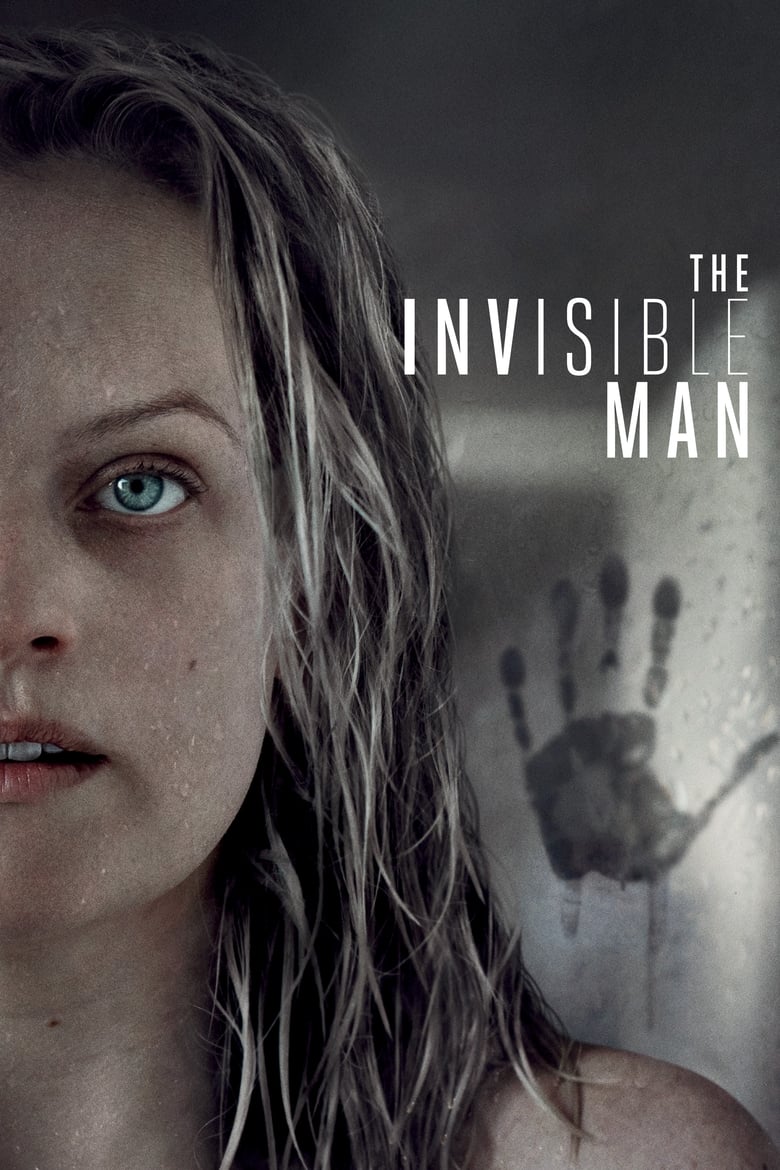
The Invisible Man
“What you can't see can hurt you.”
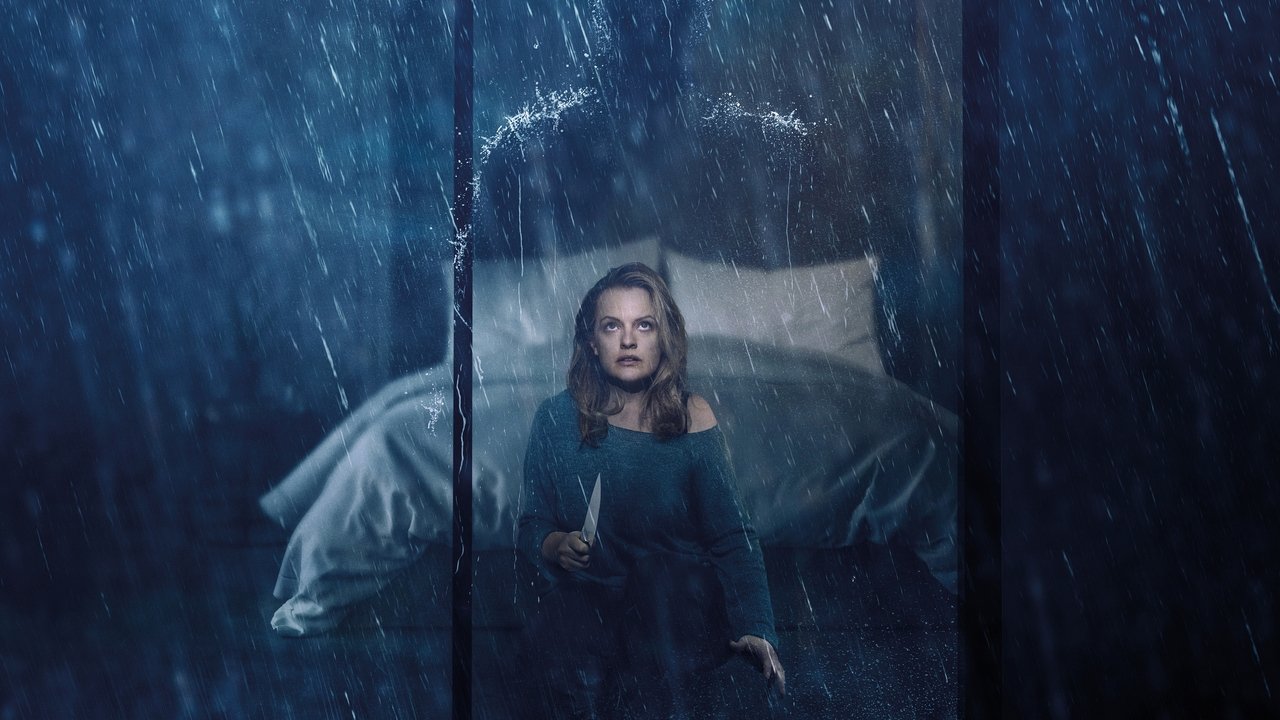
When Cecilia's abusive ex takes his own life and leaves her his fortune, she suspects his death was a hoax. As a series of coincidences turn lethal, Cecilia works to prove that she is being hunted by someone nobody can see.
About The Invisible Man
Why The Invisible Man still stands out
There are plenty of horror films that reach for spectacle. The Invisible Man is quieter than that — and sneakier. At its centre is Cecilia Kass, stuck in a relationship with Adrian Griffin, a wealthy optics engineer whose control is more technological than theatrical. That basic setup gives the movie a particular edge: this is domestic terror with a science‑fiction twist.
Leigh Whannell directed and wrote the movie, and it landed in 2020 as a compact, 124‑minute thriller that prefers tension to noise. From its opening, the film stakes are personal: escape isn’t an endpoint, it’s the beginning of a new kind of danger. Beyond the jump scares and the plot mechanics, The Invisible Man trades in a few clear ideas — freedom, the safety (or violation) of home, and the constant small terror that something unseen can undo your life. That blend is what makes the film feel like more than just a modern update of a monster story.
The idea that sets The Invisible Man in motion
The opening engine is straightforward: Cecilia escapes an abusive relationship and vanishes from the man who controlled her life. Two weeks later the world hears that Adrian Griffin has killed himself. That news should be the end of it. Instead it’s the start.
After the alleged suicide, strange things begin to happen around Cecilia. Small, unnerving intrusions — a missing portfolio at a job interview that sends her fainting, unexplained incidents at the house — pile up. People she trusts, like the detective James Lanier, keep insisting she’s traumatised and prone to paranoia. The film uses that doubt to make the audience squirm with her.
Suspicion turns into a practical problem: Cecilia thinks someone is still attacking her, and at one point she physically tries to trap whatever is there. The movie lets the premise do the heavy lifting — escape is necessary, but it doesn’t buy her safety, and every ordinary space becomes suspect.
That tension finally pushes Cecilia into a direct confrontation. She engineers a meeting designed to force a confession, and a single word spoken across a table flips the agreement into a new kind of showdown. What started as a woman fleeing violence becomes a test of proof, perception and who gets to be believed.
Why Cecilia Kass matters
Cecilia Kass is not a stock scream‑queen. She is a woman whose life has been quietly governed by someone else’s intellect and wealth: Adrian Griffin, an optics engineer and the founder of a tech company. The story opens with her making a brutal, practical decision — drugging him and running — and it’s that combination of cleverness and survival instinct that defines her.
After the escape she takes refuge with people from her past: James Lanier, a detective, and his daughter Sydney. The film places Cecilia inside a network of family and friendship, which matters because the stakes are domestic as much as physical. Her fight isn’t to save the world; it’s to keep a life that’s small and ordinary.
Cecilia’s situation also forces the audience to live with ambiguity. She becomes convinced Adrian staged his death and has found a way to stay invisible in order to torment her. Other characters — including Tom, Adrian’s brother — try to persuade her to accept a different story. Those clashes make Cecilia’s choices feel complicated and real: survival, reputation, family, and who will be believed all pull at her.
Crucially, Cecilia refuses simple surrender. Even when offered a way out that asks her to return to the person who harmed her, she keeps pushing for the truth. That insistence is what makes her more than a plot point: she’s the centre of the film’s moral weather.
The Invisible Man has more on its mind than the plot suggests
On the surface it’s a horror thriller about a supposedly dead man who keeps showing up. Underneath, it’s interested in freedom — not as a cinematic flourish but as something fragile and hard won. Cecilia’s escape is freedom in the narrow, immediate sense, and the film keeps asking what comes after you run.
Closely linked to that is the idea of home and safety. The movie takes ordinary domestic spaces — a bedroom, a car, a childhood friend’s house — and makes them potential traps. That’s where fear sits: in the places you should be able to close the door on trouble.
Fear in The Invisible Man is less about monsters and more about the dread that someone with authority and technical know‑how can manipulate reality around you. Mortality and authority are quietly present too: the threat is both intimate and systemic, carried by wealth, expertise and the legal systems people try to use for escape or protection. Family and parental protection also thread through the story. Cecilia’s relationships — with her sister, with James and his daughter — give the film emotional ballast. The risk is not abstract; it’s about people and the ones you would hurt to keep safe.
The Invisible Man could not belong to any other decade
The film arrived in 2020, right at the start of the decade it now lives in. That timing matters: it’s a 2020s movie in the sense that it folds technological knowledge into a domestic horror story.
Being a film from 2020 lets it speak to anxieties about expertise and invisibility as a modern, engineered problem, rather than an old supernatural one. The idea of technology being used to control or erase someone feels distinctively of this moment.
So while The Invisible Man pays homage to a classic premise, its particular concerns — a tech‑savvy abuser, legal ambiguity, and the difficulty of proving unseen harm — make it feel of its decade rather than simply a remake.
What has aged — and what hasn't
The film’s core — a woman escaping an abusive, controlling partner — plays as sharply today as it did on release. The domestic angle and the way the story keeps danger inside supposedly safe spaces still land, because those are human experiences rather than style choices.
Key plot mechanics, like Cecilia hiding with James and his daughter, or the discovery that Adrian may have staged events to look like suicide, continue to make the drama immediate. The idea that expertise can be weaponised — she suspects Adrian used his optics knowledge to torment her — still reads as a smart twist on an old monster story.
Some of the film’s darker exchanges also remain uncomfortable in a useful way: offers that would trade dignity for safety, or legal manoeuvres that ask survivors to return to abusers, feel uncomfortably plausible. These moments keep the movie from being mere genre fun; they make it feel relevant.
Where it’s aged less successfully is when the plot leans on courtroom confusion or the practical contrivances of proving an invisible antagonist. But even then the emotional spine — fear for one’s home and family — keeps the film grounded for a modern viewer.
Why The Invisible Man still matters
The film sticks in the head because it translated an old monster into a domestic dilemma: a wealthy, brilliant man whose control extends beyond the grave. Cecilia’s escape and the subsequent claim that Adrian killed himself set up something that feels more like a legal and emotional puzzle than a simple chase.
It also matters because the stakes are close to home. Cecilia hides with James and Sydney; the threats are to family and the people who shelter her. The movie keeps returning to the idea that technology or expertise can be used to erase someone’s evidence and gaslight them out of credibility.
Several set pieces underline that point — the moments where Cecilia realises she’s being framed, the instances that make her seem unstable, and the discovery that there may be an invisible suit involved. Those beats turn the thriller into a story about who gets believed, and what someone will do when institutions don’t protect them. Finally, the film’s ending — where Cecilia takes decisive action to close the loop on her torment — leaves a specific, morally complicated image in the mind. It’s not a tidy justice; it’s a form of agency that fits the film’s world. That unresolved, sharp‑edged conclusion is part of what keeps the movie in conversation.
Does The Invisible Man still hold up?
Yes — with a clear caveat. If you want a modern horror that uses a familiar premise to talk about control, home and credibility, this still lands. The film’s engine is simple: a woman who fled an abusive man finds that escape doesn’t end the abuse, because the menace can be hidden in plain sight.
Leigh Whannell directs a tightly plotted, 124‑minute thriller that keeps the focus on Cecilia and the people she trusts. Facts of the plot — from the apparent suicide to the discovery that something technological may be behind the torment — are all part of a design that keeps the tension personal rather than epic.
There are moments where the plot asks you to suspend disbelief about evidence and legal wrangling, and the film isn’t pretending to be a courtroom procedural. What it does well is preserve the emotional reality of fear and the difficulty of proving harm when perpetrators have power and expertise.
So should you watch it now? Absolutely, if you’re after a horror movie that trades in domestic dread and a believable moral knot. It’s not simply an effects showcase; it’s a film about someone refusing to be erased — and that refusal is, in the end, what gives it its particular bite.