The Howling
“Imagine your worst fear a reality.”
After a bizarre and near fatal encounter with a serial killer, a newswoman is sent to a rehabilitation center whose inhabitants may not be what they seem.
About The Howling
What makes The Howling worth revisiting
The Howling opens in the wreckage of something private: Karyn Beatty is attacked at home, loses her pregnancy and is left seriously shaken. Instead of the city or a hospital, the suggested cure is the country — a secluded mountain village called Drago where quiet is supposed to equal safety.
That promise of calm is what gives the film its teeth. Karyn keeps hearing a strange howl from the woods, and her insistence that something is wrong drives a wedge into her marriage. Roy drifts into an affair; the relationship that was meant to be repairable starts to feel fragile and expendable.
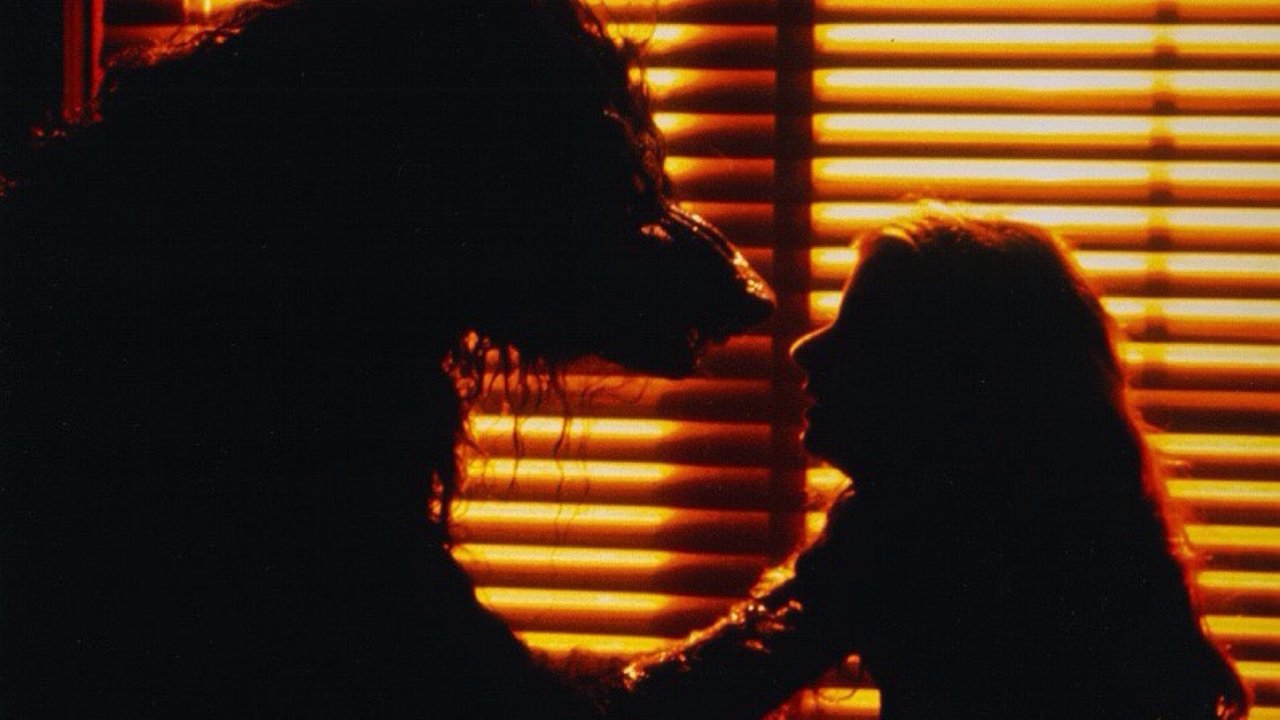
And then the domestic cracks become violent. Roy is attacked on his way home and, bit by a large black werewolf, is changed. Karyn finds herself trapped in a town that isn’t what it seems, calls for help, and watches the tidy idea of refuge collapse into flames as she and a friend fight to escape while the howl still echoes.
The Howling has more on its mind than the plot suggests
On the surface it’s a werewolf shocker, but the movie keeps coming back to the idea of home and safety. Karyn isn’t merely fleeing physical harm; she’s trying to rebuild a life that suddenly feels unmoored.
Family is threaded through that unease. The couple’s attempt at a fresh start, and the way their relationship frays, turns the threat into something intimate — it isn’t just a town that’s dangerous, it’s the relationships supposed to protect you that start to fail.
There’s a love-contest going on, too: what do you give up for peace? Roy’s affair is a small, human betrayal that sits alongside the larger, supernatural betrayal of a community that masquerades as refuge.
And under all of it is a wish for freedom — from trauma, from fear, from the past. The Howling frames its terror around those basic human longings, which is why it feels more than a catalogue of scares.
The Howling could not belong to any other decade
Released in 1981, The Howling sits at the very start of the 1980s — a time when horror was happy to strip ordinary life of its comforts and show how quickly things could turn dangerous.
Joe Dante’s film wears that era lightly: it’s compact, brisk and willing to pivot from small domestic anxieties to full-blown menace without wasting time. That economy of storytelling feels very much of the period.
Put simply: as an early-80s movie, it trades in the decade’s appetite for mixing the familiar with the grotesque, the sort of picture that makes your living room look suddenly precarious.
What has aged — and what hasn't
There’s material here that hits harder now than it might have back then. Karyn’s assault, miscarriage and breakdown are still serious, difficult subjects — the movie doesn’t paper over their consequences, and that weight gives later events a sharper edge.
The basic idea of a safe rural retreat turning out to be a lie is a concept that still lands. The repeated howling from the woods — simple as it is — keeps the tension alive because it undermines the promise of home and quiet.
Some elements are plainly rooted in the era, but the core emotional business — a family trying to recover, a partner drifting away, the fight to escape a corrupted sanctuary — plays today. Those choices keep the story relatable even when its trappings feel dated.
And the moment of physical violence — Roy’s attack on the road that changes him — still provides a clear, jolting pivot from domestic worry to outright horror, which modern viewers can recognise as the point where the stakes become immediate.
Why The Howling still matters
People remember The Howling because it takes ordinary, recognisable things — a marriage, a move to the country, the hope of recovery after trauma — and quietly twists them into sources of dread. Karyn’s attack and the decision to leave Los Angeles for Drago are the film’s hinge points.
That tension between friendly hospitality and hidden danger is the kind of storytelling that sticks in the memory: the village seems pleasant until the noises start, and the idea that everyone around you might be complicit is an unnerving image to carry home.
There are memorable betrayals on both small and large scales: Roy’s drifting into an affair, his subsequent attack and transformation, and the reveal that the town is populated by werewolves all combine personal heartbreak with outright horror.
Finally, it’s the way the ending refuses to be tidy that lingers. Even after fire sweeps the town and the protagonists flee, the howl continues in the distance — a neat, stubborn refusal to let the terror be fully extinguished.
Does The Howling still hold up?
Yes — with reservations. The Howling is a tight, 91-minute werewolf movie from 1981 that knows what it wants to do: unsettle the idea of home and make the audience care about real relationships before unleashing the horror. That setup still gives the scares weight.
If you want a glossy modern reboot, this isn’t it. But if you’re after a film that makes fear feel personal — a wife recovering from trauma, a marriage that frays, a community that betrays its promise of safety — The Howling handles those beats with economy and clarity.
The night-time attack that turns Roy, the discovery that Drago’s residents are not what they appear, the improvised rescue with silver bullets, and the final escape through fire all add up to a satisfying emotional and narrative arc. And that lingering howl at the end is a neat, unsettling punctuation.
So watch it for the way it turns ordinary life into something menacing, and for a concise, committed werewolf story that still knows how to make ‘home’ feel precarious.