
The House by the Cemetery
“You may have just mortgaged your life.”
After a doctor kills his mistress and himself while researching the mysterious previous owner of his Boston home, his colleague, Dr. Norman Boyle, takes over his studies and moves his family into the Boston mansion. Soon after, Boyle's young son Bob becomes plagued by visions of a young girl, who warns him of the danger within the house.
About The House by the Cemetery
What makes The House by the Cemetery worth revisiting
The movie opens like someone has cut straight to the worst phone call you can imagine: a woman goes into an abandoned house looking for her boyfriend and the situation very quickly becomes terminal. That bluntness — no slow-burn coyness, just immediate unease — is Fulci’s first argument for attention.
Then the film pulls the rug out from under the cosy family picture. Dr Norman Boyle brings his wife Lucy and their son Bob to a run-down mansion in New Whitby, Massachusetts so he can study old houses. It’s a tidy premise — family moves to a new place for work — and one that Fulci turns into something stubbornly uncomfortable.
At just 81 minutes, Fulci doesn’t linger for niceties. He sets up a domestic situation (Lucy Boyle is the family’s centre), drops in grotesque evidence that the house is wrong, and asks the audience to sit in the same room as that growing sense of breach. That mix of home life and horror is why the film still gets noticed.
The idea that sets The House by the Cemetery in motion
The film gives you two openings: a gruesome, fast one — the woman who goes into an abandoned house and meets a violent end — and then a calmer domestic one, with the Boyles arriving at Oak Mansion. Those two starts tell you everything you need: this is a movie that will keep pulling polite domestic life into the gutter.
Dr Norman Boyle’s reason for staying is simple and practical — research into old houses — which is the perfect ordinary excuse for remaining in an extraordinary place. The premise works because the reason to stay is believable, and that’s what keeps the danger feeling personal rather than merely sensational.
But Fulci is keen to remind you the house is not welcoming: the family are unsettled and, when they try to get another property, the real estate office says it will take days before they can be moved. That enforced stay is the engine of the story — being stuck is where horror becomes intimate.
Why Lucy Boyle matters
Lucy Boyle is the emotional fulcrum. She’s the parent doing the sensible things — packing, worrying, trying to keep her family together — and that ordinariness is what makes the horrors attached to the house cut deeper.
We see the world through the family’s practical problems: when the household panics they try to leave, and Lucy is part of that impulse. The film keeps returning to family logistics — babysitters, keys, photographs — and Lucy often stands in for all the small, sensible decisions that only matter until they don’t.
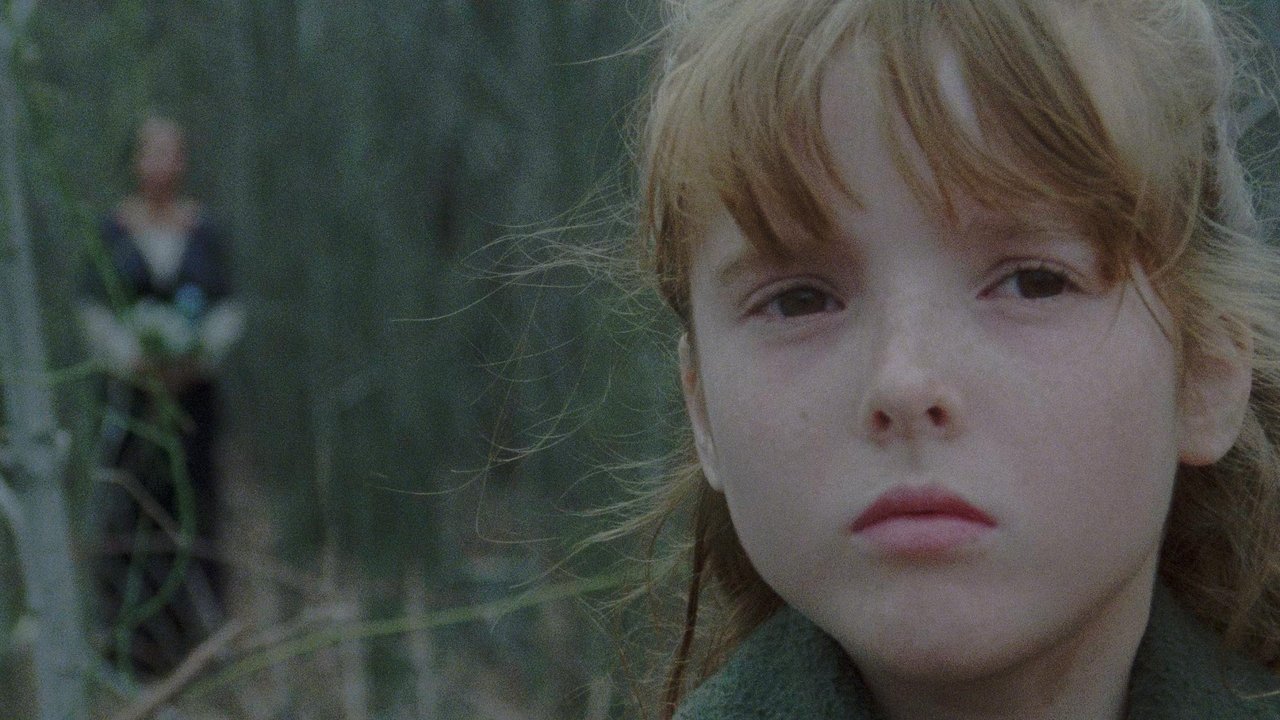
There’s also a quieter visual moment that helps define her importance: as the family unpacks a photograph of a girl staring out from a window, it’s Lucy’s domestic life that collides with whatever history the house carries. That collision is the movie’s emotional currency.
In short: Lucy matters because she is the one who makes the house’s threat matter. The danger is never abstract while she’s keeping a household together — it’s immediate, about the people around her and the life they try to preserve.
The House by the Cemetery has more on its mind than the plot suggests
At face value it’s a house-with-rot and a walking corpse. Underneath, the film is stubbornly domestic: it’s about family, the idea of home, and the surprising fragility of both. Fulci keeps bringing you back to ordinary family business — unpacking, photographs, finding a babysitter — then shows how easily those routines can be upended.
Home and safety are presented as provisional. The Boyles arrive seeking shelter and research; instead the house slowly reveals itself as a place that remembers other people’s deaths. That mismatch — domestic expectation versus malignant history — creates the film’s persistent unease.
Mortality also creeps through the film in blunt ways. There’s no abstract meditation; death arrives in knocks, in locked cellar doors, and in the disgusting practicalities of what the old surgeon used to do. It’s a film that repeatedly reminds you that safety is not guaranteed.
Put together, these concerns mean the scares land as something more than spectacle. They attack the things people actually care about: their children, their routines, and the trust that a house will be a house.
The House by the Cemetery could not belong to any other decade
Released in 1981, the film sits at the hinge of horror’s appetite for escalation. It arrives early in the decade but already embraces a bolder register: less coy atmospheric dread, more plain confrontation.
That timing matters because the movie treats domestic life and extreme violence as compatible neighbours — a pairing that became a familiar shorthand in early ’80s horror. Rather than being an exercise in style, Fulci uses that energy to keep the threats close to the family.
So while you can file it under the decade’s horror output, it’s not a nostalgia piece in the sense of fashion or music. Its claim on the era is thematic: the early ’80s appetite for pushing boundaries and making horror personal is baked into how the story is organised.
What has aged — and what hasn't
What still works is the family axis. The simple, believable reason the Boyles stay — Norman’s research, the delay on rehousing — keeps the jeopardy rooted in real decisions. Modern viewers can still recognise that slow, bureaucratic stuckness; it doesn’t require nostalgia to feel plausible.
The photograph of the girl at the window is a neat, enduring image: small, plain, and quietly menacing. It’s the kind of detail that lodges in the mind because it links the family’s present to the house’s past without explaining everything.
Where the film might trip for contemporary viewers is in its refusal to be coy about bodily consequence. The story frequently foregrounds damaged flesh and surgical decay as literal facts of the plot. If you’re put off by graphic physical detail, the movie makes no attempt to apologise.
But if you accept that choice, the underlying setup — a family, a questionable house, and the slow collapse of safety — still reads cleanly. The film’s economy helps: at 81 minutes it never overstays its welcome.
Why The House by the Cemetery still matters
There are a few unmissable moments that explain why the film lingers in people’s heads: abrupt, violent set-pieces where the house’s history literally reaches out and interferes with ordinary life. Those shocks are not decorative; they’re the movie’s way of insisting that the past won’t stay buried.
The Boyles’ move into Oak Mansion — a property in poor condition — anchors the film in a recognisable anxiety: how do you protect the family when the shelter itself is suspect? Fulci repeatedly returns to that tension, so the horror feels like a violation rather than a spectacle.
The basement discoveries — mutilated bodies, surgical tools and the truth about Dr Jacob Freudstein — give the story a grisly rationale. The living corpse element, and the idea that the old surgeon sustains himself in monstrous ways, is the grotesque engine that drives the final collapses of safety.
Finally, the film’s closing gestures — the childlike sobbing from below, the impossible pull toward another world — combine the home-invasion horror with a kind of mournful haunting. That mixture of family worry and uncanny persistence is the reason the movie still turns up in conversations about unsettling domestic horror.
Does The House by the Cemetery still hold up?
Yes — if you want a compact, unnerving piece of domestic horror that doesn’t sugarcoat its nastiness. The House by the Cemetery runs for 81 minutes and knows what it is: a Fulci horror that keeps the family at the centre while steadily removing their safety nets.
Catriona MacColl’s Lucy Boyle is worth watching because she’s the reasonable human measure of the film’s stakes; when she discovers worrying things — like the bloodstain that a babysitter awkwardly avoids explaining — the ordinary becomes fraught in a way the story trusts the audience to understand.
There are moments designed to shock and moments intended to unsettle: locked, nailed cellar doors, sudden violence in rooms that should be safe, the discovery of a corpse surgeon who won’t stay dead. If that mixture appeals, the movie still delivers.
If you prefer horror that stays polite or metaphorical, this won’t convert you. But as an exercise in home-as-threat, and as a short, sharp Fulci entry from 1981, it’s worth a watch — provided you’re ready for its particular brand of brutality and its insistence that some houses keep the dead very close.