
The Gate
“Pray it's not too late.”
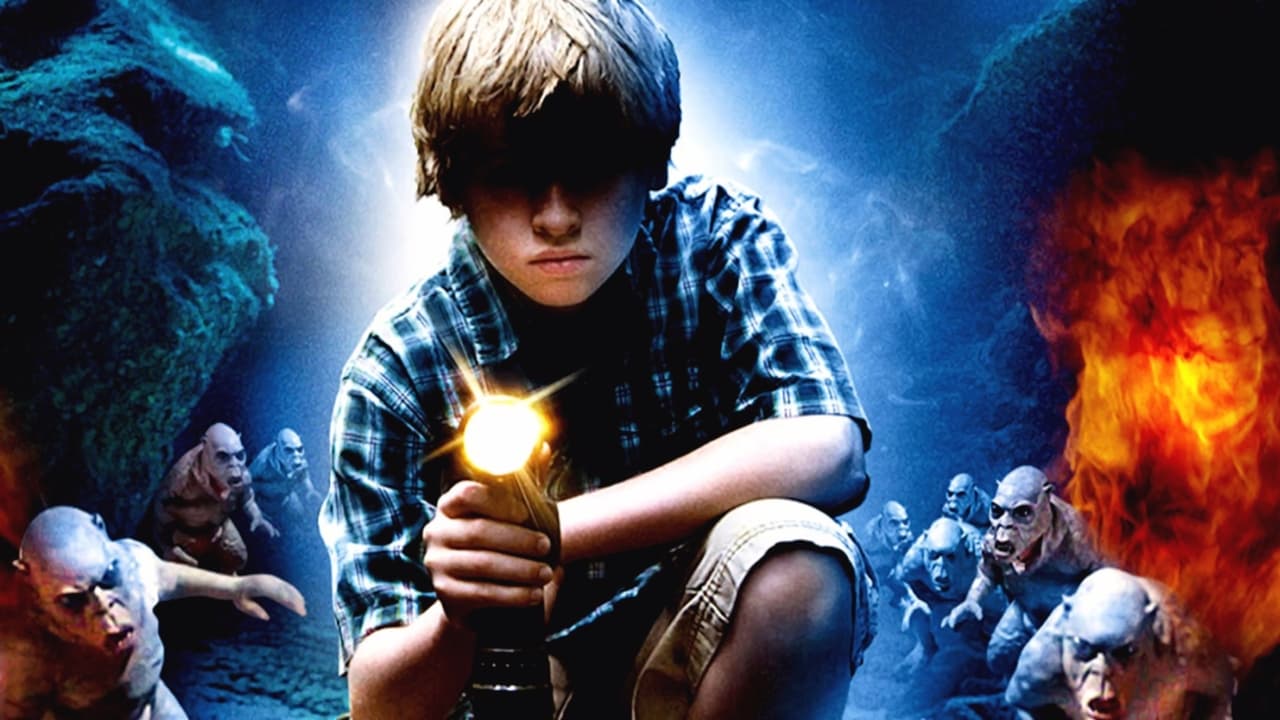
Three young children accidentally release a horde of nasty, pint-sized demons from a hole in a suburban backyard. What follows is a classic battle between good and evil as the three kids struggle to overcome a nightmarish hell that is literally taking over the Earth.
About The Gate
What The Gate gets right
Start with a child’s nightmare, then make the nightmare bleed into daylight. That’s the engine The Gate runs on: Glen wakes screaming from a vision of his tree-house struck and ruined, and minutes later the very tree is cut down, revealing a mysterious geode in his own backyard.
Tibor Takács keeps the story tight — eighty-five minutes of escalating weirdness — and trusts that a small group of kids can carry you through grotesque set-pieces and domestic dread. Stephen Dorff’s Glen sits at the centre of it; the film leans on his panic and curiosity rather than a parade of adult explanations.
What makes it worth revisiting is how those small, human pieces — sibling responsibility, mateship, a scraped hand that leaves a smear of blood — are asked to hold the weight of something supernatural. When the kids open the geode and speak the lines that summon trouble, the movie turns the family home into the front line.
The idea that sets The Gate in motion
The simplest way in: while Glen’s sister Al hosts a party, Glen and his older friend Terry break open the geode they found in the yard and discover writing inside. They read it aloud — and the problem starts.
For a moment the kids think they’ve fixed things. After reciting a section that should have closed the gateway, they see the hole sealed and breathe easy. That brief, mistaken relief is exactly what the film needs; it lets the next shocks arrive in a house that’s already acting normal again.
But the backyard keeps telling a different story. When Al volunteers to check outside she’s called back because the hole is crawling with small demons — the consequences of curiosity are immediate and domestic, not remote or abstract.
Why Glen matters
Glen is the film’s emotional compass. He begins as a twelve-year-old who’s been frightened awake by a nightmare and ends up having to make literal, dangerous choices to protect the people he cares about.
The movie keeps his problems small and recognisable — a splinter that bleeds, parents who leave town and a teenage sister put in charge — then turns those ordinary details into leverage. The backyard geode, the levitation during a party game, the moments when a beloved pet becomes central to what’s happening: all of it funnels through Glen’s point of view.
That’s useful because the stakes are both personal and mythic. Glen is forced to understand that his friends and family don’t exist merely as story props; they’re the sacrifices or the salvation he might lose or save. When he realises that two people could complete the ritual, the plot’s big horror becomes heartbreak on a human scale.
And crucially, Glen is the kid with the rocket. That small, almost childish object — a birthday present — ends up feeling like something bigger: a tiny piece of light to aim at a very big darkness.
The Gate has more on its mind than the plot suggests
On the surface it’s a horror movie about a hole in the garden and the beasts that slither out. Underneath it’s occupied with family — the burden and protection of kinship — and what happens when the place you expect to be safe is violated.
Home and safety are literal targets here: the house, supposedly a refuge, becomes a theatre for invasion, so every creak feels personal rather than merely atmospheric. That’s where the film’s emotional bite comes from.
There’s also a running question about belief. The kids confront ritual and incantation with a mix of playfulness and terror; childhood curiosity and superstition lead to real consequences, which gives the film a strangely tender moral core.
And friendship matters. Glen and Terry’s partnership, and Al’s responsibility for the younger boy, turn the supernatural into something negotiated among people rather than something to be explained by adults.
The Gate could not belong to any other decade
Released in 1987, The Gate wears its decade plainly in the way it lights small-town suburban dread through a teenage lens. There’s an appetite in that period for mixing childlike viewpoint with genuinely dark ideas — a refusal to keep kids safely away from the nasty stuff.
The film’s timing matters because it trusts adolescent agency: kids find a strange object, read from a book, and the adults are away or compromised. That energy — the young taking on big, almost mythic threats with whatever’s at hand — is very of its time.
It’s also a compact kind of storytelling the decade nurtured: tight, economical and willing to let practical props and simple set-ups carry the mood. The Gate is a neat example of that short, sharp late-80s horror run.
What has aged — and what hasn't
The core fears — a child’s nightmare coming true, a home invaded — don’t lose their teeth with time. Those beats are simple, and simplicity helps: when a film’s central units are recognisable human situations, they keep landing.
Family dynamics in The Gate still feel readable. The idea that parents can be absent and a teenager suddenly becomes the adult in the house remains a believable pressure-cooker, and it gives the supernatural material something immediate to react against.
Friendship, too, keeps its hold. The movie’s decisions lean on what kids owe each other: loyalty, protection, and sometimes the terrible price of curiosity. That basic human core tends to travel well.
What may feel more dated is how quickly plot mechanics are accepted — an incantation read, a hole assumed closed — but the emotional consequences for the characters still play. In other words: the scares keep working because the people in front of them still feel real.
Why The Gate still matters
People remember The Gate because it combines domestic detail with outright weirdness in memorable sequences: the levitation at a party, spectral visitations, and the idea that a backyard hole can become the entryway for ancient forces.
Small moments lodge in the memory — the discovery of the geode, Angus the dog becoming entangled with the plot, and the moment the boys try to undo what they’ve done with texts both arcane and, later, Biblical. Those touches keep the film feeling lived-in rather than purely schematic.
There’s also an effective blend of childish objects and mythic stakes. The rocket Glen gives Al for her birthday turns into an emblem — something ordinary transformed into a last-ditch weapon against something monstrous — and that image tends to stick with viewers.
Finally, the personal consequences remain sharp: a construction worker’s corpse pulled through a wall and the desperate fear of how to explain the wreckage to real parents keep the movie grounded. It’s horror that remembers to be about the people who survive it.
Does The Gate still hold up?
Yes — if you’re after a short, watchable horror that treats kids as agents rather than victims. The Gate is economical: it sets Glen’s nightmare and a yard-shafted geode in motion, then leans into consequences without dawdling. That economy still feels refreshing.
It’s not trying to be profound. What it does is simple and effective: small domestic details (a splinter, a sister left in charge) become the texture that gives the supernatural stakes something to bite. When the house starts to fall apart, you care because these are people you recognise.
If you want slick modern effects or a convoluted mythology, this isn’t for you. But if you appreciate horror where friendship, family pressure and a child’s resourcefulness actually matter, The Gate still delivers. Glen, Al and Terry’s decisions are what make the movie feel alive.
So watch it for the way ordinary things are turned into weapons and threats: a backyard hole, a battered Bible, a birthday rocket. It’s a reminder that sometimes the scariest idea is not the monster itself but what it does to the people who love one another.