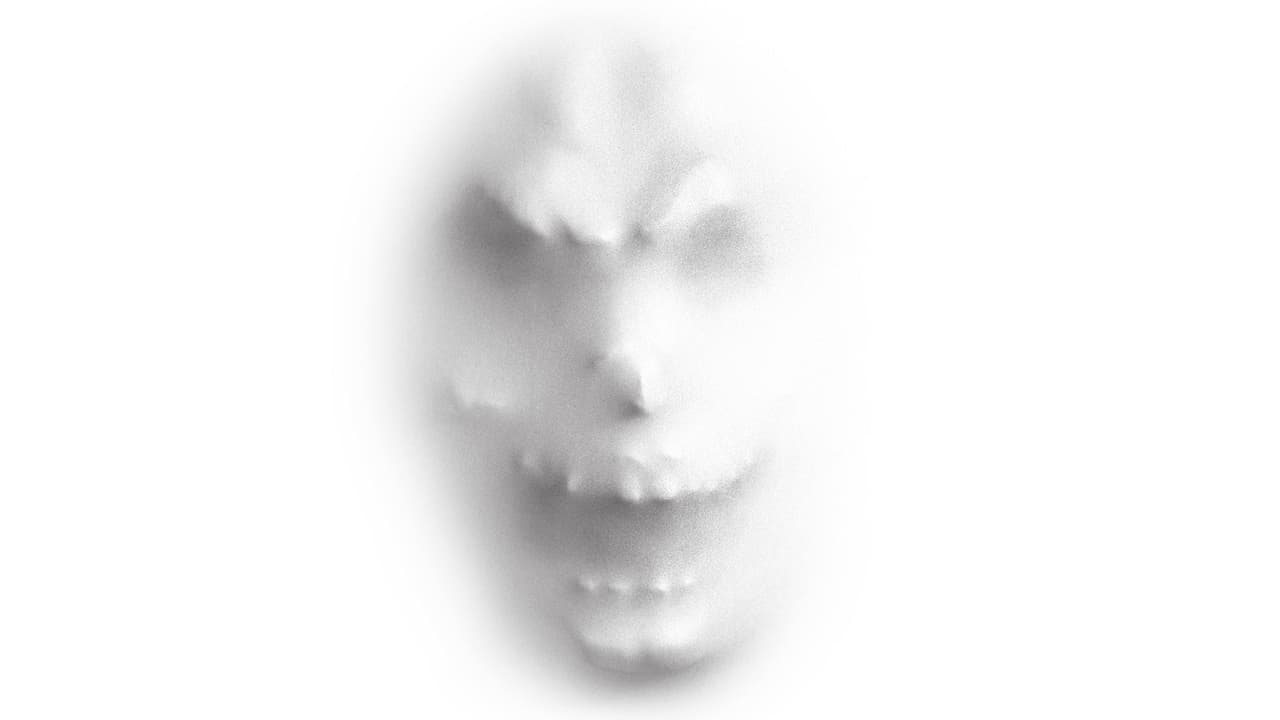

The Frighteners
“No rest for the wicked.”
Once an architect, Frank Bannister now passes himself off as an exorcist of evil spirits. To bolster his facade, he claims his "special" gift is the result of a car accident that killed his wife. But what he does not count on is more people dying in the small town where he lives. As he tries to piece together the supernatural mystery of these killings, he falls in love with the wife of one of the victims and deals with a crazy FBI agent.
About The Frighteners
What makes The Frighteners worth revisiting
There’s a neat trick The Frighteners pulls early on: it presents a lead who’s half haunted and half hustler, so you never quite know whether you’re watching a redemption story or a con. Michael J. Fox’s Frank Bannister is a man who can see the spirit world, and he’s turned that curse into a business — staging exorcisms with the help of dead partners who still have mouths to mouth off.
It’s a film that shifts tone without apologising. One minute you’re watching a grim reaper–style presence snap a man’s heart; the next you’re seeing an Old West gunslinger trading wisecracks from beyond the grave. That blend of black comedy and genuine menace, directed with a taste for the eccentric by Peter Jackson, is what keeps The Frighteners feeling alive. And under the spectacle there’s something quieter: a character who’s been hollowed out by a single terrible night and who spends the rest of the movie learning what it might mean to live again. That combination — a carnival of ghosts wrapped around a proper human wound — is why the film still rewards a revisit.
The idea that sets The Frighteners in motion
The movie opens from a simple but effective place: Frank Bannister is a man who can see something everyone else cannot, and he’s turned that sight into a hustle. That premise — a ghost-seeing conman trying to make a living while also being chased by a much darker supernatural threat — is clean and economical, and it keeps the stakes readable even when the visuals go joyfully mad.
A string of mysterious deaths raises the tension: Frank notices a number glowing on a man’s forehead, then watches that same man die of a heart attack. The numbers keep appearing. The pattern pushes Frank out of his comfort zone, and into a situation where his tricks no longer feel like a clever racket and start to look alarmingly connected to real danger.
The setup also gives the film a moral hook. Lucy Lynskey arrives as more than a plot device; her relationship to the victims and to Frank forces him into moral choices. When Frank tries to warn the people around him and finds devotion and denial instead, the mystery becomes personal rather than merely procedural.
Put simply: the film’s engine is a tidy mix of a believable personal wound and a clear supernatural puzzle. That combination keeps the narrative moving without needing to spell out every step for the audience.
Why Frank Bannister matters
Frank is the film’s moral wobble. He starts out as an architect whose marriage has cracked — a man whose life fell apart around a single, alcohol-fuelled crash. That wreckage didn’t just break his home; it left him with a sight nobody asked for and a wrecked conscience to navigate it with.
Because Frank’s living in the shell of what he was building — both literally and figuratively — he’s interesting in a way a straight-up ghostbuster wouldn’t be. He’s a man using the supernatural to pay the bills while also being haunted by a private culpability that won’t leave him alone. Family and the idea of a safe home keep coming back around him, like a mood the film keeps clearing its throat to remind you of.
His relationships matter. The dead people who help him are not just gimmicks; they’re companions in exile, and the bond he forms with Lucy pushes him toward something like repair. That arc — from cynic to someone who demolishes an unfinished house and tries to properly live again — gives the movie an emotional centre that outlasts the shocks and the set pieces.
So Frank matters because he isn’t just the guy chasing ghosts. He’s the reason the film’s comic, horrific and tender notes all land in the same place: a man trying, clumsily, to be human again.
The Frighteners has more on its mind than the plot suggests
On the surface it’s a whodunnit about a murderous spirit. Under the surface it’s a movie that keeps circling a handful of human questions: do we believe in anything beyond our skin, what are the bounds of a life, and how do people protect those they love?
Supernatural belief is the obvious game: the film asks who gets to be believed and when. Frank’s ability isolates him — people either scam him, fear him, or doubt him — and that scepticism matters because it forces the characters to prove things with action, not just testimony.
Mortality and lifespan are threaded through the murders-by-number, but the film turns that into something personal by making Frank’s past loss the engine of his behaviour. The result is that freedom — the desire to be free from guilt, from the dead, and from the past — becomes a practical, urgent thing rather than an abstract theme. And family keeps tugging at everything. Protection, home and loss aren’t just background motifs; they explain why characters act the way they do. The film’s emotional choices land when its ghostly spectacle is allowed to serve the people at the centre, rather than the other way round.
The Frighteners could not belong to any other decade
The mid-90s feel matters here because the movie sits at a particular point in genre taste: it’s comfortable mixing jokey, pulpy horror with earnest melodrama in a way that felt freshly confident in 1996. That willingness to mash tones — to let a comic ghost-capo act exist in the same frame as a genuinely gruesome serial-killer backstory — is very much of its moment.
There’s also something about the story’s preoccupation with domestic collapse that fits the period. Frank’s unravelled marriage and the house he never finished feel like narrative shorthand for a wider anxiety about private life and public persona that a lot of 1990s films enjoyed exploring.
And while the film wears its decade, it doesn’t rely on it. Its core is a human wound and a supernatural puzzle, and those things don’t expire with a fashion trend — but the attitude that allows such a blend to play both funny and dark is unmistakably 90s.
So yes: it’s very much a 1996 film, but it’s also one that uses that decade’s appetite for tonal mixing to push its story into unexpected, often entertaining places.
What has aged — and what hasn't
Some of the story beats still land neatly: the idea of a man rebuilding his life — literally knocking down an unfinished house and trying to start again — feels honest and direct. That physical demolition is a tidy metaphor for the kinds of closure the movie actually earns.
Themes around home, protection and family remain simple and robust. They’re the parts that allow the film to feel emotionally certain even when the plot takes wild detours into the macabre.
A thornier point is the treatment of Patricia Bradley, who was sentenced despite a lack of evidence that she assisted Bartlett. That particular thread requires a careful watch today: it raises questions about culpability and vulnerability that modern viewers will rightly interrogate rather than swallow uncritically.
Otherwise the film’s mix of seriousness and silliness is either going to charm you or slightly discombobulate you. If you’re in for a tonal rollercoaster that still remembers to care about its characters, it mostly holds up.
Why The Frighteners still matters
The Frighteners endures because it left an impression that’s part tone and part character. People remember a film where the dead are chatty, the grim reaper is literal and the lead is both a crook and a man with real grief. That unusual cocktail is hard to forget.
Its supporting cast of departed helpers — the streetwise companion and the nerdy sidekick who sacrifice themselves — gives the story a weirdly affectionate backbone. Those relationships keep the movie emotionally readable no matter how far the plot strays into horror-movie mechanics.
There’s also a macabre cleverness to the antagonist’s mythology: a 1964 killer executed after a spate of sanatorium murders, whose ghostly return is entangled with devotion and delusion. The way the film ties past crime to present terror gives the threat texture beyond a simple monster-of-the-week. Finally, the film’s ending — a restoration that literally brings Frank back into life and offers him permission to be happy — is the kind of emotional tidy-up that helps people keep the movie in their heads. It’s a finale that rewards the emotional investment the film has been nudging you toward all along.
Does The Frighteners still hold up?
Yes — if you’re prepared to accept a film that’s part haunted house, part black comedy and part personal sorrow. It’s not seamless, but it’s interesting. Michael J. Fox’s Frank Bannister remains a compelling centre: a man damaged by a night he doesn’t remember, who now sees what others cannot and is forced to act on it.
The movie’s ideas about belief and mortality haven’t gone stale; the numbers-on-foreheads murders and the grim-reaper interludes still provide a tidy supernatural puzzle that keeps the plot brisk. And the emotional beats — the bond between Frank and Lucy, the sacrifices made by his dead friends — give the spectacle human weight.
There are bits that deserve a critical eye today, particularly around how certain vulnerable characters are treated. That doesn’t erase the fact that the film ultimately cares about repair: Frank is literally pulled back from death and given a chance to rebuild, which is a satisfying emotional payoff.
So should you watch it? If you want a movie that will make you laugh, jump, wince and, ultimately, feel a small but earned measure of hope, then yes. The Frighteners still works when you let its mischief and its melancholy sit together. It’s a ghost story that remembers people.