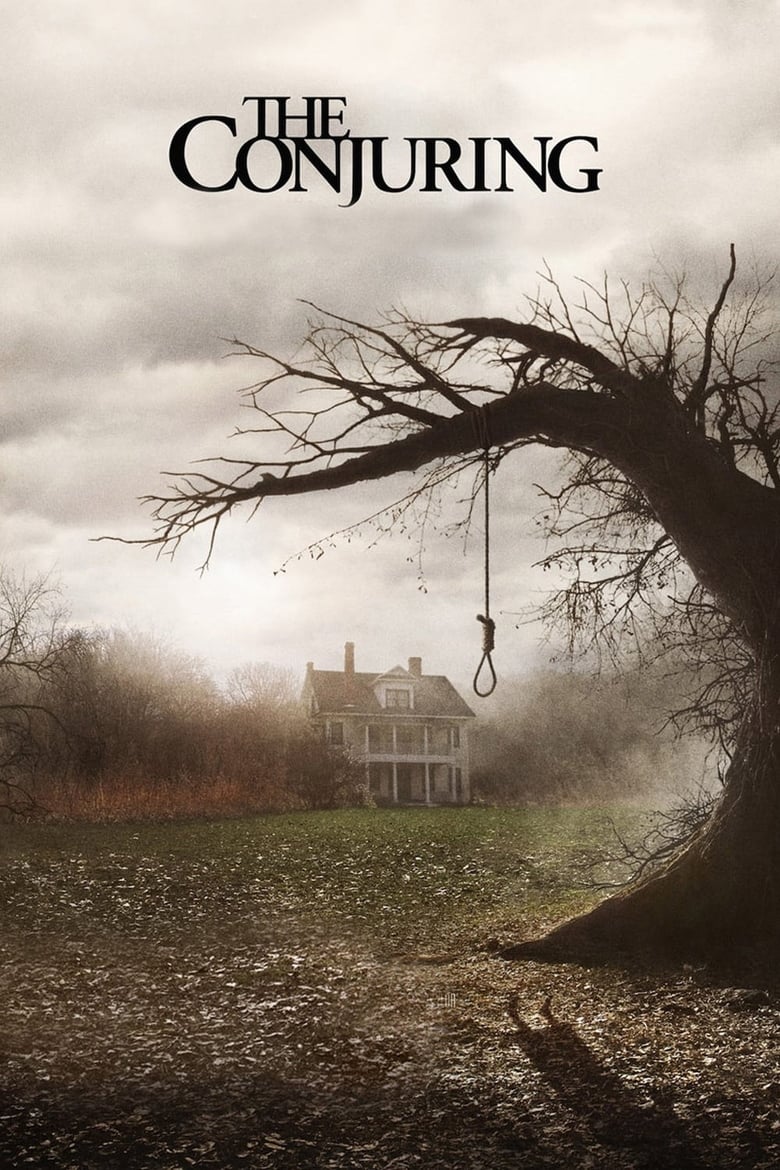
The Conjuring
“Based on the true case files of the Warrens.”
Paranormal investigators Ed and Lorraine Warren work to help a family terrorized by a dark presence in their farmhouse. Forced to confront a powerful entity, the Warrens find themselves caught in the most terrifying case of their lives.
About The Conjuring
What makes The Conjuring worth revisiting
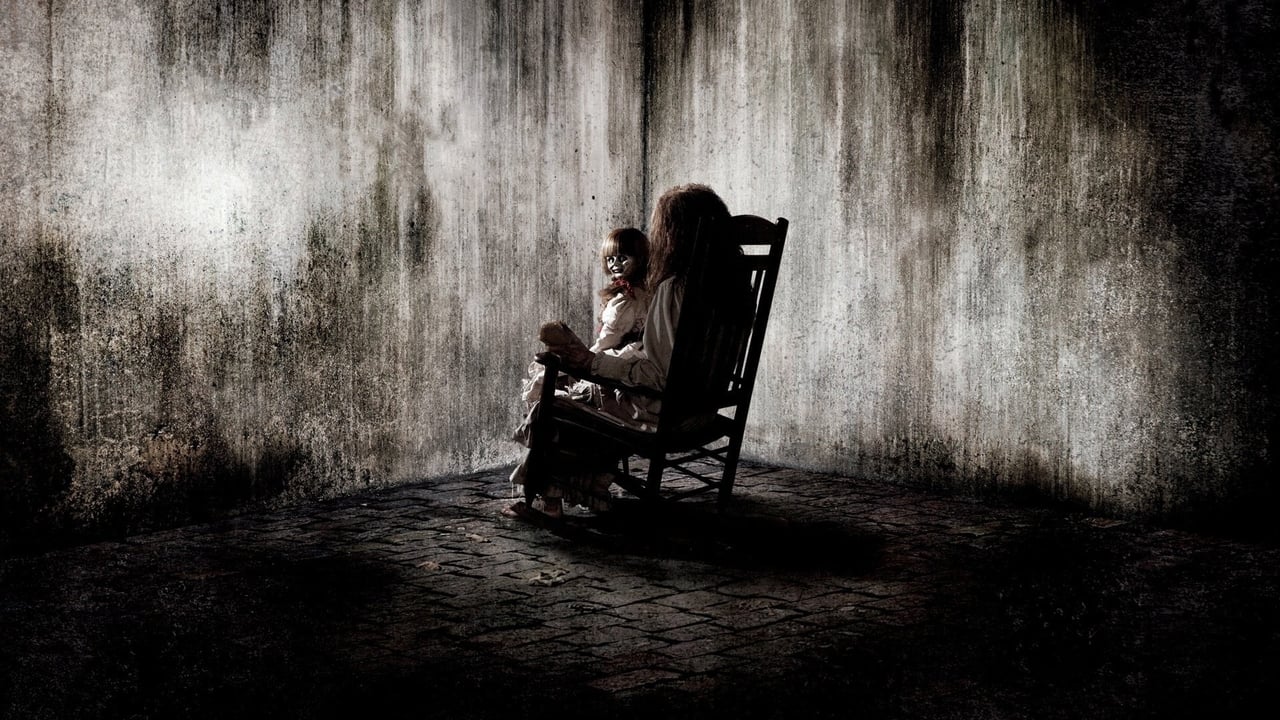
Walk into The Conjuring and you meet two reliable horror promises: a creepy object with a backstory and a haunted house that refuses to leave you alone. The film opens with the Warrens' encounter with a possessed doll — a case that keeps returning as a nervous little echo throughout the story — then drops you into a 1970s farmhouse where something has very plainly taken root.
James Wan directs with an economical confidence that keeps the runtime tight and the unease taut. What feels fresh, even now, is how the movie pairs the Warrens’ investigative presence with the Perron family’s domestic mess: these aren’t archetypes on a clipboard, they’re people trying to survive a house that will not let them go. Vera Farmiga’s Lorraine Warren is the viewer’s guide through the supernatural: she sees what others cannot, and her gifts make the threat feel immediate rather than abstract. The film’s final image — an item from that case added to a drawer of collected curios — leaves you with the small, stubborn idea that horror can be catalogued but never truly contained.
The idea that sets The Conjuring in motion
The basic engine is simple and effective: a family moves into a remote farmhouse and the house brings a history with it. In 1971 Roger and Carolyn Perron relocate there with their five daughters, and the property carries an ugly past that quickly blooms into present danger.
Research within the film uncovers a terrible origin: the land once belonged to Bathsheba Sherman, an accused witch whose story involves infant sacrifice and a curse tied to the time 3:07 in the morning. That past isn’t a dusty footnote — it’s the reason the family’s nights become unsafe.
Lorraine Warren’s vision in the cellar provides the pivot. She sees a woman who was once controlled by the land’s darkness and realises that the same force will try to make Carolyn do the unthinkable. Suddenly the film stops being just about strange noises and becomes about a race to prevent something intimate and terrible.
It works because the threat is both rooted and escalating: the house has a history, and that history reaches forward into the family’s everyday life.
Why Lorraine Warren matters
Lorraine Warren is the film’s human compass for its supernatural material. She’s the one who can see beyond bruises and broken clocks and name the force that’s latched on to the Perrons, which turns the story from a mystery into an urgent rescue mission.
Her clairvoyance does more than provide exposition; it closes the gap between the unknown and the family. When Lorraine recognises the same pattern that haunted another case years earlier, the audience understands the danger is transferable — and that leaving town won’t necessarily save anyone.
Crucially, Lorraine’s intervention is emotional as well as diagnostic. In the film’s frantic final moments she reaches Carolyn not with ritual words but by invoking a shared family memory, and that human connection is the hinge that allows the others to finish the exorcism.
That mix — somebody who knows the rules of the supernatural and somebody who remembers what makes a family whole — is why Lorraine feels essential rather than ornamental.
The Conjuring has more on its mind than the plot suggests
At surface level it’s a ghost story. Under that, the film keeps returning to family — not as a cosy trope but as the thing under attack. The Perron household is where the movie places its stakes; the threat isn’t just an abstract evil, it’s something that wants to take one of the family’s own.
Closely tied to family is home and safety. The boarded-up cellar and the early, escalating disturbances make the house itself feel like a trapped animal: familiar, domestic spaces become unreliable. That betrayal of the home is what turns an otherwise ordinary scene into terror.
Supernatural belief is handled pragmatically: the Warrens investigate, gather evidence and seek church approval, and belief becomes a procedural act as much as a conviction. The film lets you see both sides — scepticism from institutions and the Warrens’ insistence that some things are real and urgent. Memory is the emotional key. When Lorraine uses a shared recollection to reach Carolyn, the movie says something clear: sometimes the power that saves you is the thing that already belongs to you — your own history.
The Conjuring could not belong to any other decade
Released in 2013, The Conjuring arrived during a stretch when horror was leaning back toward restraint — atmosphere and craft over shock for shock’s sake. That timing matters because the film’s approach depends on building dread slowly and keeping scares connected to character.
It wears the decade on its sleeve in how willing it is to let a single strong premise run the length of the film: haunted farmhouse, family under siege, experts called in. There’s confidence in a simple, solid idea rather than the need to say everything at once.
Seen in the context of 2010s movies, the film’s blend of procedural investigation and intimate domestic drama felt like a neat synthesis of modern horror impulses: formal technique serving a human centre.
What has aged — and what hasn't
The film’s focus on family and domestic peril still lands. Scenes that hinge on a mother’s fear for her children or the way a family clings together under pressure feel immediate rather than dated, so those emotional beats continue to work.
The central setup — a boarded-up cellar and strange occurrences in the first nights after moving in — is timeless horror shorthand, and the film uses it to keep stakes personal rather than purely sensational.
Its procedural thread holds up too: Lorraine’s clairvoyant sightlines and the Warrens’ attempt to get church approval give the horror something practical to push against, which means the story feels grounded in rules rather than pure chaos.
If anything shows signs of age it’s the film’s willingness to wrap menace in an almost folkloric history; that choice still works for viewers who like their scares tied to origin stories, but it’s also a reminder that the movie prefers the slow burn over trend-led flashes.
Why The Conjuring still matters
Part of the film’s staying power is its layering: earlier cases — like the disturbing incident with the doll that claimed to be a little girl — are woven into the Perrons’ story so the Warrens don’t feel like one-off visitors but part of an ongoing ledger of oddities.
That ledger idea is literal by the end: an object from the Perron house is added to the Warrens’ collection, a small gesture that makes the world of the film feel bigger and slightly more unsettling. It suggests there are always other drawers, other objects, other stories.
The Perrons’ move into the farmhouse, the boarded-up cellar and the repeated marker of 3:07 all contribute to a mythic logic that people remember — the film gives its supernatural events a recognisable architecture that audiences can point to and describe. Lastly, the film’s insistence that these events are investigated rather than simply endured gives its scares a durable clarity: it remains a story about people trying to act when something terrible happens, and that human refusal to look away is why many viewers still find it compelling.
Does The Conjuring still hold up?
Yes — if you want horror that trusts character and consequences over constant novelty. The Warrens’ investigation and Lorraine’s ability to see the threat make the film a procedural as much as a ghost story, and that structure still pays off because it keeps the danger legible.
The movie’s main concerns — family and the betrayal of home — are timeless, and the sequence where Lorraine reaches Carolyn with a family memory shows why those themes matter: it’s not ritual alone that saves the day, it’s people remembering what ties them together.
James Wan’s 2013 film has aged into a reliable kind of scare cinema: concise (112 minutes), focused and willing to let a single strong idea unfurl. Its pleasures are not flashy, but they are steady and specific.
If you haven’t seen it or you’re wondering whether it’s worth another watch, go for the way it keeps terror intimate. The Conjuring still knows how to make a house feel unsafe — and how to make you care about the people inside it.