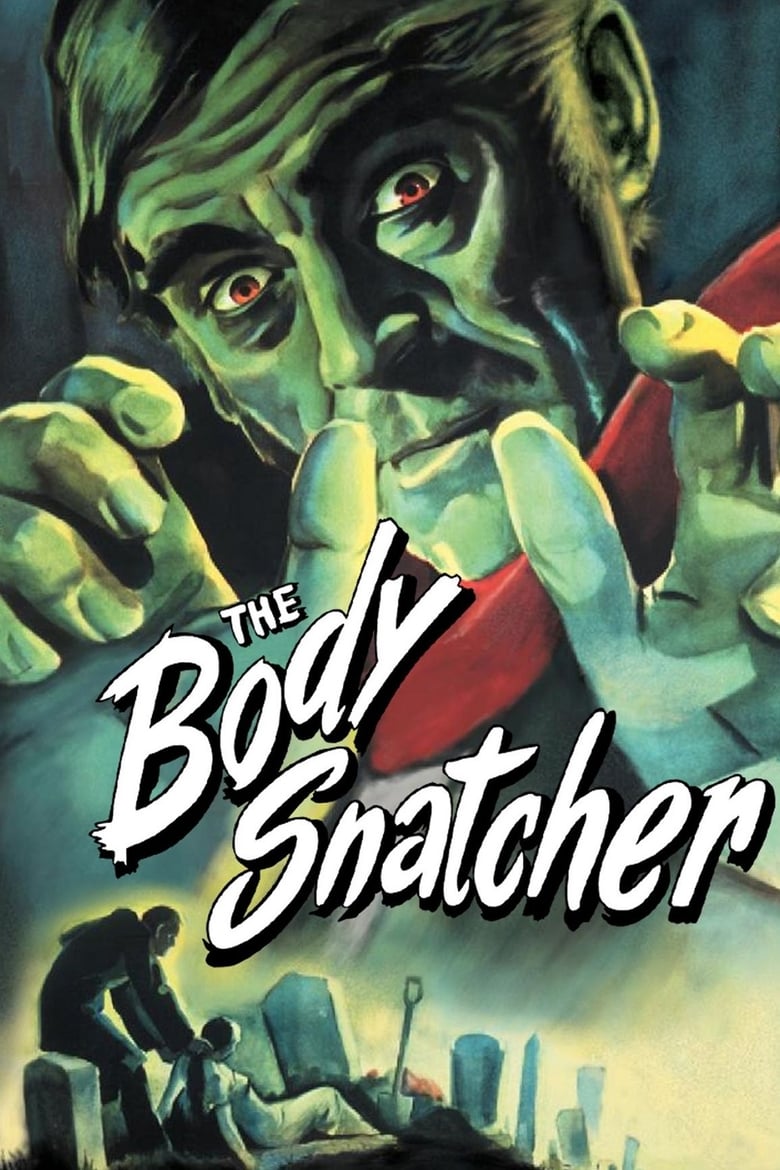
The Body Snatcher
“GRAVES RAIDED! COFFINS ROBBED! CORPSES CARVED! MIDNIGHT MURDER! BODY BLACKMAIL! STALKING GHOULS! Mad Thrills of Terror And Macabre Mystery... –and don't blame us if you stay awake all night!”
Edinburgh, 1831. Among those who undertake the illegal trade of grave robbery is Gray, ostensibly a cab driver. Formerly a medical student convicted of grave robbery, Gray holds a grudge against Dr. MacFarlane who had escaped detection and punishment.
About The Body Snatcher
Why The Body Snatcher still stands out
You remember The Body Snatcher first as a squeeze of atmosphere: a city, a house with an anatomy school attached, and people who talk past the obvious thing — death. It’s set in Edinburgh in 1831, and that cramped domestic world is where the movie gets most of its mileage.
Robert Wise directs with an almost surgical economy. The picture is 77 minutes long, which means it never lingers where it shouldn’t; there’s no fat, just a steady tightening of choices and consequences.
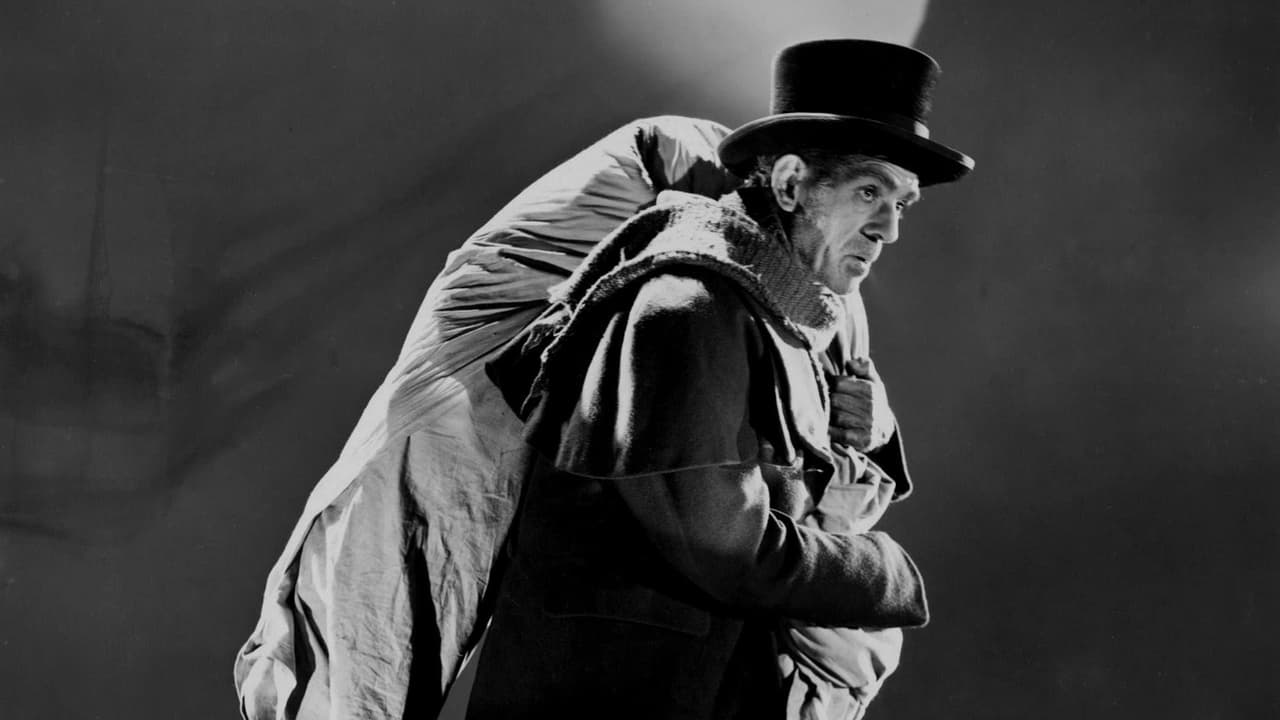
And then there’s the cabman, John Gray — Boris Karloff’s presence is the kind that moves through a film like a cold draft. He’s the practical link between the respectable doctor’s life and whatever rots beneath the surface, arriving late at night with a delivery that changes everything.
The idea that sets The Body Snatcher in motion
The engine is simple and sharp: a promising patient is turned away. Dr Wolfe MacFarlane finds a tumour pressing on Georgina Marsh’s spinal cord but says he cannot do the delicate operation because he’s occupied with teaching.
Into that gap steps Donald Fettes, a student who cannot afford his studies until the doctor hires him and he moves into the house. Living there pulls him into the quieter, messier side of medical practice — the bodies, the bargains and the small compromises.
When Fettes recognises a murdered street singer and concludes John Gray must be involved, the situation becomes moral as well as practical. He tries to alert the doctor, but MacFarlane is away — having gone to Penicuik after dealing with Gray’s horse and cab following a dissection.
It’s a setup that works because the stakes are personal and immediate: a young woman who needs surgery, a student caught between duty and conscience, and a city where a wrong decision can tumble into catastrophe.
Why Cabman John Gray matters
John Gray is less a background villain and more a living, inconvenient fact in the doctor’s life. He’s the line between respectable medicine and the filthy business that keeps anatomy schools supplied.
He’s introduced as a man who can make MacFarlane grimace and then demand a drink — a familiarity that comes from a shared, messy past. That casual closeness is what makes him dangerous: he isn’t a random thug, he’s someone who holds knowledge over the doctor.
Gray’s menace is practical. When Joseph, the janitor, tries to blackmail him about the singer’s murder, Gray answers with murder — smothering Joseph rather than negotiating. The act makes the threat real and immediate, and it changes how everyone in the house has to think about their choices.
The Body Snatcher has more on its mind than the plot suggests
At first glance it’s a horror about procurement — corpses, ethics, the grubby commerce behind medical study. But underneath that is a running concern with mortality: how long a life should be allowed to continue, and at what cost.
It’s also quietly obsessed with home and safety. The story’s centre is a house that should be a refuge for Georgina and for the people who live there, yet the house becomes the place where compromises are made and secrets are buried.
Loss is threaded through the film: lost innocence, lost certainty, lost lives. Those losses aren’t only physical; they’re about the erosion of professional integrity and the way private fears push people toward desperate acts.
Finally, the movie nudges at lifespan — not just the span of a single life, but the professional lifespan of a man who chooses teaching over healing, and the moral lifespan of a community that tolerates a trade in bodies.
The Body Snatcher could not belong to any other decade
Put simply: this is a 1945 picture. The timing matters because it lands at a moment when audiences were comfortable with darker, more morally complicated stories in genre cinema.
That compact post-war appetite — for stories that accept bleakness and still search for meaning — helps explain why the film takes its domestic horrors so seriously.
Calling it a product of the 1940s isn’t nostalgia. It’s noticing how the film uses a tight, efficient runtime and a clear moral squeeze to deliver its shocks rather than relying on spectacle.
What has aged — and what hasn't
What still hits is the film’s central domestic unease. The Marsh family arrive at a doctor’s house that doubles as an anatomy school; that overlap of private care and clinical study still feels unsettling today.
The movie’s insistence that home is not automatically safe — that the people who live in it might be making compromises you wouldn’t expect — holds up. That idea translates easily to modern viewers.
Where it may show its age is in the kind of shorthand older films sometimes use to move the plot along; modern audiences might find some character decisions abrupt because the film trusts economy over explanation.
But the emotional throughline — a young woman needing help, a student caught in a moral bind, and the house that keeps their secrets — remains clear and effective.
Why The Body Snatcher still matters
People remember this film because it stitches moral unease into its horror. It begins with a family seeking help — Mrs Marsh and her daughter arrive at MacFarlane’s house — and quickly shows how professional priorities can override personal need.
The recruitment of Donald Fettes and his move into the house make the conflict intimate: it’s not an abstract debate about dissection, it’s a student living alongside the compromises and being forced to decide what to do.
Then there are the darker beats that linger: a cabman who supplies bodies, a young singer who is murdered, Joseph the janitor trying to leverage the truth and being silenced. Those plot points are the kind that stay in the mind not because they’re gory but because they make the moral cost concrete.
Finally, the story’s collapse into catastrophe — the doctor’s act of violence, the unearthed corpse revealed at a crucial moment, and the final carriage wreck — gives the film a closing image that ties together guilt, fate and the consequences of choices made in private.
Does The Body Snatcher still hold up?
Yes — if you want a short, austere horror that makes moral compromise feel heavy. It’s a 77-minute film by Robert Wise that keeps its attention on a few people and one escalating ethical mess: a doctor who prioritises teaching over a patient, a student pulled into the middle, and a cabman who brings the darkness right to the house.
It’s not flashy. It doesn’t need to be. The movie’s themes — mortality, home and safety, loss and lifespan — are woven through the plot, so the shocks feel earned rather than gratuitous.
Some viewers today may bridle at the briskness of character shifts; others will appreciate a film that trusts the audience to follow where those shifts lead. Either way, the central moral cost — what people will do to keep a reputation, a livelihood or a house intact — is as readable now as it would have been in 1945.
If you’re deciding whether to watch: think compact, bleak and intelligent. Bring a curiosity for small, well-made moral horrors and a tolerance for a story that prefers pressure to explanation. The Body Snatcher still rewards that kind of attention.