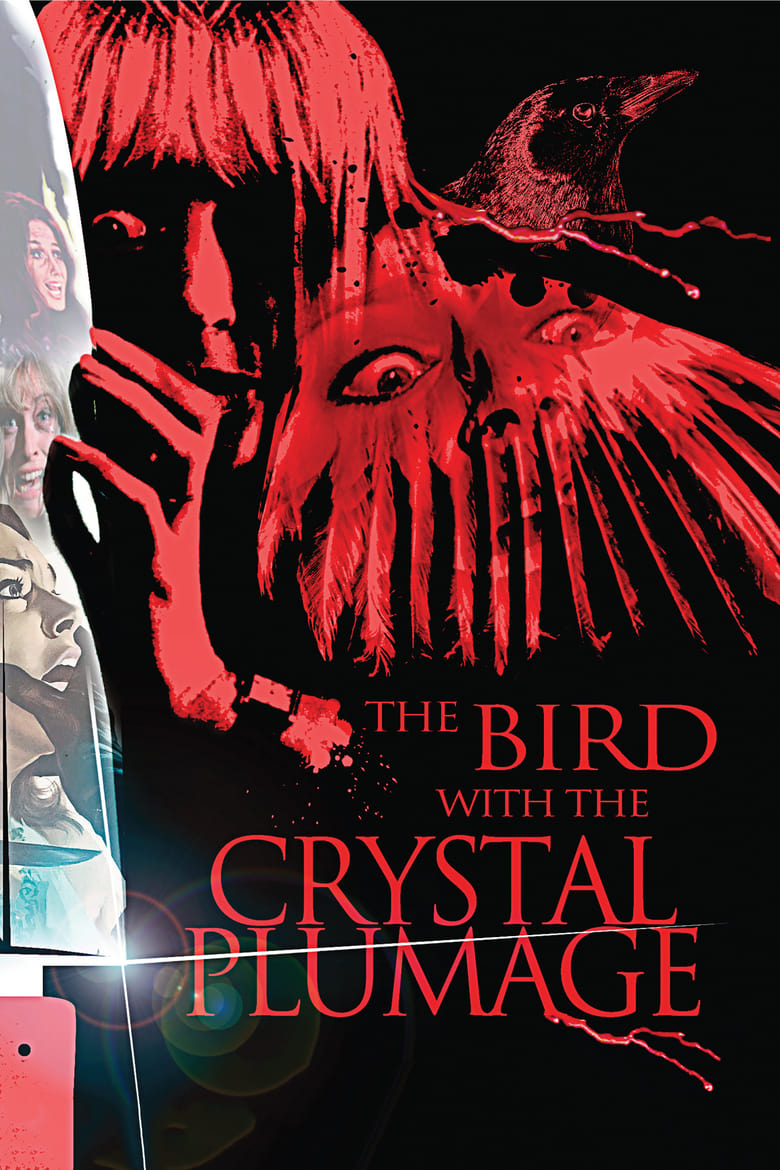
The Bird with the Crystal Plumage
“All the screaming in the world won't help!”
An American writer living in Rome witnesses an attempted murder that is connected to an ongoing killing spree in the city and conducts his own investigation, despite him and his girlfriend being targeted by the killer.
About The Bird with the Crystal Plumage
Why The Bird with the Crystal Plumage still works
There’s a scene you can describe in one line and still feel its teeth: Sam Dalmas, an American writer on holiday in Rome, gets wedged in an art gallery’s automatic doors while a masked attacker slips away. That single, absurdly specific panic—caught, helpless, certain he’s missed the clue—sets the movie’s tone and keeps it taut for its 101 minutes.
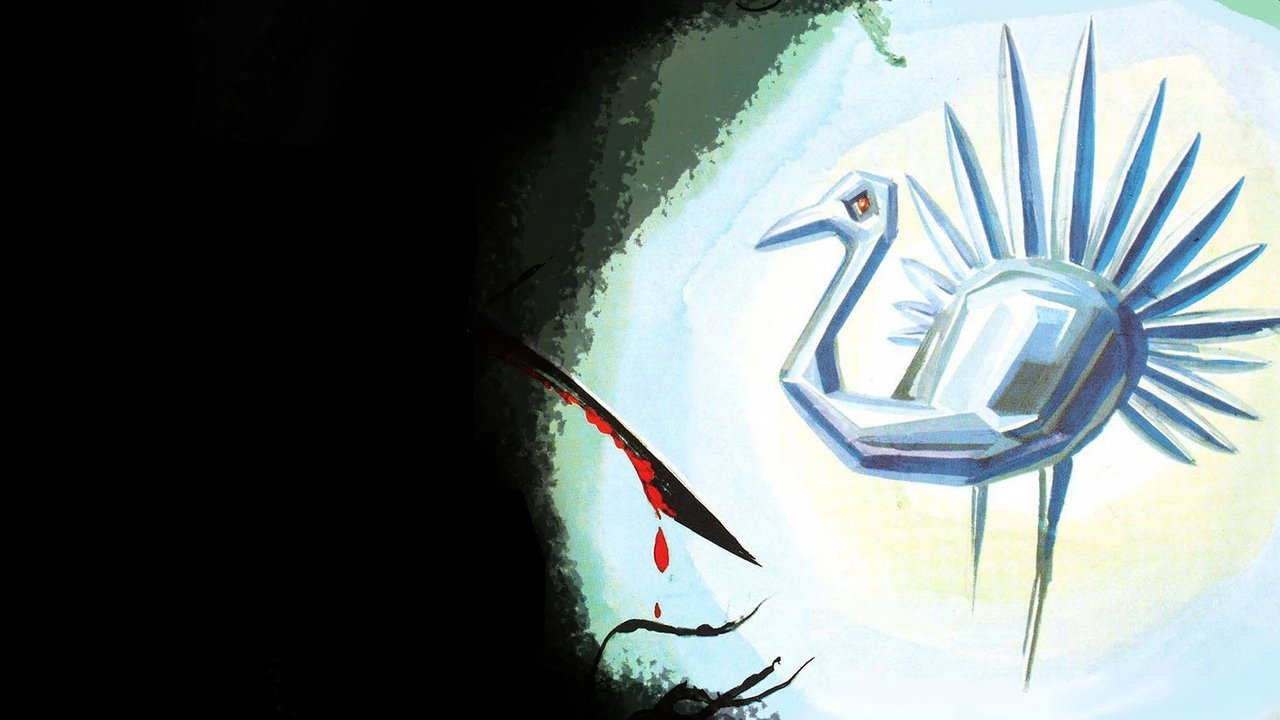
Dario Argento made his name with this film in 1970 by taking a basic murder-mystery and refusing to let it behave like one. Instead of a distant detective story, he makes it into a personal trouble: Sam is not just observing fear, he’s living inside it. The cast around him — including Tony Musante as Sam and Suzy Kendall as Julia — fold into the pressure, and you spend most of the movie wondering whether escape is possible. It also knows how to hand you a bizarre hook and trust you to hold onto it. A cricketing noise in a telephone recording will turn out to be the crucial lead; a rare bird becomes a plot-pull and an odd little symbol you can’t forget. That mixture of the ordinary and the slightly uncanny keeps the film watching-worthy even now.
The idea that sets The Bird with the Crystal Plumage in motion
The movie starts with what looks like a routine, atmospheric crime: Sam sees a woman attacked in a gallery, tries to help and ends up pinched between the gallery’s sliding doors while the assailant vanishes. It’s embarrassingly specific and therefore brilliant — a believable human flail rather than a neat heroic moment.
That trapped-witness image does two jobs at once. It makes Sam’s guilt immediate, and it gives the police a reason to keep him in Rome. His passport is taken; leaving is not an option anymore. The story isn’t about a detached sleuth; it’s about a holiday turning into an obligation.
From there, Sam refuses to hand the problem over completely. He becomes involved with Inspector Morosini’s investigation, following weird leads — an eerie painting, telephone threats, even a stray bird-call — because he can’t shake the feeling that he missed something crucial in that first encounter.
That blend of small, domestic details and the procedural gives the plot momentum without turning it into a rigid puzzle. You’re following a man who’s both unlucky and stubborn, and that keeps the set-up alive without turning the film into dry exposition.
Why Sam Dalmas matters
Sam Dalmas is not a detective. He’s a stranded writer — on holiday, wrestling with writer’s block — who accidentally becomes the centre of a murder case. That mismatch matters because it keeps his reactions human. He’s the sort of protagonist who panics, procrastinates, and then refuses to live with the guilt of being useless when someone else was attacked.
Being stuck in those gallery doors is the perfect shorthand for his role in the story. It makes him culpable in his own mind: he saw something and still feels responsible. That private agitation propels him into the investigation, not a sense of duty but an itch that can’t be left unscratched.
He’s also the character who stitches together the film’s stranger clues. The odd cricketing noise on a recorded phone call needs someone to notice and care, and Sam supplies the curiosity — he’s the one who follows the bird-lead to the zoo and connects the apartment’s view to the cage. That tenacity turns his holiday into a kind of moral trapdoor.
All of which means Sam matters because the film could not work with a clean professional hero. It needs someone who can make mistakes and then try to fix them; Sam’s insecurity is the engine that keeps the mystery moving.
The Bird with the Crystal Plumage has more on its mind than the plot suggests
On the surface it’s a whodunit. Look a little closer and you see the film fiddling with fear itself — fear of being seen, fear of being blamed, fear of not being able to leave. Sam’s trapped moment is literal and symbolic; the city prevents his escape and the case prevents his peace.
Authority is another recurring note. The police intervene, confiscate his passport, and the formal investigation shapes everyone’s choices. That institutional presence never fully comforts; it’s part reassurance, part containment. The film keeps you aware that control is shared and sometimes withheld.
Freedom, then, becomes a fragile commodity. Characters are physically and mentally contained — by travel restrictions, by past trauma, by other people’s stories. Which is why the rare bird’s call matters: it’s an unexpected clue that links private spaces and public institutions, and it nudges at the idea that small freedoms — movement, speech, perception — can be decisive. Mortality hangs over the action too. There are murders, near-misses and confessions, and the film treats death as an immediate, disruptive event rather than a distant abstraction. That makes the stakes feel close and ordinary, not theatrical; it’s why the story bites into the characters instead of floating above them.
The Bird with the Crystal Plumage could not belong to any other decade
Released in 1970, this film sits on the cusp of a new kind of European crime cinema that favored mood and menace over tidy detective logic. It’s a product of its moment in the sense that it’s willing to be weird with its clues — a recorded cricketing noise leading to a zoo, for example — and trusts the audience to enjoy being unsettled.
There’s a particular 1970s personality to the way the movie mixes the everyday with the grotesque. It treats a Roman holiday as a place where ordinary objects — paintings, apartments, zoo cages — can suddenly mean something darker. That tonal shuffle between normal life and intrusion feels very of its time.
It’s also notable as the start of a voice. Argento’s interest in linking atmosphere to mystery rather than relying solely on plot mechanics has the decade’s experimental energy behind it: a filmmaker taking genre and twitching it in a sharper, stranger direction.
So while the film isn’t a museum piece, it is a snapshot of a moment when thrillers were allowed to be more curious and more uncomfortable with easy answers.
What has aged — and what hasn't
Some parts of the film keep their bite. The opening panic in the gallery still makes your stomach drop; it’s a concise example of how physical vulnerability can be filmed as psychological alarm. That scene and similar set-pieces continue to sell the idea that being seen — or not being seen properly — is terrifying.
The central preoccupation with fear is another element that survives time. The film wants you to feel small and exposed within a city, and that sensation translates. Paranoia is not a period piece; it’s evergreen.
Where it may fray for modern viewers is in patience. The movie prefers build and mood over fast revelation, so if you expect constant answers you’ll find stretches that feel slow. But that’s a pacing choice rather than a failing — it’s part of how the picture makes atmosphere do the heavy lifting.
Overall, it’s best approached on its own terms: as a tightly wound mood-piece that uses a single vivid shock to spin a whole paranoia-driven story. If you accept the rules it sets early on, it still holds together.
Why The Bird with the Crystal Plumage still matters
People remember this film because it turns a single witnessed crime into a full-blown moral lock-in. Sam’s passport is seized; an ordinary holiday becomes impossible to shake off. That enforced stay turns a witness into an amateur investigator and gives the story its personal urgency.
It’s full of strange connective tissue that sticks in the memory: an antique shop’s eerie painting becomes a meaningful lead; a threatening phone call contains an odd background noise; someone who should be safe overlooks an apartment that faces a zoo. Those oddities make the mystery feel like a puzzle assembled from unlikely domestic pieces.
The way revelations arrive also leaves traces. A dying confession, a dramatic fall, and a final unmasking that re-reads the opening attack keep viewers talking because key moments redraw what you thought you knew. The psychiatric explanation for why certain characters behave as they do ties the violence back to trauma, which gives the story a darker, unsettled aftertaste. Finally, it’s a remembered film because it trusts small details. A recorded cricketing noise turns into the major clue; a bird in a zoo ties private spaces to public institutions. Those kinds of touches are the things people bring up years later, not as trivia but as the movie’s way of thinking.
Does The Bird with the Crystal Plumage still hold up?
Yes — with a caveat. If you enjoy movies that prize atmosphere, odd connective clues and a slow-tightening sense of alarm, Argento’s 101-minute thriller is still rewarding. It’s not a breathless modern procedural; it’s a focused, personally felt mystery built around a witness who can’t stop thinking about what went wrong.
The movie’s pleasures are particular: the ridiculous indignity of being trapped in glass doors, the way a scrap of sound on a recorded phone call becomes the plot’s hinge, and the persistent tension of someone trying to leave a city but being held there by circumstance. Those beats still work because they’re human, not fashionable.
If you prefer instant gratification or a detective who neatly hands you answers, this won’t be your cup of tea. But for anyone who likes a thriller that makes paranoia social and gives its leads real reason to be frantic, it’s worth a viewing.
So watch it for the stubborn little shocks and the strange little clues — and stay for the way Sam and Julia’s holiday is slowly turned into a very particular kind of captivity. In the end, the film is less about solving a tidy puzzle and more about being trapped by the noise between the clues — and that still feels uncomfortably true.