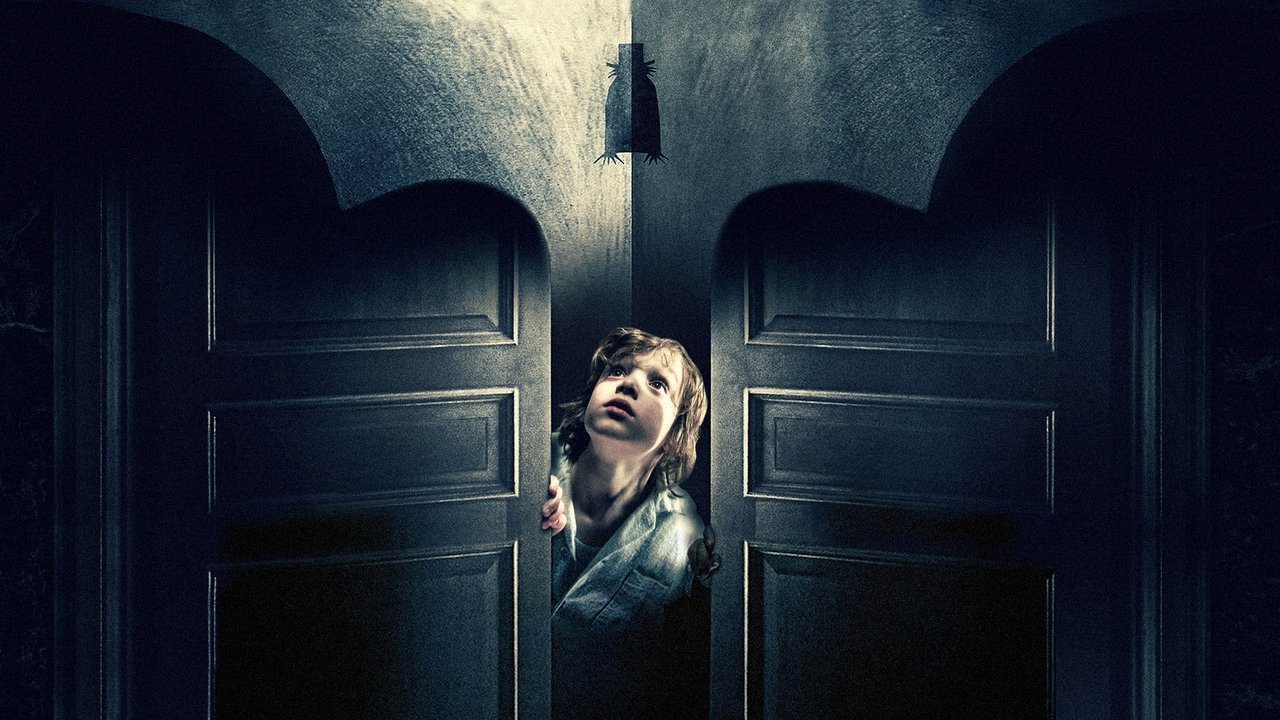
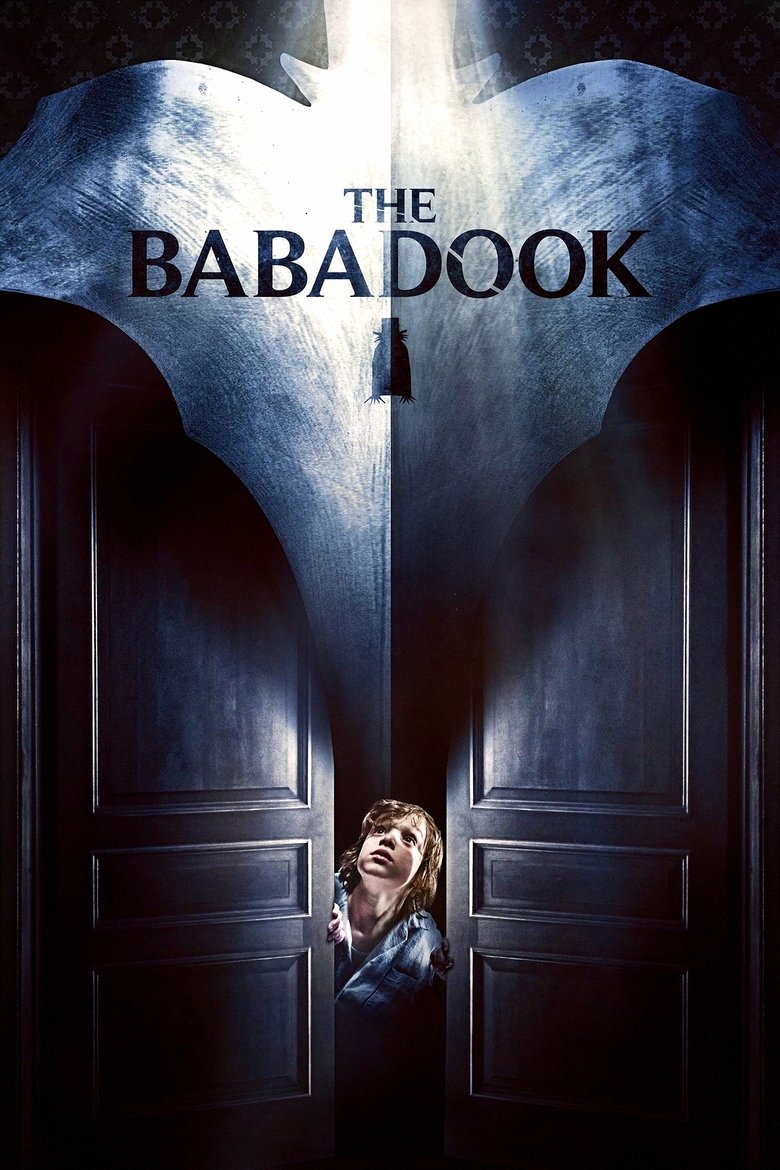
The Babadook
“If it's in a word, or it's in a look, you can't get rid of...”
A grieving single mother and her child fall into a deep well of paranoia when an eerie children's book manifests in their home.
About The Babadook
Why The Babadook still works
The Babadook sets its stall immediately: this is a story about a mum who is unraveling in precisely the sort of place that should keep her safe. Amelia Vanek is a tired, grieving single mother trying to keep a six-year-old and a household together, and the film never lets you forget what’s at stake for her.
Jennifer Kent delivers all of that in a compact package — a 94-minute horror-drama that feels claustrophobic and precise. The threat arrives in the form of a pop-up book called Mister Babadook, a picture-story that turns alarming as you read it: a top-hatted, suited thing that grows more menacing with each page. Because the monster arrives through a child’s imagination, the film never treats fear as a theatrical spectacle. It’s domestic. It’s stubborn. And that knot — a damaged family, a strange book and the slow collapse of normal life — is exactly why people are still talking about the film.
The idea that sets The Babadook in motion
At the centre is a simple premise: a little boy becomes obsessed with an imagined monster and his behaviour starts to fray the family’s life. Sam builds contraptions to defend himself; his fear looks practical, even if the adults want to explain it away.
That obsession collides with real social pressure. A playground incident where Sam pushes his cousin Ruby and breaks her nose fractures Amelia’s relationships outside the house — her sister Claire is furious and distant — and the family’s fragility becomes public, not private.
The tipping point is small and uncanny: a pop-up book appears and the household’s rules start to slip. After a frightening episode on the drive home Sam is sedated and put into therapy, which only deepens the sense that normal solutions aren’t enough.
Amelia tries the obvious things — she destroys the book, she looks for help — but the film makes clear that the setup is not a conventional monster hunt. The story’s power comes from the way personal grief and a child’s fear feed into something that won’t simply be filed away.
Why Amelia Vanek matters
Amelia Vanek is not an archetype — she’s an exhausted, grieving woman trying to be a parent on her own terms. That central fact reshapes every choice the film makes: she isn’t simply brave or cowardly, she’s someone whose reserves are spent before the monster arrives.
The presence of a difficult child complicates things. Sam’s erratic behaviour and preoccupation with the monster places Amelia in the impossible position of policing fear while also grieving privately. The result is a portrait of a mother stretched thin between protection and resentment.
Family tensions sharpen Amelia’s isolation. Her sister’s anger after the playground incident makes the community’s judgment feel like an extra weight, and the film uses those relationships to show how quickly support can turn into blame.
Crucially, Amelia matters because the horror is personal to her. The narrative lets us watch what happens when a parent has no easy way back to normal — that’s what turns moments of menace into real fright.
The Babadook has more on its mind than the plot suggests
On the surface it’s a monster story; underneath it’s about fear that lives in families. The film keeps returning to the idea that terror isn’t always external — sometimes it’s lodged in memory, loss and the daily labour of care.
Family is the film’s operating unit: a mother and her son, extended kin who can be helpful or hostile, and the way those ties falter under stress. That makes the Babadook’s threat intimate rather than cosmic.
Home and safety are inverted. The house should be refuge but becomes the place where boundaries leak: small terrors escalate because the very space for recovery is compromised. And yet there is courage threaded through the story. The characters aren’t superheroes; their defiance is quieter, measured in the willingness to face dread and to try, imperfectly, to live with it.
The Babadook could not belong to any other decade
Released in 2014, The Babadook sits squarely in the 2010s. That date matters: the film is a product of a decade that happily blurred genre lines, letting horror carry the weight of personal drama rather than relying purely on spectacle.
Calling it a 2010s movie isn’t a fashion observation so much as a note about temperament: it pairs psychological pressure with domestic detail, a combination the decade returned to again and again.
Its runtime — lean and under 100 minutes — reinforces that focus. There’s no indulgence; the story is economy and intensity, a compact portrait rather than an epic.
Put simply: The Babadook feels of its time because it trusts small moments to carry big emotion, and that confidence was a distinct strand of filmmaking in the 2010s.
What has aged — and what hasn't
The themes — fear, family and the idea that home can be unsafe — remain sharp. Those are human, not trendy, worries, and they’re the sort of anxieties that don’t date because people will always bring children, loss and obligations into cinemas.
Some narrative details still land. Sam’s frightening episode on the drive home, his subsequent therapy and the use of sedatives in the story feel plausible and, crucially, serve the plot in a way that modern viewers can recognise: coping mechanisms that don’t always solve the problem.
What hasn’t aged are the film’s emotional guts. The dynamic between parent and child, the social fallout from incidents like the playground injury, and the slow unthreading of a household — those beats are intact and still uncomfortable to watch.
So while certain surface elements will date naturally with fashion or technology, the movie’s concerns are enduring because they’re about people trying to manage real, recurring human problems.
Why The Babadook still matters
There are a few concrete things that keep the film in conversation: the simple, eerie device of the Mister Babadook pop-up book and the unsettling figure it describes — a suited, top-hatted presence that grows worse as you turn the pages. Those moments lodge in the mind because they translate private dread into a tangible object.
The film also matters because it refuses neat endings. Amelia’s grief is rooted in the death of her husband during her labour, a wound that never simply closes, and the story treats that ongoing loss as material for horror rather than a problem to be resolved cleanly.
Key sequences — the book reappearing with taunting new pages, the household unravelling, and the terrifying escalation into possession and violence — give the film unforgettable beats that people remember and return to. And yet the aftertaste is oddly domestic: the recovery is not triumphal so much as negotiated. The mother and child find a way to live with what has been through them rather than pretending it never happened, which is why the film keeps resonating for viewers who want horror that stays with you after the credits.
Does The Babadook still hold up?
Yes. The Babadook holds up because its fear is rooted in people, not props. Amelia Vanek’s situation — a widow raising a son after a traumatic loss — gives the film a human spine that keeps it honest and affecting.
The movie is economical: at 94 minutes it doesn't overstay its welcome, and it uses that brevity to focus on a handful of scenes that change everything. The narrative choices — from Sam’s spiralling behaviour to the recurring, taunting book — remain effective at creating unease.
It’s not a popcorn fright-fest. It’s a small, controlled story about a household under pressure, about how threats can come from inside the walls and from inside us. That intimacy is why it still matters.
If you’re thinking of revisiting or watching for the first time, expect something that will prick and linger rather than startle and vanish. The Babadook still asks a question that matters: how do you keep living when the thing you fear is also the thing you love?