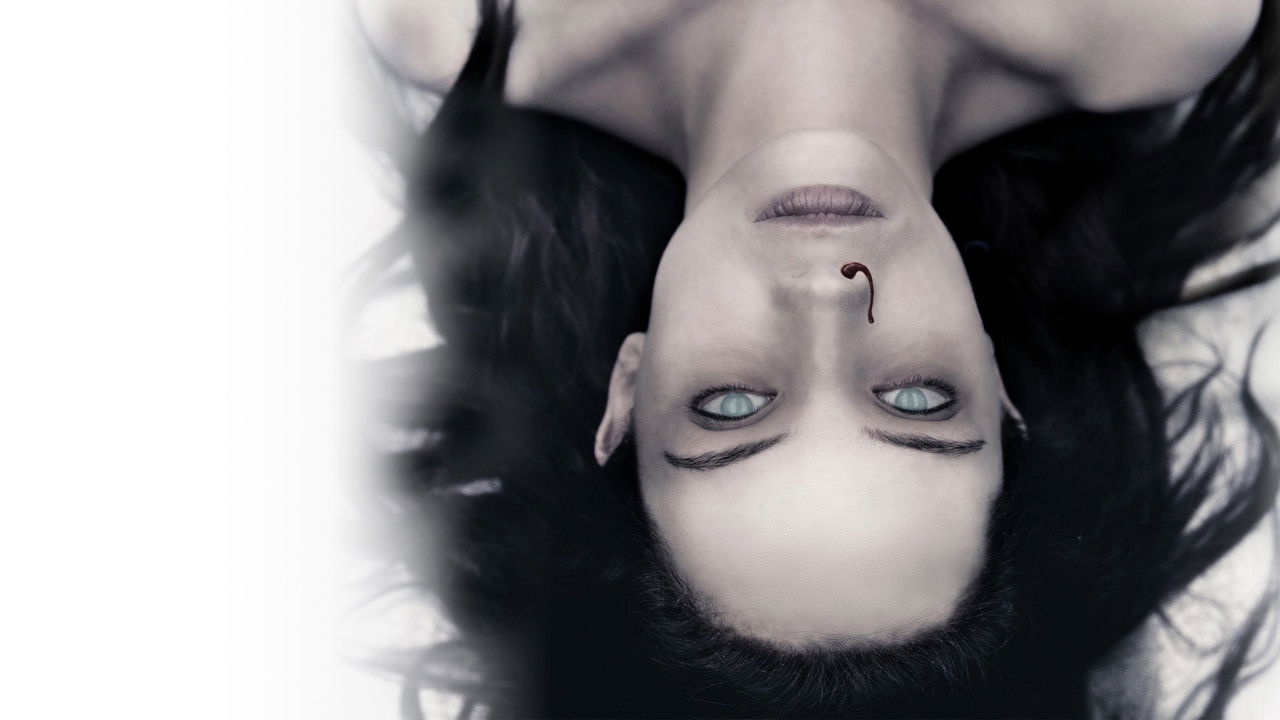
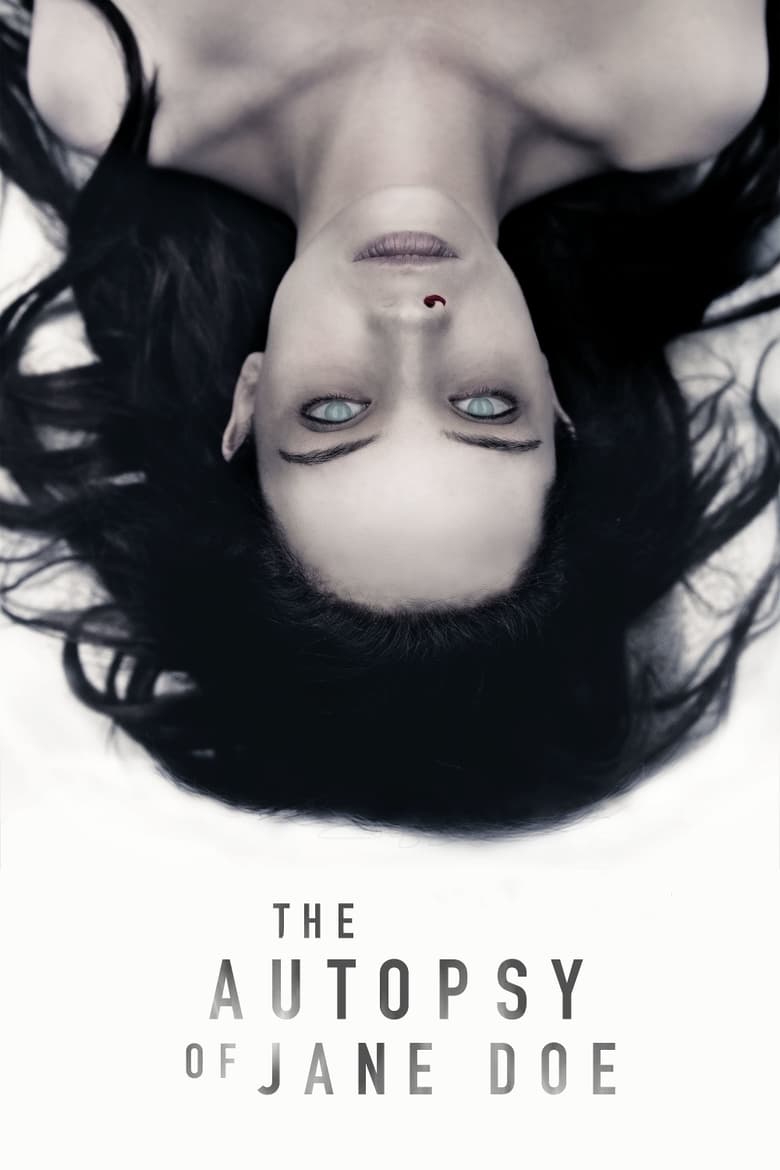
The Autopsy of Jane Doe
“Every body has a secret.”
Father and son coroners receive a mysterious unidentified corpse with no apparent cause of death. As they attempt to examine the "Jane Doe," they discover increasingly bizarre clues that hold the key to her terrifying secrets.
About The Autopsy of Jane Doe
Why The Autopsy of Jane Doe is still worth talking about
There’s something chewy and stubborn at the heart of The Autopsy of Jane Doe: an intact, half-buried corpse dug out of a house where a confusingly violent massacre happened, then brought into the quiet authority of a small-town morgue. That setup is simple enough to describe — and it’s precisely why the film hooks you straight away.
André Øvredal directs this tight, 86-minute horror from 2016, and he keeps the action concentrated on a handful of people and a single room. It’s a ghost story that prefers cramped pressure to spectacle. Emile Hirsch’s Austin Tilden and Brian Cox’s Tommy Tilden are the pair who inherit the mystery, and the film uses their situation to move from procedural curiosity into something darker: a tussle with themes about mortality, loss and the obligations of family.
The idea that sets The Autopsy of Jane Doe in motion
At its bluntest, the film gives us a paradox: a body that looks centuries old in places yet behaves as if its death is recent. That contradiction — dead and not-dead, ancient and immediate — is the engine. It’s the mystery you want solved and the one that refuses to be.
From that single strange object, the story narrows. The morgue becomes less a place of clear answers and more a pressure cooker where routine procedures bump up against something supernatural.
Crucially, that strangeness warps reality. Characters begin to see — and hear — things that may not be there. Apparent safety breaks down into hallucination and dread, so the question shifts from ‘what happened?’ to ‘what can we trust?’
That pivot, from crime-scene puzzle to unreliable night of terror, is what makes the premise work: a small scope that keeps the audience close to the people in the room while the rules of the world keep sliding under their feet.
Why Austin Tilden matters
Austin Tilden is the audience’s proxy: the younger man whose evening plans get sacrificed to the practical world of paperwork, procedures and family duty. Emile Hirsch is the actor credited in the role, and the film makes sure we know why Austin’s choice to stay matters.
That postponed date — the promise to meet his girlfriend later — is a tiny, human detail that keeps Austin tethered to a life outside the morgue. It’s the domestic normal he keeps glancing back to while the night peels reality away.
Because family is one of the film’s organising concerns, Austin’s presence is never neutral. He’s the son who answers his father’s call and who becomes a stand-in for ordinary people pulled into extraordinary cruelties.
In short: Austin matters because his ordinary commitments — the girlfriend, the promise to be elsewhere — make the dread of the morgue feel invasive. The rules of his life are the ones that get violated.
The Autopsy of Jane Doe has more on its mind than the plot suggests
Take away the scares and what’s left are tidy, slightly unpleasant questions: loss, mortality and the way we measure a life. The film keeps nudging at how long a life can be said to last — and whether being kept alive in any form is a kindness.
Family threads run through everything. The central relationship is practical — a coroner and his son trying to do their job — but those practical ties are what make the supernatural intrusions sting. When home or safety collapses, it’s felt as a personal violation.
There’s also a quieter note about freedom. The movie asks, without needing to spell it out, whether survival can be worse than death when it comes at the cost of agency. Put together, these ideas give the film a shape beyond its night-of-horror premise: it’s a ghost story that quietly insists the human costs matter as much as the mystery itself.
The Autopsy of Jane Doe could not belong to any other decade
This is a 2016 film through and through: a compact, self-contained horror that doesn’t need a blockbuster canvas to do its work. Its release year places it firmly inside the varied landscape of 2010s genre cinema.
As a horror–ghost picture it belongs to a decade where filmmakers often proved that small casts and a single dominant location were enough to create serious tension. The Autopsy of Jane Doe is a neat example of that economy.
That economy is part of its personality — the movie trusts a tight premise and a handful of characters to carry the atmosphere rather than relying on spectacle.
Put simply: it’s a 2010s film that feels like a long, well-focused short story rather than a sprawling epic.
What has aged — and what hasn't
The things that keep this film watchable are its human anchors: the family tie between the two coroners and the way the morgue — a place associated with safety and finality — becomes a space of menace. Those thematic beats don’t date.
Because the film’s emotional weight rests on relationships rather than on trendy visual flourishes, it still produces a quiet sympathy for its characters when they’re tested. The idea of home and safety being violated is, frankly, evergreen.
Where viewers might be less forgiving today is if they prefer more complex moral wrangling; this film presents its ideas direct and uncompromising rather than serving ambiguity as a virtue.
But if you respond to straightforward questions about loss and the indignity of prolonged suffering, those elements have kept the film relevant enough to revisit.
Why The Autopsy of Jane Doe still matters
There are images from the film that stick: a corpse whose clothes hint at another century, a morgue that starts to behave like a haunted house, and the small, sickening detail that the body’s own insides tell a story at odds with its outward appearance. Those contradictions are the kind of thing people remember.
The movie also revels in compact, escalating set pieces — the lights exploding, corpses vanishing from the room, an impossible tooth found inside the body — moments that turn procedural examination into an unraveling of reality.
On top of that is the grim logic the story eventually supplies: an explanation that ties the body to older persecutions and a fate that turns survival into punishment. That particular arc gives the film a moral weight that nags after the credits roll. Finally, the ending detail — the corpse leaving a last, tiny sign that something persists — is the kind of ending that makes viewers quietly uneasy. It’s a small flourish, but it cements the film’s aftertaste.
Does The Autopsy of Jane Doe still hold up?
Yes — if you appreciate a horror that trusts a narrow idea and doesn’t pad it out. The film’s night-in-a-morgue conceit, the broken escape routes and the way ordinary gestures (a postponed date, a father–son working shift) are slowly chewed up by the plot still land.
It runs less than ninety minutes, keeps its cast small and consistently asks questions about loss, mortality and what it means to be kept alive. Those are robust concerns; they don’t depend on a fashion for effects or a moment in pop culture.
If you want a grand, new spin on the ghost story you may be disappointed. If you want something economical, quietly nasty and oddly thoughtful about family and suffering, this remains worth a watch.
In short: The Autopsy of Jane Doe still works because it remembers to make its scares personal. And that toe-twitch at the end? It’s the kind of small beat that refuses to let you forget the whole evening.