The Amityville Horror
“For God's sake, get out!”
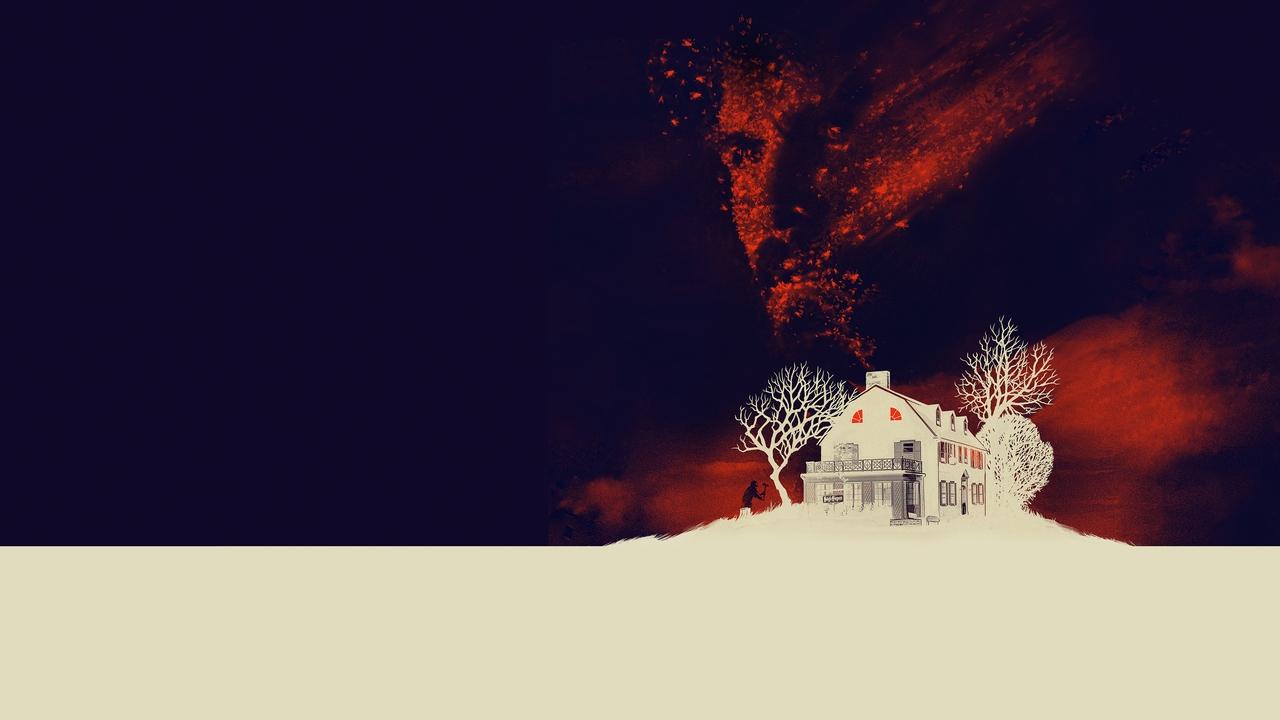
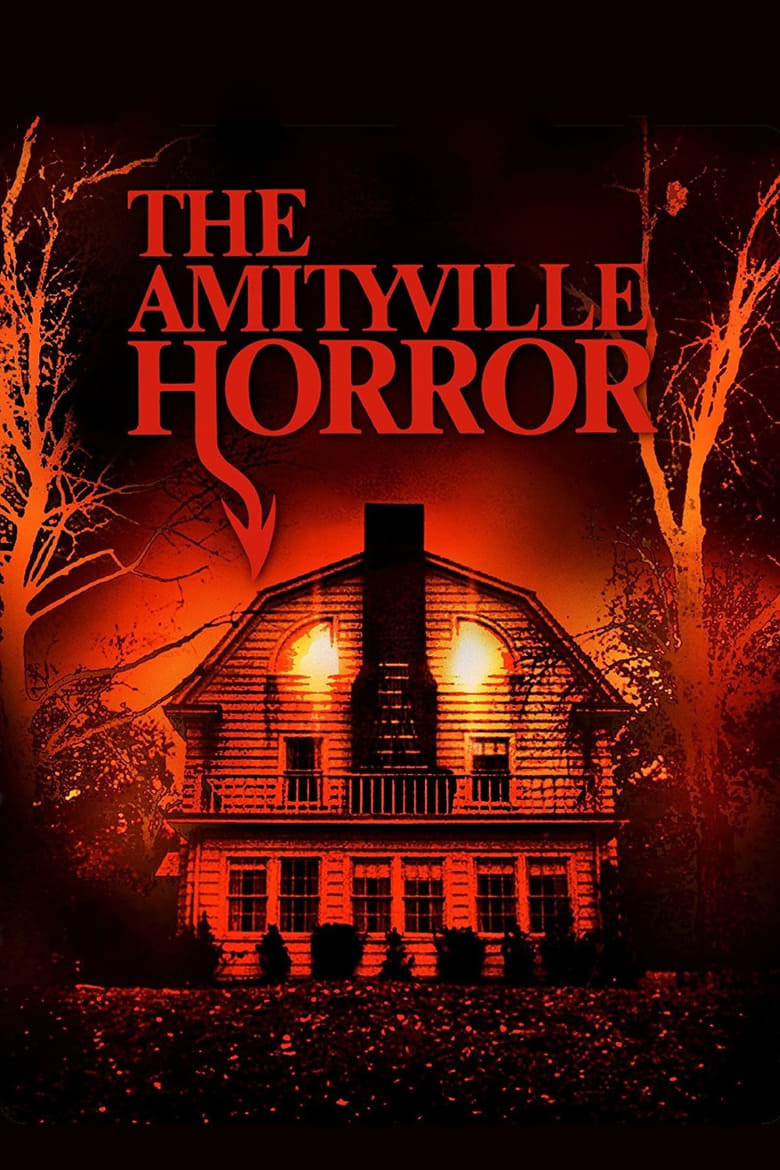
George Lutz, his wife Kathy, and their three children have just moved into a beautiful, and improbably cheap, Victorian mansion nestled in the sleepy coastal town of Amityville, Long Island. However, their dream home is concealing a horrific past and soon each member of the Lutz family is plagued with increasingly strange and violent visions and impulses.
About The Amityville Horror
Why The Amityville Horror still stands out
What gives The Amityville Horror its particular chill is not just that it’s a ghost story, but the fact the spectre sits on top of a real, awful event. The film arrives with the memory of the DeFeo killings as a heavy undercurrent, so when the Lutzes take the house one year later, the audience already knows the ground is poisoned.
Stuart Rosenberg directs a fairly lean, 117-minute thriller that settles on a recognisable domestic cast: James Brolin as George Lutz and Margot Kidder as Kathy. Those casting choices keep the picture anchored in ordinary family life, which is exactly where the horror likes to set up its traps. Family, home and parental protection are baked into the story. The movie's fear works because it asks a simple question: what happens when the place you’re meant to feel safest in starts behaving as if it wants to harm the people inside?
The idea that sets The Amityville Horror in motion
The premise is elegantly simple: a young blended family move into a suburban house one year after a shocking murder at the same address. On the surface it should be a fresh start — in practice it becomes steadily stranger.
Small domestic disturbances pile up. George drifts into behaviour that’s out of character, from sudden volatility to odd obsessions about keeping the house warm, while Kathy begins to have night terrors and glimpses that suggest something is watching them.
Kathy’s curiosity drives the practical investigation: digging through local records, following leads in the library, and ultimately finding clues that tie the property to older, more sinister activity. The discoveries push the family from discomfort towards alarm.
The film keeps the escalation tight: an unseen force locks a babysitter in a closet, the children are put at risk, and the house finally stages a grotesque accumulation of signs — a blood-soaked crescendo, a pig-like apparition at a window and a terrifying moment where a possessed George threatens his family. In the end the family leave, taking the decision to abandon the house rather than risk what comes next.
Why George Lutz matters
George Lutz is the axis around which the family’s safety spins. James Brolin’s character arrives as the practical head of a new household and ends up as the person whose behaviour most directly threatens the family’s survival.
The story deliberately makes George’s decline domestic rather than heroic or spectacular: he becomes volatile, he behaves abusively where once there would have been steadiness, and he develops odd compulsions that make the people closest to him alarmed and uncertain.
George also represents a pressure point for faith and protection. Despite his lack of religiosity, the family’s need for spiritual help draws in priests and neighbours, and George’s changing behaviour becomes the clearest sign that whatever is in the house is not merely an external nuisance but something that can take hold of the people who live there.
The final physical crisis — George falling through the basement in the act of rescuing the dog and the family’s flight from the property — underlines how the character’s trajectory is bound up with parental instinct. In the end, George is both a victim and a threat, which is what makes him a memorable centre for the film.
The Amityville Horror has more on its mind than the plot suggests
At heart the film is less interested in the mechanics of haunting than in what a house can do to a family. The themes are plain: family, the idea of home and what parents will do to protect their children.
The house functions as a corrosive presence. Small domestic rituals stop meaning what they used to, and ordinary objects and places — a basement wall, a children’s bedroom window — become sites of dread. That shift is what the film keeps returning to.
Spiritual authority struggles in the background. A priest tries to intervene yet is repeatedly thwarted, and at one point falls into a state that removes him as a reliable defence. Those moments make the story feel less like a battle of gimmicks and more like a probe into how fragile ordinary protections can be. When the family ultimately leave everything behind, the emotional point lands: the threat was not just paranormal thrills, it was the loss of the home itself and the realisation that safety can be taken away in ways you don’t expect.
The Amityville Horror could not belong to any other decade
Released in 1979, the film sits at the tail end of a decade that liked to put ordinary people into extraordinary danger and then watch the institutions around them strain. That sensibility — suburban normality meeting inexplicable menace — is very of its moment.
The story’s starting point, a notorious mid-1970s multiple killing, is part of what roots the film in the era. The movie is not merely a haunted-house tale; it’s a picture that rides on the public’s uneasy familiarity with a real crime that happened only a few years before.
That proximity to real events gives the film a particular seventies flavour: a mixture of domestic realism with an appetite for stories that unsettle the settled. It’s why the film feels like a product of its time and also why it still reads as a social unease more than a period novelty.
What has aged — and what hasn't
Some aspects of The Amityville Horror feel timeless: the film’s concern with the family as a unit and the way a home can stop being a refuge still register. Those core themes translate to a modern viewer; the idea that the place you love can turn dangerous is persistently unnerving.
Other elements survive because they’re simple and straightforward. The domestic unraveling — a man becoming oddly controlling, a mother with nightmares, children with an unsettling imaginary friend — reads as credible anxiety, not cheap shock.
Where the film’s age shows is in how it stages authority and intervention. Moments in which spiritual figures try to help but are mysteriously compromised can feel heavy-handed now, but they also underline how isolated the family becomes, which is still effective.
Ultimately the decision the family makes to drive away and leave their possessions behind keeps the final beat emotionally honest. It reminds modern audiences that the story is about losing a home, not just about seeing scary things in the dark.
Why The Amityville Horror still matters
For many viewers the film endures because it fused a sensational true-crime starting point with a story about an ordinary family's collapse. That combination — public horror folded into private fear — gives the picture a lasting, uneasy energy.
Key sequences linger in the memory: a priest entering the house only to be pushed back by inexplicable phenomena, Kathy’s library research uncovering darker histories beneath the land, and the slow catalogue of domestic violations that make the situation feel inescapable.
The film’s culmination — grotesque physical signs of the house’s corruption, an apparition at a child's window and the terrifying moment when a loved one seems to turn on the family — gives people something specific to remember, not just a vague sense of dread. And the last image is practical and bleak: the Lutzes abandon their home and belongings, which leaves a particular kind of impression. It’s not a triumphant exit; it’s a family cutting ties with a place they once hoped would be safe, which is emotionally stubborn and hard to shake off.
Does The Amityville Horror still hold up?
Yes — but with a rider. If you’re interested in a haunted-house film that treats domestic collapse as the real horror, this still rewards a watch. The Lutz family’s decision to move in, and the way ordinary routines fray into danger, remains quietly effective.
It’s not a picture built on novelty tricks. Instead it trades on the slow accumulation of unsettling domestic details and the failure of ordinary protections — parental instinct, community help, spiritual intervention — to keep the family safe.
The movie’s 1979 pedigree and Stuart Rosenberg’s steady direction mean it unfolds deliberately across its 117 minutes. That pace helps the story feel like a plausible domestic unraveling rather than an excuse for cheap shocks.
If you care about a horror that lingers because it robs its characters of a home rather than simply showing a monster, The Amityville Horror still holds up. It ends not with a neat victory but with a family driving away — and that, more than anything else, is what the film keeps returning to.