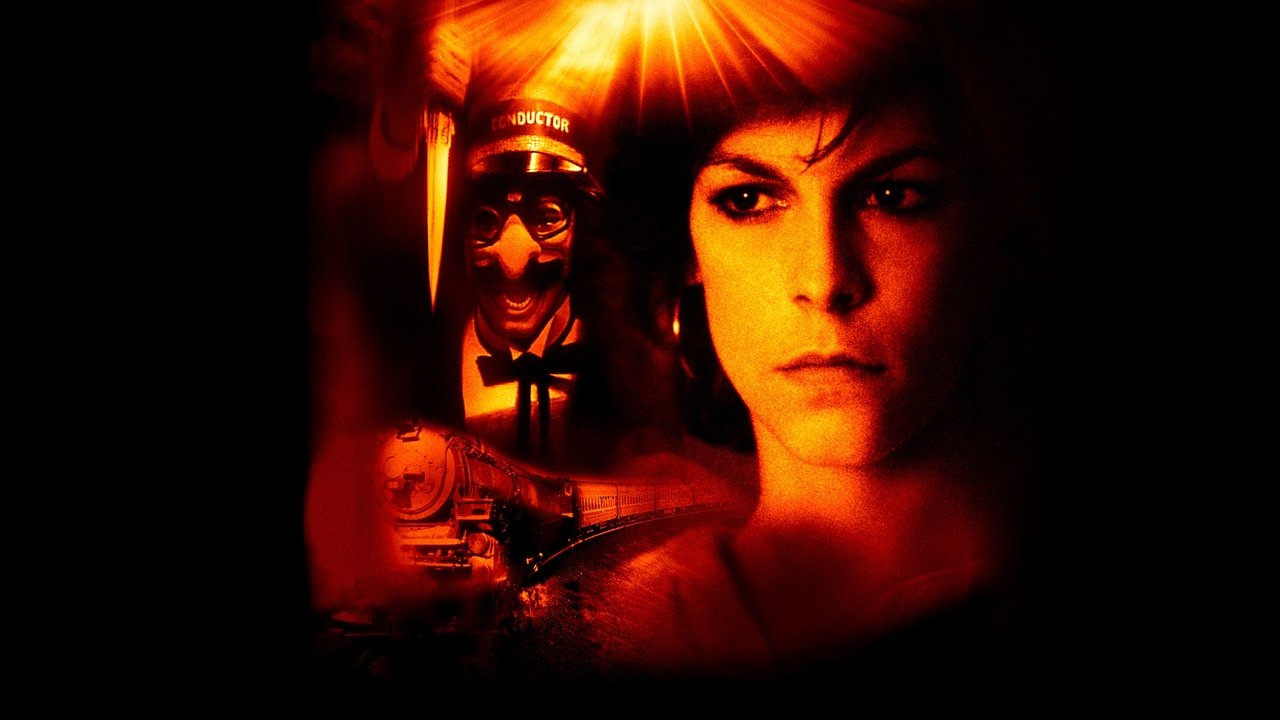
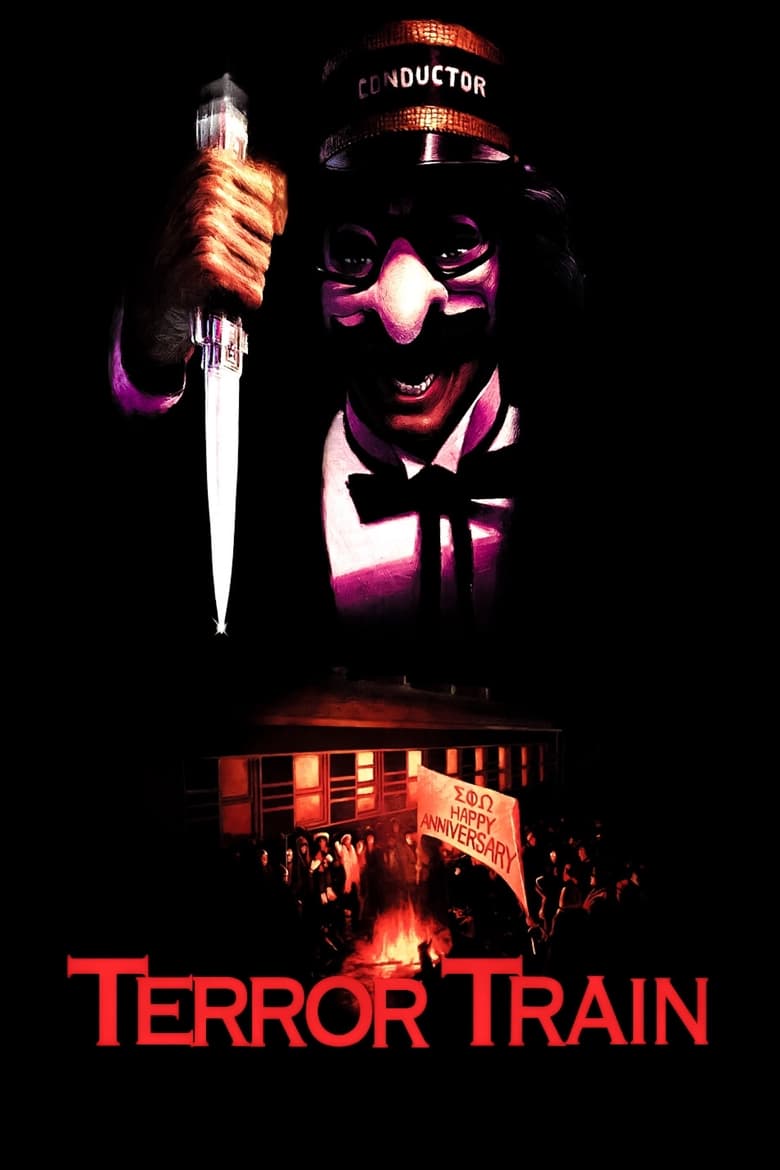
Terror Train
“The boys and girls of Sigma Phi. Some will live. Some will die.”
A masked killer targets six college kids responsible for a prank gone wrong three years earlier and who are currently throwing a large New Year's Eve costume party aboard a moving train.
About Terror Train
Why Terror Train still stands out
It starts with a joke that goes disastrously wrong: at a New Year’s Eve party, Alana Maxwell is pushed into luring the awkward pledge Kenny Hampson into a bedroom with the promise of sex — and he discovers a corpse instead. That single cruel prank sets off the chain the film never stops examining.
From there the set-up is simple and efficient. Three years on, we get a costume party on a train full of former pranksters, a magician and his assistant, and a killer who moves through the carriages disguised by masks and costumes. Roger Spottiswoode keeps it tight — 97 minutes of slasher-thriller business that doesn’t dawdle. It’s the kind of horror that mixes familiar genre beats — masked murderer, students stranded away from help, deaths that escalate — with a sharper hook: the violence is tied to an earlier cruelty, and every reveal reminds you that this is less about random terror and more about something that was started and can’t be easily undone.
Why Carne matters
Ben Johnson’s Carne is the adult on board — the conductor figure who keeps being pulled into the horror and ends up making the blunt, physical choices the students won’t. He’s not a distant authority; he’s the person who sequesters the students when bodies turn up and who takes action when the situation tips into chaos.
When a murder is discovered in the sleeper bathroom and the killer swaps costumes to move among the passengers undetected, it’s Carne who goes looking and who organises the group. That insistence on control gives the film a steady spine amid the escalating panic.
Later, when violence runs its course, Carne is the one who arrives on the final confrontation and ends it with a decisive, physical intervention that forces the story to a close. The conductor isn’t merely a background presence; he is the hand that drags the film back to consequence.
What makes Carne memorable is less a personality trait and more the role he fulfils: where the students stumble, he makes the hard choice and bears the fallout. In a movie about a prank that won’t stay buried, that kind of steady, unforgiving muscle is what the climax needs.
Terror Train has more on its mind than the plot suggests
On the surface this is a slasher: masked killer, isolated victims, escalating body count. Underneath that, the movie keeps returning to the idea of mortality — not only in the literal sense of people being killed, but in how one act pulls the living and the dead into a single, grim orbit.
That initial prank — the cadaver planted as a joke — turns into a kind of trigger. Kenny’s discovery of the corpse leads to his trauma and commitment, and three years later the same group must face the consequences of that moment. Death in the film isn’t random; it’s tied to a past that refuses to stay buried.
The killings on the train repeatedly remind viewers that the bodies are connected to choices made earlier. It’s a neat, harsh moral string: youthful nastiness has a cost, and the film measures that cost in bloody increments.
So the theme isn’t a lofty meditation. It’s practical: mortality in Terror Train is the consequence of a prank, a medical cadaver suddenly treated as a prop, and the way that misuse of the dead keeps returning to punish the living.
Terror Train could not belong to any other decade
Released in 1980, Terror Train sits at the very start of the decade and wears that timing plainly: it’s a horror-slash-slasher-thriller that trades in compact, late‑night scares rather than slow-burn dread.
The set-up — college kids celebrating New Year’s Eve, a party that doubles as a moral crucible, a hired magician and costumed students — is rooted in youth culture and the idea of set-piece entertainment. That combination of party atmosphere and sudden violence feels like a particular strain of early‑80s horror.
Being from 1980 also gives the film a kind of directness. There’s no indulgent subtext; it moves from prank to fallout to bloody reprisal with the briskness of a picture made to deliver a scare and get out. Put simply: the film’s dates and genres anchor it. As a horror-slash-slasher-thriller from 1980, its choices — a confined vehicle, a youth party turned nightmare, and the literal consequences of a nasty joke — feel of a piece with how the decade's genre cinema liked to mix fun with teeth.
Why Terror Train still matters
People remember Terror Train because it ties its shocks to a single, memorable cruelty. That original prank — Alana coaxing Kenny into a room and the cadaver reveal — is the kind of nasty image that lodges in the memory and refuses to leave.
From that point, the film layers gimmicks that stick: a killer who slips through a party in Groucho masks and costumes, murders that occur in tight, private spaces on a moving train, and the constant tension of not knowing which costume hides a corpse or a murderer. Those mechanics make each discovery feel personal rather than random.
There are also moments that force character reckonings: Alana’s suspicion of Kenny and her later apology, Doc sealing himself off only to be killed, the magician being mistaken for the murderer — the movie keeps bringing the past into the present in ways that tighten the emotional knots behind the gore.
Finally, there’s the ending business: Kenny’s relapse and the physical resolution when Carne intervenes. The film’s refusal to let the original joke slide — and to make an adult figure impose consequence — gives it a sense of closure that lingers. You recall not just the kills but the chain of cause and effect that produced them.
Does Terror Train still hold up?
Yes — if you’re after a compact, no-nonsense slasher with a moral throughline. At 97 minutes it doesn’t linger; it ties a student prank to a spree of murders on a moving train and keeps the action focused on how that single act reverberates.
Roger Spottiswoode’s picture delivers the expected genre beats — masked killer, costumed confusion, isolated carriages — but what gives it a bit of extra bite is how the kills are bound to past wrongdoing: Kenny’s trauma after discovering the stolen corpse, the students’ shared history, Alana’s later attempt at repair, and Carne’s final, forceful intervention.
If you like your horror to feel like a lesson as well as a fright, Terror Train offers that in a blunt, 1980 package. It’s a horror-slash-slasher-thriller that doesn’t pretend the violence is abstract; it grows directly from a prank and follows the consequences all the way to the river.
So watch it for the brisk plotting, the trainbound claustrophobia and the way it keeps asking who pays when a joke goes too far. Terror Train still works because it treats its casualties as more than set dressing — and then makes the people who caused them face the music.