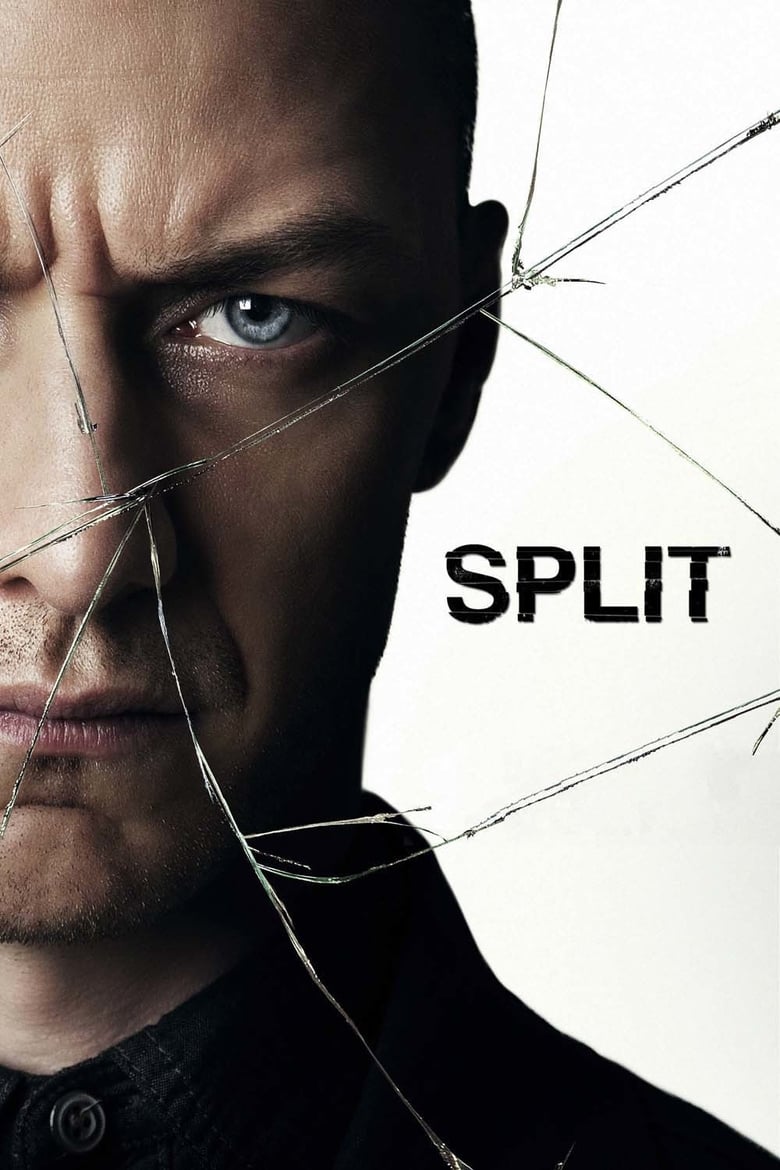
Split
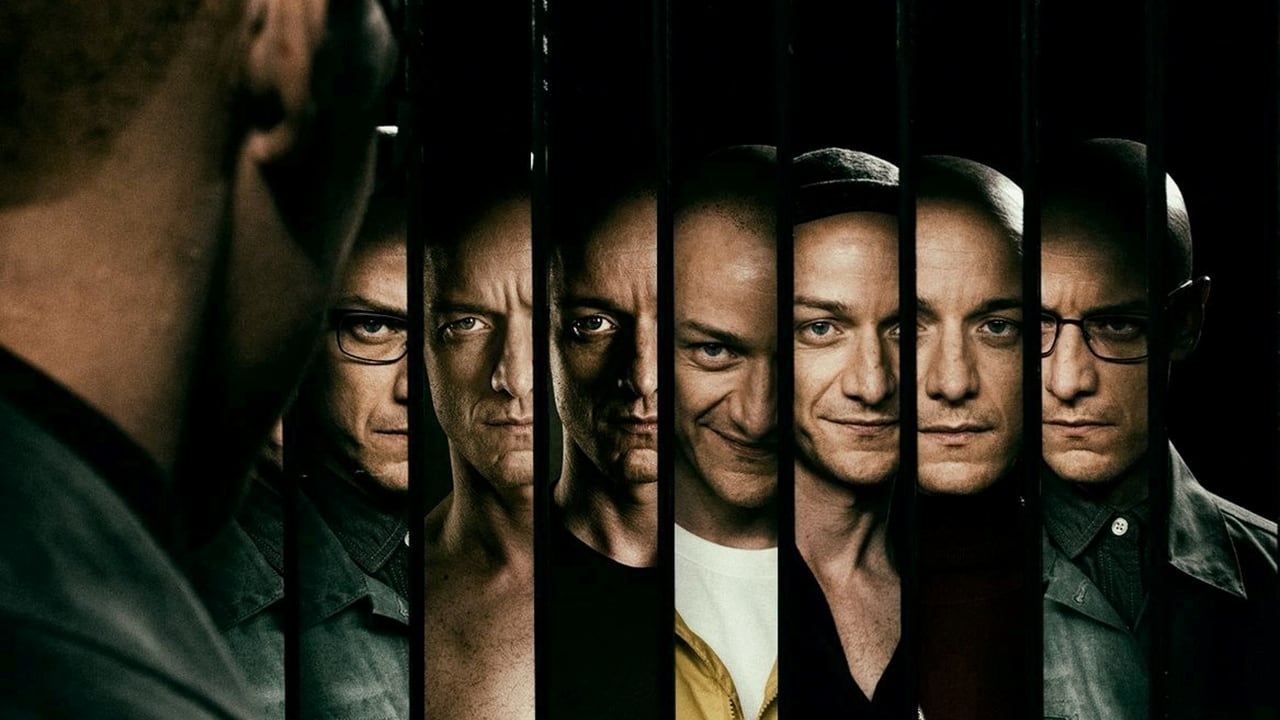
“Kevin has 23 distinct personalities. The 24th is about to be unleashed.”
Though Kevin has evidenced 23 personalities to his trusted psychiatrist, Dr. Fletcher, there remains one still submerged who is set to materialize and dominate all the others. Compelled to abduct three teenage girls led by the willful, observant Casey, Kevin reaches a war for survival among all of those contained within him — as well as everyone around him — as the walls between his compartments shatter apart.
About Split
What makes Split worth revisiting
The film opens in a very ordinary spot: three teenage girls waiting in a car. That small, banal image — a birthday, a lift home — flips in a heartbeat when the girls are taken and buried under the city. It’s a clean, effective set-up that keeps you nervous about every quiet sequence that follows.
This is M. Night Shyamalan’s playground: a director who enjoys the slow tightening of a scene. He rigs the drama around a man named Kevin Wendell Crumb, played on the page as a person split across many identities, and he puts a therapist and three captives into the centre of the argument. That cast of pieces is what lets the movie pivot from thriller into something messier and more unsettling. Split is compact — 116 minutes — and it moves like it knows the rules it wants to break. It’s part horror, part psychological thriller and all about who gets to hold power when more than one voice lives in a body.
The idea that sets Split in motion
At the centre of Split is a deceptively simple premise: a man with dissociative identity disorder — the result of childhood abuse and abandonment — kidnaps three teenage girls and imprisons them. That clinical description understates how the film uses the condition: it becomes the engine for a thriller in which control is constantly contested.
The therapist, Dr Fletcher, pulls on a thread during a session and discovers that one personality has been pretending to be another; that revelation propels her to the lair, where an admission about something called “The Beast” changes the stakes from containment to imminent danger.
There’s also a moral turn that makes the set-up itchier than your average kidnapping story. When the original personality is briefly brought forward, he is horrified at what has happened and begs one of the captives to kill him — a plea that forces the film into an ethical corner and gives the escape sequences a different charge.
And the film keeps its tension by inventing rules that matter: when a near-superhuman presence confronts one of the captives, it stops for a reason that has nothing to do with brute force and everything to do with who is deemed ‘pure’ in the movie’s grim logic.
Why Kevin Wendell Crumb matters
Kevin is not memorable because he’s flashy. He matters because he’s a knot — a character literally made of competing claims about who should be in charge. The fact that James McAvoy plays him is part of the package, but the on-page truth is that Kevin’s condition is written as the engine of the story: his fractured identity is where the film’s stakes and questions live.
The movie also gives Kevin a connection to the film’s quieter theme of family. That background of abuse and abandonment is not decorative: it’s presented as the origin of his fragmentation, which explains why the struggle for control feels so personal and so dangerous.
There’s a crucial moment where Casey finds a note and calls his full name, and the effect is telling — it briefly recalls a simpler, original self. That moment reframes Kevin from an anonymous monster into someone who has lost himself and, in losing himself, left terrible damage in his wake.
Put another way: Kevin matters because Split refuses to reduce him to a single purpose. He’s the story’s threat, its mystery and its wounded centre all at once — and the script asks the audience to hold all of those things together.
Split has more on its mind than the plot suggests
On its surface, Split is a hold-them-under thriller. Under that, it’s a film fussing with authority and power: who gets to decide, who holds sway and what happens when that power becomes absolute. The alters argue about leadership; the film argues with you.
Freedom is handled oddly here. The captives are physically restrained, yes, but the deeper question is about agency — whose will counts? That becomes especially uncomfortable when the movie brings in the language of purity and selection.
There’s also a corporate undertow — the idea that systems and professionals can collude in keeping someone functioning even while darker things happen beneath. The therapist’s satisfaction with the man’s outward normality becomes part of the moral puzzle. And the film flirts with belief in the supernatural. The internal conversation between certain alters about a coming force that will ‘change the world’ gives the story a quasi-religious bent: it’s less about the literal supernatural and more about conviction turned dangerous.
Split could not belong to any other decade
Released in 2017, Split wears its decade on its sleeve through the way it blends genres — thriller, horror, psychological drama — into a compact, personality-driven package. That appetite for mash-ups and for high-concept hooks is very much of the 2010s.
The decade liked films that moved quickly between tones and kept audiences guessing about what kind of film they were watching. Split’s premise — a single body containing a voting contest of identities — is exactly the sort of idea that felt at home in that moment.
It also belongs to the 2010s because of how it places personal trauma centre-stage. Films of the period often used genre trimmings to examine private damage, and Split is a blunt example: the horror is personal before it becomes spectacular.
In short: the film’s ambition to be small and large at once — intimate in its cruelty, grand in its threat — feels like a product of 2010s cinema.
What has aged — and what hasn't
The film’s core setup — teenagers taken while waiting in a car — remains an effective, immediate hook. It’s a simple vulnerability that still reads as tense and believable, even now.
The movie’s teen-horror elements have a durability to them. The combination of youth and peril is a long-standing device in the genre, and Split keeps that tension focused and spare rather than distracted.
Where it still bites is in the quieter, clinical moments: a therapy session that flips the story’s reading of a character is still uncomfortable to watch. Scenes that rely on procedural discovery age well when they keep the moral questions alive.
What’s less easy to defend is some of the film’s larger conceptual moves — the way authority is distributed among identities and how that becomes a kind of absolute test of who’s ‘pure’. Those choices land differently now depending on what you bring to the screen.
Why Split still matters
People remember Split because it holds a set of sharp oppositions in its teeth: captor and captive, therapist and patient, fractured identity and the yearning for a single self. The basic kidnapping — three girls taken and imprisoned — is the dramatic hinge that lets all those oppositions spin.
The film’s insistence that the central man houses many identities (twenty-three distinct alters, with professional oversight from a therapist) gives it a practical cruelty: the danger feels bureaucratic as much as monstrous. One alter’s decision about who gets to control the body becomes a life-or-death policy.
Casey’s backstory — revealed in flashbacks as a survivor of childhood sexual abuse — changes the movie’s currency. Her attempt to use psychology as a tool for escape gives the final confrontation a moral complexity that stays with you: this isn’t just a chase, it’s an argument about what suffering does to people. And the film doesn’t stop at its own story: small, linking details point outward. A late diner scene names a criminal from fifteen years earlier, and a familiar figure replies with a single name — a coda that threads this film into a larger conversation. That kind of connective finishing touch helped make Split feel like both a self-contained thriller and a piece of a bigger puzzle.
Does Split still hold up?
Yes — but with a modest rider. Split remains an effective, sometimes uncomfortable thriller because it funnels a handful of sharp ideas through a compact runtime. Its central conceit — a man with multiple identities who imprisons three girls — still supplies plenty of tension, and the moral knot where Kevin begs to be killed gives the film an unsettling emotional core.
It also holds up because the film doesn’t pretend the horror is only physical. The captives’ repeated escape attempts and the therapist’s discovery that one alter has been impersonating another keep the picture anchored in psychological manoeuvre as much as in action.
That said, some of the film’s conceptual gambits ask for a generous suspension of disbelief. The discussion among certain alters about a coming force and the film’s language of selection and purity land differently depending on what the viewer brings to it. If you’re prepared to be provoked rather than comforted, the film rewards you.
Ultimately, Split is worth watching now when you want a thriller that is equal parts tense and argumentative — a movie that makes you squirm, then makes you think about who should get to decide. It still bites.