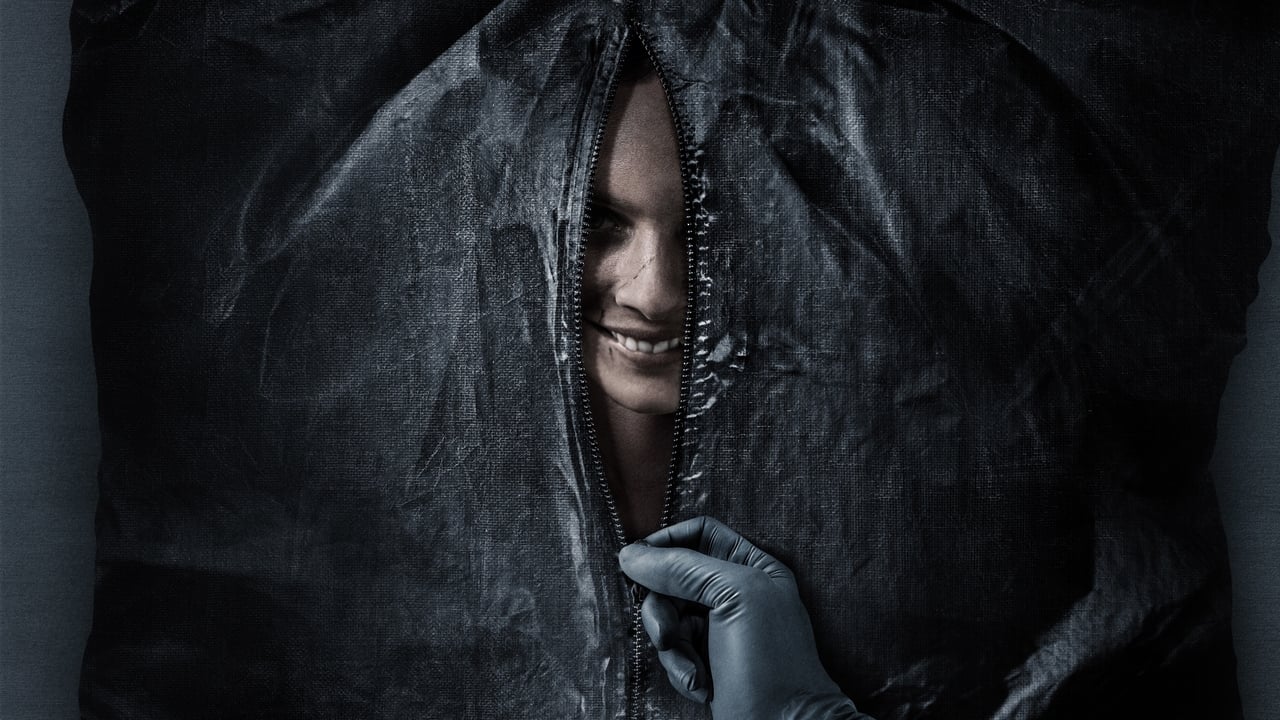
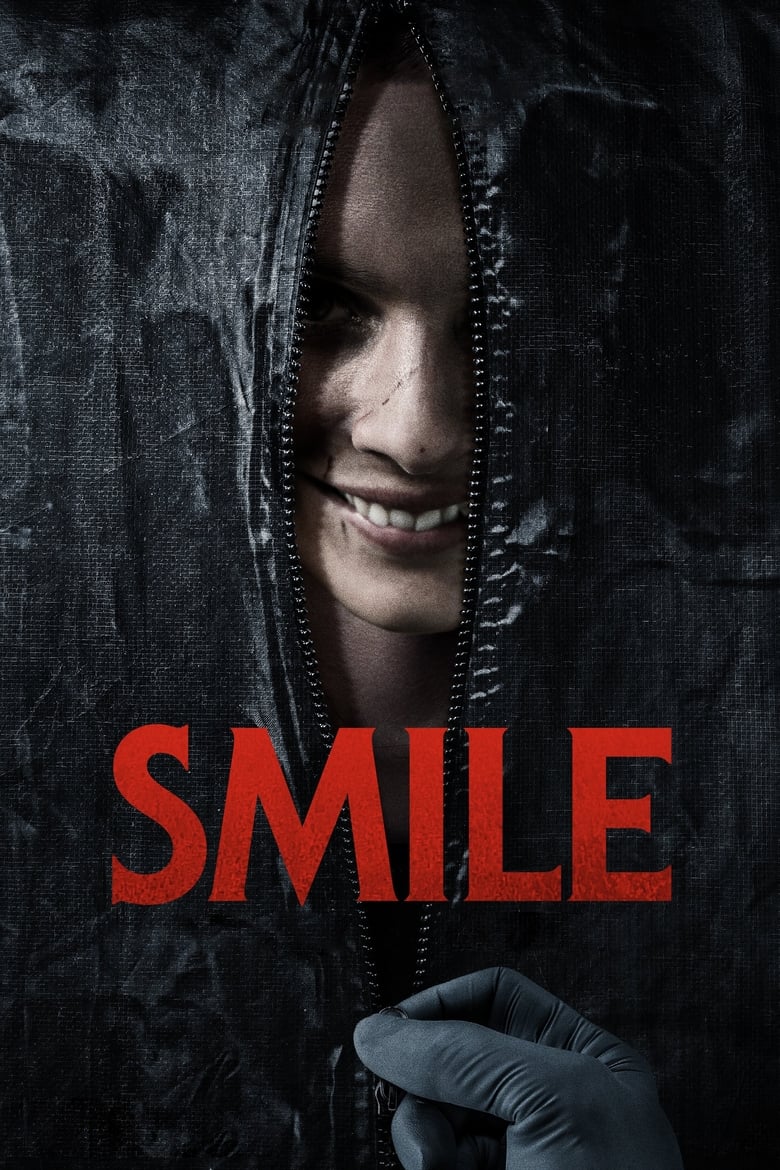
Smile
“Once you see it, it's too late.”
After witnessing a bizarre, traumatic incident involving a patient, Dr. Rose Cotter starts experiencing frightening occurrences that she can't explain.
About Smile
What Smile gets right
The moment that sets Smile off is elegant and vicious: in a psychiatric ward Rose Cotter meets a terrified PhD student who insists something is coming for her — then, in front of Rose, the student suddenly smiles and kills herself. It’s the kind of opening that grabs you by the throat and refuses to let go.
Parker Finn directs with the kind of steady hand that lets that single image expand into a prolonged, invasive dread. Released in 2022 and running roughly two hours, the film treats its horror as a contagion that rides on looks, gestures and memory rather than on neat exposition. At its heart is Dr. Rose Cotter — played by Sosie Bacon — whose professional role as a therapist makes her discovery of the curse both more fragile and more urgent. Smile is a psychological horror that keeps circling themes you don’t expect from a jump-scare movie: family, the idea of home as shelter, and what it means to survive a life haunted by past choices.
The idea that sets Smile in motion
Smile opens very close to a single horrifying premise: Rose, a therapist working in a psychiatric ward, witnesses a patient who insists she’s being stalked by an unseen, smiling presence — and then the patient kills herself in front of her.
That central image isn’t a one-off stunt. The film treats the suicide as the first visible sign of something contagious: witnesses of certain deaths start seeing smiling figures and receive a deadline before the same thing happens to them.
It’s a clean, fright-first hook. Once the pattern is established the story doesn’t have to keep explaining the mechanics — the dread comes from watching a woman trained to help others have every professional certainty stripped away as the phenomenon closes in.
The set-up works because it collapses personal and professional safety into the same fragile thing: Rose must reconcile clinical reasoning with a spreading, irrational horror that makes her refuse the obvious comforts of home and family in an attempt to stop the contagion.
Why Dr. Rose Cotter matters
Rose is the film’s pivot. She is introduced as a professional — someone whose job is to listen, diagnose and hold other people's traumas — and the plot puts her training into a pressure cooker. That role gives the scares a particular sting: this isn’t only about surviving a monster, it’s about losing the job that defines your sense of competence.
Her family life makes that loss personal. She buys a toy train for her nephew, trying for the small acts of normality that anchor ordinary people. But the curse corrodes those anchors: a present becomes a horror beat, familiar faces turn suspect, and her nearest relations suggest she’s simply repeating her mother's illness rather than being hunted by something supernatural.
Rose’s backstory matters because the film keeps returning to it. She once watched her mother die from an overdose, and the entity later appears as that mother — which forces Rose into a reckoning about a painful choice she apparently made in the past. That private history converts the external threat into an intimate reckoning.
Her decision to retreat to the abandoned family home — believing isolation will prevent her from infecting others — is the clearest expression of what the movie asks her to do: choose between saving strangers and protecting the people she loves. It’s a grim, moral bind, and it’s why Rose remains memorable after the lights go up.
Smile has more on its mind than the plot suggests
Under the immediate shocks, Smile is a movie about obligations. Family is everywhere: sisters, nephews, a mother whose death haunts the present. The curse weaponises those ties; it makes the people Rose should protect into the very thing she fears she will harm.
Home stops being refuge and becomes a trap. Rose’s choice to retreat to the abandoned family house is less a cliché survival move and more a moral experiment: if she isolates, can she spare her loved ones? That question gives the film a bleak emotional arithmetic.
Mortality is explicit — the victims receive a short, unavoidable countdown — but the film treats lifespan as a social fact too. Who survives and who passes trauma on becomes a matter of who’s watching and who’s watched. There’s also a politics of control here. Freedom, authority and professional expertise all get tested: a therapist is told she may be simply reliving inherited illness, and institutional authority alternately protects and constrains her. The horror, then, grows from the clash between what Rose knows and what she must accept.
Smile could not belong to any other decade
Smile arrived in 2022, squarely in the 2020s, and wears that timestamp lightly but clearly. It’s a contemporary psychological horror that trades on intimate dread rather than period pastiche.
In practical terms the film is of its moment because it frames a personal, almost clinical perspective on fear: the protagonist is a therapist, and the community of witnesses and professionals around her feel modern in the way they exchange data, records and doubts.
That placement in the 20s matters because the movie trusts small, recognisable social mechanics — phone tracks, police records, family argument — to carry enormous psychological weight. The decade gives the story a specific kind of plausibility.
What has aged — and what hasn't
The human stuff in Smile holds up. The film leans on family dynamics and the erosion of a sense of home, and those beats still read as honest and affecting: the nephew’s toy train, the awkward birthday, the sister who doubts Rose — they keep the horror grounded.
Some plot mechanics also remain serviceable. The movie uses practical, believable moves — asking a detective to check police files, tracking a phone to a house — which helps keep the fear immediate rather than abstract.
Where it’s less defensible is in the film’s insistence that the cure is either brutal violence or complete isolation. That moral dead end can frustrate when you watch it later, because the emotional price the characters pay is very high and very final.
Even so, for viewers who value a horror that ties scares to family and responsibility, Smile still feels like something to watch rather than forget.
Why Smile still matters
People remember the opening, and for a good reason: the patient who smiles and then kills herself is a shock that’s hard to unsee. It becomes the film’s signature image and the engine of a string of similar, escalating moments.
The movie’s concept — that witnessing certain suicides starts a chain reaction of terrified onlookers — gives it a simple, transmissible idea. Once you grasp the rule, the rest of the film becomes a tense game of who’s next and how the curse can be passed on.
There are also memorable interrogations of trauma: a convict in prison suggests the entity feeds on trauma and that passing it on requires brutal action in front of a witness. Those revelations make the horror less random and more morally complicated. Finally, the ending — where Rose tries to stop the contagion by isolating herself, only for the pattern to continue with someone close to her becoming the next carrier — seals the film’s bleak note. It makes Smile linger as a story about responsibility, failed rescue and the costs of survival.
Does Smile still hold up?
Yes — with a rider. Smile’s central image and its moral stakes still land. The initial patient scene, the spreading visions, and the way those moments force Rose to choose between isolation and harm make for a tightly realised idea that rewards a single, focused watch.
It’s worth watching if you want horror that privileges human relationships over mystery boxes. The film is interested in how family, professional authority and past choices shape terror; those threads are coherent and give the plot emotional weight.
If you’re impatient with moral bleakness or want a comforting resolution, Smile isn’t for you. The film’s refusal to offer an easy escape is part of its point: survival comes at a cost, and sometimes the only way to stop hurting others is to sacrifice something you love.
In short: see it for the opening and the way the story ties scares to responsibility, and expect to leave the cinema unsettled — which, for a psychological horror, is precisely the idea.