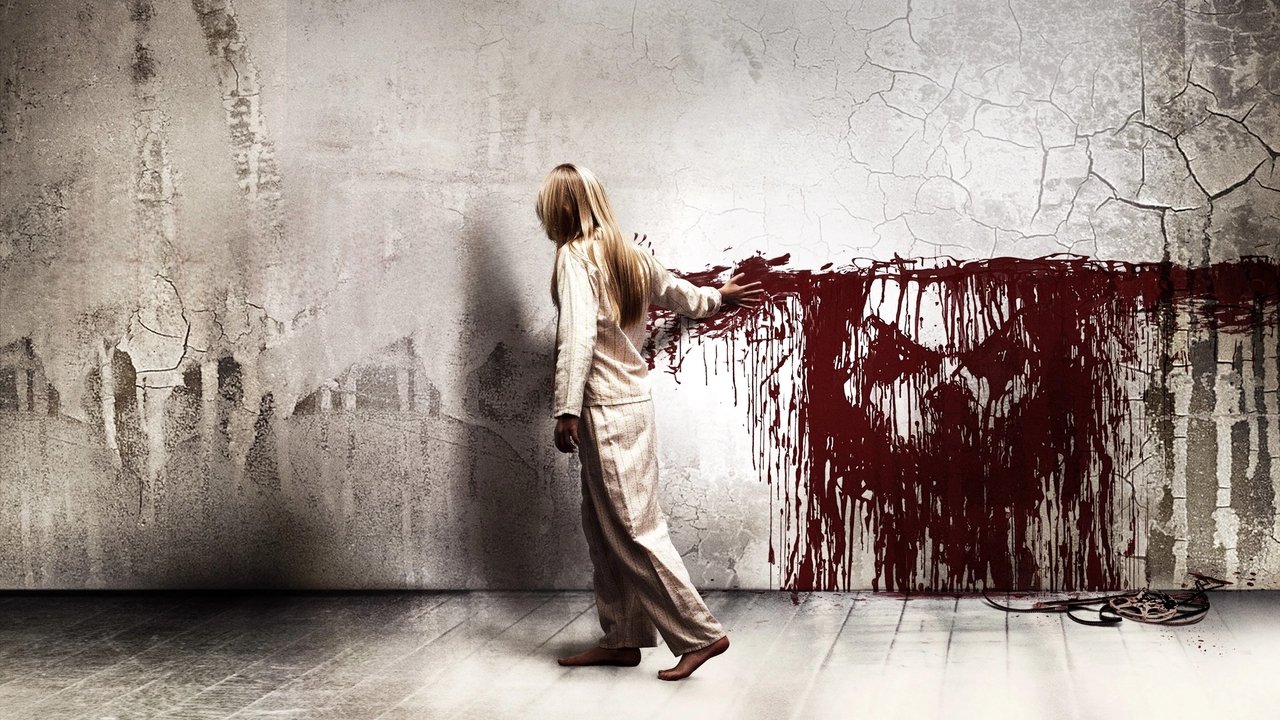
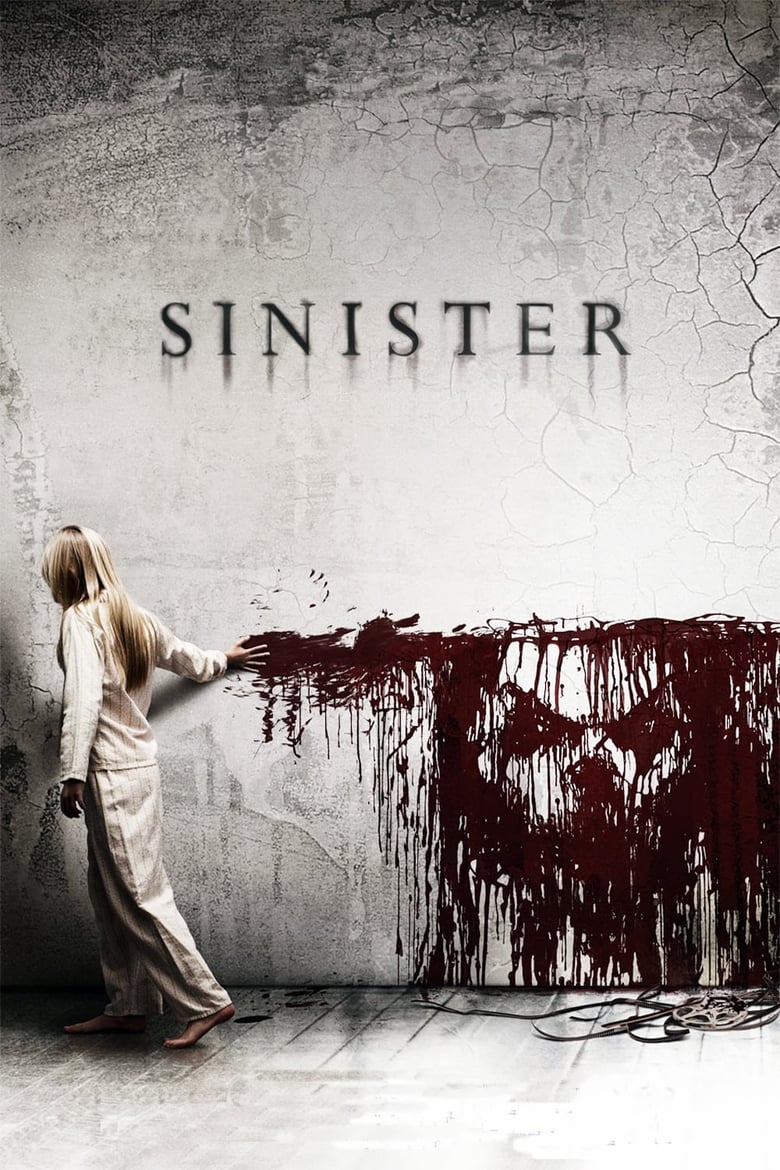
Sinister
“Once you see him, nothing can save you.”
True-crime writer Ellison Oswalt is in a slump; he hasn't had a best seller in more than 10 years and is becoming increasingly desperate for a hit. So, when he discovers the existence of a snuff film showing the deaths of a family, he vows to solve the mystery. He moves his own family into the victims' home and gets to work. However, when old film footage and other clues hint at the presence of a supernatural force, Ellison learns that living in the house may be fatal.
About Sinister
What makes Sinister worth revisiting
You can sum Sinister up at a glance: a one-time success story who’s come up short, a quiet family move, and a piece of evidence in the attic that changes everything. Ellison Oswalt is a true-crime writer whose first book actually led to a capture, and the film is very clear about what he wants next — one more big story to drag him back into relevance.
Scott Derrickson lays a simple trap and then tightens it. The lure is a box of home-movie reels and a projector found in the house Ellison has just moved his family into. Those films show domestic killings — ordinary families done over on camera — and they provide both the mystery and the moral compromise at the heart of the picture. There’s a neat cruelty to the setup: this is horror that lives where the family lives. It uses the everyday — an attic, a projector, a child’s drawing — and makes them the instruments of dread. That blend of domestic reality and creeping supernatural logic is why people still bring Sinister up, years after its release.
The idea that sets Sinister in motion
At base, Sinister is economical. After a string of disappointing projects, Ellison moves his family to a new town with the hope of digging up a case that will revive his career. That move is the engine; what he discovers in the attic is the fuel.
The attic yields a small, awful archive: a projector, reels and other objects that turn private lives into evidence. The home movies don’t look like crime footage so much as family documentation gone monstrous — and they point to a recurring pattern that refuses to let the Oswalts walk away clean.
Local officers, including a deputy who’s oddly keen to help, fill in the practical detail. The deputy pieces together a timeline: the killings happened in different cities over many years, starting with a 1966 case. Each episode leaves a child missing, and the pattern draws a line the family can’t ignore.
As the house starts to affect the children — one begins waking terrified at night, another starts producing disturbing drawings and claims to see someone — Ellison makes a desperate move. He destroys the equipment and takes the family back to their previous home, but the film keeps insisting that some things, once found, can’t simply be left behind.
Why Ellison Oswalt matters
Ellison Oswalt matters because he’s the kind of protagonist who chooses story over safety. He isn’t just a man in peril; he’s a man whose profession and desperation propel the danger. His first book gave him real-world success, and that taste of validation haunts his decisions as much as anything supernatural does.
Moving the family into the Stevenson house is an act of calculation as much as it is of hope. Ellison isn’t passively unlucky; he actively seeks material that will restore his career. That hunger is the practical reason the plot exists and the emotional reason the audience pays attention.
He’s the central point where parental duty bumps up against professional ambition. The films he discovers — and the pattern they reveal, connecting killings across decades and cities — force him to decide whether the story is worth the risk to his wife and children.
And crucially, the danger becomes personal. When he realises the cycle of murders targets families who move into houses previously struck, Ellison understands that any attempt to flee may actually bring the violence closer. The choice narrows from ‘can I solve this?’ to ‘how much will I lose if I fail?’
Sinister has more on its mind than the plot suggests
At surface level it’s a horror mystery. Under the surface it’s about what a parent will do — and what a parent can fail to stop — when the family itself becomes the story. The themes are blunt and domestic: family, parental protection, home as a refuge, and the loss that follows when those things fail.
There’s a moral friction between Ellison’s career impulses and his responsibilities as a husband and father. The house turns that tension into an active force: the very act of investigating drags the family deeper into danger, making the movie less about solving a puzzle and more about the cost of knowledge.
The recurring killings and the missing children thread together the film’s concerns. The deputy’s pattern — that families who move into these houses become the next victims after they try to escape — flips the usual horror move. Running away is not safety; it’s part of the mechanism that keeps the cycle going. So the real subject isn’t just the supernatural entity at work; it’s how ordinary domestic choices — moving for a fresh start, deciding what to tell your partner, letting ambition steer your family’s life — can become the tipping point into tragedy.
Sinister could not belong to any other decade
Sinister arrived in 2012 and wears that moment differently from a fashion statement — it fits into a wave of 2010s horror that loved small, personal set-ups with an archival twist. The attic box of reels is a tidy, decade-appropriate gimmick: analogue objects that act like cursed USB sticks.
The film’s appetite for found footage as evidence rather than mere shock plays to the period’s interest in mixing old media with new anxieties. It’s less about technology and more about how media can collude with evil: these home movies are proof, temptation and weapon all at once.
Put simply, it’s a 2010s movie because it ties contemporary true-crime obsession to a classic haunt. That combination — investigative ambition plus analogue horror — is very much of its moment.
So when you revisit it now you get the feel of that decade’s horror instincts: lean narratives, tight runtimes and a willingness to make ordinary domestic life the stage for something monstrous.
What has aged — and what hasn't
Rewatching Sinister now, its central bargain still stings. The idea of a family move that invites danger hasn’t dated because the emotional stakes — protecting children, keeping a partner safe — are timeless. Those themes remain the movie’s strongest, most effective commitments.
The attic’s physicality — a box of reels, a projector, small objects like a scorpion — keeps the threat tactile in a way that modern CGI can’t replicate conceptually. The film’s reliance on those items to escalate the plot gives it a clarity that’s held up well.
By contrast, some of the story mechanics feel very intentionally narrow: the detective work, the matching of reels to past cases, the deputy’s pattern all exist to tighten the noose. That economy can feel efficient or blunt depending on what you want from horror now — either a focused threat or something more ambiguous.
Where it still works best is its refusal to let the family leave the question of safety unanswered. The film insists that certain choices — moving again, keeping evidence for personal gain — have consequences. That moral concreteness is what makes it watchable today rather than merely a period horror curiosity.
Why Sinister still matters
People remember Sinister because it keeps returning to a single, unsettling image: ordinary family films becoming evidence of atrocity. That archive of footage — families murdered on camera — is its signature. It’s the thing that turns a domestic drama into something persistently creepy.
The film also lingers in the mind because of the way it complicates motive. Ellison doesn’t hand the tapes to authorities straight away; he keeps them, thinking of the career boost they might bring. That choice gives the horror a human, regret-filled root — ambition as the first step toward doom.
There’s also a neat doubling in the movie’s mechanics: the reels are both clue and contagion. They reveal a pattern spanning cities and decades, and they function as the way that the evil spreads. The discovery that missing children play a part in the killings reframes what you think you’re watching and makes the idea of childhood itself disquieting. Finally, the film sticks because of its moments of sheer cinematic stubbornness: the projector that refuses to stay dead, the return of the films when thought destroyed, and the small details — odd drawings, a snake in a canister lid — that keep crawling back into the story. Those repeated motifs are why people who grew up with Sinister still talk about its images.
Does Sinister still hold up?
Yes — with a caveat. If you want a lean, morally knotted horror about family and the costs of curiosity, Sinister still delivers. Its combination of true-crime appetite and haunted-house mechanics gives the film a focused spine: a writer hoping to revive his career finds physical proof that drags his family into harm’s way.
It helps that the film doesn’t overstay its welcome: at 105 minutes it tells its story with the kind of economy that suits its premise. Derrickson’s direction keeps the domestic details central — the attic, the projector, the children’s drawings — so the scares feel like extensions of the family drama rather than separate set pieces.
Where it may frustrate modern viewers is the bluntness of its moral choices. The plot depends on Ellison holding onto dangerous material for personal gain, and the mechanism that converts found footage into contagion is explicit rather than mysterious. If you prefer ambiguity, that clarity can feel unsatisfying; if you want a compact, effective scare, it’s precisely what the film offers.
So should you watch it? Absolutely — but go in expecting a tight, domestic horror that makes you squirm by making the family itself the battleground. It’s not sentimental about home; it treats safety like a fragile thing you have to choose to protect rather than a place you can rely on forever.