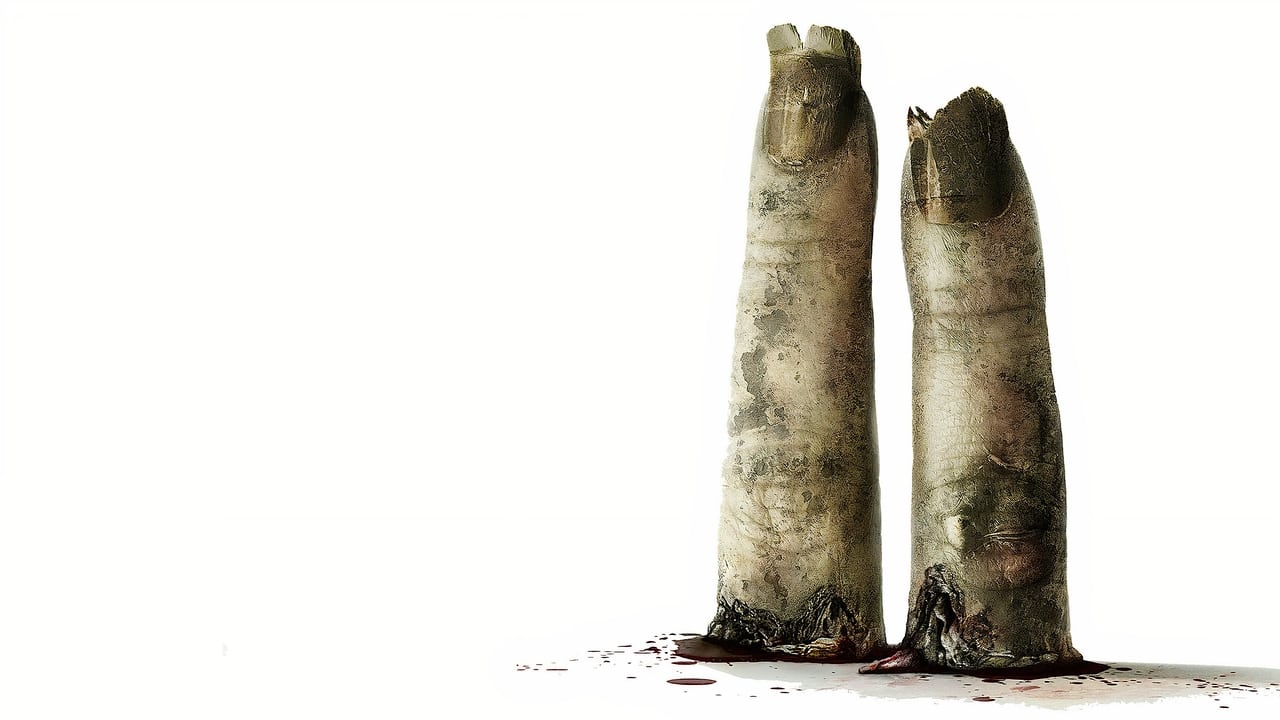
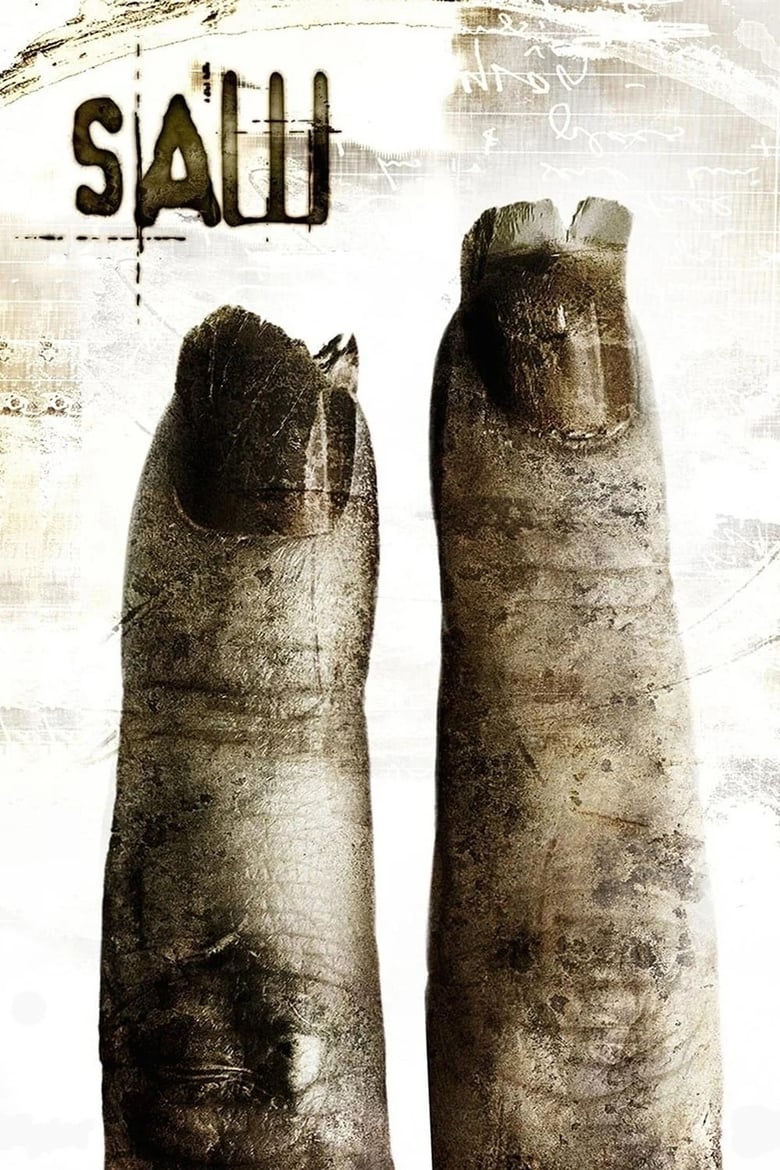
Saw II
“Oh yes... There will be blood.”
The chilling and relentless Jigsaw killer returns to terrorize the city once again. When a gruesome murder victim emerges with unmistakable traces of Jigsaw's sinister methods, Detective Eric Matthews is thrust into a high-stakes investigation. To his surprise, apprehending Jigsaw seems almost too easy, but what he doesn't realize is that being caught is merely another piece of Jigsaw's intricate puzzle.
About Saw II
What makes Saw II worth revisiting
Remember the image that locked the original Saw into people’s heads? Saw II starts with a smaller, crueler echo: a man waking up with a spike-filled mask clamped to his face and the camera offering no mercy. That opening trick — a private panic made public — tells you exactly what the film is going to do with terror and time.
Darren Lynn Bouseman keeps the engine lean. At 93 minutes it moves with the breathless efficiency of a ticking clock: police, traps, a house full of strangers and one detective, Eric Matthews, who has everything he loves shoved into the same orbit. The movie’s pleasures aren’t in subtlety; they’re in the bleak cleverness of its mechanics and the way those mechanisms collide with ordinary loyalties. And yes, the cast matter: Donnie Wahlberg is the cop who’s dragged into the puzzle, Shawnee Smith returns as the traumatised survivor Amanda, and Tobin Bell’s Jigsaw still writes the rules. That trio anchors a film that’s equal parts splatter, slasher and a perverse kind of family melodrama.
The idea that sets Saw II in motion
Rather than repeat the single-room guilt exercise of the first film, Saw II scatters its cruelty across a house packed with people and a poison that will kill them in hours. Jigsaw's promise to Eric is simple: follow the rules of my game and you will find your son alive and safe. Follow the wrong impulses and you won’t.
That bargain is what makes the premise work. It turns a procedural police hunt into an ethical stopwatch: the detectives must buy time to trace a signal while a different, crueler timeline runs inside the house. The urgency shifts the film from puzzle-box horror into something much more intimate — a family crisis cross-cut with survival theatre.
The traps themselves push characters into revealing who they are. The cassette that promises antidotes, the keys and combinations, the moments when people decide whether to cooperate or grab for themselves — all of it forces choices that feel as telling as any confession.
And the payoff leans into betrayal. Amanda’s role in setting up Eric’s test rewires the film’s loyalties: the game isn’t only about punishment, it’s about recruiting people into the same mission. That revelation reframes the earlier scenes and makes the movie less a spectacle and more a personal wound.
Why Eric Matthews matters
Eric Matthews exists at the awkward junction of duty and selfishness. He’s the cop who responds to a message left at a murder scene, but he isn’t just chasing a killer — he’s chasing his son and, with that, his own ability to protect and control.
That parental instinct is the clearest thing that drives him. Family is the lens through which his choices make sense; the film keeps forcing him to choose between procedure and the one person he can’t bear to lose.
There’s also a wrinkle: Eric isn’t a saint. The story reveals he once used his badge to frame suspects, which complicates our sympathy and turns his rescue mission into something like penance as much as rescue.
For the film’s purposes, Eric is a useful pressure point. His decisions set the pace of the outside search and his vulnerabilities make the film’s moral experiments feel urgent rather than academic.
Saw II has more on its mind than the plot suggests
On the surface it’s about traps and survival. Dig a little deeper and the movie is concerned with lifespan: how close you live to death, how much of your life is measured by the choices you make when the clock runs out.
It’s also obsessed with home and safety. The house that contains the victims is meant to be a refuge; turning a domestic interior into a sealed death chamber twists that idea until it’s almost funny in its cruelty. The point is to make the familiar feel dangerous.
Family and parental protection sit at the heart of its emotional engine. Eric’s hunt isn’t an abstract procedural beat — it’s a father trying to claw back his son from a system that’s already judged him. That makes the stakes feel messier and more combustible than a standard slasher setup. Finally, the film wants you to ask about authority. Who has the right to decide what counts as a second chance? Jigsaw’s methods are monstrous, but the questions he raises — about accountability, about forcing people to confront themselves — hang in the air after the film’s shocks.
Saw II could not belong to any other decade
Released in 2005, Saw II sits squarely in the 2000s appetite for genre films that pushed boundaries while keeping stories economical. There was a taste then for compact, high-concept horror that traded slow burn for immediate, stomach‑level reaction.
This film exemplifies that impulse: short running time, sharp premise, and a tendency to prioritise a clever set-piece over long-winded explanation. You can trace a through-line from that era’s appetite for cleverness and intensity to the way Saw II stages its moral puzzles.
It’s also a movie of its moment in the way it handles spectacle as a storytelling device — not an aside, but the main argument. The traps, the countdowns and the reveal-structure are all there to move the emotional dial quickly and brutally.
That doesn’t make it a relic; it simply places Saw II in a decade that favoured tight, idea-driven horror rather than lingering psychological unraveling.
What has aged — and what hasn't
What still works is the way Saw II uses family tensions to make its shocks land harder. Framing the test as something with direct consequences for a father and son keeps the film emotionally readable even when the violence is deliberately extreme.
The film’s insistence on home-as-danger remains effective. Turning a domestic space into a trap forces a quick reassessment of safety that still unsettles — it’s a simple structural move that continues to pay dividends.
Where it might wobble for modern viewers is in tolerances: the film is unapologetically splattery and cruel, and those edge-of-spectacle moments can feel like style trumping empathy. But if you accept the rules early, the movie still delivers a tight, remorseless ride.
Ultimately, its core themes — family and the violation of safety — haven’t dated. They still give the film a moral chord to ring beneath the gags and the wounds.
Why Saw II still matters
There are small images from this film that stick: the police informant waking with a death mask clamped to his face; monitors revealing eight people trapped in a house; the clock that says they may have only hours. Those are the kind of concrete, savage set pieces people remember.
The film also expanded the series’ language. Introducing a house full of interlocking traps and the idea that antidotes and clues are hidden like cruel scavenger-hunt prizes gave the franchise a blueprint for larger, more elaborate tests.
And the twists linger: the discovery that some players are connected to the detective investigating them, that the footage wasn’t live, and that survivors may be corrupted into allies — those turns sharpen the film’s moods of betrayal and moral ambiguity. Finally, the ending choice — Amanda revealing herself as an accomplice and sealing the fate of the man trying to save his son — sticks because it converts the film from courtroom moralising into a personal, ugly resolution. It’s the kind of conclusion that keeps conversations going long after the credits.
Does Saw II still hold up?
Yes — if you know what you’re signing up for. Saw II is a compact, often brutal entertainment that trades slow-building dread for tight, moralised set pieces. Its 93‑minute runtime and relentless premise mean there’s almost no fat to trim; what you get is exactly what it promises.
The movie’s emotional engine — a father trying to find his son while a houseful of strangers fight for their lives — still gives the gore a context that matters. The needle it pokes at mortality, home and parental protection keeps the stakes readable rather than arbitrary.
Where modern viewers may balk is the film’s cruelty as spectacle: some scenes push endurance over empathy, and a few plot turns are engineered to shock rather than illuminate. If that sounds like a problem, this isn’t the Saw for you.
But for anyone who appreciates tight, idea-driven horror that makes family a battleground, Saw II remains a clever and unpleasantly effective piece of genre filmmaking — a film that still knows how to make the familiar feel lethal.