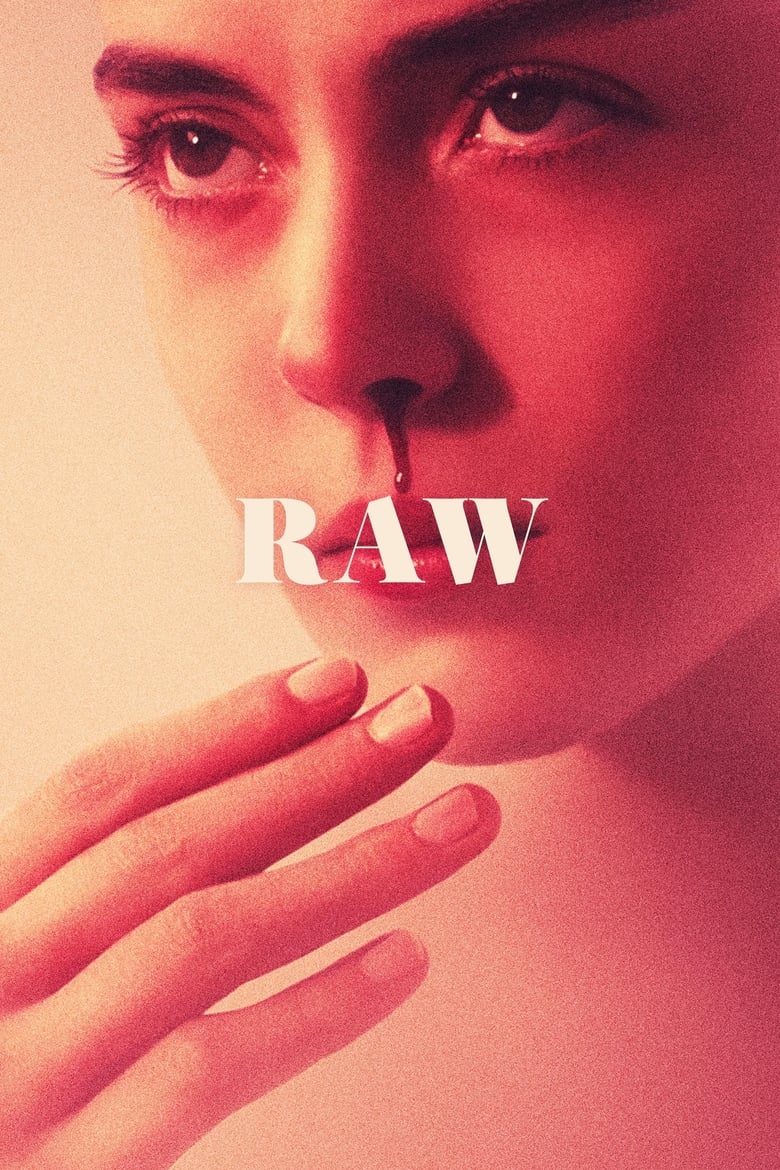
Raw
“What are you hungry for?”
Stringent vegetarian Justine encounters a decadent, merciless, and dangerously seductive world during her first week at veterinary school. Desperate to fit in, she strays from her principles and eats raw meat for the first time. She soon experiences terrible and unexpected consequences as her true self begins to emerge.
About Raw
Why Raw still works
Call it an instigator’s movie. It starts with a simple, very specific setup: a lifelong vegetarian called Justine arrives at veterinary school — the same one her older sister went to, the place their parents met — and everything that follows is set off by that contradiction between who she thinks she is and where she now must belong.
Julia Ducournau wastes no time. In a tidy 99 minutes she turns rites of passage, sibling rivalry and bodily panic into a single propulsive piece that sits squarely between horror and drama. It’s sharp, unnerving and oddly intimate. And yes: Garance Marillier is Justine, Ella Rumpf is Alexia and Rabah Naït Oufella is Adrien — the trio around whom the film’s gambits and betrayals rotate. Their relationships are the engine, and Ducournau is clearly steering.
The idea that sets Raw in motion
At its heart Raw relies on one neat storytelling shortcut: take a character with a clear identity — Justine, who’s always been a vegetarian — and drop her into an environment that systematically undoes that identity. The first night at vet school is a communal challenge, a week-long hazing that’s supposed to bind newcomers together.
Those rituals aren’t abstract. New students find themselves doused in blood and compelled to eat raw rabbit kidneys. Justine refuses. Her sister Alexia doesn’t let her off the hook and forces her to eat one. That moment is the first small fracture.
From there the setup widens into a kind of escalating secrecy: stolen food runs to a late-night petrol-station trip, furtive bites eaten under cover of darkness, and the slow, shameful arrival of cravings that clash with everything Justine thought she was.
Ducournau uses a few contained incidents — parties, initiation stunts and a trip to the morgue — to make the world feel claustrophobic and mean; the setup works because it traps Justine in other people’s rules while her body starts to rewrite them.
Why Justine matters
Justine matters because she’s both ordinary and unstable — a vegetarian starting vet school; the premise itself contains a little joke that the film refuses to let you forget. Garance Marillier plays that role on the page: the neatness of a chosen identity meets physical compulsion.
Her first tests are social: shown old, blood-soaked class photos by Alexia, then forced to take part in communal eating that directly contradicts her principles. That early humiliation is small but crucial: it’s where peer pressure and family history begin to entangle.
The narrative keeps turning inward. A rash, a diagnosis of food poisoning, the sudden shame of new cravings — these elements pull the story away from mere shock into something more awkward and personal. Justine’s behaviour becomes a language for embarrassment, desire and loss of control.
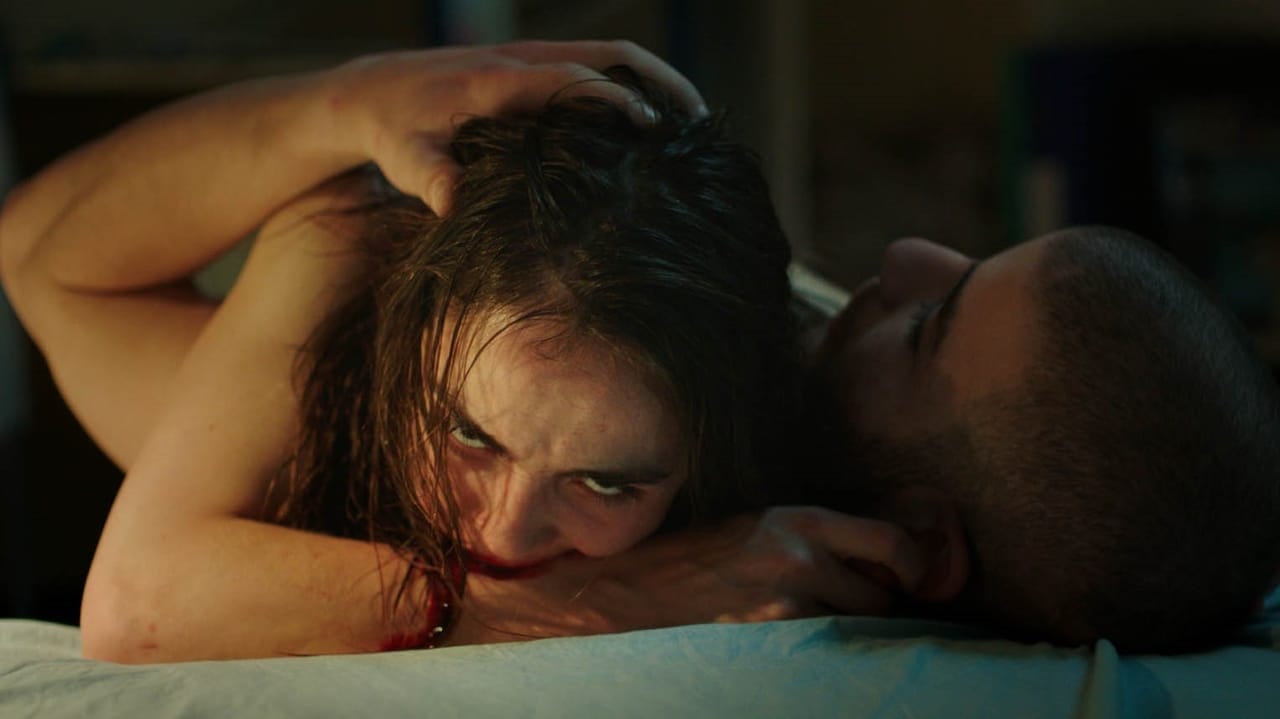
Crucial beats — a party kiss that ends with her biting a boy’s lip, the confession to Adrien and the odd, self-harming moment during sex — shift the character beyond the predictable. She’s not only fighting social rites; she’s renegotiating her body’s rules. That tension — identity versus appetite — is why she lodges in the memory.
Raw has more on its mind than the plot suggests
On the surface Raw is a body-horror drama about hunger and transgression. Underneath, two steady ideas hold it up: family and exploitation.
Family creeps in everywhere — not as cosy warmth but as inherited expectation. Justine’s arrival at the same school where her parents met and where Alexia already fits implies a family script she’s supposed to step into, whether she wants to or not.
Exploitation is the other engine: rituals that humiliate, peers who film and egg each other on, and a sister who both protects and pushes. The film treats those dynamics as ordinary, which makes the later escalation feel less like surprise spectacle and more like consequence. Put together, those themes make Raw less a horror about monsters and more a story about the ways people are pressured — by kin, institutions and peers — into versions of themselves they may not recognise.
Raw could not belong to any other decade
Raw arrived in 2017, at a moment when cinema was comfortable mixing genre boundaries and audiences were ready for films that blurred arthouse and shock. That timing matters: it allowed Ducournau to shape a compact, confrontational story without the pressure to fit neat marketing boxes.
The 2010s were fertile ground for directors who wanted to subvert expectations, and Raw’s willingness to put uncomfortable social rituals centre-stage feels very much of that moment. It’s a film that trades on intensity and specificity rather than broad strokes.
There’s also a 2010s appetite — forgive the wordplay — for small, distinctive voices making bold first statements. That climate helped a compact 99-minute film reach viewers who were looking for something that both unsettled and meant something.
In short: Raw sits comfortably in the decade’s taste for risk-taking cinema that prioritises idea and impact over conventional comfort.
What has aged — and what hasn't
Two things still feel fresh. First, the family angle — the pressure to conform to an inherited life path — continues to land. That setup doesn’t depend on trends; it’s a human squeeze that reads the same now as it did on first watch.
Second, the film’s willingness to show escalation without moralising still works. The story ends with Alexia imprisoned and Justine sent home, which leaves the fallout visible rather than neatly resolved. That stubborn refusal to tidy things up still rewards viewers who want consequences, not catharsis.
Where Raw can strain modern nerves is its deliberate use of exploitation as both subject and device. The hazing scenes and the way peers egg each other on are meant to feel ugly; for some viewers today those sequences can read as set pieces rather than character work, depending on tolerance for provocation.
Overall, the parts that lean on family ties and the uncomfortable truth of peer pressure have aged better than the elements that exist mainly to shock. The film still bites; whether the bite is for you depends on how you respond to cinematic provocation.
Why Raw still matters
People keep returning to Raw because its central image is simple and stubborn: a vegetarian in a school of blood. That neat contradiction — spelled out by Justine’s background and the school’s rituals — is a cinematic hook that’s hard to shake.
Moments like the forced communal eating of raw rabbit kidneys, the humiliations at parties and the way peers capture and replay someone’s worst moment give the film a social nastiness that resonates. Those are scenes that lodge in the memory precisely because they feel like things that could happen anywhere tight-knit groups form.
The sibling thread also stays with you. Alexia’s extremes — including a moment that forces Justine to witness violent, performative behaviour on a roadside — complicate the usual sister-protects-sister idea. When Alexia ends up imprisoned and Justine is sent home, the film refuses to hand us an easy reconciliation. Finally, the family reveal at the end — a father who suggests these things aren’t purely the sisters’ fault — turns a personal crisis into inherited mystery. Raw endures because it keeps its moral mess visible rather than smoothing it away.
Does Raw still hold up?
Yes — for a particular kind of viewer. If you want a tidy horror with comforting payoff, this isn’t it. But if you’re drawn to compact films that use shock to interrogate family pressure and exploitative social rituals, Raw remains sharp and unsettling.
At the centre is the simple, effective set-up: a lifelong vegetarian arrives at vet school and is pushed into rites that contradict everything she believes. Those beats — the forced eating, the shame, the new cravings — give the film a moral and physical tension that still compels.
Julia Ducournau’s short, intense construction (99 minutes) leaves little fat. It trusts the audience to sit with discomfort, and it finishes without tying every thread into a comforting bow. Alexia’s fate and Justine’s return home keep the film’s consequences visible rather than erased.
If you’re curious about a horror-drama that treats sibling rivalry and hazing as engines rather than window dressing, Raw is still worth the watch. It’s a bite that lingers — and not just because it’s grisly.