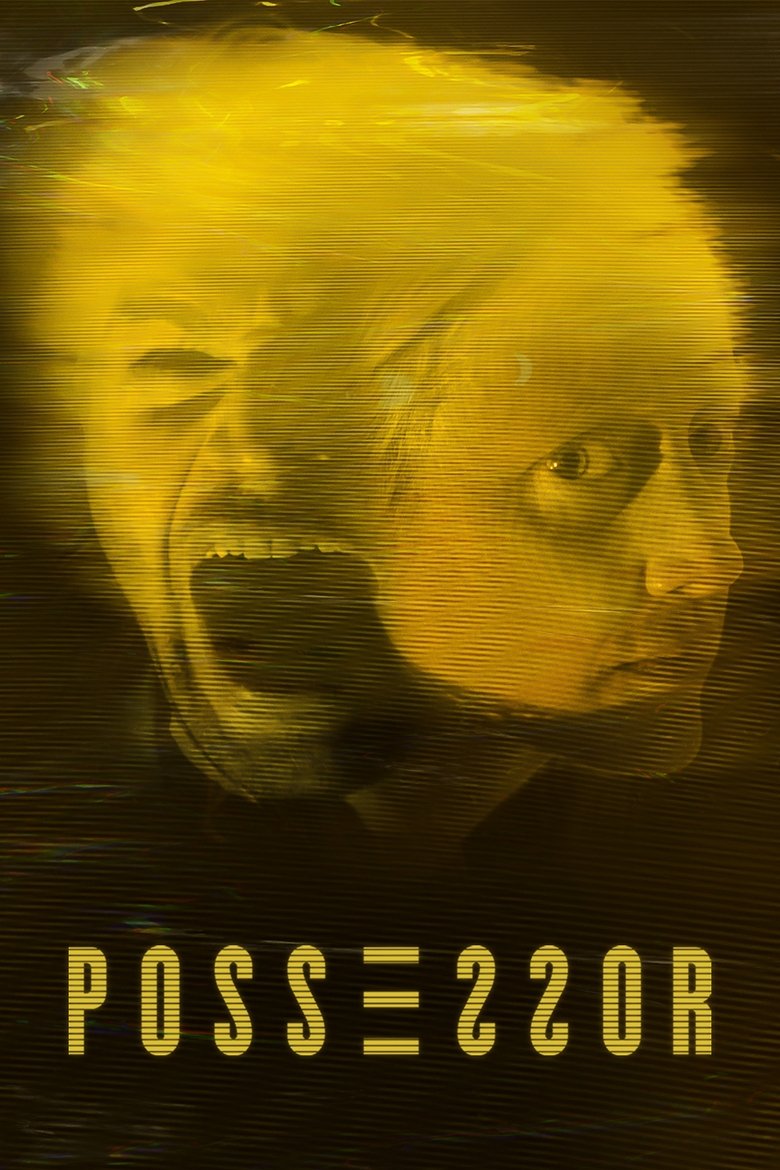
Possessor
“No body is safe.”
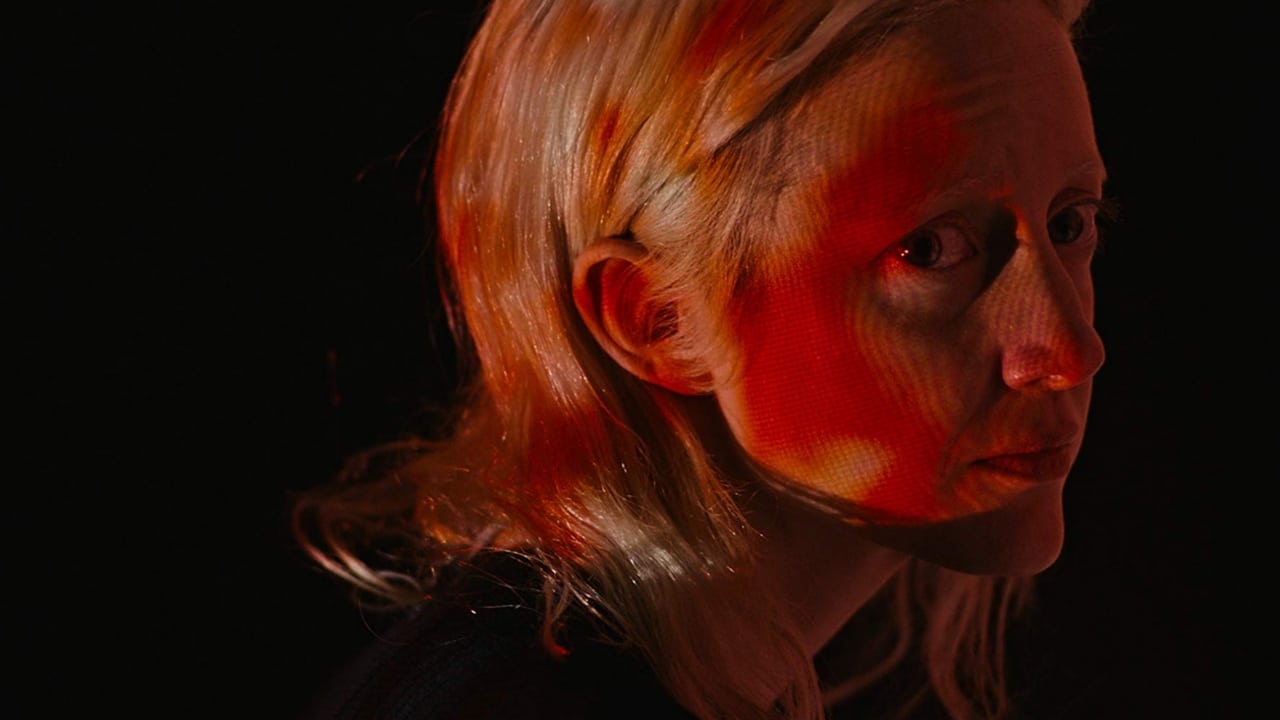
Tasya Vos, an elite corporate assassin, uses brain-implant technology to take control of other people’s bodies to terminate high profile targets. As she sinks deeper into her latest assignment, Vos becomes trapped inside a mind that threatens to obliterate her.
About Possessor
Why Possessor is still worth talking about
There are thrillers that shove you into danger from the outside. Possessor intrudes from the inside: its central conceit is an assassin whose consciousness slips into other people's bodies to carry out hits. That simple mechanism does two things at once — it creates a tight, terrifying premise and turns the quiet moments at home into potential crime scenes.
Brandon Cronenberg built the picture around that idea and kept the running time lean — just over an hour and a half — so the film never stops hounding you. Andrea Riseborough plays the woman at the centre of it all, Tasya Vos, and the movie spends as much time on the aftermath of possession as it does on the hits themselves. What keeps the film nagging at you are the personal costs. Vos's neurological breakdowns start creeping into bedtime and sex; her handler, a retired killer called Girder, thinks she'd be sharper without attachments; and the image of a woman sorting childhood keepsakes — pausing on a pinned butterfly — keeps returning like a small, accusing echo.
The idea that sets Possessor in motion
At its heart, Possessor is a tight what‑if: someone can be forced into someone else's body and made to do horrible things. The film treats that setup as a machine — cold, efficient and liable to jam in catastrophic ways.
When the mechanism falters the consequences are immediate and brutal. A dissociative episode ends with one of the film’s characters killing a supposed ally during a chaotic moment of awareness.
Another late confrontation underlines how unreliable control can be: an on‑screen struggle ends with a man killing someone close to the possessor and then performing an act that suggests the possessor may still be pulling invisible strings.
Taken together, those failures show why the premise works as more than body horror: the possession mechanic produces moral and practical fallout that reaches into friendships and family, not just the assassins’ trade.
Why Tasya Vos matters
Tasya Vos is the engine. The story is structured around her ability to drop into other people and the moral rot that ability encourages. That single job description — a professional who inhabits other bodies to do the killing — makes every close, ordinary scene in her life feel precarious.
She isn't just a specialist; she's someone trying to keep a family while doing work that demands erasing other people. The movie is interested in the contradiction: the same person who can adopt a stranger's gestures to the letter also has to rehearse being a wife and mother.
That split is resisted and policed from outside. Girder, the retired operative who supervises the programme, openly criticises Vos's desire to remain attached to a husband and child, arguing she would be better at her work without them.
What makes the character memorable is that tension — between a person who must be precise and a life that asks for mess, memories and obligations. That clash is what turns her life into a ticking problem rather than mere backstory.
Possessor has more on its mind than the plot suggests
On the surface it's a thriller about high‑tech murder. Underneath, Possessor keeps returning to a handful of obsessions: family, freedom and who gets to tell other people what to do. The film frames those ideas around memory and the way identity can be taken apart and reassembled.
Authority shows up in two guises — the corporate or institutional power that runs the possession programme, and the personal authority of someone like Girder who expects obedience. The film stages a conflict between those controlling forces and the frail human attachments Tasya refuses to abandon.
Memory is also weaponised: when another consciousness breaks through and gains access to Vos's private recollections, the boundary between attacker and victim collapses. That crossover makes family life a battlefield rather than sanctuary. Mortality and power hover behind the action. The method of returning to one's body — and the cost that method exacts — makes every kill a negotiation about life, agency and who ultimately pays for professional detachment.
Possessor could not belong to any other decade
Coming out in 2020, Possessor sits squarely in a moment when cinema has been obsessing over technology's personal costs. Its concerns about control, surveillance and the corporate reach of new systems feel like a natural conversation for the early 2020s.
The film uses a near‑future mechanism to make present anxieties literal: if a company can insert consciousness into your head, the idea of 'choice' becomes complicated very quickly.
That debate — about who owns agency and how institutions enforce obedience — is a 2020s conversation as much as it is a genre conceit. Possessor folds the decade's questions into a compact thriller rather than a sprawling polemic.
So while it wears the trappings of cyberpunk and cold procedural violence, the movie's timing gives its nightmare a particular urgency: it's not ancient science fiction, it reads like a warning from the near present.
What has aged — and what hasn't
The parts of Possessor that centre on family still land. Making Vos's attachments specific — a husband and a son — gives the formal weirdness a human weight that hasn't dulled. The film still makes you wince when domestic routine collides with the job.
The argument pushed by Girder — that killing will be cleaner without personal ties — also reads the same now as it did on first viewing. The moral bluntness of that position helps the movie avoid coy ambiguity; you know what the stakes are.
The scenes where another consciousness breaks through and rummages through Vos's memories keep their punch. The idea that an invader could not only take a body but access its private life remains unnerving.
And when that breach becomes physical and someone turns up at Vos's home demanding answers, the shock of intimacy turned violent still shocks. That central collision — family space invaded by the consequences of the work — is what survives.
Why Possessor still matters
Possessor remains a film people mention because it anchors its high concept in human terms. The job mechanic — slipping a consciousness into an unwitting host using an implant — is a striking image, and the detail that the possessor returns by forcing the host to kill themselves gives every assignment a grim cost.
The film is relentless about how that cost reaches into memory. Vos’s habit of sorting personal objects during debriefings, and the recurring image of a childhood butterfly she once killed, gives the plot a small, obsessive centre that lingers between scenes of procedural brutality.
When assignments go wrong the consequences are visceral: an implant damaged during a desperate struggle causes internal harm, and the protagonist finds she can neither leave the host's body nor simply reassert control. Those failures force the central ethical collision — whose life is it, really? — into violent reality. The final chain of events — another consciousness gaining access to Vos’s life, the invasion of her home, and the revelation that someone close was being used as a host — ties the personal to the professional in a way that keeps the film feeling like more than a gore exercise. It leaves you with the image of a life reduced to loose parts, and a question about what freedom costs.
Does Possessor still hold up?
Yes — but it's not an easy watch. Possessor remains a precise, unsparing piece of work about a killer whose technique is to live inside other people. The film never lets you slip into complacency: the implant mechanic and the suicide‑return protocol keep raising the ethical temperature.
What gives the film legs today is how it balances bodily horror with domestic stakes. Vos's worsening neurological symptoms and the way violent thoughts leak into ordinary moments — putting a child to bed, intimacy with a partner — make the whole thing feel consequential rather than merely stylistic.
Brandon Cronenberg keeps the runtime tight and the narrative focused, so the film's obsessions — family, authority, memory — arrive sharp and unblurred. The recurring debriefing moments with Vos sorting keeps the emotional thread intact even as the plot grows horrific.
If you can handle a thriller that punishes its characters for trying to keep both home and work, Possessor still rewards. It leaves you thinking about the price of professional detachment — and whether the freedom some people sell is, in the end, freedom at all.