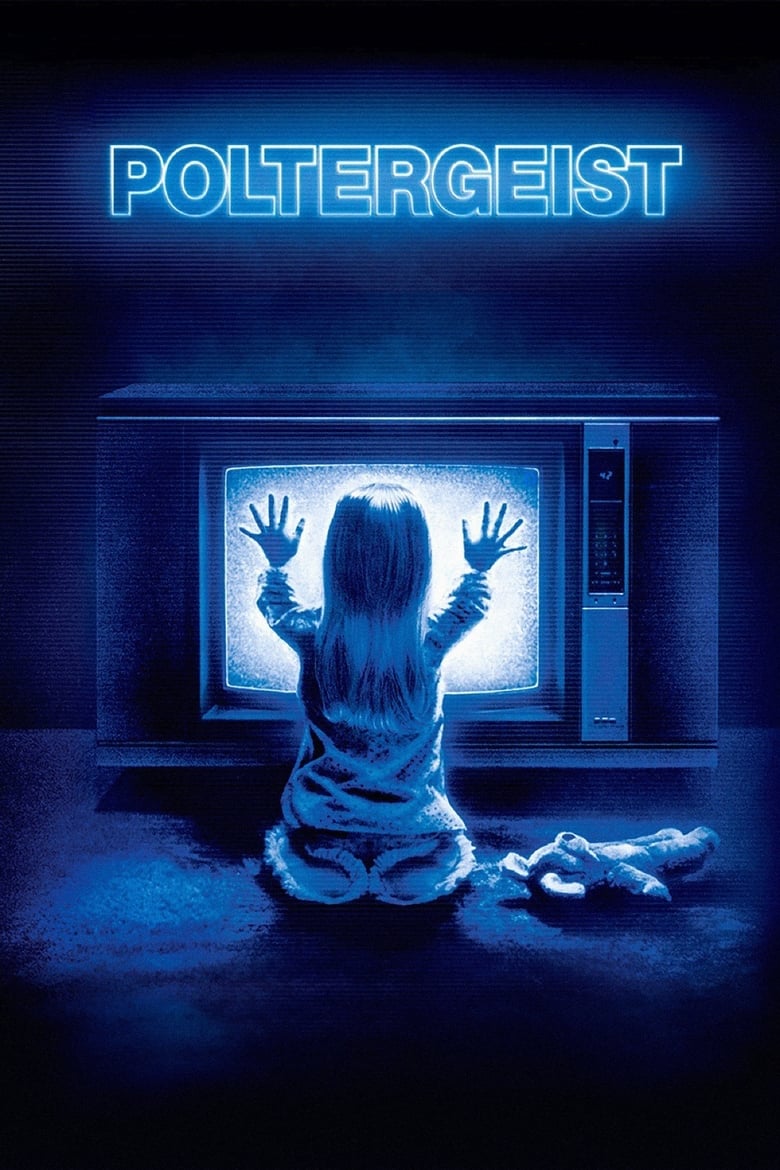
Poltergeist
“"They're here."”
The Freelings' suburban home becomes the center of paranormal activity that opens a portal to the 'other side'. With help, they must cross over to get their daughter back.
About Poltergeist
Why Poltergeist still stands out
There’s something quietly unnerving about a film that begins in a housing development and treats suburban calm as a fragile promise. Poltergeist makes its family — the Freelings of Cuesta Verde — feel like the sort of people who’ve done all the sensible things, then watches the sensible things start to fail.
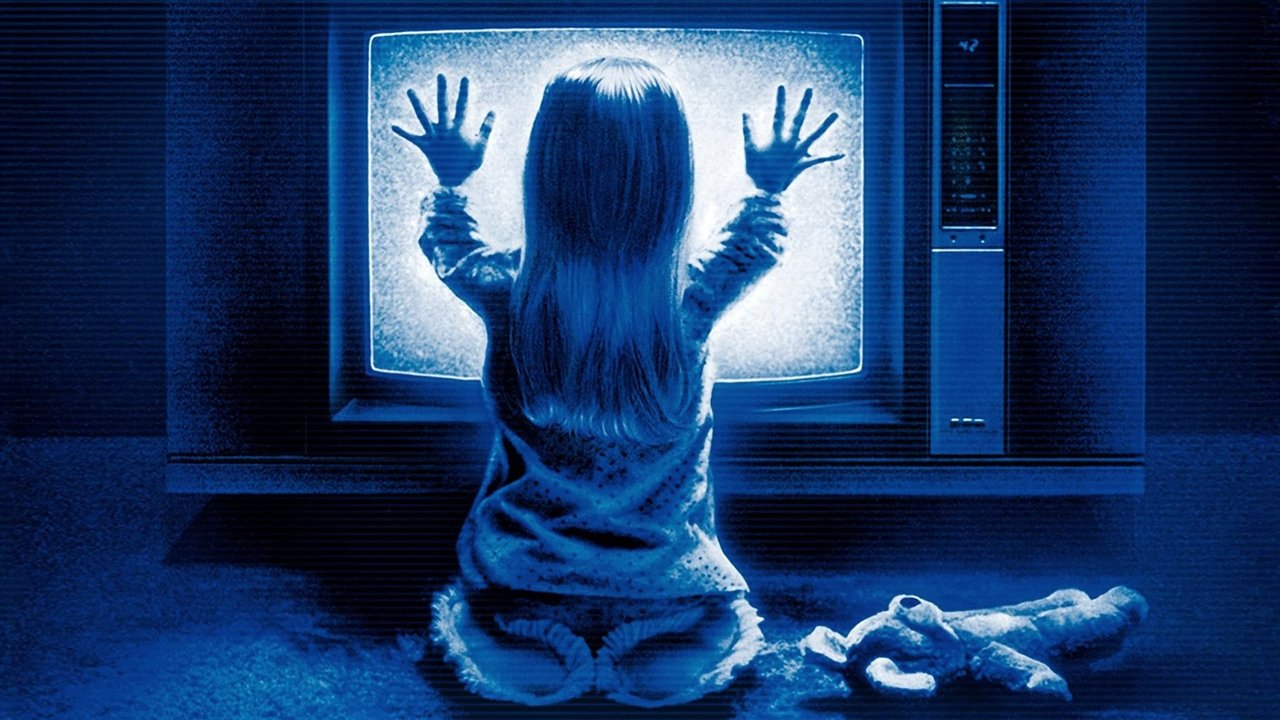
Tobe Hooper steers the picture through 110 minutes that keep sliding from domestic detail into outright menace: a young girl conversing with the television, a pale hand coming through the screen, and the small, escalating oddities that sour the house’s safety. Those moments are simple, strange and very, very memorable. At its heart it’s about people you recognise: a father who’s trying to hold everything together, a mother trying to keep the kids safe, and the children themselves — especially the little girl who becomes the focus of something otherworldly. That combination of everyday life and supernatural intrusion is why Poltergeist still gets people talking.
The idea that sets Poltergeist in motion
Poltergeist opens in a recognisable family setup: parents with teenage and younger children, settled into a planned community. Life there is outwardly tidy, but the film lets small failures accumulate until they become threatening.
It starts with tiny, uncanny incidents: a child talking to the television while the screen shows nothing but static, odd household breakages and things moving by themselves. What begins as eerie curiosity slips into outright alarm when a pale hand reaches from the set and the house itself begins to protest.
Those incidents lead to a darker discovery: the place where the Freeling home stands has a buried history. An explanation arrives partly through experts and partly through the family’s frantic efforts to understand what they’re facing — and to rescue their child, who becomes trapped in another plane of existence.
The set-up works because the stakes are straightforward and human. The family tries to do the sensible thing — get away, call in help, pack up — but the problem has roots that are not visible on any property deed. That tension between ordinary precautions and an extraordinary threat is the engine that drives the story.
Why Steve Freeling matters
Steve Freeling is the family’s practical anchor. We’re told who he is in the small choices: the fact that he leaves the house to go to work while his wife mindfully looks after the kids is a detail that sets up what happens next.
That choice — pressing on with the day while home responsibilities rest with Diane — is the sort of ordinary decision that the film then uses to ratchet tension. It’s not a moral indictment; it’s a way of showing how easily the routine can be ruptured.
Steve’s presence is the movie’s reminder that fear in Poltergeist is never abstract. It’s a threat that arrives at the family and demands action: to pack, to run, to try to protect the children when the house stops being a haven.
Which is why his instinct — and the film’s response to it — feels important. When the Freelings end up checking into a motel and Steve removes the TV, the gesture says everything: fight the thing where it’s strongest, and try to reassert the rules that keep your family safe.
Poltergeist has more on its mind than the plot suggests
On the surface it’s a ghost story. Underneath, it’s about what people do to protect home and family when the rules that made those places feel safe stop working. That’s why the film’s domestic details — toys, cutlery, a TV set — matter more than any single jump scare.
Parental protection is central: the film keeps returning to the idea that children need guardians who will go to unusual lengths. When a child is pulled into a closet that isn’t just a closet, the movie frames rescue as an active, risky work rather than a plot convenience.
Mortality and belief sit beside those family concerns. The spirits in Poltergeist are not anonymous threats; they’re unresting presences drawn away from what should have been a passage to the afterlife, and that makes the conflict feel oddly intimate rather than purely atmospheric. Finally, there’s a neat inversion at play: technology and the ordinary things of modern life — screens and planned developments — are where the supernatural shows up. That connection keeps the horror personal, because it invades the very mechanisms people use to feel secure.
Poltergeist could not belong to any other decade
Released in 1982, Poltergeist sits early in the decade but already carries the period’s preoccupations: modern domestic life, the uneasy faith in progress, and technology that promises convenience but can also feel alien.
The film uses the trappings of a contemporary household — most famously the television — as the site of the uncanny. That choice anchors the supernatural in the same everyday objects that were reshaping family life in the 1980s.
Because of that, the movie reads like a conversation with its moment: not just a ghost story but a picture of how the early 1980s imagined safety, community and the new domestic technologies people trusted.
Seen this way, Poltergeist is of its decade without being a museum piece. It uses 1982 as a launching pad for scares that still feel immediate because they attack the idea of modern security itself.
What has aged — and what hasn't
What still hits is the emotional simplicity: the family is the thing you care about, and the movie keeps its threats focused on them. That clarity helps the scares land now as they did then — they interrupt parenting and ordinary life, which is still unsettling.
Several sequences remain effective because they trade on cumulative dread rather than showy novelty. A child pulled into a closet and the slow escalation of household oddities feel disturbingly plausible in their own, domestic way.
Other elements age differently. The film’s reliance on specific household technology as a locus of terror shows its moment — and that can either charm modern viewers or read as period detail, depending on what you bring to it.
Finally, the film’s choice to underline family and home — packing to leave, the small ritual of removing the TV at the motel — keeps it grounded. Those gestures are simple, understandable reasons the story still works for an audience today.
Why Poltergeist still matters
People remember Poltergeist for images that lodge themselves under the skin: a child talking to static, a hand emerging from a screen, a tree that turns predatory. Those concrete moments give the film a handful of scenes you can summon instantly.
It also remembers its characters. The crisis revolves around how a family reacts — calling in parapsychologists, bringing in a medium, and ultimately fighting to pull their child back from a place she never should have been asked to go.
There’s a bleak little twist to the horror: the development was built over graves, but the bodies were not where the markers stood. That discovery turns civic blandness — a new neighbourhood — into something troubled, personal and unforgiving. And finally, the ending beats — the frantic rescue, the house imploding into another realm, the family hurrying away and taking the television with them — leave a residual image of survival that sticks with viewers who grew up with the movie.
Does Poltergeist still hold up?
Short answer: yes — for a lot of viewers. Poltergeist still works when you watch it as a family horror: its concerns are domestic, its scares arrive in ordinary rooms, and its dramatic moves revolve around the cost of protecting children and home.
The film’s central images — a hand from the television, a closet that isn’t simply storage, a parent threading a rope into another realm to retrieve a child — are the sort of set pieces that stay lodged in the mind. They’re simple, physical and emotionally charged in a way that still registers.
If you’re put off by period detail, remember the film runs a tight 110 minutes and keeps its focus narrow. It’s not trying to astonish with complexity; it’s trying to unsettle you by overturning the everyday, and that project remains effective.
So yes: watch it. Watch it because it remembers how frightening it can be when safety fails, and because it makes the effort of rescue feel like real work. Poltergeist still has a way of turning the familiar into an argument — and it refuses to let you walk away from that argument easily.