Nope
“What’s a bad miracle?”
Residents in a lonely gulch of inland California bear witness to an uncanny, chilling discovery.
About Nope
Why Nope is still worth talking about
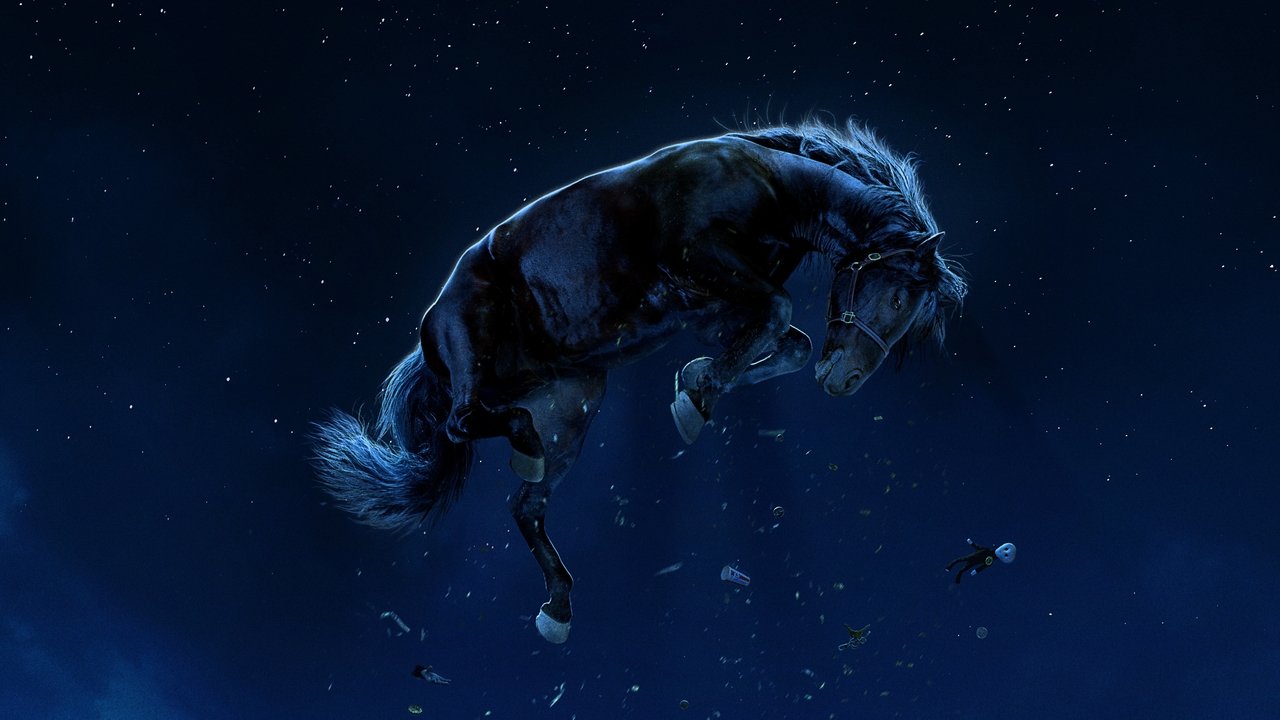
Start with horses. The Haywoods make a living training animals for film work on their Agua Dulce ranch, which is the film’s weirdly specific, stubbornly ordinary anchor. From that stable floor Peele builds something that is equal parts genre bait and family melodrama.
Released in 2022 and running a crisp 130 minutes, Nope is Jordan Peele’s take on horror, thriller, mystery and sci‑fi all at once — a movie that keeps one eye on the monster and the other on the cameras trying to catch it. That tension — creature versus the urge to document — is the motor that drives everything. It’s carried by a small cast of players whose names you’ll remember: Daniel Kaluuya as Otis “OJ” Haywood Jr., Keke Palmer as Emerald “Em” Haywood and Steven Yeun as Ricky “Jupe” Park. But the film is less a star vehicle and more a setup for questions about family, fear, greed and exploitation — the ideas Peele threads through every scene.
The idea that sets Nope in motion
The economy of Nope is simple and effective: the Haywood siblings lose a film gig when their horse, Lucky, reacts badly to a chrome visual-effects ball. That small, awkward incident pushes them back into a life where every horse matters — and where money is always a problem.
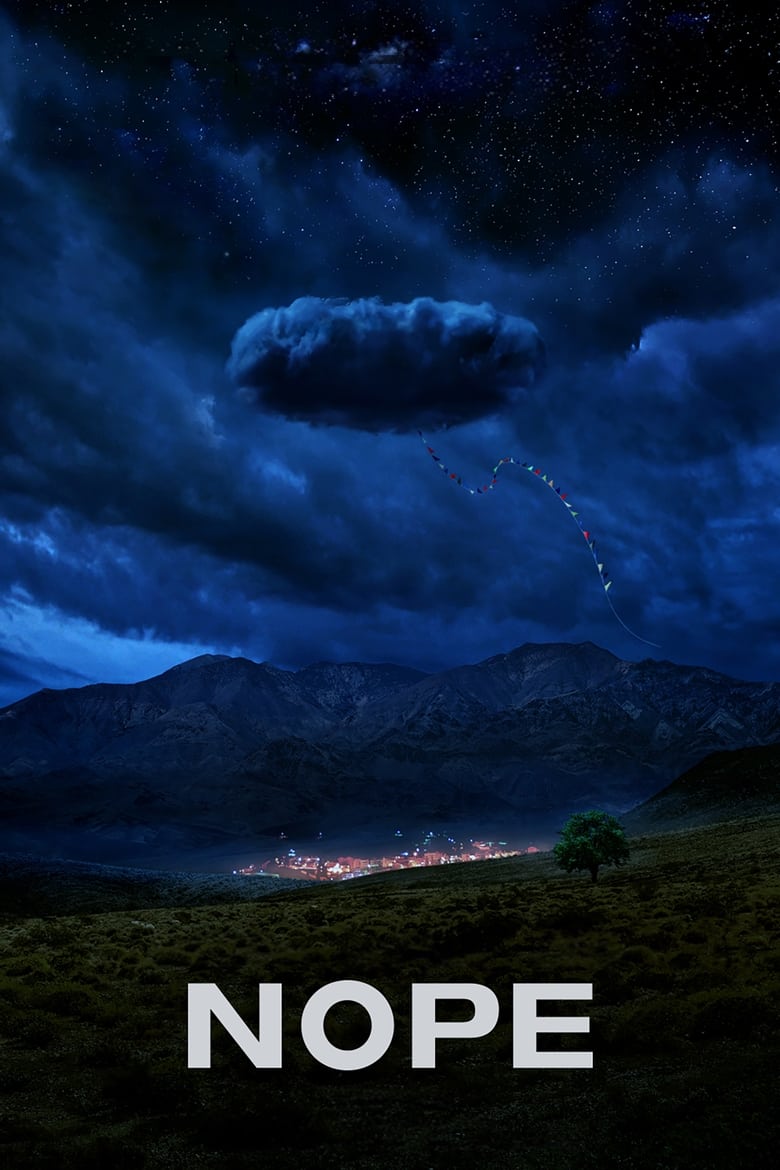
Soon they notice odd things: a cloud that never moves and horses spooked for no obvious reason. Angel Torres, an electronics-store worker, spots the still cloud in the surveillance footage and OJ starts to suspect that whatever’s out there isn’t a ship so much as a living, hunting thing.
Ricky “Jupe” Park, the former child star who now runs Jupiter’s Claim, has already been dangling the Haywoods’ animals as bait — quietly hoping to domesticate the thing after offering it a string of horses. When Jupe stages a live show using Lucky, the creature appears much earlier than anyone expects and the plan catastrophically backfires.
From then on the film pivots into one stubborn question: how do you catch a predator that refuses to be seen? OJ learns that the creature only attacks those who look it in the eye and builds a plan to record it — because in this film evidence is the currency that matters most.
Why Otis "OJ" Haywood Jr. matters
OJ is the quiet fulcrum of the story: a working man whose life is built around animals, contracts and the stubborn duty of keeping the family business afloat. The film opens from his world — the ranch, the horses, the practical grind of a trade that doesn’t allow for theatrical gestures.
That background matters. When the extraordinary arrives, the choices he makes are shaped by the fact that his life is literally yoked to other living things. It’s not high theory — it’s bills, horses and survival, and those practical stakes give the movie its emotional weight.
OJ’s concerns are the film’s moral compass. Family is a running theme, and he’s the sibling most visibly tied to keeping the Haywoods’ work going. That stubborn, domestic focus keeps what could’ve been a spectacle movie tethered to something recognisable and human.
Against characters who are chasing fame or spectacle — like a former child star now running a Western park — OJ’s steadiness gives Nope its centre. He’s the person who sees the cost of chasing pictures, because he’s already lost a way of life to the industry that demands performances from animals and people alike.
Nope has more on its mind than the plot suggests
On the surface Nope is a monster movie about a creature that steals horses and refuses to be framed. Underneath it’s a film about family, the fear that keeps families together and the ugly economics that can pull them apart.
Greed and exploitation sit next to those domestic concerns. Several characters are explicitly attempting to profit from spectacle — whether that’s Jupe flogging trauma for a comeback, or others trying to sell the one perfect shot that will change their lives.
Peele threads fear through those choices. The film shows how terror can be commodified: people will risk themselves and others for a story, for proof, for the image that might finally make them. That tension — fear as both instinct and product — is the movie’s recurring unease. And all of that is anchored in the Haywoods’ day-to-day life on the ranch. By keeping the family at the centre, Nope turns what could be an abstract meditation on spectacle into something specific and immediate: the cost of looking, and who pays it.
The effects work that gives Nope its physical personality
A small visual gag at the film’s beginning — a chrome ball used as an effects prop — matters more than you think. When Lucky the horse reacts to his reflection, the moment feels bodily and immediate in a way CGI can’t simply fake: a real animal reacting to a real object gives the film a tactile starting point.
That single prop helps establish a recurring rule about sight and consequence. The physicality of the horses, the chrome ball and the ranch’s practical trappings makes the later encounters with the unknown feel grounded. The movie trusts the material world to sell the stakes.
So the film’s strange balance — between domestic reality and surreal threat — leans on practical choices. When the extraordinary breaks into the ordinary, you feel that break because the ordinary has been convincingly built first.
In short: the film wants you to believe the horses, and it does so by giving us real reactions to real props. That tiny detail pays off in the scenes that follow.
Nope could not belong to any other decade
Nope is unmistakably a 2020s film by timing alone — it arrived in 2022 — but it’s also part of a broader tendency this decade: genre films that aren’t content to be just one thing. Horror, mystery, sci‑fi and social commentary rub shoulders throughout.
That mixture matters. The early 20s have been a period where filmmakers feel comfortable bending genres to ask modern questions, and Nope sits squarely in that moment: a movie that uses spectacle to interrogate spectacle.
Because it wears its release date proudly — it’s a 2022 picture through and through — Nope reads as a product of its time without being a period piece. It takes a contemporary appetite for big images and turns that appetite into both the problem and the solution.
In other words, it could only have been made in a moment when audiences were already thinking about what images are worth — and what we’ll risk to get them.
What has aged — and what hasn't
The domestic heart of Nope — a family who trains and handles horses for film work — remains a firm anchor. That specificity keeps the film feeling fresh: it’s not trying to be every small-town horror, it’s rooted in one very particular life.
The themes it leans on — family and fear in particular — still land. The film’s treatment of how fear shapes decisions and relationships doesn’t belong to a moment; it’s an old worry dressed in new clothes, and that’s why it still resonates.
There are also choices that deliberately court discomfort — the movie asks you to watch people gamble with others’ safety to capture an image. That moral awkwardness hasn’t dated; if anything, it feels sharper now because the trade-offs the characters accept are recognisable. Finally, the Jupe–Gordy backstory (a child‑star sitcom gone wrong) gives the film a darker, humane counterpoint to the spectacle. It’s an ugly tale that keeps the movie honest about the cost of entertainment — and it still stings.
Why Nope still matters
Nope matters because it wrapped a creature feature around a very particular set of anxieties: the Haywoods’ work with horses, the nickel that hits Otis Haywood Sr., and a world in which people are ready to sell proof of the extraordinary.
The Jupe subplot — a former child star haunted by a chimpanzee incident on a sitcom — gives the film a gruesome, human example of how entertainment can exploit trauma. That story sits alongside the Haywoods’ attempt to document the UFO: two different ways people try to turn danger into spectacle.
The film’s plot beats — recruiting Angel to set up cameras, Holst arriving with a hand‑cranked camera when electricity fails, setting up battery‑powered tube men, a TMZ intrusion and the desperate attempts to record the creature — all underline a persistent point: images are everything, and people will die to get them.
In the end the film hands us photographic proof and the survivors standing outside a ruined amusement park. It’s a tidy image of what the movie has been arguing all along: we chase pictures, we get pictures, and the bargain is rarely clean.
Does Nope still hold up?
Yes. Nope holds up because it keeps the personal stakes visible while asking big questions about images and appetite. At its heart is a family who work with horses and a set of choices driven by survival, not spectacle — that grounding pays off when the film turns weird.
OJ’s discovery that the creature only attacks those who look it in the eye forces the story into a practical, almost old‑school problem: how to record reality when reality fights back. That clever constraint gives the finale moral and mechanical clarity.
Running 130 minutes, directed by Jordan Peele and anchored by its central relationships, Nope is a film that rewards attention. It asks uncomfortable questions about greed and exploitation and doesn’t offer easy answers — which is exactly why it’s worth watching now.
If you want a monster film that still makes you think about what it costs to get the perfect image, go and watch Nope again. It still bites — and not just because there’s a jellyfish‑like creature involved.