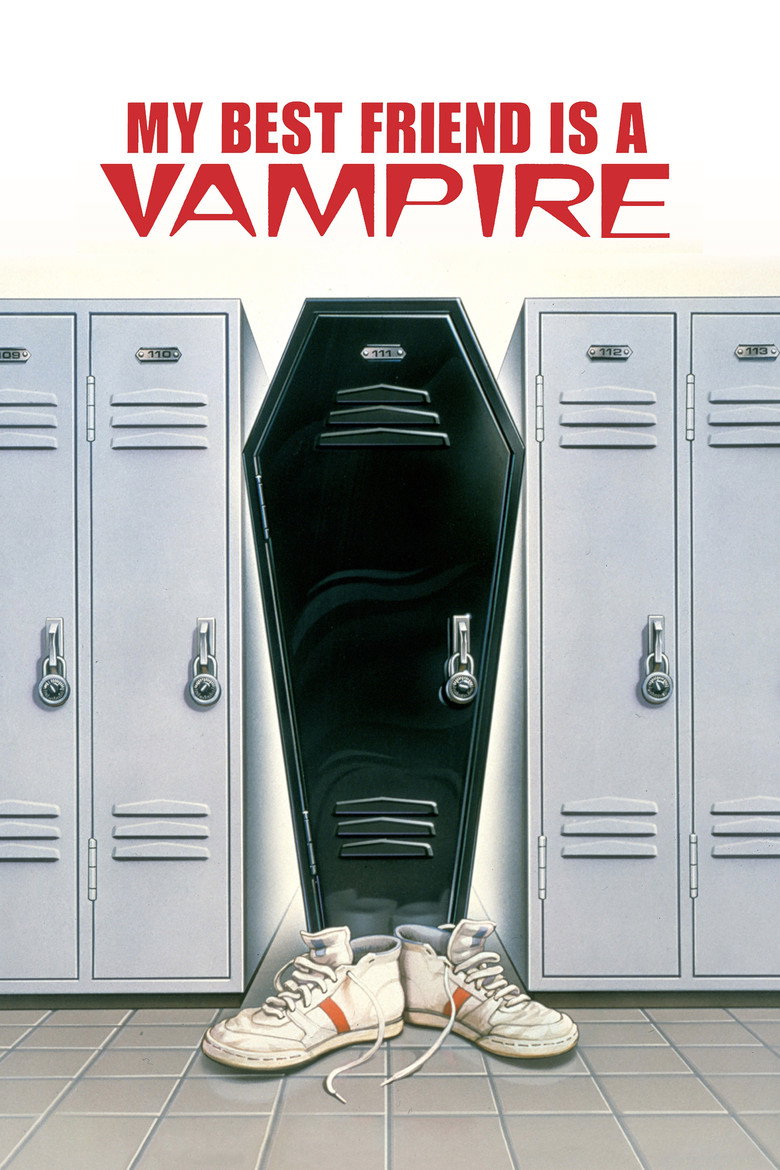
My Best Friend Is a Vampire
“Vampires and teenagers are a lot alike. They're just misunderstood.”
Shortly after high school student Jeremy Capello goes on a hot date, he finds he can't stand garlic or see his reflection in mirrors.
About My Best Friend Is a Vampire
Why My Best Friend Is a Vampire still works
At first glance it’s a neat, dodgey pitch: a teenager turns into a vampire and the nastiest thing he’s worried about is whether this will help him get a girlfriend. That teenager is Jeremy Capello, played by Robert Sean Leonard, and his ordinary, mildly panicked problems are exactly the film’s engine.
Jimmy Huston keeps the running time tight — ninety minutes — and lets the situation do the heavy lifting. The movie places its stars (Nora, Modoc, Ralph, Professor McCarthy and Jeremy’s bewildered parents among them) into a bright teen-comedy frame and then quietly tilts the frame toward family and safety issues. Call it a vampire movie if you like — and it is, with comic hunters and late-night resurrections — but what people remember is Jeremy’s small, recognisable crisis: he’s a typical American teenager from Houston trying to find his footing, and suddenly his awkward life becomes complicated in very literal ways.
Why Jeremy Capello matters
Jeremy is memorable because he’s not trying to be memorable. He’s small stakes: a Houston teen who mostly wants a girlfriend and a bit of confidence. That ordinariness makes the sudden supernatural complications fun rather than tragic.
His friend Ralph nudges him into the situation — an adolescent dare turned awkward disaster — and the fallout is domestic as much as it is monstrous. The morning after Jeremy’s encounter he looks off-colour, and the world around him starts to misread him: the supernatural and the ordinary collide in every parental glance.
Becoming a vampire here doesn’t flip Jeremy into some gothic antihero. The new lifestyle mostly interferes with his attempt to start a relationship with Darla Blake; otherwise he’s adapting, fumbling through the same adolescent territory he always occupied, only now the stakes have teeth.
What the film gives us is a character who keeps the movie grounded. Jeremy’s problem is recognisably teenage, which lets everything else — hunters, guidebooks and resurrections — land as variations on the same theme: growing up is weird, whether it involves first dates or first bites.
My Best Friend Is a Vampire has more on its mind than the plot suggests
Beneath the jokes about pale skin and garlic, the film keeps circling family. It’s constantly checking how a teen’s secrets ripple through the house: parents notice odd behaviour; friends notice absences and explain them away; the home becomes the site of both anxiety and consolation.
Home and safety are treated as things to be defended, but not only against supernatural threats. The parental panic in the film reads like earnest, if comic, protection — parents who suspect their son is 'mixed up' and are trying to make sense of shifting behaviour.
Love slips into the story at different scales: romantic fumbling between Jeremy and Darla, friendship dynamics with Ralph, and the broader family assurance that, whatever odd turn life takes, the Capellos still love their son. That end-point — parents coming back to a simple, affirmative love — winds through the film.
Even the vampire material gets a metaphorical nudge: Modoc’s explanations and the idea of a persecuted minority give the supernatural an extra layer. The film toys with difference and belonging while mostly keeping a light touch: it’s concerned with how families react when the people they love become unfamiliar.
My Best Friend Is a Vampire could not belong to any other decade
Released in 1987, the film sits comfortably in that late-80s space where teen comedies and modest supernatural entertainments could mix without grand ambitions. It doesn’t try to be epic; it wants to be a friendly, slightly offbeat night at the movies.
That period favoured brisk, character-forward films you could watch with friends; at ninety minutes, Huston’s picture is economical in a way that feels very of its time. The running time lets the film move quickly between domestic awkwardness and set-piece mischief without overstaying its welcome.
There’s also a casualness to the genre-mixing that feels era-appropriate: teen problems and vampire lore side-by-side, played for laughs and mild scares. The result is a particular 1980s breed of comfortably odd entertainment — a movie that knows its audience and stays within a narrow, pleasant orbit. Put another way: the film’s timing and tone are products of 1987. It doesn’t imitate later genre-benders or grim reinventions; it’s content to be a small, charming hybrid of teen comedy and light horror, which is exactly how it found its footing.
What has aged — and what hasn't
The central conceit — an ordinary teenager dealing with an extraordinary change — still plays. Jeremy’s anxieties about dating are universal, and the vampire angle keeps those anxieties literal enough to be funny rather than alienating.
Some elements feel of their era: the brisk ninety-minute pace and the film’s willingness to resolve things neatly. That economy helps it survive a modern viewing: there’s nothing indulgent or drawn-out, just a clear through-line from problem to reconciliation.
Certain comic set-ups — the zealous vampire-hunters and the mix-ups about who’s infected — still land as silly, serviceable beats. And Modoc’s attempt to normalise vampires by treating them as a persecuted minority gives the humour a slightly sideways seriousness that holds up better than one might expect.
Where it’s more fragile is tonal: very modern viewers looking for subversive horror or radical reinvention may find the film pleasantly tame. But if you’re watching for warm, well-timed domestic comedy wrapped in a vampire trinket, it mostly still delivers.
Why My Best Friend Is a Vampire still matters
People who grew up with this film tend to remember its small human beats over any supernatural flourish. The central image — a gawky teenager trying to be himself while weirdness swirls around him — is the sort of thing that keeps a modest comedy in conversation.
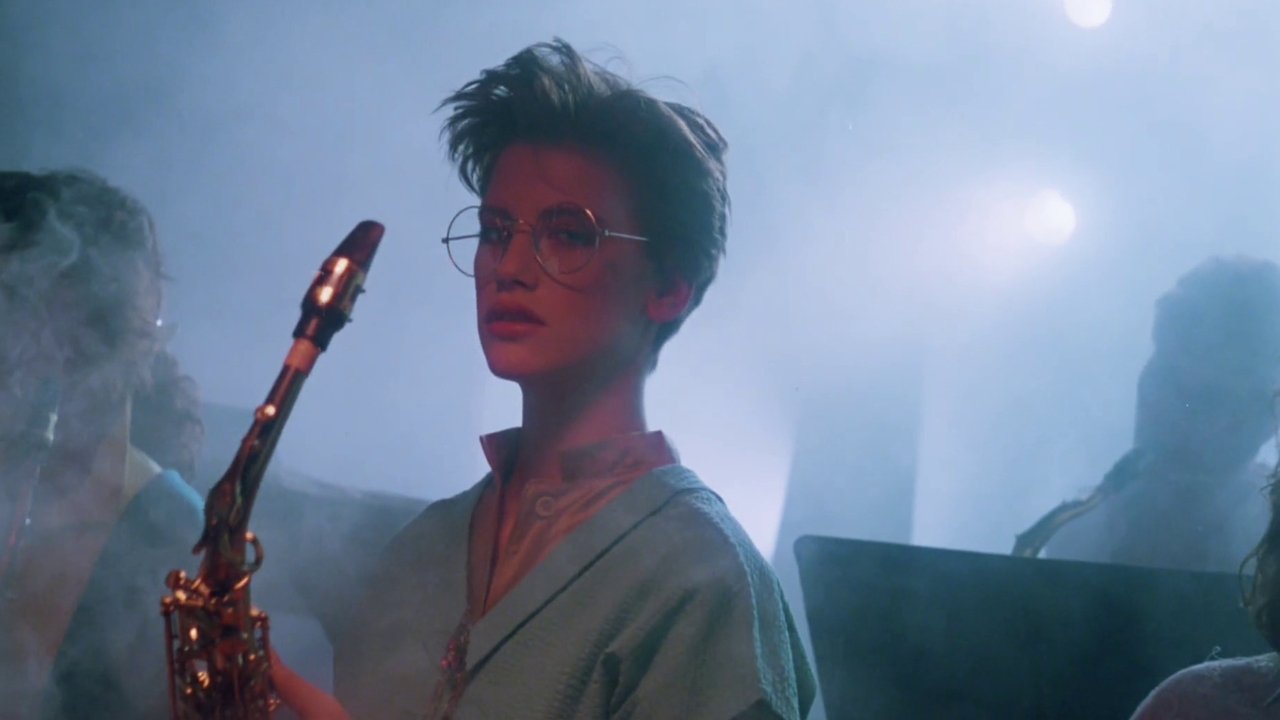
There’s also the ensemble of recognisable bits: the cheerleader interest, the band-geek crush, the well-meaning friend who sets the trouble in motion. Those characters create a comfortable social circuit the film moves through, and that social familiarity is part of its staying power.
Modoc’s role as an interpreter of the vampire condition — even handing Jeremy a guidebook — gives the movie a clever framing device. Vampires aren’t just monsters here; they’re a way for Jeremy (and the audience) to talk about difference and belonging without heavy-handedness.
Finally, the ending — with Jeremy’s parents assuring him of their love and the couple introduction to his bewildered family — leaves a cosy impression. It’s not a landmark of cinema, but it is a neat little picture that lodged itself in people’s memories because it cared more about family than spectacle.
Does My Best Friend Is a Vampire still hold up?
So, does My Best Friend Is a Vampire still hold up? Yes — although watching a film from 1987 honestly means accepting that not every moment will land exactly as it once did.
The film still has something recognisable to say about family, home and safety and parental protection, and its characters stop those ideas from feeling abstract. My Best Friend Is a Vampire remains worth revisiting because characters such as Jeremy Capello, Darla Blake, Modoc, Ralph and Professor Leopold McCarthy still feel like people rather than labels once the film gets underneath the stereotypes.