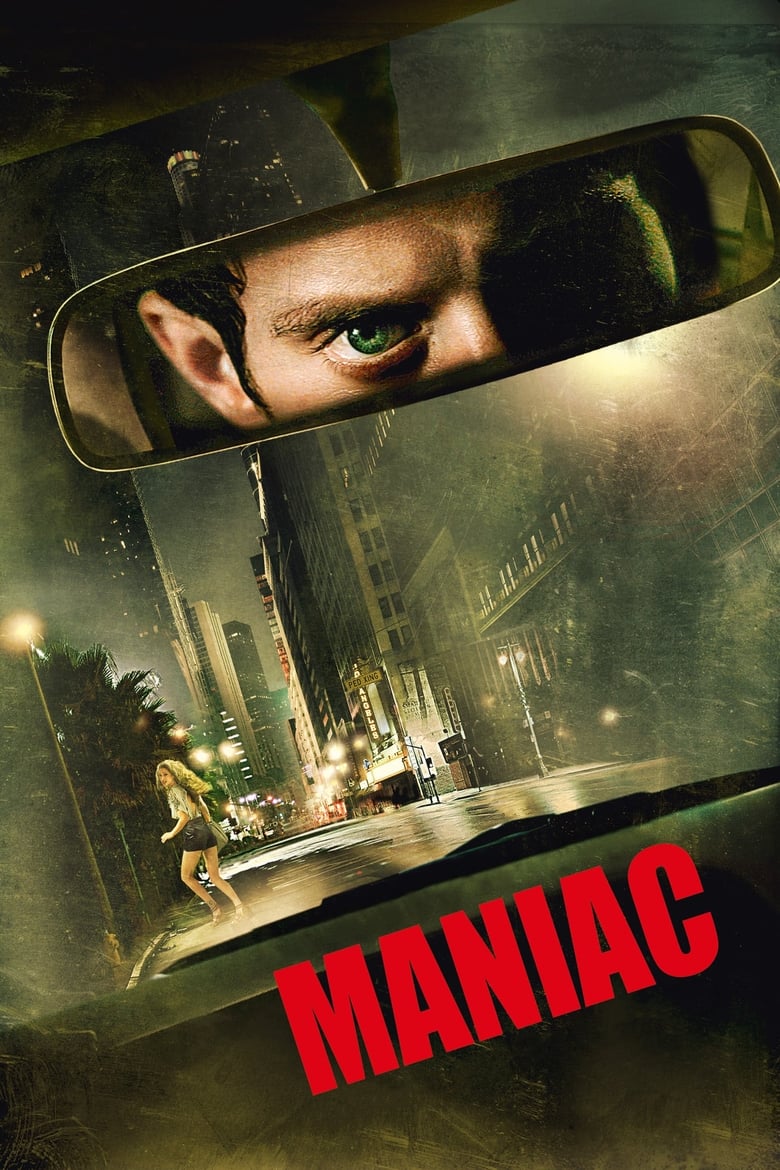
Maniac
“I Warned You Not to Go Out Tonight.”
As he helps a young artist with her upcoming exhibition, the owner of a mannequin shop's deadly, suppressed desires come to the surface.
About Maniac
Why Maniac still stands out
There are movies that scare you with spectacle, and then there’s Maniac, which scares you with the domestic: a mannequin shop that's also a shrine to loss. The protagonist, Frank Zito, has taken over his family's mannequin restoration business after his mother's recent death, and the film keeps returning to the intimacy of that workplace like it’s a wound.
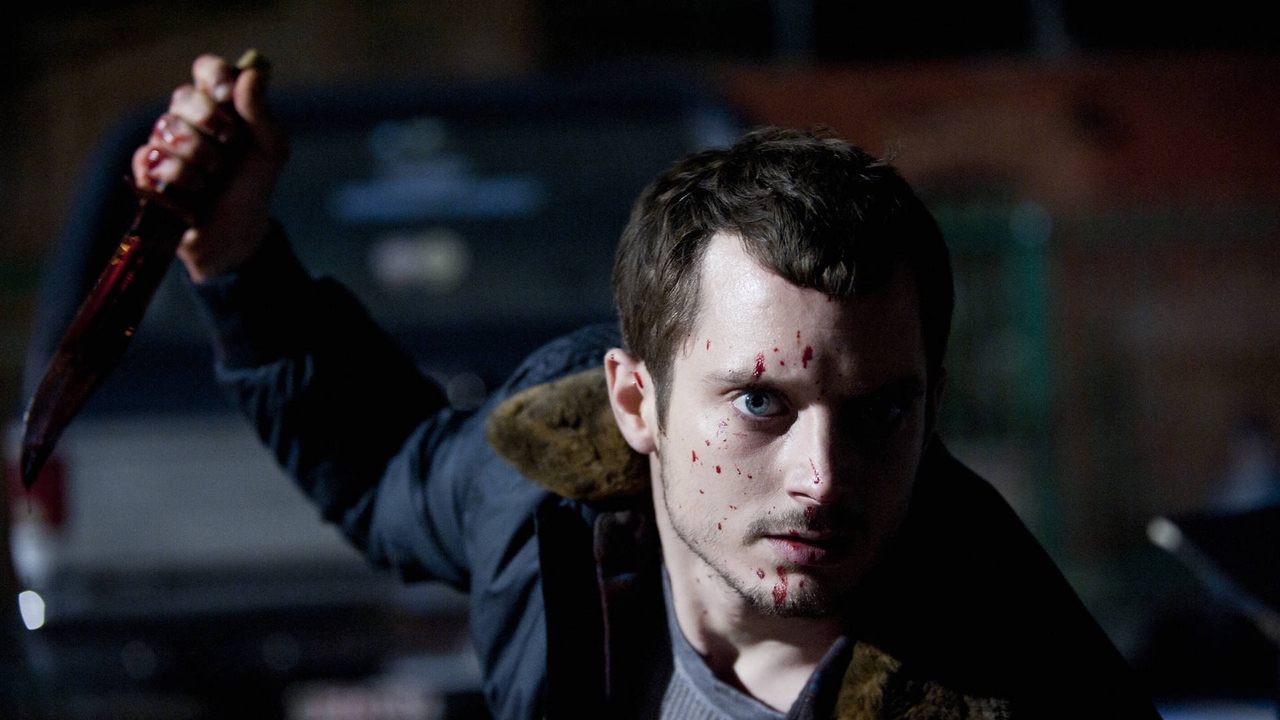
Elijah Wood plays Frank — a compact, terrible presence at the film's centre — in a tightly paced piece that runs just 88 minutes. Franck Khalfoun directs a film that sits squarely in the horror-slasher-thriller lane while never losing sight of a quieter, more disturbing obsession. What helps Maniac stick in the memory is how it ties horror to family and safety. On one hand it's a slasher about horrific crimes. On the other, it’s about a man trying to reassemble a life — however grotesquely — around the single happy shard he has left.
The idea that sets Maniac in motion
At the heart of Maniac is a very simple, terrible arrangement: Frank Zito runs the family mannequin restoration shop after his mother's death and clings to a childhood memory. That memory becomes the engine for everything he does.
The film gives that engine room to turn when a photographer called Anna notices Frank's mannequins and wants to use them in an exhibit. Their friendship — and Frank's hope that it might become something more — briefly reorders his life.
But the movie never lets the hopeful thread unravel gently. At the opening of Anna's exhibit we meet other characters who puncture Frank's fragile place in the world: a boyfriend, a mentor figure, people who mock or dismiss him.
That mockery and Frank's inability to reconcile his past with the present set a chain in motion that leads to increasingly violent choices — and to Anna confronting the truth in a desperate, self-protective moment.
Why Frank Zito matters
Frank Zito matters because he turns the familiar into the uncanny. He’s not a random serial killer with a gimmick; he’s a man whose life is built around one broken, recurring memory and the shop where that memory still lives. That domestic specificity makes him unnerving in a way a vague villain never could.
The film gives us the reason for his breakdown without turning it into headline diagnosis: Frank was traumatised as a child by his mother, a background that explains why he fixates on hair and on the ritual of brushing it before she left. He keeps that ritual alive, grotesquely, by attaching real hair to mannequins.
Because the story ties Frank’s violence to family — to loss and longing — he reads less like a monster from nowhere and more like a damaged person whose attempts at refuge become destructive. He matters as a portrait of what happens when safety and memory curdle into obsession.
Crucially, Frank isn’t a cipher. He reaches for connection — he helps with Anna’s exhibit, he wants something resembling normality — and that reach, and the ways it’s repeatedly rebuffed or punished, are what make him a memorable centre rather than a one-note horror trope.
Maniac has more on its mind than the plot suggests
On the surface, Maniac is a slasher. Underneath, it’s stitched together out of family and what family does to you. Frank’s crimes are grotesque attempts to hold on to a single intimate memory of his mother; the movie keeps pulling back to show how personal horror can be.
There’s also a running concern with home and safety. The mannequin shop is both workplace and sanctuary, and the film turns that sanctuary into a place of threat. When the place that’s supposed to keep you whole becomes the repository of your damage, horror follows.
Mortality and lifespan appear in the way Frank tries to freeze time. Attaching hair to mannequins is a kind of desperate preservation — an attempt to arrest people before they vanish — which twists love into possession. And then there’s freedom and loss. Frank’s story is about a man denied freedom by his past, who confuses possession with safety. Those thematic threads — family, loss, the collapse of home — give Maniac a weight that lingers beyond the gore.
Maniac could not belong to any other decade
Released in 2012, Maniac arrived at a moment when horror was enjoying a run of films that mixed psychological weight with outright shock. It wears that decade’s appetite for intimacy-with-a-bite on its sleeve.
The film’s compact runtime and willingness to merge drama with slasher ingredients feel of the 2010s: efficient, unflinching and ready to court discomfort in service of character.
Maniac’s personality — a small-scale, character-driven horror that treats the domestic as a site of terror — sits comfortably alongside other 2010s movies that blurred genre lines rather than polishing them into franchise-friendly gloss.
In short, Maniac is very much a product of its moment: lean, personal and intent on making the audience as uneasy about sympathy as they are about violence.
What has aged — and what hasn't
What still works is the film’s refusal to treat Frank’s interior life as a side note. The central relationship with Anna — the way he helps with her exhibit and briefly imagines belonging — still gives the story emotional purchase for a modern viewer.
The claustrophobic intimacy of the shop and the idea that a domestic space can be both refuge and stage for monstrosity remains effective. The horror in Maniac comes from that tension, and that tension hasn’t dated.
Some sequences — particularly those that hinge on Frank stalking and subduing someone in their home — are going to read as viscerally discomforting today. They were meant to be. The film asks the audience to sit in that discomfort.
And when the plot turns physical — for example, the instance where Frank drags Anna’s body toward his van and is wounded in the scuffle — it underlines how quickly the attempt at preservation becomes catastrophic. That directness still hits.
Why Maniac still matters
People remember Maniac because it ties its shocks to a recognisable, humiliating human loneliness. Frank’s past — the trauma inflicted by his mother — explains why he clings to hair and ritual, and that specificity gives the film emotional teeth.
Anna’s role is important to the movie's staying power. A photographer who sees the mannequins and wants to use them, she becomes the closest thing Frank has to a lifeline. That fragile friendship — and the exhibit she assembles with his help — is what makes his later choices feel devastating rather than merely sensational.
The film doesn't shy away from brutality: the murders, the scalping, the way Frank returns some victims’ hair to the mannequins — even dressing one in a bridal gown — all cement the image of a man trying to freeze life where it has already broken. Finally, the film’s ending — Frank succumbing physically and suffering nightmarish hallucinations of mannequins tearing him apart, followed by the police discovering his corpse and collection — leaves a durable, disturbing picture that lingers in memory. It’s the kind of finish that keeps people talking.
Does Maniac still hold up?
Yes — with the caveat that Maniac is a very particular kind of film. It’s short, sharp and unafraid to make you sit with ugly things. If you want tidy explanations or safe scares, this isn’t for you. If you want a horror that ties its violence to family, memory and a sense of lost safety, it still delivers.
Elijah Wood’s Frank is a character built around trauma and possession: a man who, after his mother's death, runs the mannequin restoration business and then tries to re-create a vanished intimacy by taking hair from his victims and grafting it onto shop figures. That conceit is grim, and it gives the film an emotional spine that keeps it from being mere shock.
The film’s economy — 88 minutes — helps. Maniac doesn’t overstay its welcome; it moves, it hurts, it finishes. Scenes such as Anna stabbing Frank in self-defence, the desperate scuffle as he drags her into his van, and the final, hallucinatory unravelling all feel necessary to the story the movie wants to tell about possession and mortality.
So should you watch it? If you can handle graphic material and appreciate horror that leans on character rather than clichés, Maniac remains worth a watch. It remembers how small, domestic horrors can be the most chilling — and it refuses to let the shop ever look like a safe place again.