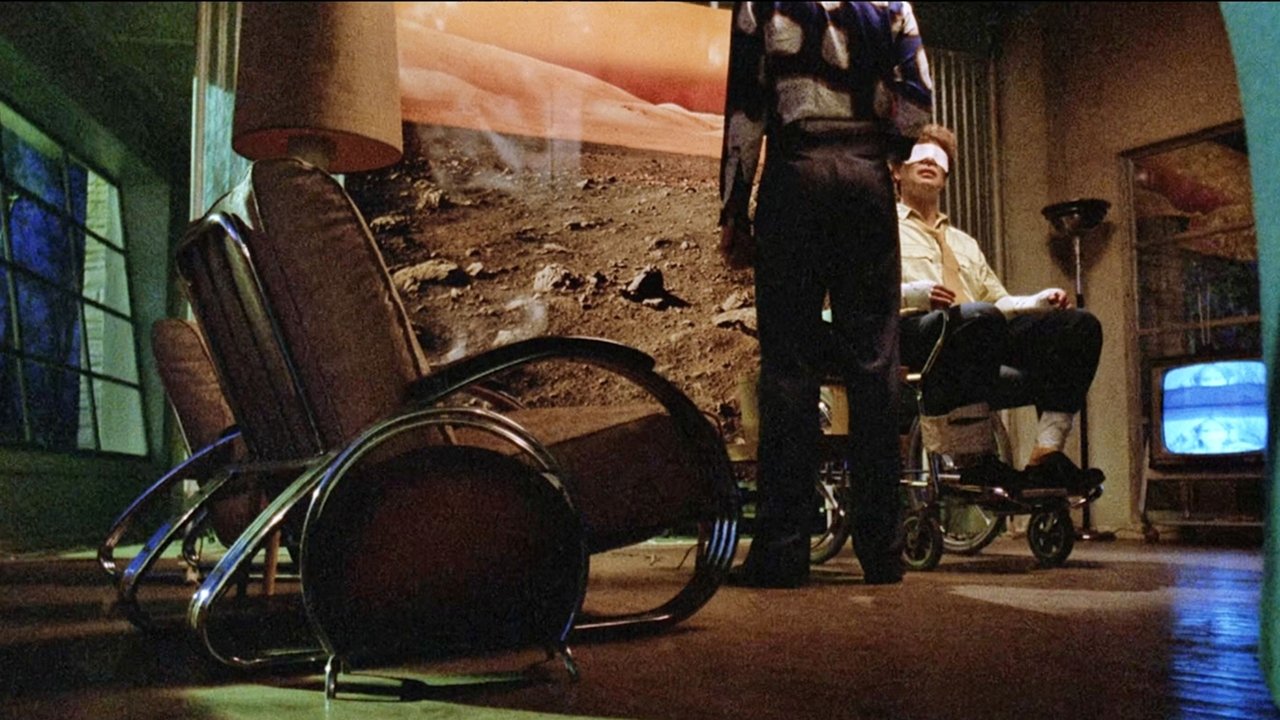
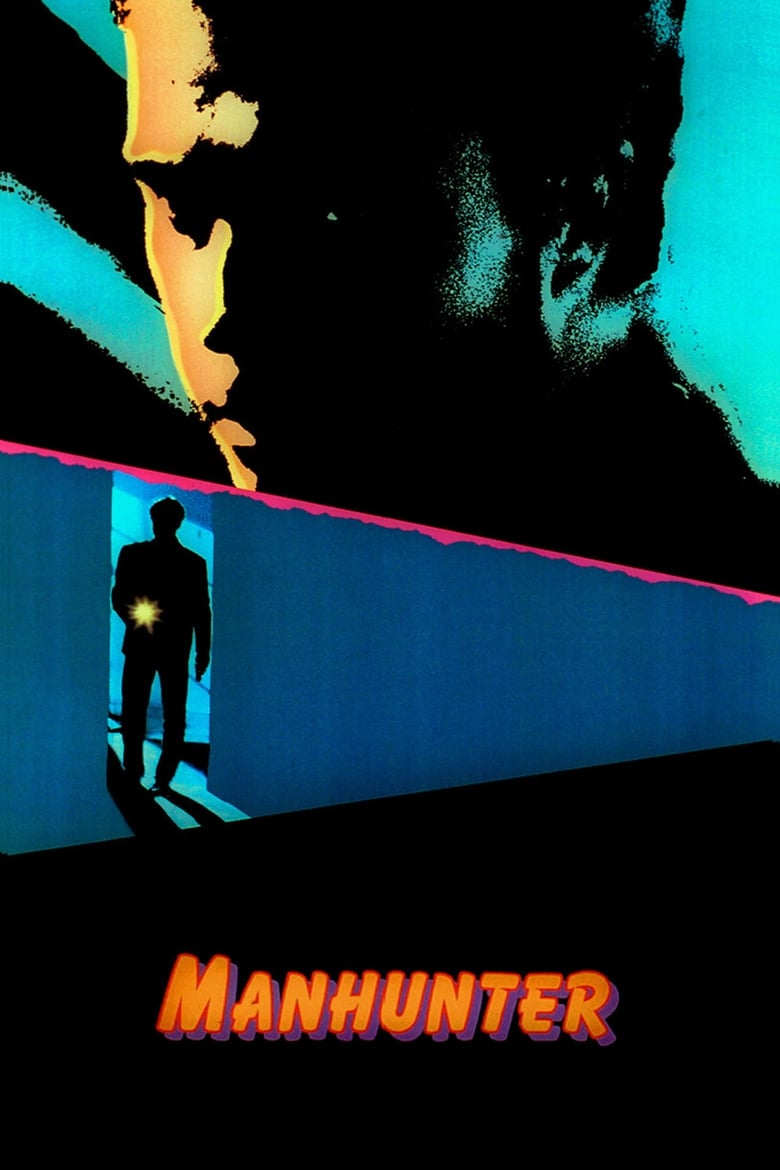
Manhunter
“It's just you and me now, sport…”
FBI Agent Will Graham, retired after catching notorious cannibal Hannibal Lecter, returns to duty to engage in a risky cat-and-mouse game with Lecter to capture a new killer.
About Manhunter
What Manhunter gets right
Manhunter opens with a premise so tidy it feels like a trap: Will Graham has left the FBI after a mental collapse triggered by a violent encounter with Dr. Hannibal Lecktor. He isn't a retired detective who wants thrills — he's a man trying to keep his life quiet, and that tension between safety and curiosity is the film's engine.
Michael Mann directed the picture in 1986, and he treats the genre like a precision instrument. The movie wears many labels — neo-noir, psychological thriller, crime drama — but what ties them together is how it keeps the family at the centre of procedural work: a profiler is called back not for glory but because his expertise has consequences for the people in his house. That domestic stake makes the film feel immediate. Mann pulls in tabloid sensationalism, a dangerous admirer of Lecktor, and the peculiar ferocity of the killer the police call the Tooth Fairy, and he never lets the investigation become an abstract puzzle removed from the lives it endangers.
The idea that sets Manhunter in motion
At the heart of Manhunter is an uncomplicated dramatic bargain: Will Graham left the Bureau after a breakdown, but his skill for getting inside a killer's head is exactly what the FBI needs when a new murderer starts leaving grisly signatures.
Graham's analysis leads the team to fingerprints and to new leads, and his authority draws him reluctantly back into official business. Washington becomes a place to piece together a mutilated note and a coded instruction, and that kind of procedural sleuthing feels concrete rather than theatrical.
Once the threat turns personal — the FBI decodes a message that points straight at Graham's home — the film shifts from neat evidence-gathering to urgent protection. Graham's family is moved to a safe house, and a quieter, human note arrives: he has to explain to his stepson why he left the job in the first place.
That mixture of forensic detail and domestic fallout is why the setup works. The movie uses specific discoveries — home movies, missing padlocks, bolt cutters — to connect the killer to ordinary households, and that linkage makes the hunt feel necessary rather than sensational.
Why Will Graham matters
Will Graham matters because the film makes his inner cost visible. He isn't a swaggering hero; he's a man who once paid a steep price for getting close to a killer and has tried to build a life afterwards. That history anchors everything he does.
The investigation becomes personal when a decoded message names his own house and orders the killer to come for his family. The threat isn't abstract — it's postal, domestic, and immediate — and it forces Graham to balance his skill against a promise to his wife that he won't risk walking into violence.
We see that balance play out when Graham rushes back to find his family terrified but physically safe, and later when the FBI moves them to a safe house. Those scenes are reminders that this isn't just about catching someone; it's about the people who can be hurt while you do it.
That quiet domestic ledger — explaining to his stepson why he quit, returning home after checking on victims — is what makes Graham memorable. The film keeps him human, and that makes the procedural stakes feel like real-life decisions rather than cinematic duty.
Manhunter has more on its mind than the plot suggests
On the surface Manhunter is a hunt. Underneath it’s quietly preoccupied with domestic security: how you keep a house and family intact when your work demands intimacy with the worst people imaginable.
Family threads run throughout. Graham's retirement, his conversations with his stepson, and the way threats are delivered straight to his doorstep turn the film into an examination of what private life costs when someone can work out how you live.
Authority, too, is a recurring note. The FBI's attempts to control the investigation — from decoding messages to staging stings — show institutional resourcefulness, but they also expose how official methods can fail and how that failure lands on ordinary households. Mortality and lifespan echo quietly in the aftermath scenes: the wounds, the paramedics, the return trips to victims’ families. Those moments keep the investigation tethered to real consequences, not just puzzle-solving bravado.
The effects work that gives Manhunter its physical personality
Manhunter often trusts tactile clues: handwritten notes, personal effects and physical film reels. Those objects feel weighty and specific, and they give the investigation the same sort of credibility a fingerprint does.
A good example is the discovery of a note among Lecktor's personal possessions; that kind of prop looks like evidence, not theatre, and it helps the audience accept how information travels between characters without relying on expository gimmicks.
Because the film insists on real, handled items — paper, tapes, private effects — the danger feels rooted in things that could exist in your house. That physicality keeps the world convincing in a straightforward, non-flashy way.
It’s a reminder that small, believable props can be as effective as spectacle: they make the mystery feel like something an investigator would actually follow up on.
Manhunter could not belong to any other decade
Manhunter was released in 1986, and it wears that year in its procedural commitments rather than in surface flourishes. This is an 80s film that prioritises methodical detective work and the era's appetite for psychological realism over pop spectacle.
The movie's independence from blockbuster trappings lets it sit somewhere between a studio thriller and a quieter crime drama — a common place for mid-80s filmmakers who wanted grit and intelligence more than noise.
There’s also an attention to craft that’s evidently period: actors preparing for roles in meticulous ways, such as time spent learning practical skills to portray a blind character convincingly, reflects a hands-on approach that feels very 1980s in spirit.
Put simply, Manhunter belongs to the decade because it trusts process and close observation — the types of storytelling choices that matched filmmakers’ interests in mid-80s crime dramas.
What has aged — and what hasn't
What still works is the movie's insistence that investigations collide with family life. The decoded message pointing to Graham's own address, the panic of rushing back to a terrified household, and the subsequent decision to move the family to a safe house all keep the stakes human and immediate.
Those domestic beats translate well today. The sequence where Graham explains to his stepson why he retired remains an effective reminder that investigative work has costs, something modern audiences can still recognise without nostalgia.
Some procedural details — notes placed in personal effects, methods of communication the characters rely on — feel of their time, but not in a way that breaks the story. The use of physical items like home-movie reels and padlocks as investigative clues simply reads as solid detective work rather than quaint technology. And the film's depiction of the killer watching home movies and misreading ordinary interactions in order to justify violence keeps its unsettling power. That specific psychology — where ordinary domestic content becomes fodder for obsession — retains its capacity to disturb.
Why Manhunter still matters
People remember Manhunter because it treats criminal investigation like domestic crisis management. Will Graham didn't come back for glory; he returned because the case put his home on the line. That concrete linkage between professional skill and family safety is a central reason the film lingers in memory.
The cast of characters helps make the story stick: the pressured superior who drags Graham back to work, the tabloid journalist who complicates operations, and the Tooth Fairy figure whose obsession with Lecktor and with Graham raises the personal stakes at every turn.
Specific set-pieces — decoding messages, a sting that fails, a terrifying televised punishment for an obnoxious reporter, the discovery that the killer watches and misuses ordinary home movies — all add up into a string of vivid incidents that aren’t just plot points but echoes the film's thematic focus.
Finally, the movie’s ending beats — paramedics tending to survivors and Graham returning to his family after checking on the victims — leave you with an aftertaste that isn’t triumphal but humane. That lingering, complicated emotional note is a big part of why the film still matters to viewers who discovered it early and to newcomers alike.
Does Manhunter still hold up?
Yes — but not for the reasons people might expect. This isn't a film to watch for cheap scares or showy set-pieces; it's worth seeing because it makes the cost of being an expert into something you feel in a household. The decoded message naming Graham’s home and his race back to protect his family keep the story sharp and sympathetic.
Michael Mann's direction, the runtime’s steady pacing, and the decision to keep the investigation tactile — phone calls, notes, home movies — mean the film feels like work done rather than theatre staged. It’s procedural, but the procedure always lands on human consequence.
If you care about a thriller that understands what happens after an arrest — the paramedics, the return trips to victims' families, the domestic conversations — Manhunter pays dividends. Its shape, from a profiler’s reluctant return to the dangerous psychology of the Tooth Fairy, still reads as a whole rather than a collection of good ideas.
So watch it. Not because it’s the loudest film of its era, but because it’s quietly fierce about protecting what civilization promises: a safe home. Manhunter asks what happens when that promise is violated — and it refuses to pretend the answer is simple.