Krampus
“You don't want to be on his list.”
When his dysfunctional family clashes over the holidays, young Max is disillusioned and turns his back on Christmas. Little does he know, this lack of festive spirit has unleashed the wrath of Krampus: a demonic force of ancient evil intent on punishing non-believers.
About Krampus
What makes Krampus worth revisiting
There’s something immediately familiar about this one: a family squeezed together for the holidays, all the small resentments simmering under the tinsel. In Krampus that family is the Engels — Tom and Sarah, their kids Beth and Max, and Tom’s mother Omi — and their awkward, crowded Christmas is the film’s starting pistol.
Michael Dougherty’s 2015 spin on the Alpine bogeyman runs to a brisk 98 minutes and wears its genres like a Christmas jumper with bells — horror, black comedy, seasonal pastiche — all stitched together with a fondness for yuletide weirdness. It’s the kind of film that knows how to get from cosy domestic irritation to the kind of mayhem that will make you check under the seat for rogue gingerbread men. And then there’s Max. Played by Emjay Anthony, he’s the small, stubborn hinge the story swings on: a kid who still writes to Santa while his family argues and fractures around him. That tension — childish belief versus adult cynicism — is the tiny crack Krampus exploits.
The idea that sets Krampus in motion
Krampus waits until the family has exhausted every petty argument. Presents are opened, insults are exchanged and, crucially, a child’s letter to Santa is mocked. That act — contempt for a small, sincere belief — is where the film plants its seed.
Scepticism sits beside terror. The Engel family only start to believe Omi’s old warning once the house is invaded by playthings that are anything but innocent. Presents become threats; familiar things become dangerous.
From that moment the rules are simple and fierce: the family must face the consequences of their own mean-spiritedness, and Max, who threw away his letter in anger, ends up the one who must reckon with what his outburst unleashed.
The set-up works because it ties the supernatural to a recognisable domestic misstep. It isn’t cosmic doom for its own sake; it’s a crash that begins with something as ordinary as a torn-up note.
Why Max Engel matters
You can slot Max into the obvious category — the believing child — and that would be true. But what gives him texture is the way his belief is knocked around by family nastiness. He’s encouraged by Omi to write, humiliated by his cousins when they read the letter aloud, and so he lashes out. It’s a small, human humiliation that turns consequential.
The movie keeps returning to Max’s emotional consequences rather than making him a passive ‘victim’. He rips the letter and chucks it out of his window in a fury; that small, petulant gesture becomes the pivot for everything that follows. That’s a neat trick: a kid’s tantrum becomes mythic cause.
Importantly, Max does something grown-ups often can’t — he accepts responsibility. In the film’s late reckoning he offers himself to fix what he broke, begging to be the sacrifice that will bring his family back. That shift — from angry child to someone trying to repair damage — ties the story’s horror to a recognisable moral turn.
Finally, the film refuses to leave him with tidy closure. He wakes up on Christmas morning with his family apparently safe, but the presence of Krampus’s little bauble among the presents keeps the unease alive. Max’s journey, then, isn’t just about belief: it’s about consequences that don’t vanish simply because morning arrives.
Krampus has more on its mind than the plot suggests
At face value Krampus is a monster movie with seasonal decor. Underneath that, it’s a picture about the fragile architecture of family Christmases — how traditions, good intentions and small cruelties prop one another up. When that architecture cracks, the film shows how vulnerable home and safety can quickly become.
Supernatural belief in Krampus isn’t treated as quaint folklore or mere spectacle. It’s an accelerant for the family’s buried things: grudges, shame, the exhausted version of parental protection that sometimes feels more like resignation than care. Omi’s childhood story about losing spirit after war makes the threat feel generational as well as immediate.
Fear in the film is both literal and emotional. The living toys, the dark elves, the horned creature in the snow are external threats, yes, but they also stand in for loss and the terrifying idea that the world might not protect the people you love. That tightening of interior and exterior stakes gives the film unexpected weight. Courage in Krampus isn’t flashy heroism. It’s the small bravery of admitting you were wrong, of trying to put things right. The film’s final bargains and terrified apologies are the story’s moral currency — and that’s what keeps the horror from feeling gratuitous.
Krampus could not belong to any other decade
It’s a 2015 film that wears its decade like a wink. The 2010s loved mixing genre — comedy and horror, pastiche and sincerity — and Krampus is very much a child of that appetite. It knows how to be gleefully nasty and narratively self-aware without losing its darker instincts.
The film’s timing also matters. Released mid-decade, it arrived when audiences were comfortable with horror that leaned into irony and familial satire, so Dougherty’s blend of seasonal sentiment and carnage fit neatly into contemporary tastes.
In short: it’s a product of the 10s’ appetite for mash-ups and tonal swings, a holiday horror film that feels built for viewers who like their scares with a side of smirk.
What has aged — and what hasn't
The central family setup — a holiday visit that amplifies every tension — still reads. The Engels feel recognisable: relatives who mean well but make things worse, adults who try to soothe and kids who get trampled in the middle. That basic human messiness hasn’t dated.
The movie’s linking of small cruelty to supernatural consequence also holds up. The idea that a tossed-away letter and a moment of humiliation could trigger catastrophe remains satisfyingly literal-minded. It gives the horror an emotional hinge that modern viewers can still understand.
Certain set pieces — the house-besieging toys, the boarded windows, the decision to flee into the snow — keep the stakes immediate in a way that doesn’t rely on trendy effects or throwaway jokes. The film still knows how to turn a living-room row into a fight for survival.
What feels slightly more of its moment is the tonal flip between camp and real menace. Audiences now accustomed to either straight horror or deadpan satire might find the swings bolder than they expect. But that very volatility is also what makes Krampus feel alive rather than formulaic.
Why Krampus still matters
Krampus endures because it turned a domestic argument into something mythic without losing sight of the people at the centre of the chaos. The Engel clan — from Tom and Sarah through to cantankerous Aunt Dorothy and the visiting Jacksons — gives the story emotional specificity. You remember the rows as much as the monsters.
The film also built a mischievous bestiary that’s hard to forget: demonic toys, gingerbread men on the hunt, dark elves and the skull-faced Yule Goats hit that peculiar sweet spot between grotesque and silly. Those creatures give the film a distinctive flavour; they’re the kind of details people bring up when the film is mentioned.
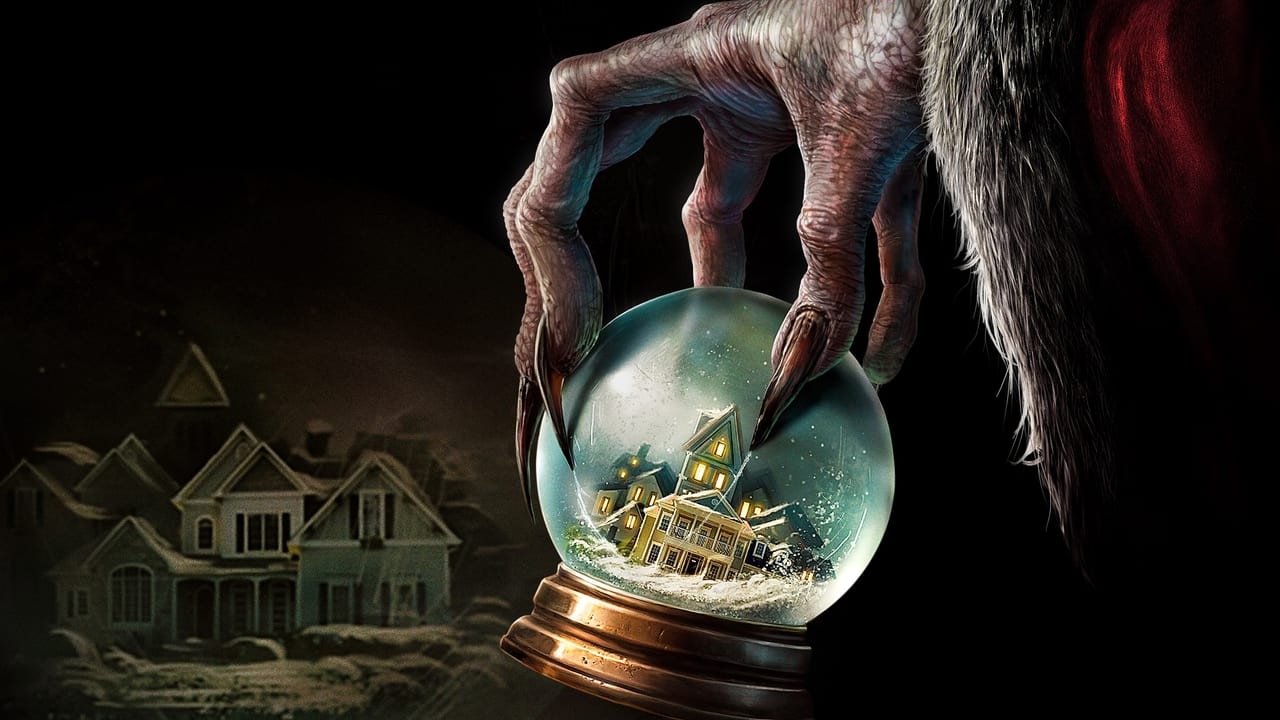
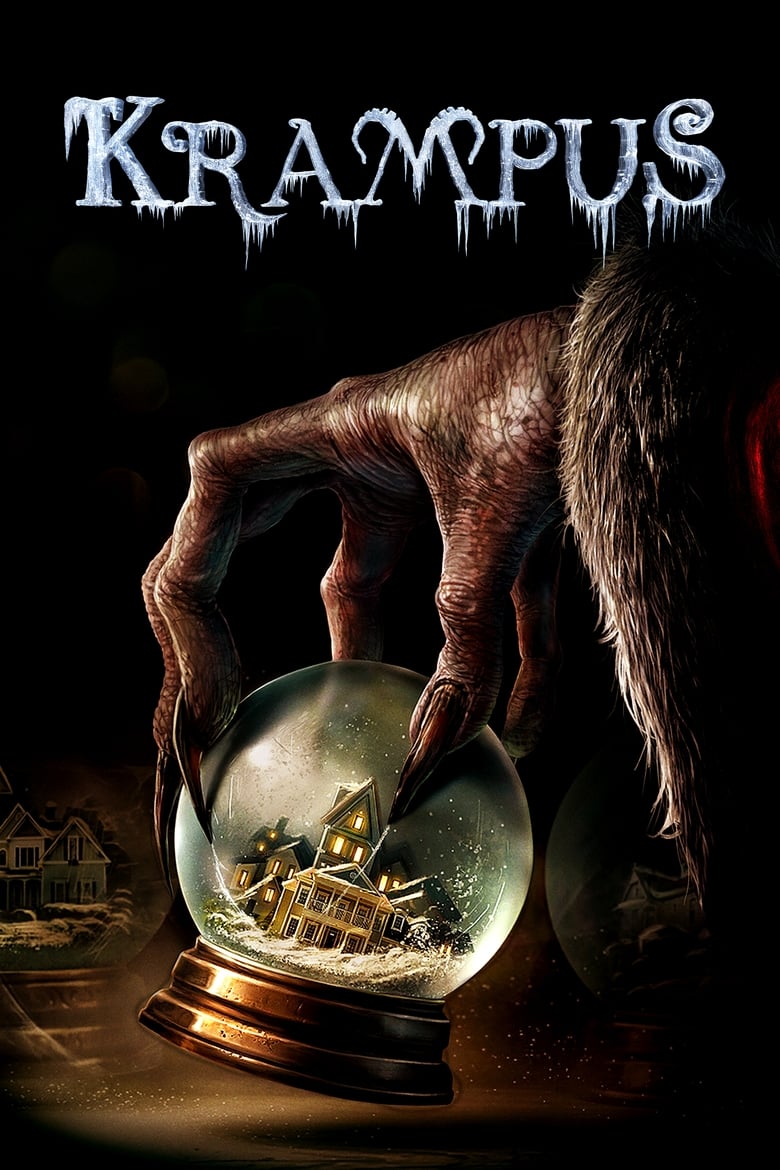
Omi’s origin tale — a war-scarred loss of spirit that once called Krampus down on a village — provides an unexpectedly heavy undertow. It links family grief across generations to the present-day peril the Engels face, and that emotional thread is part of what keeps the story resonant. Finally, the ending’s small, nagging unease — a bauble among the presents and Krampus watching through enchanted snow globes — leaves the film with a sly final note. It’s not neat; it’s a reminder that some things, once set in motion, don’t simply vanish with daylight.
Does Krampus still hold up?
Yes — if you want a Christmas horror that remembers it’s about people, not just shocks. The Engel family’s messy, recognisable rows give the supernatural stakes weight; Max’s torn letter and his later attempt at atonement keep the emotional ledger honest.
It’s a 98-minute genre stew from Michael Dougherty that wears its tonal shifts openly. That can jar, but it also means the film is never dull. The mixture of black comedy and genuine menace still makes for an entertaining seasonal watch.
If you’re after deep subtlety, this isn’t the film for you. But if you enjoy a horror that can be nasty, whimsical and a little sad all at once — with a memorable roster of monstrous helpers — Krampus remains a rewarding revisit.
Put simply: watch it for Max and the family at the centre, and for the way a small act of cruelty gets treated like an old superstition come true. It’s the sort of Christmas tale that will make you check your own stocking for anything suspicious.