It's Alive
“There's only one thing wrong with the Davis baby...”
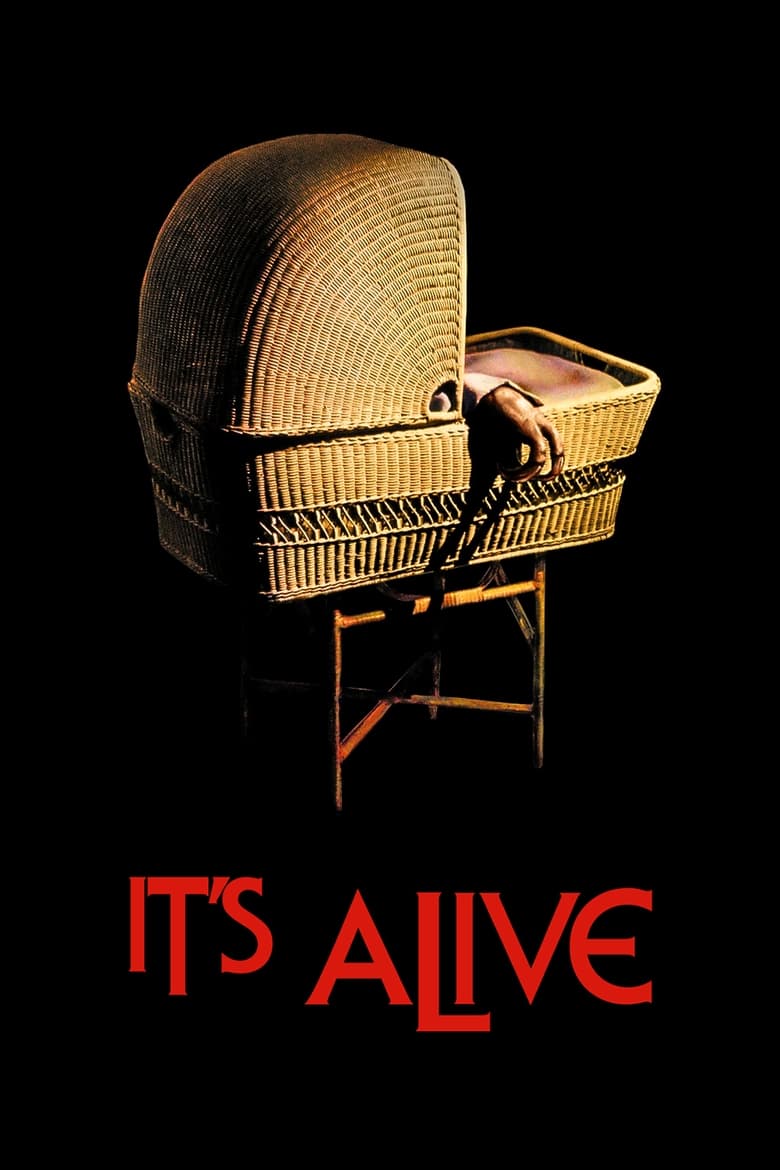
The Davises are expecting a baby, which turns out to be a monster with a nasty habit of killing people whenever scared. And it's easily scared.
About It's Alive
Why It's Alive still works
It's Alive wastes no time: a family expecting a second child finds the ordinary promise of a new baby flipped into something horrific. That collision — the most intimate corner of life invaded by an obvious threat — is the film's engine.
Larry Cohen directs the lean, 91-minute ride, with John P. Ryan as Frank Davis and Sharon Farrell as his wife, Lenore. The set-up gives the picture a compact, insistent personality: domestic stakes, an outraged public, and a monster that forces everyone around it to reveal themselves.
What keeps people talking is how neatly Cohen rigs those ingredients: family and parental protection sit cheek-by-jowl with authority, corporate interest and public fear, so the story never feels like a simple monster chase. It's a home-invasion tale with the roof ripped off.
The idea that sets It's Alive in motion
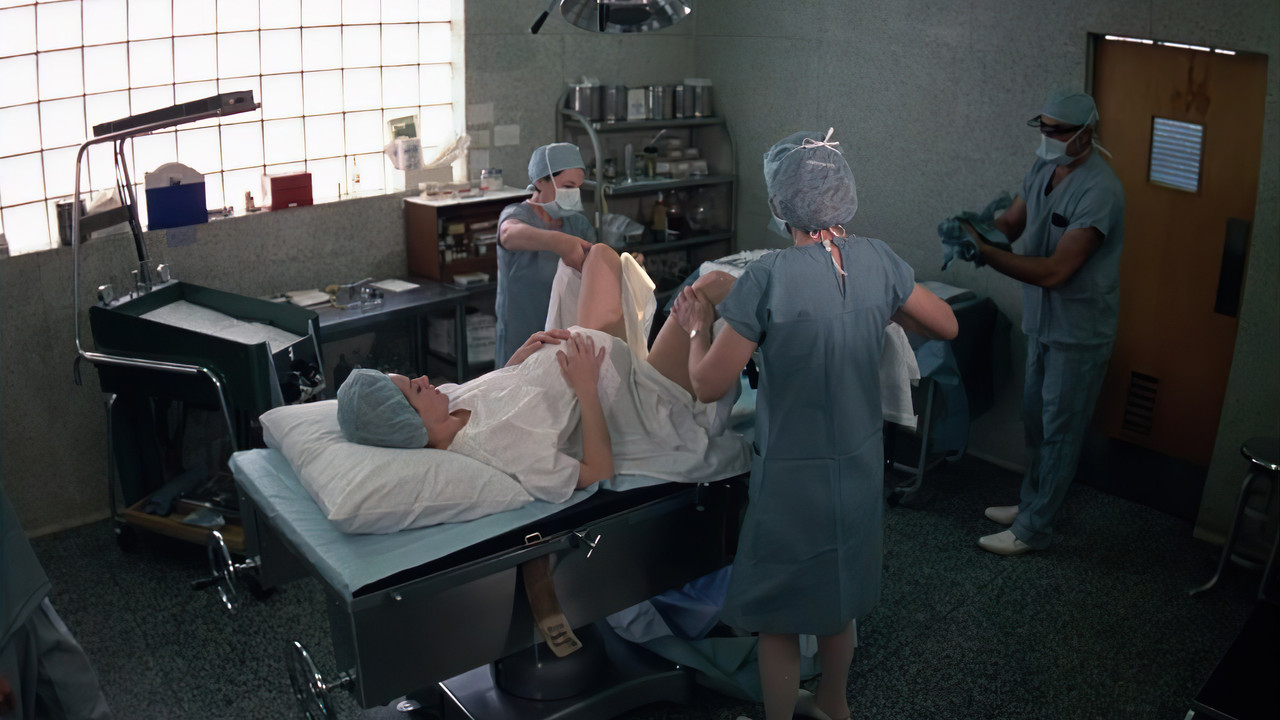
The film's inciting moment is brutal and immediate: the newborn turns on the delivery-room staff and escapes through a skylight. That first, shocking act pulls the ordinary world into the story — a hospital becomes a crime scene in an instant.
From there, the plot tightens into two grim pressures: medical curiosity and family peril. Researchers persuade Frank to sign papers that promise the child can be experimented on once it has been found and killed, making the creature not just a danger but a specimen.
Meanwhile, the family's private life keeps tugging at the narrative: the couple's older child is in someone else's care and later tries to get back home. Those domestic threads mean the monster never exists only as spectacle — it always threatens a home, not just strangers.
Why Frank Davis matters
Frank Davis is the film's everyday centre: a man whose life is recognisably domestic before the nightmare arrives. John P. Ryan plays him, and the character anchors the story in ordinary obligations — work, a spouse, a child — rather than in heroics.
Because the Davises are expecting their second child, every decision around the newborn has to be read through family logic. That makes Frank the locus of competing pressures: the urge to protect the household and the demand to answer to the wider world.
Lenore's plea — that the baby won't hurt their family — turns Frank's choices into a private test. He's not just a name in a press report; he's the bloke who has to weigh whether to trust institutions or to keep his family intact.
Small domestic facts matter here: Chris is left with a family friend while the parents go to hospital, and that arrangement keeps pulling the plot back toward the home, so Frank's role as husband and father never feels incidental.
It's Alive has more on its mind than the plot suggests
On the surface it's a monster film. Underneath, it's very much about family: what people will do to keep their own safe and how that instinct collides with outside institutions.
Authority is everywhere in the story — police, doctors, researchers — and the film asks whether those forces are there to protect families or to contain problems that might expose other interests.
Home and safety are treated as fragile. The couple's decision to leave Chris with a friend, and Lenore's desperate promises about the baby, keep pulling the threat back inside the house instead of letting the danger stay in the street.
So parental protection and fear become twin engines: the family's need to shelter itself, and the public's need to categorise and control what it doesn't understand.
It's Alive could not belong to any other decade
Coming out in 1974, It's Alive belongs to a stretch of cinema that liked to put social anxieties into small, recognisable places — the kitchen, the nursery, the living room — and then let them spill out into public panic.
That era's movies often mixed domestic drama with broader institutional distrust, and Cohen's film sits neatly in that space: a family problem becomes a headline and an ethical dilemma.
Saying it's 'of the Seventies' isn't nostalgia; it's about how the film uses a compact running time and a focused premise to collapse private grief and public response into the same story.
What has aged — and what hasn't
Some parts of the picture still land cleanly: the family dynamics are readable. Frank as a professional and Lenore as a stay-at-home mother is a clear domestic setup, and that clarity helps modern viewers understand the stakes without lengthy exposition.
The decision to leave Chris with a friend, and his later efforts to get back home, keep the vulnerability of the household very direct. It's an old-fashioned threat — child at risk — but it still feels immediate because the film never lets you forget who stands to lose the most.
Lenore's insistence that the baby won't hurt the family remains a powerful, human moment; those same lines still register as a parent's plea rather than a plot device.
Where the film might feel dated is in the assumptions it makes about roles and institutions, but the central conflicts — family versus public authority, safety versus fear — continue to speak to viewers today.
Why It's Alive still matters
People remember It's Alive because it braids two things: a grotesque, unforgettable premise — a newborn that turns violent at birth — and the social machinery that reacts to it. The press and police descend, and a pharmaceutical executive even admits the pills might have caused the mutation and pushes for the child's destruction.
Those elements give the film more than cheap scares: there are ethical stakes. The idea that a corporate interest would prefer the child destroyed to cover liability frames the monster as something more complicated than merely evil.
The movie also keeps returning to private consequences: the Davises are hounded by publicity, Frank loses his job, and the family's life is gradually stripped away. That combination — public spectacle and private ruin — is why the story lingers in memory.
Finally, the closing note that another similar infant has been born elsewhere underlines that the problem is not neatly solved; the threat feels systemic, which makes the film hang around in your head long after the run-time ends.
Does It's Alive still hold up?
Yes — with a small but important rider. If you want a tight, idea-driven horror about what a family will do when the world decides the family is a problem, this is worth your time. It's Alive is 91 minutes of a single, sustained anxiety: a household under scrutiny.
The film's strengths are its focus and its moral busy-ness. Frank and Lenore are an ordinary couple — he works in PR, she cares for their first child — and that ordinariness makes the intrusion feel personal. Lenore's desperate assurances about the baby are the emotional heart, and the plot keeps circling back to home and safety.
There are moments when the story points outward — police investigations, press attention, medical researchers asking to experiment — so the film never collapses into domestic melodrama. That balance is its main appeal: private grief meets public panic.
So, watch it for the way it turns a parental nightmare into something larger: it's not only about a monster in the nursery, but about the choices a community makes when a family becomes news.