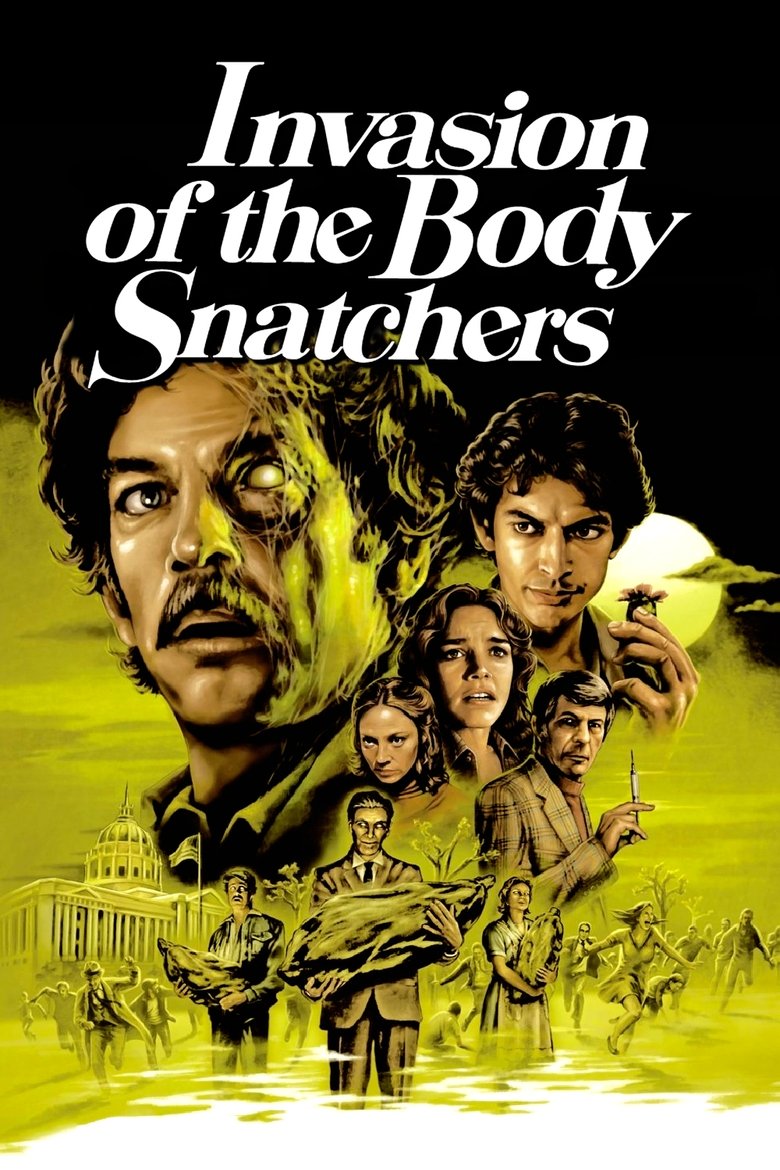
Invasion of the Body Snatchers
“The seed is planted... terror grows.”
The residents of San Francisco are becoming drone-like shadows of their former selves, and as the phenomenon spreads, two Department of Health workers uncover the horrifying truth.
About Invasion of the Body Snatchers
What makes Invasion of the Body Snatchers worth revisiting
Start with the obvious: this isn’t a spaceship showdown. The invading life-form arrives as spores that grow into small pods with fragrant flowers. That gentleness — a pretty, strange thing appearing in your hand — is the film’s first trick. It’s how panic sneaks in: something that seems harmless becomes the engine of a replacement you don’t recognise.
Philip Kaufman directs a tight, patient thriller that trusts a few people and a few locations to do most of the work. Over 111 minutes we follow a handful of characters — most pointedly Matthew Bennell, the man at the centre of the suspicion — as they try to name what’s happening, and then fail to convince anyone else. What keeps people talking is the film’s refusal to treat the alien threat as merely spectacular. The pods arrive, duplicates appear, and then the dread settles into the ordinary: a worker back at his job who smiles the wrong way, a colleague whose warmth is gone. The horror is domestic, which is why the movie still creeps in when you think about your own front door.
The idea that sets Invasion of the Body Snatchers in motion
The film opens with a small, believable observation: a woman brings home a strange flower. It’s a tiny thing, but it seeds a suspicion. When she wakes to find her boyfriend distant and stashing the broken glass that held the pod, the ordinary becomes alarming.
That alarm spreads in private conversations and failed appeals to experts. At a book event Matthew Bennell and his friends cross paths with people who are oddly unmoved; a psychiatrist’s dismissal of worried wives only deepens the mistrust.
Soon the central group — Matthew, Elizabeth, Jack and Nancy — are hiding together after they discover embryonic doubles. The set-up works because the film keeps the mystery tight and personal: rather than a global spectacle from the first frame, the invasion is revealed through a few people's terrified attempts to be believed.
It’s a neat dramatic trick. By concentrating on three or four relationships you feel the stakes: if your neighbour can be recreated, then the place you expect safety — your flat, your friends — can’t be trusted anymore.
Why Matthew Bennell matters
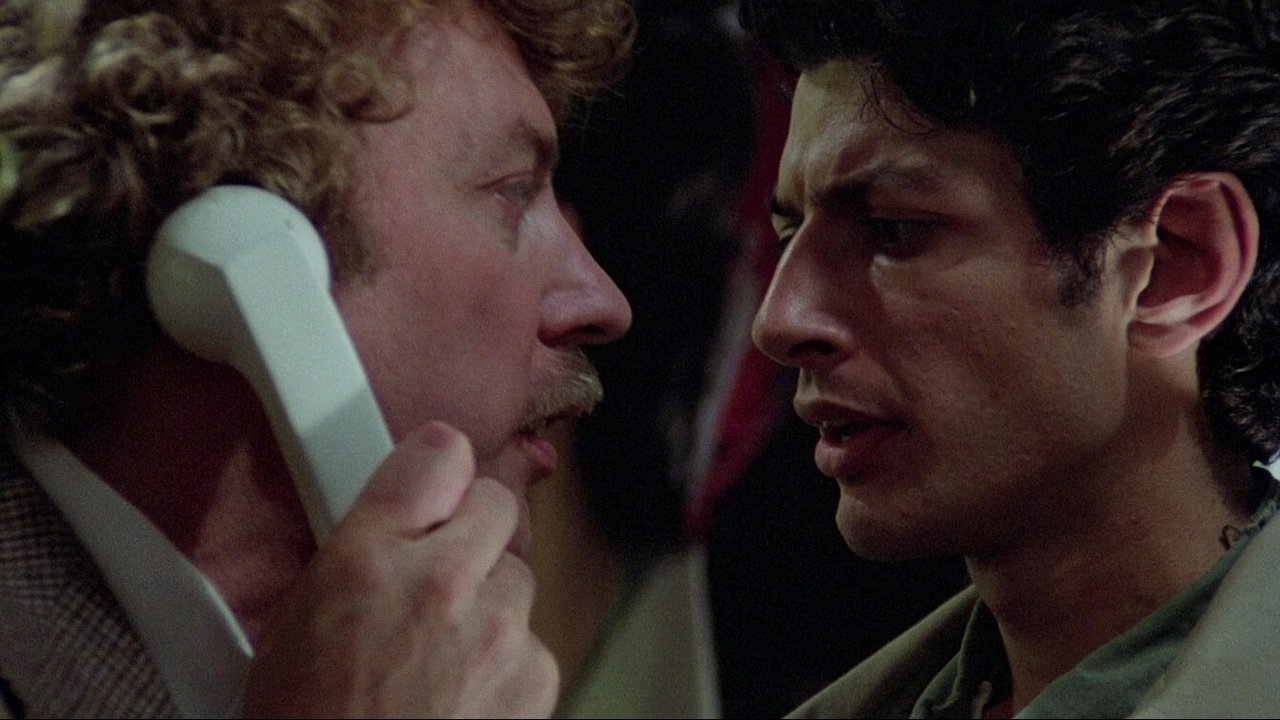
Matthew Bennell is the film’s hinge. He’s the person people come to with their fear — Elizabeth trusts him enough to confide that her boyfriend feels like an impostor — and that trust gives the movie someone to follow when the world tilts.
He’s not an obvious action hero; instead Matthew is useful because he’s plausible. He knows people, makes calls, and tries to move the problem up the chain: he suggests Elizabeth see David Kibner, the psychiatrist, and believes the problem can be named and contained.
That practical impulse — try the rational route, then escalate when rationality fails — keeps us rooted. Friendship and family play through Matthew’s choices: he’s trying to protect people he cares about, which makes his desperation easier to feel.
Ultimately, Matthew matters because he represents the attempt to hold a community together when the seams start to come apart. The film asks what happens to someone who insists on caring in a world that is losing its capacity to care back.
Invasion of the Body Snatchers has more on its mind than the plot suggests
On the surface it’s about an alien replacement. Underneath it’s quietly obsessed with the safe things we take for granted: that home is a refuge, that friends are recognisable, that family feels like family. When those certainties are removed, the film shows how fragile our daily trust actually is.
That fragility is sharpened by the pod people’s method: they don’t attack so much as copy and then erase. As one duplicate spells out, the replacements want survival, stripped of messy feeling. That makes the horror not big and noisy, but clinical and precise.
Mortality and lifespan weave through the story too. The presence of an alien species escaping its dying planet gives the invasion a practical logic — a species trying to survive by replicating others — and the film uses that to ask what’s worth preserving in ourselves. Freedom is another quiet worry: the duplicates trade agency for survival. So the movie isn’t just about losing people; it’s about losing the choices that make us ourselves.
Invasion of the Body Snatchers could not belong to any other decade
Released in 1978, the film sits at a moment when cinema could be bleak without being sensational for its own sake. There’s a patience here — a willingness to let suspicion grow through conversations and small discoveries — that feels very of its time.
That late-70s sensibility means the movie’s fear is civic and social rather than technophobic spectacle. It’s less about gadgets and more about the erosion of everyday certainties: who you can trust, where you go for help, what your friends are like.
The era frames the film’s tone: it’s a slow-burning paranoia suited to long takes and quiet disbelief. It’s not the pastiche of period detail that matters so much as that mood — a metropolitan unease that the story uses to full effect.
Put simply: this is a movie that needed the 1970s’ appetite for realism and social anxiety. Move it elsewhere and some of that particular nervousness would be gone.
What has aged — and what hasn't
The core ideas hold up. The small, human moments — Elizabeth bringing a flower home, the awkwardness of telling a friend they’re wrong — remain persuasive. Those moments are how the film builds trust with us, and that structure still clicks.
Friendship and family dynamics remain readable: when Elizabeth tells Matthew she fears Geoffrey is an impostor, the scene lands because it’s recognisable behaviour, not a plot contrivance. The emotional logic survives time.
Where modern viewers might feel less patient is in the film’s slow escalation. The movie deliberately extends disbelief — convincing authority figures, hiding out, running through procedural steps — and some will prefer faster thrills today.
But if you value psychological creep over jump scares, the film’s domestic focus still works. The sense that home might not be safe — and that returning to a partner could be dangerous — keeps the tension immediate.
Why Invasion of the Body Snatchers still matters
People remember the film because it takes a simple, elegant idea — an invasive life-form that replicates people — and uses it to unsettle the most ordinary parts of life. The pods with their pleasant flowers are a small, unsettling detail that sticks in the mind.
Memorable beats help too: the discovery of embryonic doubles, the garden pods birthing replacements, and the way a regular workplace can become populated by emotionless versions of coworkers. Those images aren’t flashy; they’re nagging.
The film’s characters also matter. The desperate attempts to be heard — the hysterical warnings, the ignored concerns at a book event, the small betrayals when someone’s personality is not what it seemed — make the story feel lived-in. That’s why the final moments, with a formerly familiar face acting oddly at work, land so hard. In short, it remains a film people come back to because it’s an intimate paranoia: not an apocalypse of noise, but a collapse of trust in the people nearest you.
Does Invasion of the Body Snatchers still hold up?
Yes — if you want a slow, intelligent sort of paranoia. The film’s premise (an alien spore that grows into pods and creates replacements) still provides a neat, specific horror, and keeping the story largely among a few characters makes the stakes feel personal rather than cinematic spectacle.
Donald Sutherland’s Matthew Bennell is the right kind of lead for the material: someone who tries rational routes first and only turns desperate when every door closes. Elizabeth’s early discovery of the flower and subsequent attempt to be believed gives the plot its human hinge.
Kaufman’s film isn’t for everyone. If you expect constant action or modern pacing, it will feel deliberate. But for viewers who appreciate character-driven dread and the idea that the real terror is losing what makes people themselves, it’s still a powerful watch.
So yes — see it. Bring a friend you trust. And don’t let them bring any flowers home.