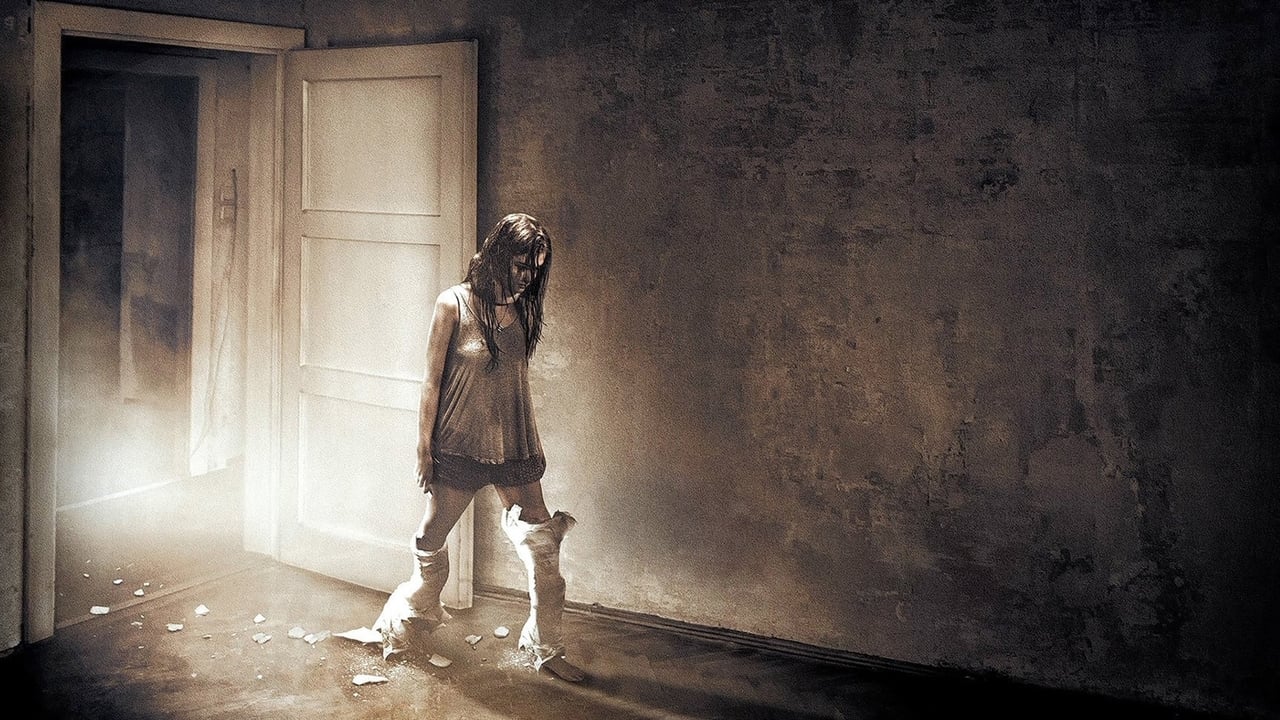
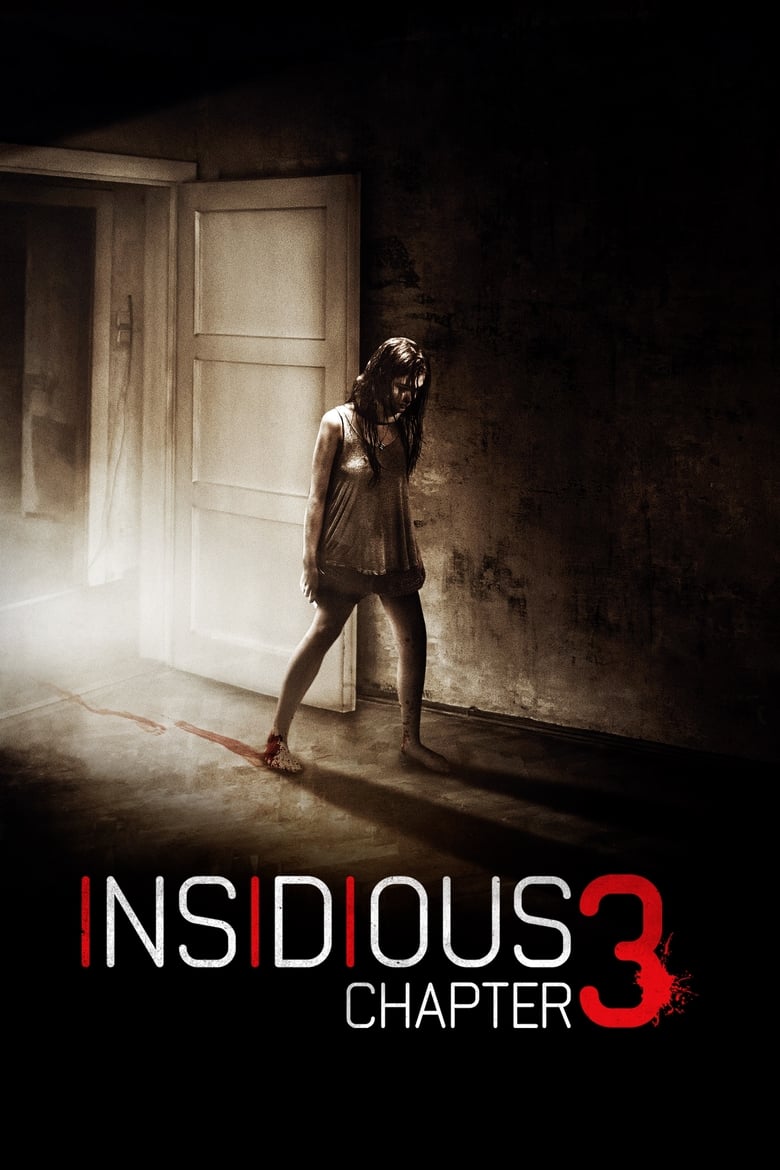
Insidious: Chapter 3
“This is how you die.”
A prequel set before the haunting of the Lambert family that reveals how gifted psychic Elise Rainier reluctantly agrees to use her ability to contact the dead in order to help a teenage girl who has been targeted by a dangerous supernatural entity.
About Insidious: Chapter 3
Why Insidious: Chapter 3 still stands out
There’s a quiet, stubborn centre to this film: a teenager who walks into a retired demonologist’s front room asking for help. That meeting — Quinn Brenner turning up to see Elise Rainier years before the Lamberts make their mess — gives the whole picture a human heartbeat rather than leaving it as a catalogue of scary images.
Leigh Whannell directs and keeps the film patient where other modern horrors sprint. It runs long for the franchise, but that length buys scenes where family grief, doubt and stubbornness can breathe — and where we understand why a woman like Elise would risk returning to a dangerous practice. And yes, the cast matters here: Stefanie Scott as Quinn and Lin Shaye as Elise anchor the story. It’s not just about a demon in a mask; it’s about people trying to hold a home together while something impossible insists it belongs there too.
The idea that sets Insidious: Chapter 3 in motion
You meet Quinn before the franchise’s better-known family troubles; she turns up to see Elise with a request to reach her dead mother. It’s a neat inversion — the supernatural help is sought for consolation rather than an immediate exorcism, and that makes the stakes quietly personal.
Elise senses something off and warns Quinn not to push at whatever’s left behind. That reluctance is important: it’s not bravado, it’s experience telling her this tidy wish could have teeth.
The film then gives the wish a consequence. After an audition Quinn is distracted by a distant figure and is later badly injured in an accident tied to that sighting. Stuck at home, convalescent and vulnerable, she becomes the locus for escalating hauntings.
When the family call in help it briefly goes sideways — a pair of internet figures are exposed as showmen — until Elise accepts again, pushed by grief and by a friend who reminds her she has helped before. That decision is the engine: Elise re-enters the spiritual territory she’d left and the film moves from warning to confrontation.
Why Quinn Brenner matters
Quinn is the story’s fulcrum: a teenager carrying ordinary ambitions and an ordinary wound. She’s the reason people argue in living rooms, call for help and debate whether the unseen should be invited back in.
The set-up gives her believable vulnerability — after an audition she’s distracted by something odd and ends up badly hurt, forced home with family to recover. That domestic confinement turns a private grief into a pressure cooker where small scares feel larger.
Crucially, Quinn’s ordeal is not abstract; the hauntings are tied to a single frightening figure who she recognises as the cause of her accident. That connection keeps the threat visceral and personal: it’s not random malice but an antagonist she can eventually confront.
And the film lets the family matter. Elise’s reluctant attempt to contact Quinn’s mother and the film’s closing words to the Brenners keep the plot invested in relationships, which is why Quinn’s choices — and the letter she never found — land with more weight than a generic scream.
Insidious: Chapter 3 has more on its mind than the plot suggests
At first glance it’s a ghost story; beneath that it’s a movie about family doing their best with what little control they have. Quinn’s situation asks how families react when belief — in the afterlife, in help, in explanations — both comforts and betrays them.
Supernatural belief is treated pragmatically. People want contact with the dead; Elise’s hesitation and the family’s insistence show belief as a human need, not just a plot device. That tension makes the hauntings feel like something that happened because of grief rather than pure malice.
Mortality keeps nudging the film. Characters talk and act from places of loss: Elise herself is carrying grief for her husband, and the idea that the Further can be seductive is tied to people’s longing to be reunited with the dead. And finally, growing up. Quinn’s arc is a small coming-of-age in horror clothing: she must face a terrifying figure connected to her past and, in doing so, choose to stand up rather than be consumed. That personal choice is what gives the scares a tiny scar of meaning.
Insidious: Chapter 3 could not belong to any other decade
Released in 2015, the film sits squarely in the mid‑10s wave of horror that favoured intimate stories and franchise-minded worldbuilding. It’s a movie that balances continuing mythology with one family’s private mess.
That year and context allowed a director-writer like Leigh Whannell to both expand and tighten the series’ universe: rather than making everything bigger, the film often narrows its scope, returning to personal hauntings and relationships.
It’s also typical of the decade’s appetite for sequels that explore earlier beats in a timeline — this story takes place before better-known events, giving fans a preface that’s less about spectacle and more about motive and consequence.
Put simply: Chapter 3 belongs to the 2010s because it treats franchise mythology like a neighbourhood rather than a theme park — familiar, lived-in and capable of private grief.
What has aged — and what hasn't
The film’s choice to centre a home-bound teenager still reads well. Quinn being stuck at home after an accident keeps the action domestic and tense in a way that modern viewers — used to instant spectacle — can appreciate as a deliberate restraint.
Themes of family and home still hold. When the movie resolves some of its problems by appealing to personal history — a letter, a mother’s encouragement — those scenes feel earned rather than tacked on, which helps the emotional throughline stand up today.
Some smaller elements show their age less cleanly. Casting details such as a teenage supporting role are period-typical in ways that don’t harm the film, but the central image of a masked figure tied to the accident remains the main engine and still plays as a straightforward, effective threat.
Finally, the film’s closing beats — Elise’s farewell to the Brenners and an unnerving final moment where her dog reacts to something unseen — keep an aftertaste. That lingering note, a quiet final look over the shoulder, is exactly the sort of small sting that keeps people thinking about it after the credits.
Why Insidious: Chapter 3 still matters
People remember this entry because it shifts focus from franchise spectacle to personal consequence. It begins with a simple request — contact my mother — and follows the fallout when that request becomes dangerous. That immediacy keeps it from feeling like just another middle chapter.
There are moments the franchise crowd nods at: the film exposes a pair of online demonologists as cheap showmen before the real work begins, Elise re-enters the Further despite her fears, and the story forces characters to make difficult moral choices grounded in grief.
Quinn’s confrontation with the figure tied to her accident and the subsequent help from her mother’s spirit — a private victory rather than a dramatic rally — are the kind of beats that stick in memory. They make the movie less about monsters and more about people who must choose to move on. Finally, the film leaves a small, uncomfortable last image: Elise’s dog senses something unseen while, out of sight, a red-faced demon watches. That unresolved glance gives the whole film a haunted echo, and horrors that end on an uneasy note tend to stick around longer in people’s heads.
Does Insidious: Chapter 3 still hold up?
Yes — with a caveat. If you want the franchise to crescendo into ever-larger set-pieces, this isn’t that film. But if you appreciate a horror that gives a teenager agency, treats belief and grief seriously and lets a veteran character like Elise carry the emotional load, Chapter 3 still pays dividends.
It’s a Leigh Whannell entry that trusts scenes between people more than it trusts non-stop shocks. Stefanie Scott’s Quinn is written as someone who must reckon with a past wound; the plot ties the haunting to an incident that injured her and then forces her to face it. That payoff, where personal courage defeats a masked menace, holds up.
The themes — family, the cost and comfort of supernatural belief, mortality, and a small coming-of-age — are straightforward and accessible. The film’s length and patient focus allow those ideas room to land rather than being swallowed by mythology for its own sake.
So should you watch it? If you like your scares leavened with human choices and quiet grief, yes. Insidious: Chapter 3 is the franchise’s reminder that ghosts matter most when they live in people’s lives.