House of Dracula
“HORROR UPON HORROR in the HOUSE OF DRACULA”
A scientist working on cures for rare afflictions, such as a bone softening agent made from molds to allow him to correct the spinal deformity of his nurse, finds the physical causes of lycanthropy in wolf-man Larry Talbot and of vampirism in Count Dracula, but himself becomes afflicted with homicidal madness while exchanging blood with Dracula.
About House of Dracula
What House of Dracula gets right
There’s an almost comic confidence to House of Dracula. It arrives, says: “Right — vampires, werewolves, Frankenstein’s monster. We’ll put them all in one castle and see what happens,” and gets straight on with it. That economy of purpose is a relief; the film never wastes a minute of its tight 67‑minute running time.
Part of the film’s punch comes from how it upends expectations. When Count Dracula turns up not to hunt but to ask for a cure, the usual predator becomes a patient — and that flips the room. That single reversal gives the whole movie a rattling curiosity: who’s in charge when the monster asks for help? Erle C. Kenton keeps the wheels moving and John Carradine’s Dracula anchors the premise. There’s charm in the way the film treats classic monsters as pieces on a board: recognisable, serviceable and, crucially, disposable if the plot requires it.
The idea that sets House of Dracula in motion
The film hinges on a tidy premise: a castle that becomes a clinic of last resorts. At its centre sits a coffin in the basement — a clear, physical sign that something unnatural is literally kept under the house.
That image — a vampire’s coffin in the cellar — gives the story a simple, readable geography. You instantly know where danger lives and why the characters keep circling back to the same place.
The setup also carries an implied bargain. If a monster can be treated like a patient, then medicine and moral responsibility get dragged into the same room as superstition and fear. It’s a compact idea, but it keeps the plot moving.
And when the bargain breaks — when the coffin is dragged into sunlight and the monster is destroyed — the film rewards that set‑up with a payoff that feels both literal and inevitable.
Why Count Dracula matters
This isn’t Dracula as romantic overlord. The film opens with him asking for help — a strange, almost humbling request that changes how we watch him. That single choice makes the character more than a walking threat: he becomes a catalyst.
Because Dracula seeks a cure, he forces other characters to act. The doctor who agrees to help steps into ethical grey areas; the presence of a vampire in the castle becomes a test for everyone’s courage and judgement.
John Carradine supplies the part of the equation you need: the familiar face of a Dracula figure, but one whose purpose here is functional. The Count matters less as an embodiment of evil and more as the problem that sets the human drama in motion.
In short: Dracula is the plot’s excuse and its mirror. He brings the sickness, and by asking to be cured he exposes the people around him — their fears, their rules and how readily they hand responsibility to authority.
House of Dracula has more on its mind than the plot suggests
At face value it’s a monster picture. Beneath that, though, the film is grappling with three simple social forces: fear, peer pressure and authority. Those three keep nudging characters into actions they might otherwise avoid.
Fear is the movie’s motor. Whether it’s fear of contagion, of losing control, or of being the next victim, the emotion pushes good people toward desperate choices. That’s why treatments and experiments become so central: fear demands a response, even a risky one.
Peer pressure shows up in the way communities react. When a body is found, suspicion spreads fast; people clamour for a decisive answer and a figure to blame. The film mines a grim truth — that mobs are often the easiest shortcut to certainty. Authority gets queried too. The doctor takes on a moral burden; the inspector and town leaders try to keep order. The film asks, without lecturing, how much we trust experts and when that trust becomes dangerous.
House of Dracula could not belong to any other decade
Released in 1945, House of Dracula sits squarely in the mid‑century horror tradition where studios were comfortable turning established monsters into practical props for new stories. That postwar moment liked its entertainment direct and unpretentious.
There’s a clipped efficiency to films of that era and running at 67 minutes, this one wastes no time. It packs recognisable genre elements into a short, energetic package — a very 1940s approach to storytelling.
The film’s appetite for mixing vampires, werewolves and Frankenstein’s creation also feels typical of the period: studios knew their audience wanted familiar figures but novel permutations. House of Dracula gives exactly that.
So while it may not be a grand statement about the decade, its form — short, decisive, and unafraid to pile monsters together — is very much of its time.
What has aged — and what hasn't
Some moments still land. The idea of a vampire seeking a scientific cure reads well today: it’s a concept that straddles horror and a light bit of science fiction. That mix keeps the film from feeling like a period curiosity.
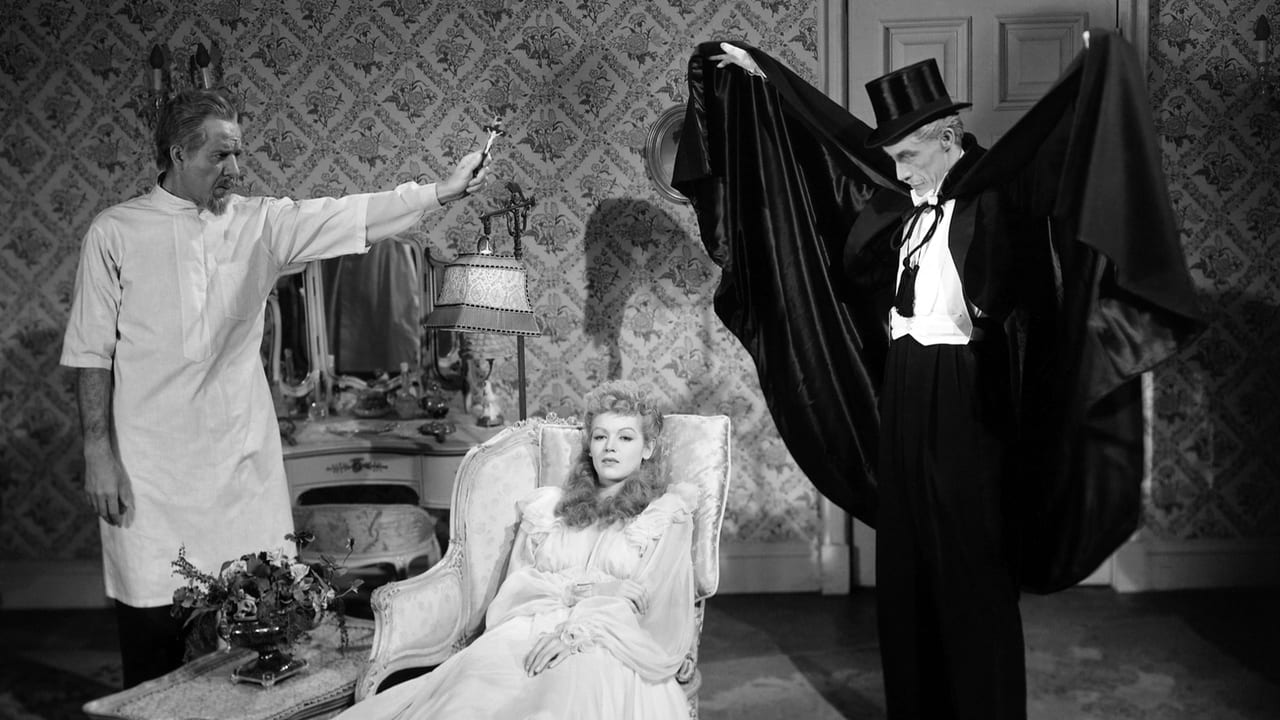
Elements tied to older horror conventions — a woman warding off a vampire with a cross, for example — can feel stagey to modern tastes. They’re meaningful in context, but the shorthand is of a different cinematic language than contemporary horror uses.
The movie’s handling of fear works better than you might expect. Because the plot focuses on diagnosis and treatment as well as on threats, it gives terror a practical edge. Fear becomes procedural, and that still plays.
Where the film is least forgiving is in its economy: some character beats are brisk to the point of bluntness. But that briskness is also part of its charm; there’s a directness here that modern horror sometimes forgets.
Why House of Dracula still matters
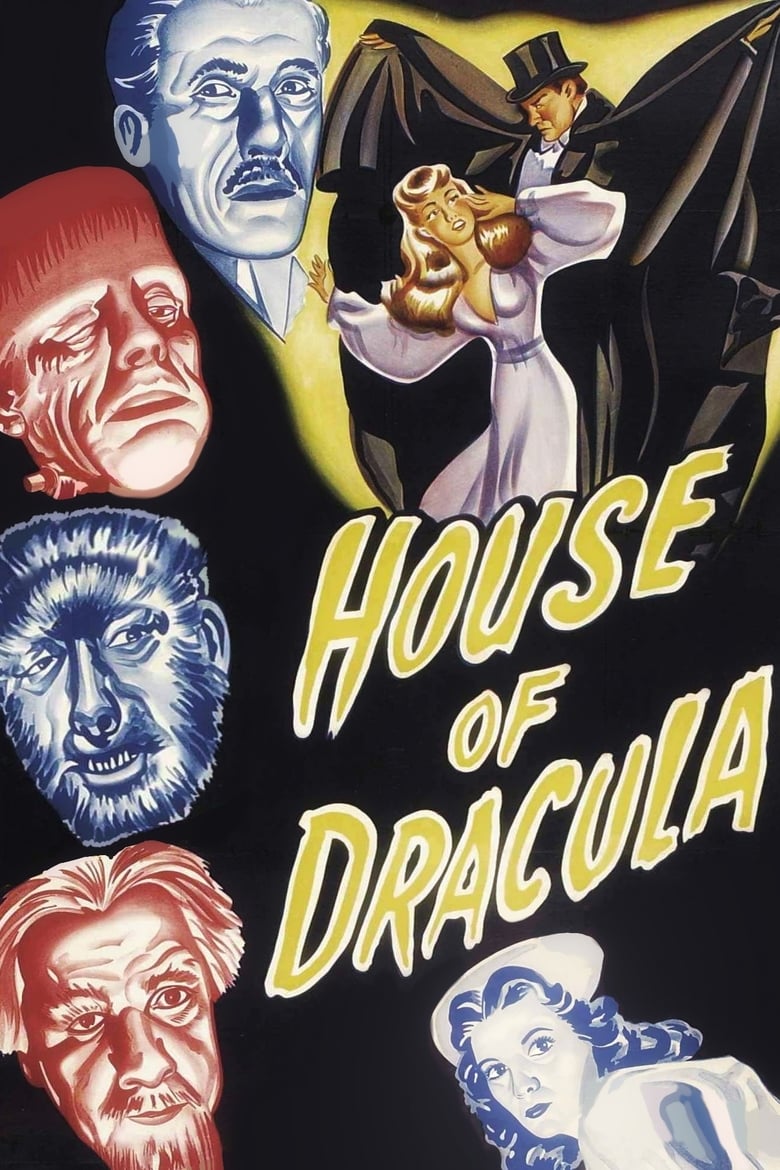
For viewers who grew up with Universal monsters, this film matters because it gathers the familiar into a single, compact story. Dracula turns up asking for help; Talbot arrives seeking a cure for lycanthropy; Frankenstein’s creature lies somewhere in between. All those pieces give the movie the feel of a reluctant reunion.
It also matters for its willingness to mix supernatural threat with medical reasoning. The doctor’s transfusions are a strikingly modern touch — blood as both problem and potential cure — and that intersection keeps conversations about the film centred on ideas rather than just set pieces.
The movie doesn’t shy away from communal panic either. When a murder is discovered the spark is a mob, and the way townspeople, police and officials respond gives the film a darker, almost civic texture that lingers in memory. Finally, the ending — violence, fire and the collapse of the roof on the monster — supplies a conclusively physical close. It’s the sort of tidy, destructive finale that sticks with an audience used to more ambiguous monster movie endings.
Does House of Dracula still hold up?
Yes — with a couple of generous asterisks. If you want slow‑burn atmosphere or modern shocks, this isn’t the place. But if you enjoy a lean, idea‑driven monster movie that treats its creatures like problems to be solved, it’s rewarding. The premise — Dracula asking for a cure and a doctor willing to use blood transfusions, even his own — gives the film a moral kick that feels unusually clear for a 67‑minute picture.
There are moments that sit awkwardly next to modern taste: shorthand ritual, brisk character beats, and scenes where mob logic overrules nuance. But those are also the things that make it an honest product of 1945 — direct, paced for screens of its day, and unembarrassed about its own genre mechanics.
So who should watch it? Anyone curious about the way Universal folded its monsters together, or about a horror picture that mixes medical procedure with the supernatural, will find something interesting. The film’s concerns about fear, authority and responsibility still read as recognisable choices rather than quaint relics.
In the end, House of Dracula works because it keeps asking questions while it bashes things with fire and stakes. That combination — thinking and smashing — is oddly timeless.