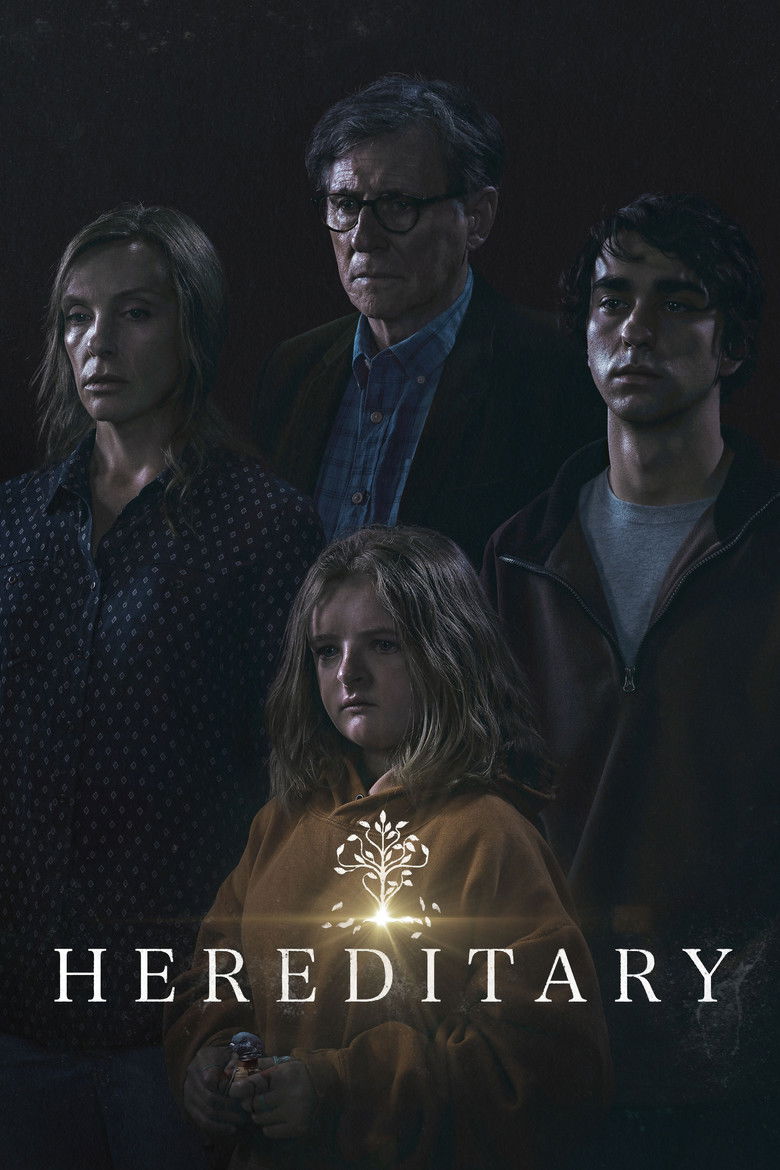
Hereditary
“Every family tree hides a secret.”
Following the death of the Leigh family matriarch, Annie and her children uncover disturbing secrets about their heritage. Their daily lives are not only impacted, but they also become entangled in a chilling fate from which they cannot escape, driving them to the brink of madness.
About Hereditary
What Hereditary gets right
Hereditary begins in ordinary detail: a woman who makes tiny, exact models of houses, and the family that lives inside one. That closeness — the household as a place of craft and care — is the lens for everything that follows.
Ari Aster’s 2018 feature pushes that private world into increasingly violent territory. The story turns on grief and the small, terrible accidents that follow it: a daughter’s sudden, gruesome death and the way those few seconds reverberate through a household. What keeps the film working is how it refuses to treat its scares as separate from the family. Annie Graham is at the centre of both the drama and the horror; her relationships, secrets and choices drive the film forward. That is why Hereditary still grabs attention.
The idea that sets Hereditary in motion
The engine is simple: a family already uneasy with its past meets a traumatic loss, and the domestic tensions that follow provide fertile ground for something stranger. Annie’s relationship with her mother, and the ways that history has threaded into her role as a parent, is the film’s starting point.
After the funeral the household fractures. Peter withdraws under the weight of what happened. Annie turns inward and brittle. Steve becomes the man trying — increasingly ineffectually — to keep the family from collapsing.
Then the film introduces a new element: a manner of belief and contact with the dead. A séance, performed with all family members present, produces physical phenomena; objects move and voices appear. The uncanny arrives as a continuation of grief rather than as an unrelated shock.
From there Hereditary escalates. Small symbols — a sketchbook, a sudden fire that will not keep burning — signal that whatever is haunting the family is tied up with their history and the choices they make in response to it.
Why Annie Graham matters
Annie Graham is the film’s sticky centre. She’s a miniatures artist whose life has been shaped by a difficult mother, and that private, obsessive attention to detail turns out to be an apt metaphor for how she holds — and later unravels — the family.
Her response to loss propels the story. After the funeral she’s the parent left with a pile of questions and the sudden need to explain the unexplainable to her children. That private recalibration makes her decisions weighty: when she seeks out one fellow mourner, the consequences ripple through the household.
The interaction with Joan introduces the idea that contact with the dead is possible — but only on the family’s terms. Joan’s insistence that everyone be present for a séance drags Annie’s private grief into a public, performative space. Annie becomes the conduit between what the film treats as ordinary family pain and something deliberately other.
By the end Annie is no longer only the mother trying to keep a family intact; she is central to the revelation that the harm in this story has been inherited and amplified. Her choices, and the family’s response to them, are what make the horror feel inevitable.
Hereditary has more on its mind than the plot suggests
On the surface it’s a horror about possessions and covens. Underneath it’s about the things families pass down: habits, resentments, care and neglect. The movie keeps returning to the idea that lineage is more than DNA — it’s a set of small violences and loyalties that shape how people act.
Belief matters here. The film treats contact with the dead as an extension of grief rather than a fantastical add-on. That heretofore private sorrow becomes ritualised when Annie and her family attempt a séance, and the insistence that everyone be present makes the family itself into a site of ritual.
Home is where safety should be guaranteed, but Hereditary steadily undermines that assumption. The family home transforms from refuge to arena; personal artefacts and domestic spaces become evidence of something older and more organised than individual suffering. Mortality sits just beneath every scene. The funeral, the children’s fears about who will care for them, and the brutal way loss is enacted in the film keep the viewer focused on what the family must reckon with long before any occult explanation is offered.
Hereditary could not belong to any other decade
Released in 2018, Hereditary sits firmly in the 2010s moment where horror and family drama frequently overlapped. Filmmakers in that period liked to make scares feel like the natural conclusion of interpersonal collapse.
Part of what marks it as of-the-decade is that it doesn’t treat terror as spectacle alone. The film blends intimate domestic detail with escalating dread in a way that became a notable strain of 2010s horror.
The decade gave directors licence to use genre film language to tell personal stories. Hereditary uses that licence to turn a household quarrel into something that feels larger and more organised than one family’s misfortune.
Put simply: it’s a 2010s horror that looks inward before it looks outward, and that inwardness is precisely why it reads as a product of its moment.
What has aged — and what hasn't
The core family drama still lands. The funeral, the awkward realisation that others knew your parent better than you did, and the shift in how Charlie sees her future are small, human beats that remain affecting on a rewatch.
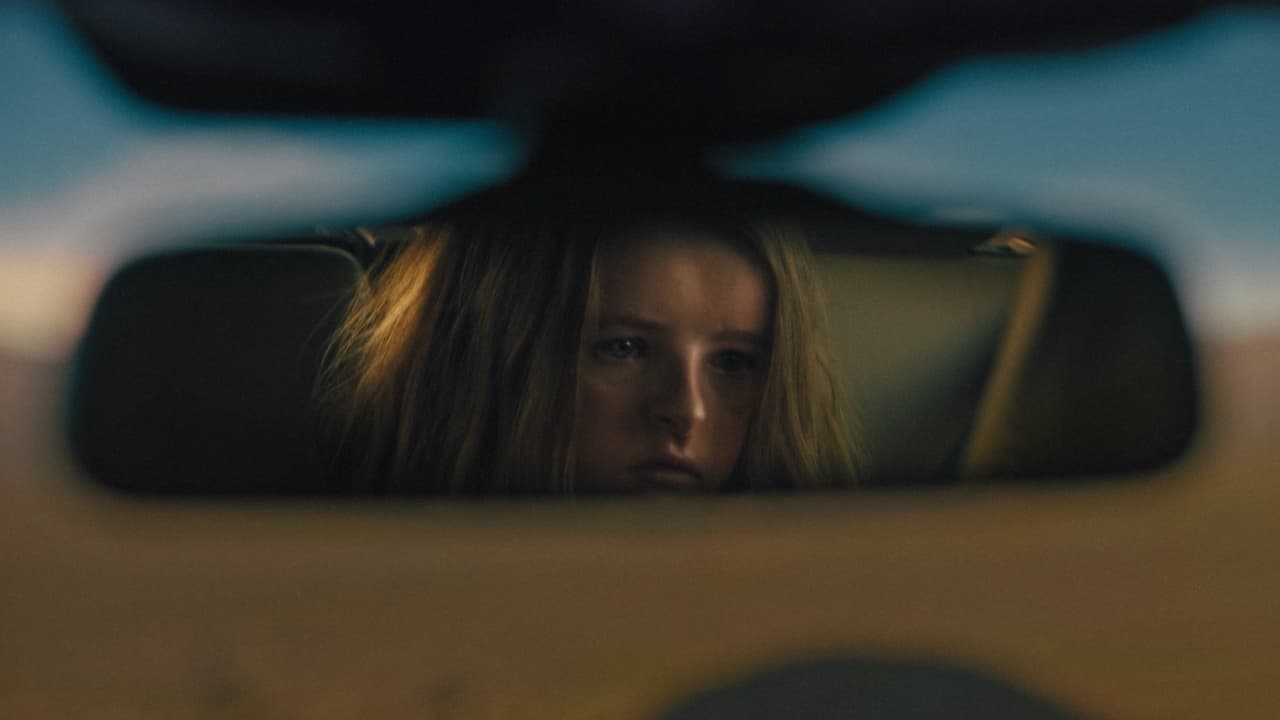
Some of the film’s choices continue to feel brave in a way few mainstream horrors are: a child’s grim, almost matter-of-fact behaviour (a moment with a dead bird early on) and the later, harrowing discovery a parent makes in a car both resist easy sanitisation.
The way the home becomes unsafe retains its power. Seances that require family presence, the discovery of occult memorabilia linking past generations to current events, and the idea that the house holds secrets rather than safety all still create a quietly escalating unease.
If anything feels sharper now, it’s how the film makes inheritance look inevitable: the things passed down are not only stories but active forces, still operating in the present. That idea hasn’t dated.
Why Hereditary still matters
There are images from this film that stick. A small girl secretively pocketing something grotesque, the shock of a parent finding an unthinkable scene in their car, a family pulling together only to be split further apart — these moments lodge in the memory.
The story’s pivot points are simple and brutal: an early scene where a child behaves disturbingly normal with death; a catastrophic roadside accident; the ripple of shame and guilt that follows. Those beats make the later occult explanation feel earned rather than tacked on.
The discovery that a previous generation was involved in things the family never acknowledged — a photo album, the naming of a coven leader — reframes grief as an inherited problem. The movie makes inheritance literal: not just of traits, but of arrangements that the living must somehow answer for. Finally, the film’s ending, where the family home becomes a site of worship and reformation around a newly claimed figure, is audacious in how conclusively it ties the private story of loss to an organised, external belief system. That boldness is why people keep talking about it.
Does Hereditary still hold up?
Yes — because at its heart it’s a tight, terrible family story. The film keeps returning to the same human failures: a parent who can’t keep the house together, a child who becomes withdrawn with guilt, and a mother who seeks answers in the wrong places. Those are not trendy beats; they are durable.
The horror elements still carry teeth because they grow out of that domestic logic. Supernatural occurrences arrive as consequences of the family’s past and choices, which makes the scares feel consequential rather than decorative.
It helps that the cast populate the family credibly: the household dynamic — husband, wife, teenage son, younger daughter — is recognisable and fragile. The smaller details (a walnut in a slice of cake, a school invite, a support group confession) make the larger collapses believable.
If you’re deciding whether to watch it now: if you want a horror film that treats grief and family as the starting point for dread, Hereditary still rewards. It’s a watch that quietly insists the scariest things are the ones we already live with — and then shows what happens when they stop being quiet.