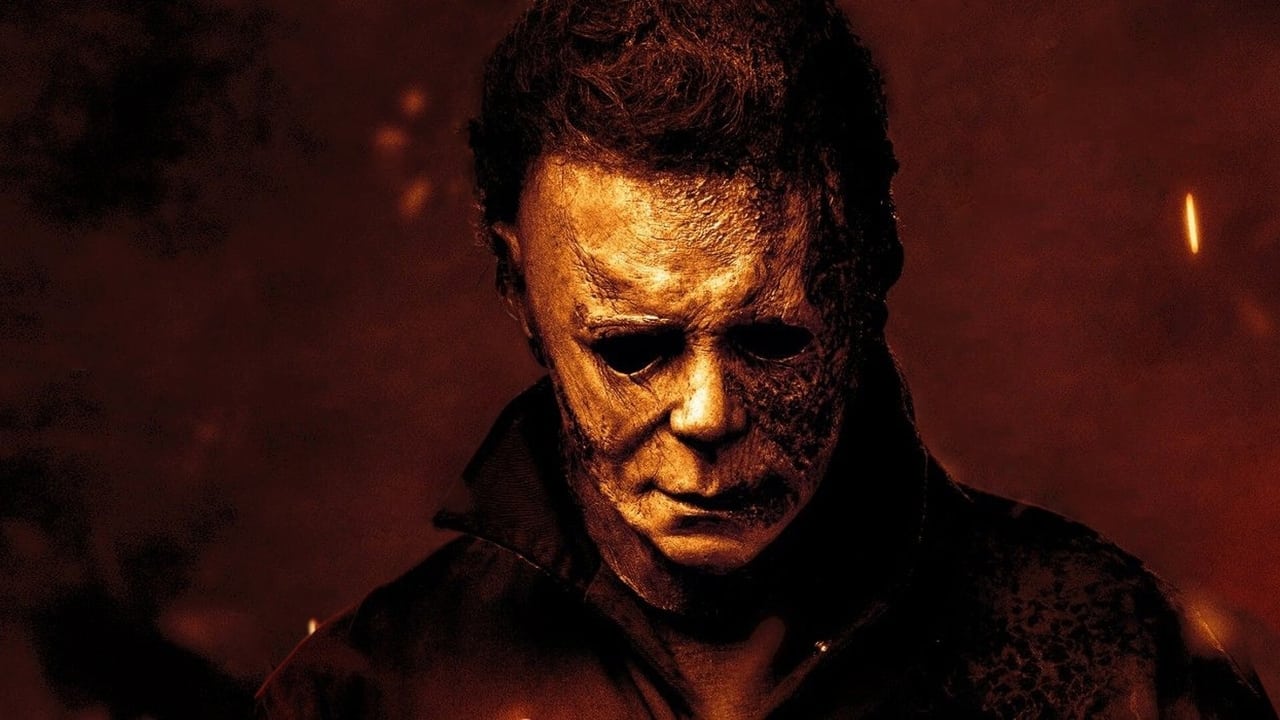
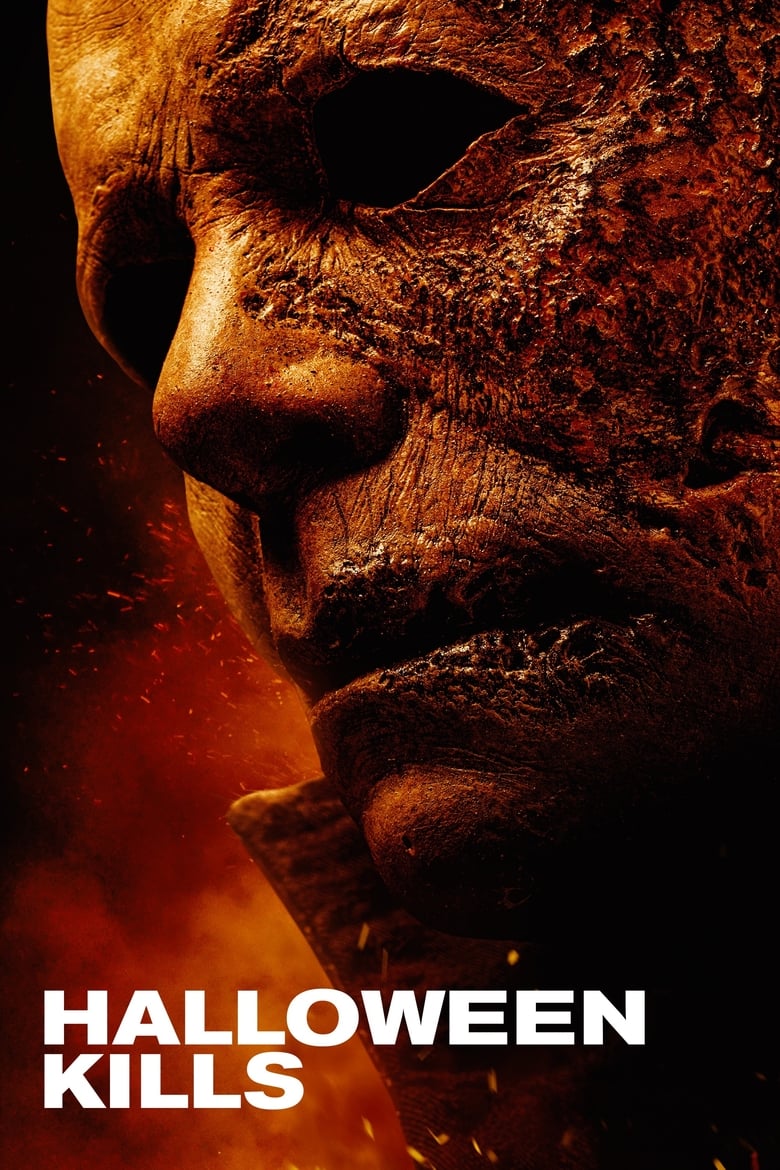
Halloween Kills
“Evil dies tonight.”
Michael manages to free himself from Laurie Strode's trap to resume his ritual bloodbath. As she fights for her life from injuries from their last encounter, she inspires her daughter Karen, her granddaughter Allyson, and all of Haddonfield to rise up against the unstoppable monster.
About Halloween Kills
Why Halloween Kills still stands out
There’s a stubborn, unpleasant logic at the heart of Halloween Kills: you can’t keep pretending a thing didn’t happen and expect it to go away. The film, directed by David Gordon Green and running a brisk 105 minutes, picks up that argument where the last entry left off and turns Haddonfield into a pressure cooker.
Jamie Lee Curtis’s Laurie Strode spends much of the film off the front line in hospital, which is a neat trick — the horror is not only who stalks the streets, but what happens at home while the family tries to hold itself together. That domestic fracture gives the movie a sharper edge than a straight-through slasher. Outside the hospital, Tommy Doyle gathers a vengeful crowd and the town tries to enforce its own justice. When the mob believes it has finally put the Shape down, the momentary relief is brutal and short-lived — the film makes the collapse of that hope a central, unforgettable pivot.
Why Laurie Strode matters
Laurie Strode is the emotional anchor here precisely because she’s the one with the most to lose. Jamie Lee Curtis’s Laurie is not just a survivor in the bones-and-knives sense; her family — daughter and granddaughter — turns the personal cost of Michael into the movie’s moral compass.
Crucially, Laurie is sidelined for a chunk of the action by emergency surgery, which flips the usual final-girl script. She’s present in the stakes without being on the chopping block, and that absence makes everything the rest of the town does feel more fraught.
Her family dynamic matters. Karen, Laurie’s daughter, knows Michael is alive and keeps that from her mother so Laurie can recover; that choice ripples through the film, pushing other characters into reckless behaviour. Allyson, Laurie’s granddaughter, is pulled into the town’s hunt by her own grief and loyalties, and the generational chain — survivor to protector to avenger — is what gives the horror its human shape.
Around Laurie there’s a loose constellation of people who survived 1978 with her scars: Tommy Doyle and Lindsey Wallace among them. Their shared history with Michael keeps the past present, and Laurie’s place in that history explains why the town reacts the way it does.
Halloween Kills has more on its mind than the plot suggests
On the surface it’s a slasher—someone in a mask goes house-to-house—but beneath that mask the film keeps returning to family. Not just Laurie’s immediate family, but the town’s wider, messy family: survivors, neighbours, old bullies turned friends. That network is the story’s emotional ballast.
Home and safety get chewed up. Michael’s route through Haddonfield — and the way characters map his path back to his childhood house — turns buildings into memory-laden traps. Houses are where trauma lived and where it returns; the notion of a safe domestic space is constantly undermined.
Mortality and lifespan are quietly everywhere. The movie feels preoccupied with who survives long enough to remember, and who pays the price for that memory. Older characters carry the history of 1978 like an inheritance they can’t escape.
There’s also an argument about parental protection and loss: choices made to shield someone can look noble and naïve at once. Those decisions push other people into violence, revenge or panic, and the film spends most of its time watching those consequences unfold.
Halloween Kills could not belong to any other decade
Released in 2021, Halloween Kills carries a 2020s energy that’s less about fashion and more about how franchises treat their past. It’s very much a film that expects its audience to know the history and to feel the weight of it.
That backward glance is literal in spots: the movie reaches into the original Halloween, pulling people who survived 1978 back into the same emotional orbit. That continuity makes the sequel feel like a conversation with its own history rather than a rebooted idea.
One blunt sign of that approach is the use of legacy cast: Charles Cyphers returns as Leigh Brackett, and the film even incorporates archive footage as part of that bridge to the past. In practical terms that choice knits decades together in a way only a 2020s sequel could try — insisting, stubbornly, that older characters still matter to the story being told now. So the film’s 20s-ness isn’t style so much as attitude: it’s a contemporary horror that thinks about continuity, memory and what to do with the weight of previous entries.
What has aged — and what hasn't
Some aspects of the film’s argument about violence and consequence feel sharp today. The idea that a community might try to enact justice outside institutions — Tommy’s mob plotting Michael’s route, for example — lands as a recognisable, uncomfortable prospect.
The way the movie ties Michael back to his childhood home also keeps working; tracking him toward that house gives the killings a grim logic beyond random gore. That connection between place and past still gives the film purposeful dread.
Other pieces are less tidy. The chain of decisions that pushes people back into harm — Lonnie entering Michael’s house alone and being killed, for instance — leaves a bitter aftertaste: the movie is clearer on the costs than on any easy moral resolution.
And then there’s Frank Hawkins’s story thread. His past mistakes — including preventing an execution of Michael years earlier — and his present vow to fix them add a melancholy, stubborn thread about how one person carries responsibility for a community trauma. That kind of through-line keeps the film anchored when the action threatens to spin free.
Why Halloween Kills still matters
There’s a stubbornness to this film’s afterlife: it doubled down on continuity and on the idea that a town haunted by one night will never stop being haunted. That’s evident from the way survivors gather — Tommy marking the 40th anniversary with old faces — to how personal vendettas continue decades later.
Frank Hawkins is a useful shorthand for the movie’s lingering appetite: found dying, full of regret for choices that let Michael live, he becomes a man who wants to correct a past he can’t fully fix. That kind of character keeps the sequel feeling like an extension of a longer story rather than a disposable shock-piece.
The mob element is why people still talk about the film. Tommy’s attempt to marshal the town into a unified response — and the tragic collapse of that plan when Michael rises again and slaughters the crowd — gives the movie a sequence that reverberates in memory. It’s a saga about how communal fear can flip into communal violence, and that bite is what keeps conversations about the film alive.
Finally, the personal stakes — Karen withholding Michael’s survival to protect Laurie, Allyson pulled into the hunt to avenge her father — turn the spectacle into something threaded through family choices. That’s why the film lingers: not purely for the kills, but for the way those deaths rearrange families.
Does Halloween Kills still hold up?
If you want clean answers or a neatly closed confrontation with Michael Myers, this isn’t the film. What Halloween Kills offers instead is a study in escalation: a 2021 sequel that cares more about the social fallout of longstanding terror than about tidy catharsis.
That makes it compelling in its way. Laurie Strode remains the emotional centre by absence and implication, Karen’s choice to protect her mother ripples through the plot, and Tommy’s attempt to turn grief into action produces one of the film’s most memorable collapses when the town’s plan fails catastrophically.
There are blunt, unpleasant moments — firefighters killed, neighbours slaughtered, people drawn back into danger by loyalty or grief — and the film doesn’t pretend they’re anything but consequences. If you can handle horror that’s as interested in communal panic as it is in a masked killer, there’s value here. So should you watch it today? Yes, if you’re intrigued by a slasher that treats its legacy as subject matter and is willing to make the town’s response part of the horror. If you want a tidy showdown, look elsewhere. Halloween Kills is at its best when it makes you feel how messy survival looks through the years — and then refuses to let you look away.