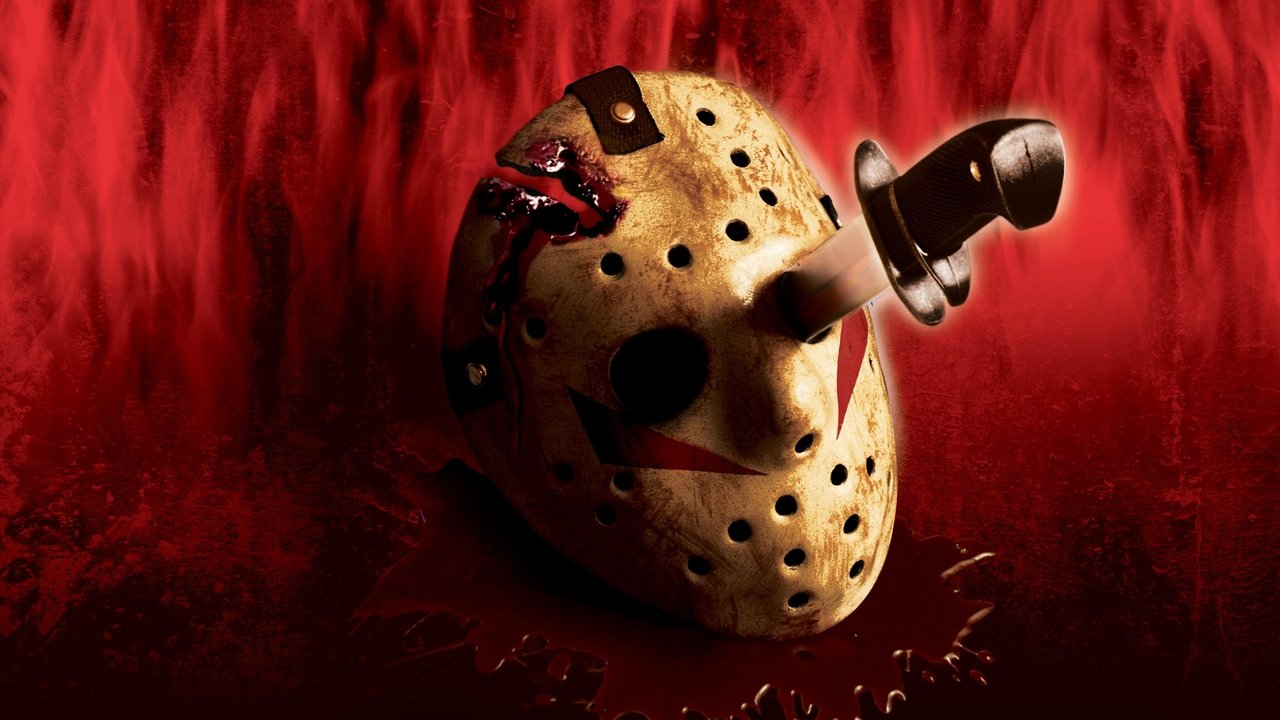
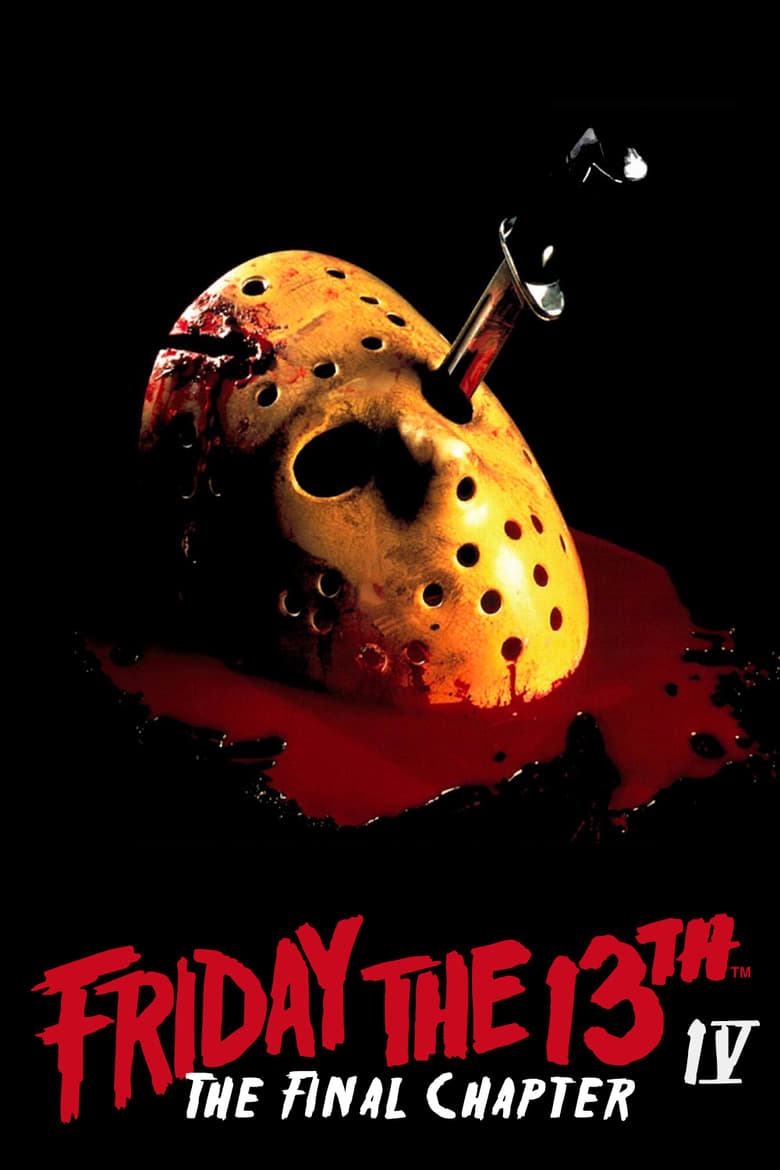
Friday the 13th: The Final Chapter
“Three times before you have felt the terror, known the madness, lived the horror. But this is the one you've been screaming for.”
After his revival in a hospital morgue, Jason fixes his vengeful attention on the Jarvis family and a group of hitherto carefree teenagers.
About Friday the 13th: The Final Chapter
What makes Friday the 13th: The Final Chapter worth revisiting
Few set-ups in 1980s horror are as gleefully unromantic as this one: a suspected corpse is zipped away by the authorities, put into cold storage and then refuses to stay there. That jolt — the body waking when everyone thinks the story's over — gives the whole film a nasty sense of day-after dread.
Joseph Zito directs with a blunt efficiency. The movie is short — ninety-one minutes — and moves through its cast with the kind of urgency slashers live on. Ted White dons the hockey mask as the killer; alongside him the audience meets a handful of teens and a kid who matters more than he first appears to: Tommy Jarvis, played by a young Corey Feldman. Yet the thing that keeps people coming back is less about the mask or the jump-scares and more about the setting: this is a horror movie where family and home are on the same fault line as freedom and summer mischief. Put those ideas together and the film's nastiness stops feeling gratuitous and starts feeling archetypal.
The idea that sets Friday the 13th: The Final Chapter in motion
The engine is simple: a bunch of teenagers head to Crystal Lake for a summer trip and are the obvious targets in a slasher movie — they drink, flirt and push at the borders of adult rules. That ordinary freedom is the bait.
Next-door lives the Jarvis family: Trish, her mother and twelve-year-old Tommy. When Trish and Tommy’s car breaks down they’re helped by a young man called Rob Dier, and that helpfulness nudges the story into another register — strangers and neighbours, overlapping in one small community.
The setup keeps the geography tight. The teens are at a rented house, the Jarvises are next door, and the lake is never far. That small, shared space makes every disappearance feel immediate and every knock on the wall meaningful.
And then the film does what it says on the tin: the killer starts taking people apart in ways that don’t pretend to be anything other than gruesome — a corkscrew and a cleaver, a crushing blow in a shower. The brutality is part of the engine; it’s how the movie keeps the stakes sharp.
Why Jason Voorhees matters
Jason is economical as a movie character. He arrives with very little exposition: a body taken away after previous murders, presumed dead, and yet somehow not done with the world. That unwillingness to stay buried gives him a mythic, unstoppable quality.
Ted White is the physical presence who fills the mask. The way the film treats him — a hammer of inevitability moving through a small community — turns his appearances into a kind of punctuation. You know what he is when he’s on screen: an interruption.
He also matters because of who he’s attacking. The victims aren’t abstract; they’re kids having a summer, and next door a proper family with a little brother named Tommy. That closeness — murderer, teens and a family in the same thin neighbourhood — makes Jason feel less like a roaming monster and more like a force breaking into domestic life.
The movie even gives Jason a motive of sorts through other characters: someone comes looking for justice for a murdered sister and explains to Trish that Jason is still alive and seeking revenge. It’s crude, but it turns Jason from an anonymous boogeyman into a figure connected to the community's wounds.
Friday the 13th: The Final Chapter has more on its mind than the plot suggests
On paper it’s a slasher: teens, a lake, a killer. But the movie keeps nudging the same handful of ideas — family and the idea of home as safety — until they become its real subject. The Jarvis household sits cheek-by-jowl with the place where the teens are making trouble, and that adjacency keeps pulling the film back toward matters of responsibility and protection.
Freedom appears as a youthful promise: the party, skinny-dipping, the brief estrangements and flirtations. The film supplies those freedoms and then shows how fragile they are when the neighbourhood’s dark history returns.
Mortality and loss are never abstract here. Jason’s return is an occurrence that inflicts concrete grief on the people who live nearby: neighbours, friends, a mother. The losses register in ways the film refuses to sentimentalise — they’re jolts, and then the next person is gone. And then there's growing up. Tommy, the twelve-year-old next door, is the most obvious marker: his presence converts a straightforward teen-slasher into a story about a child watching the grown-up world break down. That creeping adulthood gives the final act an extra, unsettled note.
Friday the 13th: The Final Chapter could not belong to any other decade
Released in 1984, this film belongs to a cluster of 1980s movies that specialised in fast, high-energy thrills for teenage audiences. That era demanded lean storytelling and bold genre decisions — which is precisely what the film delivers.
There’s a particular 80s appetite on show: stories that paired adolescent freedom with blunt consequences. The movie’s structure — a handful of young characters making risky choices and paying for them — sits comfortably within the decade’s taste for cautionary spectacle.
The film’s tempo and willingness to push boundaries are also very much of their time. This is an era where horror didn’t always cushion its shocks; it ran at you and expected you to keep up.
Put simply: the movie fits its year and its decade because it uses that period’s cinematic shorthand — quick setups, compact casts, direct thrills — and squeezes everything into ninety-one minutes.
What has aged — and what hasn't
The film’s compact setup — teens driving to Crystal Lake for a summer trip — still reads as efficient storytelling. It gets you to the situation quickly and then keeps moving, which modern viewers with short attention spans can appreciate.
As a teen movie, some elements come with the genre’s baggage: the party set-up, the flirtations, the risky behaviour. Those scenes act as shorthand for who’s expendable and who matters, and that shorthand feels both of its time and useful to the film’s blunt storytelling.
What still pays off is the domestic tension. The Jarvis family being next door — a mother, an older sister and a little boy — makes the stakes feel intimate. When the power goes out and neighbours disappear, that closeness turns every creak into a potential catastrophe.
Where the film is rougher now is in the casualness of some transitions: characters come and go, and the movie doesn’t always pause to explain motivations. That briskness is part of its charm for some and part of its annoyance for others. But the basic architecture — small community, a party gone wrong, a child watching — still lands.
Why Friday the 13th: The Final Chapter still matters
Part of the film's afterlife is simply the way it stacks its set-pieces: an early morgue revival, brutal ambushes at a lakeside party, and a final confrontation that centres a shaken family. Those moments are the kind of beat-for-beat memories people retell.
There’s also a practical detail that keeps cropping up in conversations: Tommy showing the masks he made — a small, odd detail that makes him feel real and not merely a plot appliance. It’s a reminder that the film bothered to give at least one child a hobby and an identity.
The movie’s finales are the stuff of gossip: the graphic act of violence that finishes the antagonist, and the lingering last image of a boy who looks like he might not be quite himself. Those are the images that lodge in memory. Finally, there’s the simple fact of a community being forced to confront its trauma. The morgue scene that restarts the carnage, the teenagers who think they’re safe, the neighbours drawn into the violence — all of those are tidy story beats that keep the movie in conversation even now.
Does Friday the 13th: The Final Chapter still hold up?
Yes — with a few caveats. If you want subtlety, look elsewhere. If you want a taut, fast-moving slasher that treats its central threat as an unavoidable blunt instrument, this still works. The morgue moment that restarts the horror sets the tone and the film never apologises for moving straight to the next brutal beat.
Ted White’s hulking presence in the mask is the movie’s constant; he’s the simple answer to every question about danger. Around him a compact cast — teens at a lakeside party, next-door neighbours and a helpful stranger — keeps the geography clear and the stakes immediate.
Where modern viewers might bristle is in how economically the film sacrifices characters to keep momentum. The result is a film that feels brisk and ruthless rather than generous. But that economy also gives it a driving clarity: when the house is barricaded and the small family is threatened, the choices are immediate and the suspense is direct.
So should you watch it? Absolutely, if you’re up for a relentless, short slasher that trades nuance for motion and centres its scares on the collapse of home and the loss of safety. It’s a film that still hangs in the memory — and that final, uneasy image of a child not quite as innocent as he seemed is the kind of closing note that refuses to leave you alone.