Freaks
“Can a full grown woman truly love a midget?”
A circus' beautiful trapeze artist agrees to marry the leader of side-show performers, but his deformed friends discover she is only marrying him for his inheritance.
About Freaks
Phroso is still the reason this movie works
Freaks grabs you with a very simple set-up: a glamorous trapeze woman who sets out to marry into money. That hook — Cleopatra using charm to get a dwarf's inheritance — is small, nasty and mercilessly efficient.
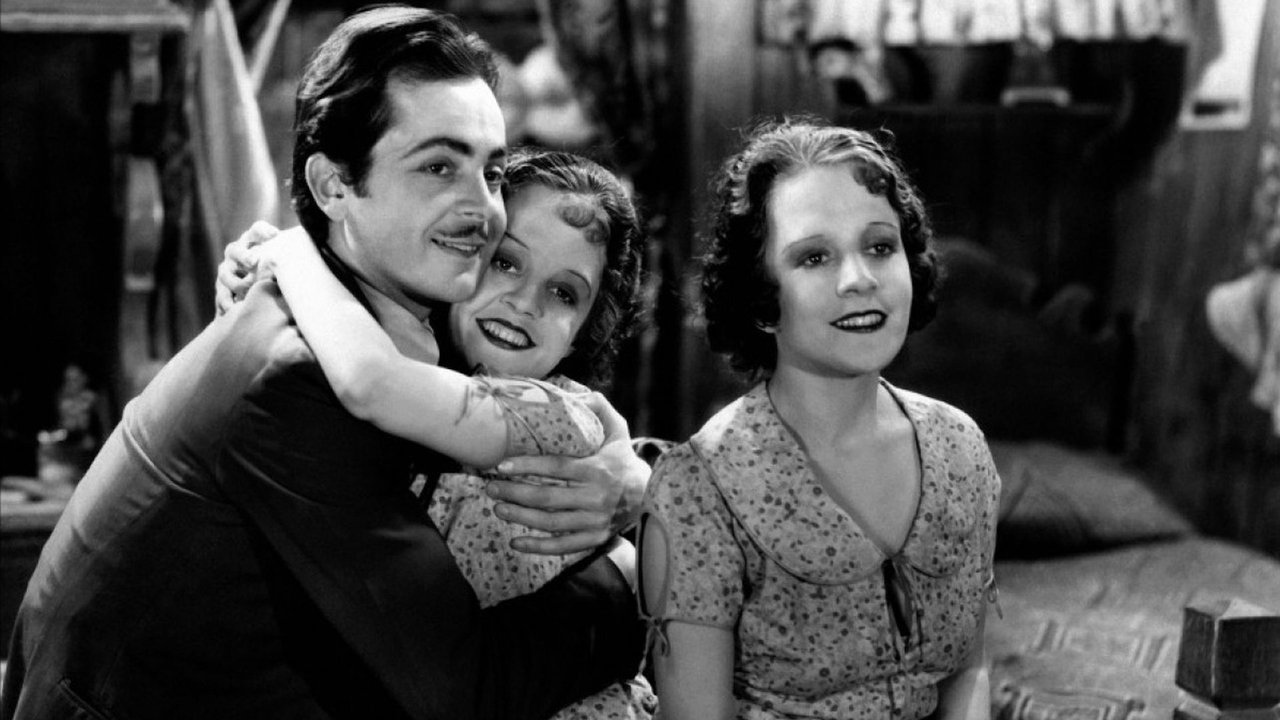
Tod Browning runs the whole thing in a brisk 64 minutes, and he keeps the camera on the people who matter. Wallace Ford's Phroso is the moral fulcrum: not the loudest or the most dazzling, but the one who tries to stop real violence and pays the near price for it. The cast reads like a sideshow billing, which it is: dwarfs, twins, the bearded lady and oddities who are also characters. Browning's film is horror-adjacent, a flashback thriller and a drama in equal measure — and it asks you, again and again, to decide who is monstrous and who is merely human.
The idea that sets Freaks in motion
At its simplest, Freaks starts with a con: Cleopatra, a glamorous trapeze artist, spots a small fortune and courts a dwarf called Hans to get at it. That greedy pivot pulls the rest of the carnival's lives into motion.
The sideshow isn't a backdrop for a single plotline; it's where other relationships quietly continue — marriages, engagements and new babies — so the story never feels like a private vendetta. Those everyday ties make the later actions personal, not theatrical.
When the plot turns violent — Hercules tries to silence anyone who knows the truth, and Phroso intervenes — the film shifts from a romance-turned-swindle into a chase about rescue and retribution.
Browning even keeps an oddcoda tucked in the original cut: consequences are not tidy. The ideas the set-up raises — betrayal, community, protection — are what the film carries through to the end.
Why Phroso matters
Phroso is useful because he's uncomplicated in intention but central in effect. He's the clown who sees a wrong in progress — Hercules's violence against Venus — and tries to stop it, nearly losing his life for the attempt.
That makes him more than comic relief; he functions as the human hand the story reaches for when things get ugly. His near‑death and recovery anchor the audience emotionally without turning the film into a sermon.
There are two other moments that cement his importance: he appears at the film's alternative close to visit Hans, and he exists within the network that spreads news and care across the troupe. Phroso is the connective tissue.
In short: the movie could have been a cautionary tale about cruelty. With Phroso it becomes something else — a small, stubborn argument for defending people, even when doing so is dangerous.
Freaks has more on its mind than the plot suggests
On the surface it's a tale of seduction and revenge. Dig a little and the film is asking a quieter question: what makes someone 'human'?
Browning's troupe of performers live ordinary emotional lives — love, jealousy, birth — which forces the audience to stop looking at them as curiosities and start looking at them as people. That shift is the film’s central trick.
Another persistent idea is protection: the community circles like a family when one of their own is threatened. The film stages loyalty as a lived practice, not a patriotic speech. Those two concerns — recognising humanity and defending it — give Freaks its moral weight. They explain why the story's retribution feels earned rather than merely theatrical.
Freaks could not belong to any other decade
Released in 1932, Freaks sits in a Hollywood moment when studios still experimented with tone and content in ways that feel bolder than we might expect now.
Its casting and storytelling — using real sideshow performers and a compact runtime — also reflect a period cinema that could be economical and unsettling at once.
That restlessness, a willingness to mix melodrama with offbeat human detail, is very much of the early 1930s: the film feels like a product of a time when genre boundaries were still porous.
Seen that way, Freaks is less a curiosity from the past and more a snapshot of a decade's appetite for oddity and moral edge.
Why Freaks still matters
People keep returning to Freaks because it refuses to make those on its stage merely background colour. Cleopatra's scheme to marry Hans for his money is nasty and clear-cut, but the film refuses to make the sideshow into a one-note spectacle.
Instead, Browning layers ordinary lives — the Bearded Lady's newborn, the twins' engagement, the way the troupe shares news — so that when betrayal happens it lands as a wound among friends, not a headline.
That communal closeness is why the retribution that follows feels visceral. The troupe doesn't act from cruelty; they act from protection. The chase after Cleopatra and the injury to Hercules are personal, not symbolic.
And even the punishment scenes — the brutal fate that befalls Cleopatra in some cuts, and the gentler alternate ending where Hans is visited by friends — keep the film talking about consequences, shame and, unexpectedly, forgiveness.
Does Freaks still hold up?
Yes — but with a clear rider. Freaks remains worth watching because it is compact (64 minutes), direct and interested in people rather than stunts. The basic con — Cleopatra marrying Hans for money and plotting to remove him — still shocks because the film makes the cost of that treachery feel intimate.
Phroso's role — the clown who tries to stop Hercules and nearly dies for intervening — gives the audience a moral anchor. He’s the figure you care about when loyalties are tested, and that keeps the emotion grounded.
The themes the film carries — recognising the humanity of a marginalised community and protecting that community — are straightforward but powerful. They make the revenge sequences feel less like exploitation and more like the defence of a family. If you want a short, strange, occasionally brutal piece of early‑30s cinema that trusts its characters, give Freaks a watch. It's not comfortable, but it's honest about who it cares for — and that still matters.