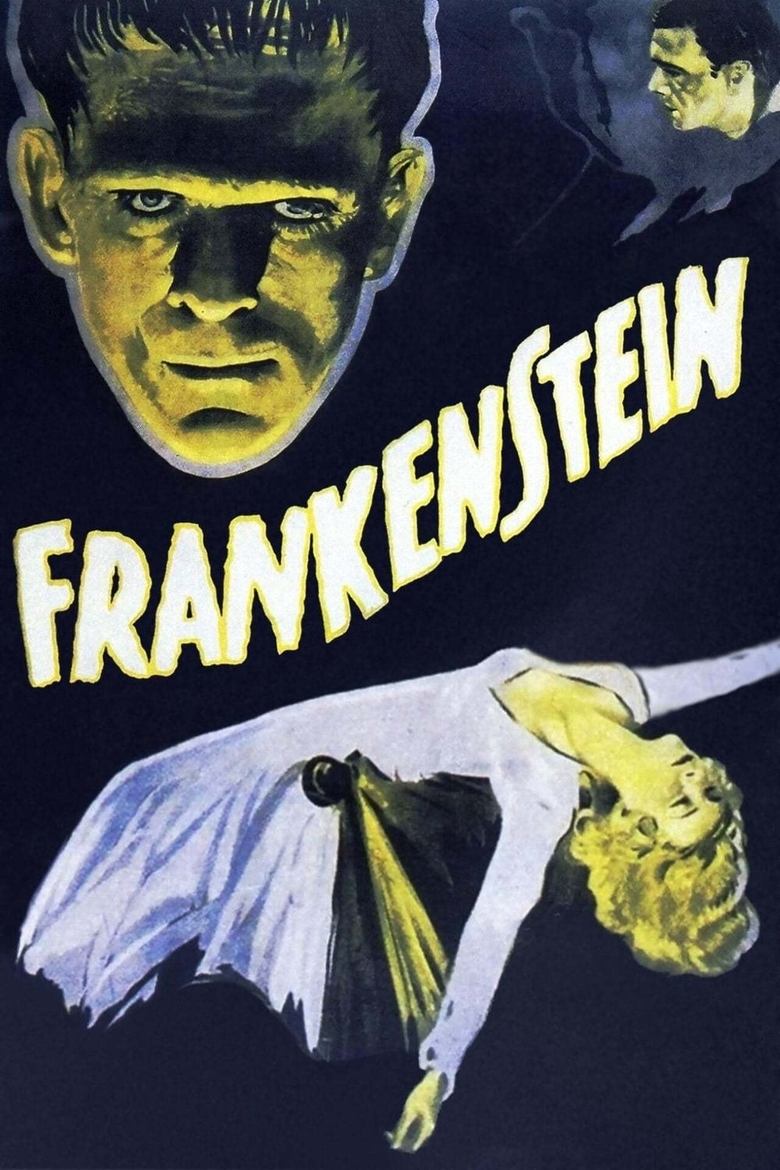
Frankenstein
“The man who made a monster.”
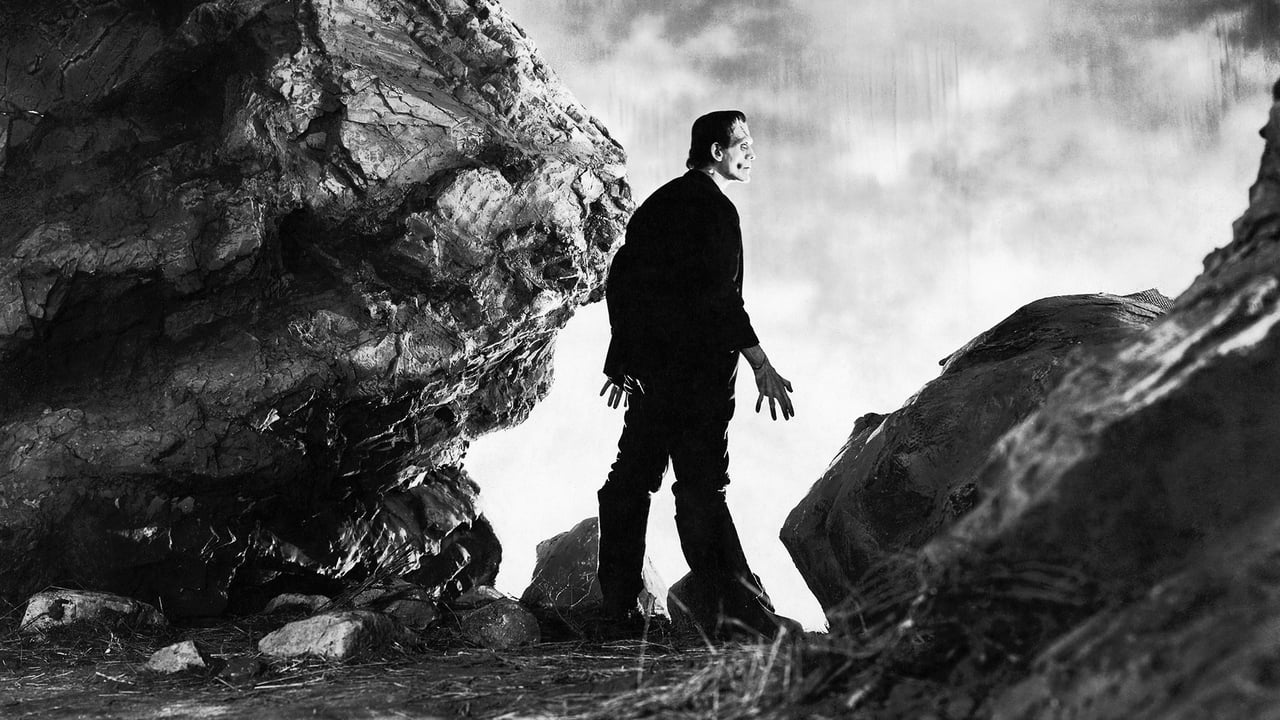
Henry Frankenstein pieces together body parts in the hope of bringing a human-like creature to life. The mad scientist’s dreams are shattered by his monstrous creation awakening with rage to a world that hates and fears him.
About Frankenstein
Elizabeth Lavenza is still the reason this movie works
At the centre of Frankenstein is a basic, theatrical image: a scientist and his assistant assembling a human body from other people's remains. It's a neat, shocking premise — but what keeps the movie from becoming mere spectacle is the way it places ordinary attachments around that monstrously unnatural experiment.
Mae Clarke's Elizabeth Lavenza is introduced as the person who notices Henry's odd habits and does something about them. She speaks to their friend Victor and seeks help from Dr Waldman, and the film repeatedly returns to that domestic, worried energy even as Henry prepares to reanimate flesh in a storm. James Whale directs the whole thing with economy — 71 minutes of horror, science-fiction and moments that quietly fold into themes of family and protection — so the shock of creation (and the creature's first blink of life) lands inside a human world rather than in a laboratory alone.
Why Elizabeth Lavenza matters
Elizabeth isn't a prop who exists to be rescued later. From the moment she notices Henry withdrawing into his work, she treats his behaviour as something that affects the people around him — and she does something about it.
She talks with Victor to try and understand Henry, then goes to Dr Waldman for answers. Those scenes frame Elizabeth as the bridge between Henry's private obsession and the community that cares about him.
When Henry collapses from exhaustion, it's Elizabeth (with Henry's father) who takes him home. That small sequence does two jobs: it humanises Henry, and it makes Elizabeth the practical centre of the household.
The film's recurring concern with family and friendship gives Elizabeth a steady role beyond the melodrama: she isn't only the fiancée in peril, she's the person who keeps the domestic life ticking while the experiments threaten to unmoor it.
Frankenstein has more on its mind than the plot suggests
Strip away the hunchback, the lightning and the stitches and the film keeps nudging you toward the idea of belonging. Family appears everywhere: worried conversations, the decision to bring Henry home, even the final wedding toast.
There’s also a surprisingly human pulse running through the creature’s early moments. The new being arrives more confused than cruel — so the movie keeps asking whether humanity is something you’re born with or something you learn by being looked after.
Parental protection and home sit at the heart of these questions. The villagers' reaction, and the film’s interest in keeping or restoring domestic order, makes Frankenstein feel less like a tale about abstract science and more like a story about what we’ll protect and why.
Friendship matters too: Victor and others attempt interventions, not condemnations. That network — fragile, imperfect — is what gives the narrative its moral weight.
Frankenstein could not belong to any other decade
Released in 1931, Frankenstein arrives when cinema was still learning to do a lot with a little. That directness — short running time, clear moral beats — feels very much of its moment.
The film's mix of horror and science-fiction, and its willingness to set a strange experiment against ordinary village life, matches a 1930s appetite for bold premises told without indulgence. Because it is compact and deliberate, Frankenstein wears its decade like a working tool rather than decoration: economical storytelling that makes the central human questions unavoidable.
What has aged — and what hasn't
What still strikes today is the film’s human scaffolding: the bits about family, friendship and home. Those choices — bringing Henry home after collapse, the way characters cluster around one another — still read as direct, effective storytelling.
The simpler, quieter moments hold up better than the noisy ones. Scenes where people try to understand each other don’t require modern effects or a contemporary sensibility: they still work because humans still do the same worrying and consoling.
Some of the crowd reactions and the final mob-driven blaze feel of their time in ways that modern viewers may find blunt, but they serve a clear dramatic purpose: the community’s fear forces the film to decide what it values.
Overall, Frankenstein remains a film whose emotional architecture — family ties, loyalty and the fragile idea of safety — survives decades better than any shock technique.
Why Frankenstein still matters
The film’s images — a body pieced together, equipment humming under a storm, the moment the creature first opens its eyes — created a shorthand for a certain kind of cinema. But beneath those images are recurring moral questions: what responsibility does a creator have, and who looks after the created?
Frankenstein keeps returning to the creature’s surprising innocence at first. That early childlike curiosity is crucial: it forces the audience to weigh accident against intent when tragedy follows.
The film also stages several stark reversals — the creature's killing of Waldman, the drowned child and the villagers' vigilante response — that explain why the story lodges in people’s minds. These events turn an abstract experiment into real human consequences.
Finally, the domestic endpoints — Henry being brought home, the wedding and the simple wish for family continuity — give the movie an emotional bookend. It’s a horror picture that never lets you forget the people who are trying, in various small ways, to keep one another safe.
Does Frankenstein still hold up?
Yes — but not because it still scares in the way modern horror tries to scare. It holds up because it's economical and because it cares about ordinary human ties. The film asks who protects the family when science slips its leash, and that question is still sharp.
It helps that the movie never loses sight of consequence: Henry's experiments, the need for a brain, the scene where creation finally comes to life under lightning, all of that leads directly to human fallout — deaths, grief and a community pushed to violence.
James Whale’s 71-minute film makes its choices quickly and clearly, and the presence of characters like Elizabeth and Doctor Waldman keeps the moral balance honest. The film doesn’t moralise so much as show the messy results of ambition unchecked. If you’re deciding whether to watch Frankenstein now: watch it for its compactness, for the way it frames family and responsibility inside a horror story, and for the uncomfortable, necessary way it reminds you that monsters are made in rooms where other people live.