Don't Look Now
“Pass the warning.”
While grieving a terrible loss, a married couple meet two mysterious sisters, one of whom gives them a message sent from the afterlife.
About Don't Look Now
Why Don't Look Now is still worth talking about
Don't Look Now begins with a straightforward, terrible fact: a family is broken by the accidental death of a child. John and Laura leave the English countryside and find themselves in Venice, where John's work on an old church should be a practical distraction from grief.
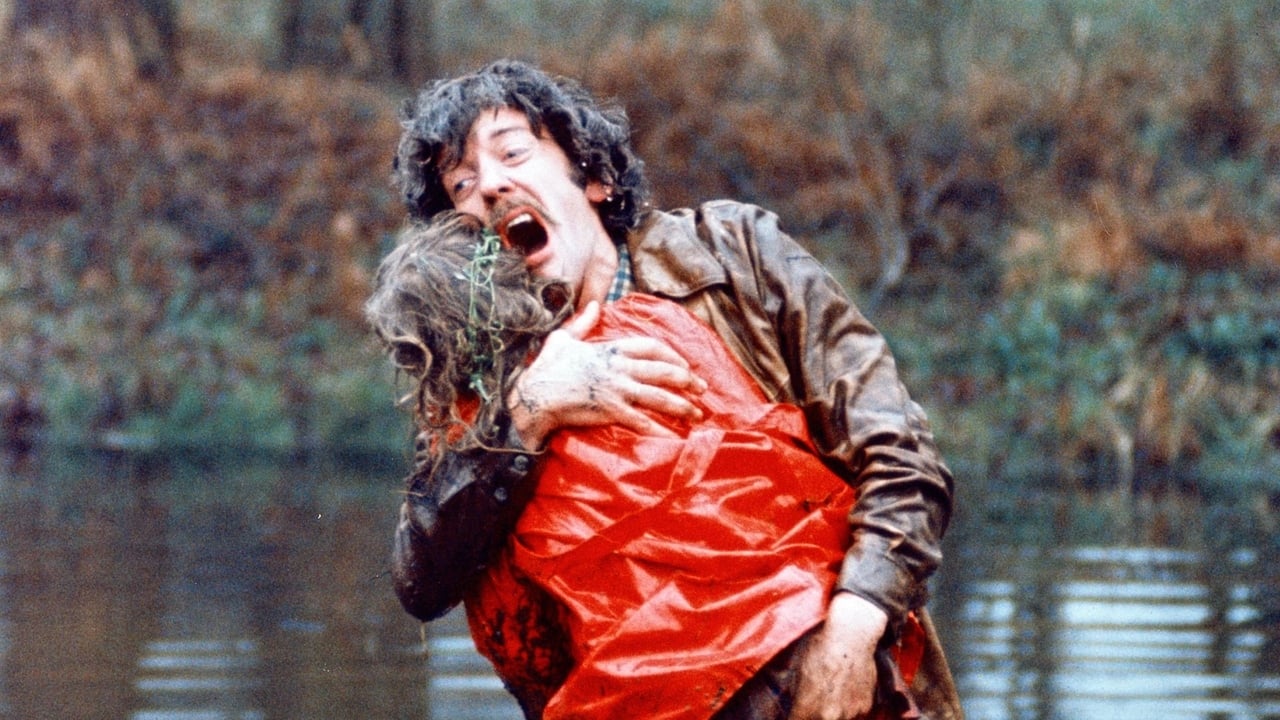
From that tidy premise, Nicolas Roeg spends 110 minutes bending the film into something slipperier. It moves between drama and horror with a confidence that makes the two feel like neighbours who occasionally shout through the wall. The film doesn't treat loss as scenery; grief runs the plot like an engine. Then there are the odd, unmistakable details that people still bring up: Laura meeting two elderly sisters, one claiming to "see" their dead child despite being blind, and the recurring sight of a small figure in a red coat that keeps turning up when the couple least expect it. Those ingredients give the movie a stubborn, specific personality — intimate, unsettling and properly strange.
The idea that sets Don't Look Now in motion
At face value the setup is economical. A couple scarred by their daughter's drowning take a change of scene: John will restore a church, Laura will try to heal. It's simple enough to explain at a party. It's not simple to sit with for two hours.
Small events rapid-fire the narrative: a hospital visit where a psychic's claim visibly alters Laura, a night when the couple get briefly separated, a séance aimed at contacting the lost child. Those beats do the real work — they change the way the characters move through the city and through each other.
Danger arrives in domestic register. John survives a near-fatal scaffold collapse and reads it as the very warning the sisters seemed to deliver. Misunderstandings follow: a mix of mistaken sightings, police interest because of unrelated killings, and one painfully human error — John learns Laura is actually in England only after assuming the worst.
All of which funnels into the single, grim momentum Roeg gives the story: John keeps seeing something he can't explain, pursues it, and finds out the truth too late. The setup trusts small, believable events to build a larger tension rather than relying on an upfront gimmick.
Don't Look Now has more on its mind than the plot suggests
On paper it's a horror about strange sightings and danger. Under the skin it is stubbornly domestic: a film about family and what parents will do — or fail to do — when grief narrows their world.
Parental protection is everywhere: Laura is driven by the hope that contact with their child might keep the family intact; John, meanwhile, is protective in a different register, trying to control events through reason and action. That tug-of-war quietly steers the drama.
Authority is present but complicated. The sisters, the police, even the institution that sends John to Venice — each represents different kinds of trust and disbelief. The film sets those authorities against private sorrow and asks which voice people will listen to when everything is uncertain.
Loss and fear are not decorative. They are the lenses through which the characters make choices, and Roeg keeps the film close to that discomfort. It's not a puzzle to be solved so much as a situation to be felt.
Don't Look Now could not belong to any other decade
This is a 1973 movie through and through. That year sits the film in a moment when filmmakers were willing to blend genres and avoid neat moral closures.
Being a 1970s picture lets Roeg take his time with grief and let strangeness seep into everyday moments. The film treats adults as complicated people who can be cruel, frightened or wrong — not purely heroic figures or cardboard victims.
It's not nostalgia for the 70s that matters here, it's the era's appetite for films that trusted audiences to live with ambiguities. Don't Look Now uses that permission to make a story where answers are partial and worry hangs around like damp. Put simply: the film's patience, its mood of discomfort, and its refusal to tidy everything up feel like a product of its release year — and that gives it a particular, recognisable personality.
What has aged — and what hasn't
The central situation still lands. A grieving couple trying to carry on — and the ways grief warps perception — remain easy to recognise. That core human truth is the film's strongest currency today.
Fear in Don't Look Now is mostly psychological; it comes from believable miscommunication, the persistence of images that won't leave you alone, and the sense that safety is conditional. Those are still effective ways to make an audience uneasy.
Some viewers may find the film's patience taxing in a streaming era used to faster shocks. But what was once deliberate can now feel like a strength: the film lets discomfort linger, which is the point.
In short, the story about a family and its private terrors survives time better than any single gimmick ever could.
Why Don't Look Now still matters
People return to Don't Look Now because it's a movie that feels personal rather than procedural. The story that sends John and Laura to Venice — the private work on a church and the private attempt to contact a lost child — keeps the film rooted in ordinary, terrestrial pain.
Laura's encounter with the two elderly sisters, and how that meeting changes her, is one of those scenes that lodges in the memory; it ties the supernatural to emotion in a way that makes the strange feel intimate.
Moments such as the scaffold accident, the couple getting lost, and John repeatedly witnessing the small figure in a red coat convert plot beats into something closer to fate than coincidence. Those repeated beats are what make the film feel uncanny rather than merely plot-driven.
Ultimately, the movie's last, bleak discoveries — the confrontations that answer the repeated warnings — are what make it linger. It doesn't offer comfort. It offers an unsettling, unforgettable closing card.
Does Don't Look Now still hold up?
Yes — if you're up for a film that uses horror to talk about grief rather than for a stream of obvious frights. Nicolas Roeg's 1973 picture is 110 minutes of carefully earned unease that pays attention to family, parental protection and the small, terrible things that lead to bigger consequences.
The scenes that change Laura and the repeated sightings of the child in a red coat are not cheap tricks; they are threads that tie the characters' private sorrow to the plot's escalating dread. The film rewards patience by turning those threads into a slow-burning logic.
That doesn't mean it's for everyone. If you want fast answers or tidy comfort, this will irritate. But if you appreciate a film prepared to let fear grow out of believable human mistakes and misunderstandings, it still delivers. Don't Look Now holds up as a brave piece of movie-making: intimate about loss, stubborn about mood, and willing to let its final moments be both logical and devastating. Watch it when you want a horror that feels household-close rather than headline-loud.