Cloverfield
“Some thing has found us.”
Five young New Yorkers throw their friend a going-away party the night that a monster the size of a skyscraper descends upon the city. Told from the point of view of their video camera, the film is a document of their attempt to survive the most surreal, horrifying event of their lives.
About Cloverfield
Why Cloverfield still stands out
There’s an immediate trick Cloverfield keeps pulling: the picture you’re watching is supposed to be someone’s personal tape, dug up and handed back to you. That recovered camcorder footage gives the movie a shove past spectacle into a cramped, hyper-kinetic experience — like being pressed up against the people who filmed it.
It’s tight. At eighty-five minutes it doesn’t waste your patience, and Matt Reeves uses that compact runtime to push the story forward without forgiveness. The result is a science-fiction disaster that feels urgent because it never lets you step back and admire the creature; instead it insists you pay attention to the people running in front of it. That human centre — Rob Hawkins, his girlfriend Beth, and their mates including Hud — is the reason the film still sits in conversations. You come for a collapsing skyline and stay because the camera follows small, recognisable arguments, daft friendships and personal stakes right into the heart of chaos.
The idea that sets Cloverfield in motion
Cloverfield begins in a very ordinary place: a surprise farewell party in a Lower Manhattan flat, thrown because Rob is off to Japan. It’s meant to be a send-off, complete with testimonials, camera and all the normal noise of friends saying goodbye.
Tension is already tucked into the frame — there’s personal awkwardness between Rob and Beth, and the camera is an eager witness, asked to capture mugging smiles and off-the-cuff confessions. That intimacy makes the leap from party to pandemonium feel sudden and catastrophic.
When the world turns into a disaster, the group repeatedly chooses to stay together and move toward loved ones rather than run alone. Even the idea of shelter shifts: at one point the sensible choice is to go underground and hope you’re safer there.
And if you’ve watched to the end, there’s one last unsettling touch: a cryptic voice after the credits, a small leftover of the tape that suggests the chaos wasn’t as simple as anyone hoped.
Why Rob Hawkins matters
Rob Hawkins is the camera’s lodestar. We learn his life in tiny domestic beats: a morning spent with Beth before a day out in the city, and then a proper farewell party weeks later when he’s leaving for a new job abroad.
Those small moments do essential work. They give Rob something to lose — a relationship, a future — and that’s what makes his choices during the disaster feel real instead of plot-driven. The stakes are personal, not abstract.
His friends are part of the package: Jason organises the send-off, Hud is the one who’s always filming, and the group’s dynamics — the jokes, the tensions — make Rob’s responsibility to them believable. Friendship, here, is not a label; it’s a reason to keep moving toward danger.
Even incidental details matter: a once-stunned friend returning from a rooftop, covered in dust, reminds us why Rob’s decisions matter in the first place. He’s not a blank-action hero — he’s a bloke with people around him, and that’s why the camera stays on him.
Cloverfield has more on its mind than the plot suggests
On the surface it’s a city-eats-monster story. Underneath, the film keeps circling a handful of simple human ideas: bravery, looking out for others, freedom to make the wrong choice, and the protective instincts people carry for one another.
Heroism here is not flashing medals; it’s the small, stubborn choices — pleading with a commander for a chance to rescue someone, sharing a scarce lifeline, running back into a collapsing building because you can’t leave your people behind.
There’s also an odd strand of parental protection — not strictly family ties, but the same instinct to shield the vulnerable. The movie frequently frames emergency decisions as attempts to keep someone else safe, even at disproportionate risk. All of this is bound to courage and friendship: the disaster amplifies what already exists between these people, forcing ordinary loyalties into extraordinary acts.
Cloverfield could not belong to any other decade
Released in 2008, Cloverfield arrived at a moment when audiences were already primed for intimate, raw-feeling thrills. The idea of a major spectacle filtered through a tiny lens — a personal camcorder — sits perfectly with the cultural appetite of the time.
The film’s setup (a normal party, a young man about to move abroad, a group of friends filming each other) feels of its era in the sense that the camera is treated like an extension of friendship: someone is always there to record the moment, for better or worse.
That combination of sweeping disaster and domestic detail is very 00s: big ideas served through the small, shareable frame of a single tape. It’s a decade-friendly collision of intimacy and spectacle.
Put simply: Cloverfield takes an old creature movie and retells it as something people in 2008 would plausibly bring home and show one another — a private tape that happens to contain a national calamity.
What has aged — and what hasn't
The things that hold up are mostly human: the group chemistry at the party, the believable awkwardness of a goodbye, and the reasons these people are willing to move toward danger. Those strands of friendship still feel immediate.
Some details that anchor the film to its moment — like the send-off for someone leaving for a job in Japan — might read differently today, but they still serve as solid emotional setups. The film’s short runtime means it never overstays its welcome; it remains a brisk, focused ride.
What doesn’t age as cleanly is the conceit that this is a single recovered tape you should accept without question. Viewers who prefer clear framing devices or less noisy camerawork may find the format wearing after a while.
Still, when the movie wants you to care about a person, it mostly succeeds, because its beats of friendship and duty are simple and unobtrusive, and those qualities travel across years better than any trendy filmmaking trick.
Why Cloverfield still matters
Part of Cloverfield’s afterlife lives in the premise itself: what you’re watching is assembled from a personal camera that was later recovered. That found-footage framing keeps pulling people back — it makes the disaster feel oddly private.
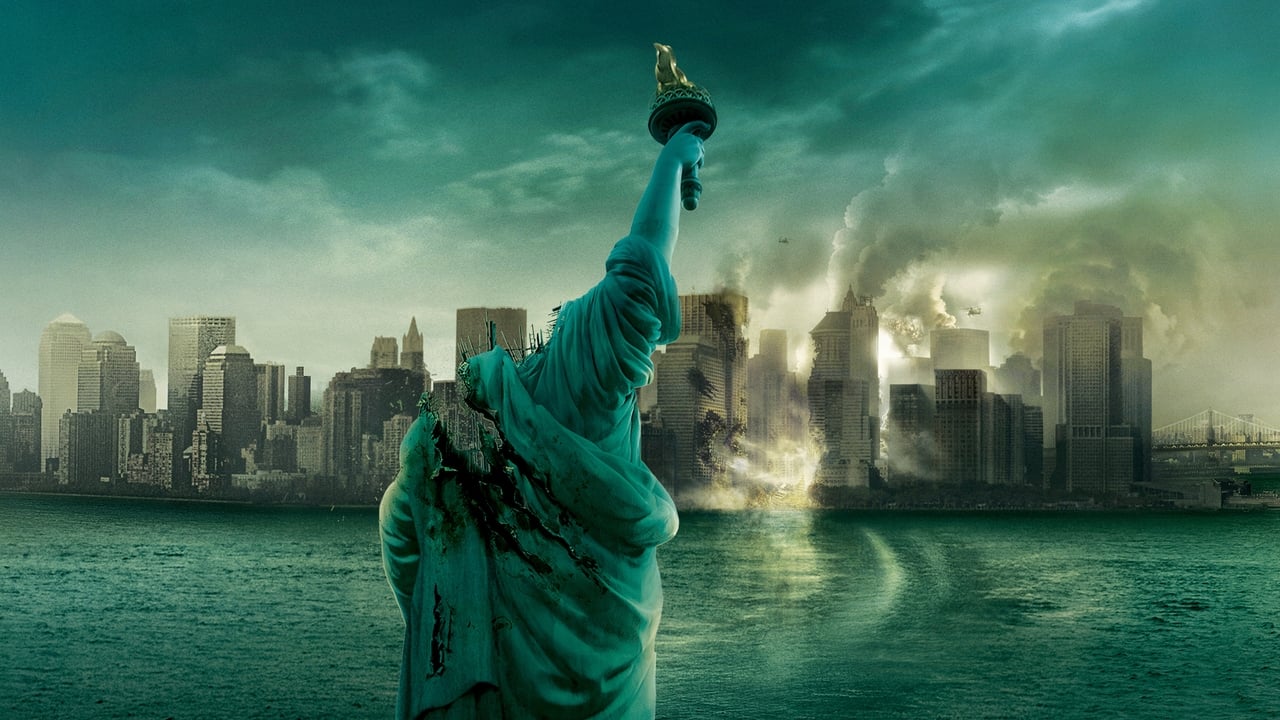
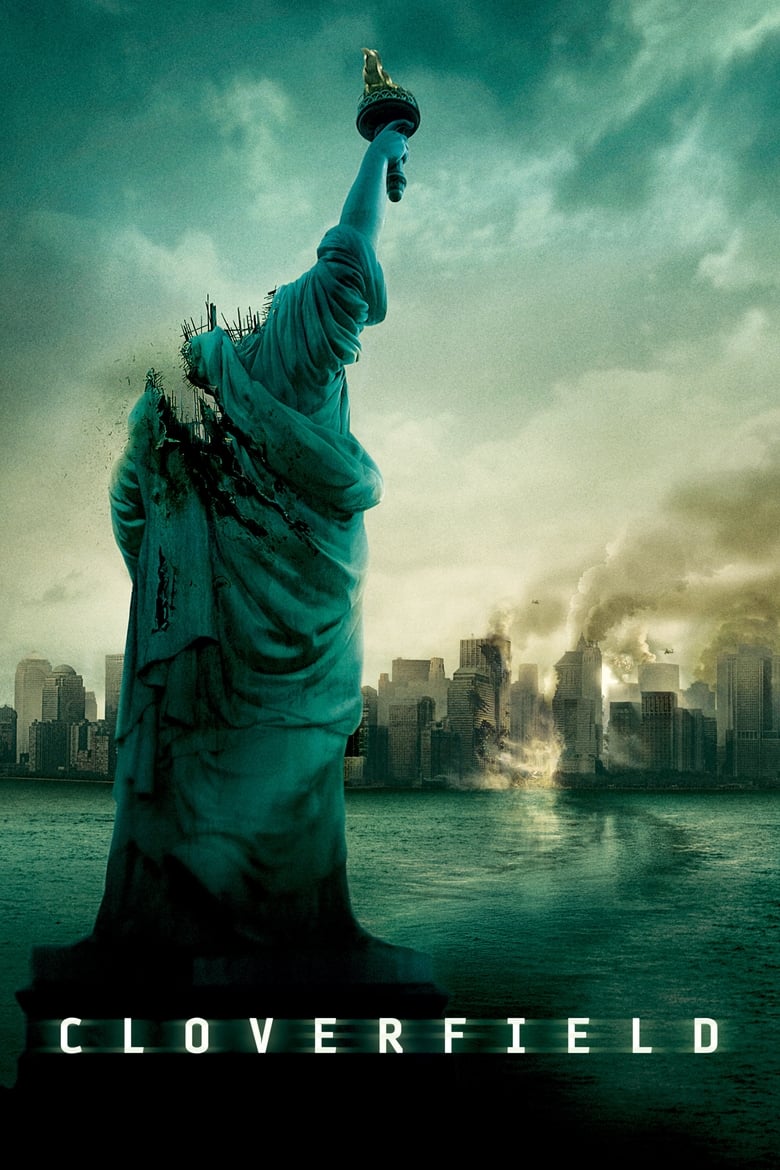
There are a handful of images that lodged themselves in memory: a rooftop view of an explosion, a severed landmark seen on the street, and the one tape sequence where someone records a gigantic creature toppling a building. Those moments give the tape a grotesque, unforgettable texture.
But beyond singular set-pieces, the movie’s emotional footprint is the small kindnesses and desperate choices — the push to get someone out of an apartment, to persuade a commander to let you try, and the way friendships are tested and proved under pressure. Even the final echoes — a clipped trip to Coney Island earlier in the tape and a strange voice after the credits — leave the story with a flicker of unresolved life, which keeps the film from feeling like a neat, closed entertainment.
Does Cloverfield still hold up?
Yes — with a sensible caveat. If you’re up for an eighty-five-minute sprint that privileges immediacy and human connections over neat exposition, it still works. The recovered-tape framing keeps the focus tight and keeps you close to Rob, Beth and their friends.
Matt Reeves’s lean direction and the film’s decision to centre a handful of ordinary people mean the monster never becomes a spectacle in isolation; it forces the movie to keep returning to why these characters matter — and that’s where the film earns its tension.
If you dislike shaky-cam or want your creature features polished and panoramic, Cloverfield will try your patience. But if you respond to small acts of courage — convincing a commander to let you go after someone, rescuing a trapped partner — the film remains effective.
So watch it for the claustrophobic rush and the way it keeps the camera on people rather than landmarks. You’ll come for disaster and stay because you care about the people holding the lens.