Blade II
“Faster. Sharper. Deadlier.”
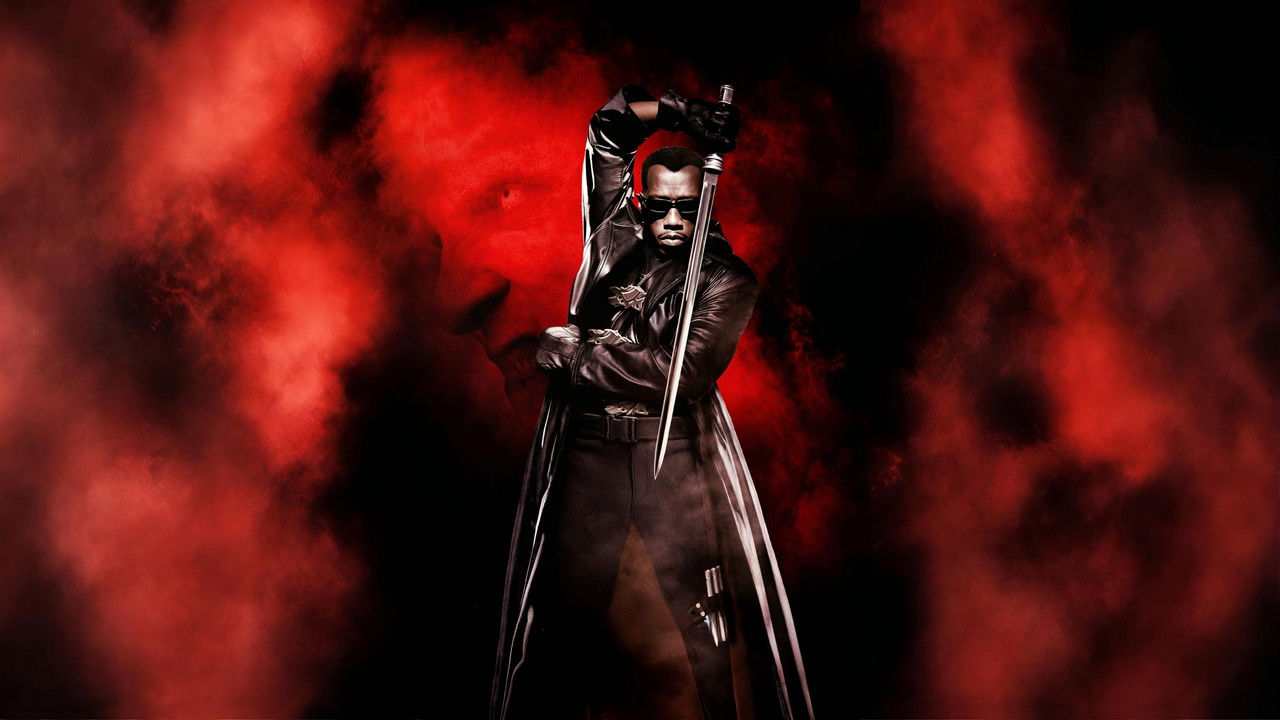
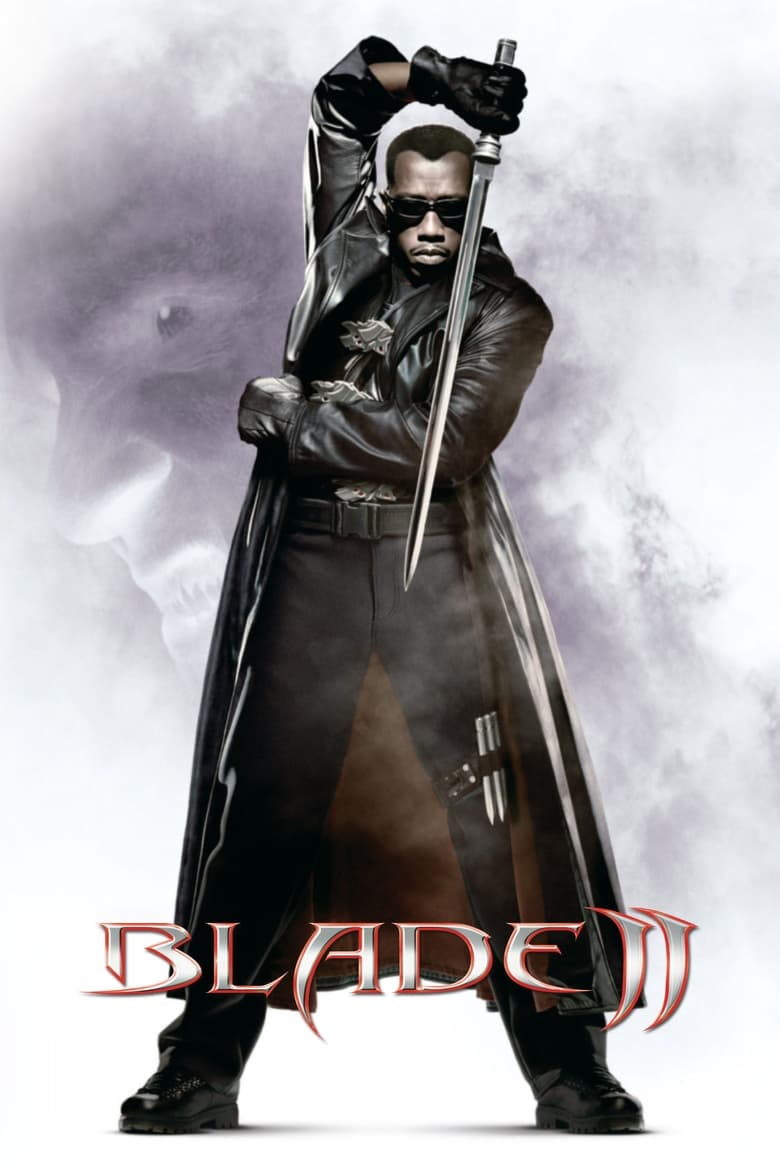
Blade forms an uneasy alliance with the vampire council in order to combat the Reapers, who are feeding on vampires.
About Blade II
Why Blade II is still worth talking about
Picture this: Blade on a hunt in Prague, trying to find the man who taught him everything — a mentor he’d been told was dead. That rescue mission is where Blade II begins to do something a bit sharper than a straight sequel: it makes the hero personal again.
Guillermo del Toro directed the film, and he hands the whole thing to Wesley Snipes’s Blade to run through a maze of betrayals, compromises and, yes, very bad blood. The set-up moves quickly from rescue to uneasy agreement — because the real threat isn’t just rival vampires but a pandemic that turns the night’s predators into ravening monsters.
So Blade teams up with the very people who used to want him dead: an elite vampire squad assembled to kill him in the past. That uneasy truce — hunter and hunted forced to cooperate — is the movie’s neatest trick. It keeps the action familiar but the stakes oddly intimate.
The idea that sets Blade II in motion
The engine here is straightforward and satisfying: Blade goes to Prague to find Abraham Whistler, his mentor and father-figure, who everyone assumed had been killed. That initial rescue anchors everything that follows.
After tracking down a vampire named Rush, Blade frees Whistler and somehow manages to reverse his vampirism. Whistler then plugs back into Blade's life — and he brings a new helper with him: Scud, Blade’s young, clever technician.
Meanwhile a new menace is spreading. Vampires are mutating into Reapers — feral, highly contagious killers — and the implication is blunt: if vampires go, humans are next. The threat forces old enemies into league.
To confront the Reapers, Blade grudgingly joins forces with the Bloodpack — a hand-picked group of vampires who, in another film, would be his targets. That alliance turns the movie into a tense team-up where old grudges and fragile trust matter as much as the weapons.
Why Blade matters
Wesley Snipes’s Blade is the film’s steady point of resistance: a warrior who knows how close everything is to falling apart. He’s not just there to punch monsters; he’s there to make the brutal choice of who to trust.
That’s why his decision to work with vampires — and to keep himself literally wired into the situation by bolting an explosive to another vampire’s skull to control proceedings — feels true to the part. It shows a man who uses whatever hard measures are necessary to keep his mission on track.
Blade’s practical streak is sharpened by personal ties. He’s rescuing Whistler, the mentor who raised him, and that obligation colors a lot of his choices: saving people, making sacrifices, refusing to let loyalties be mere words.
At the end of the day Blade is carved by violence but animated by a kind of loyalty. He saves Nyssa, survives the worst of the catastrophe, and his final confrontations — including a fight where he stabs the original carrier through a heart sealed in bone — underline that this hero’s battles are as much about protecting family as about hunting monsters.
Blade II has more on its mind than the plot suggests
On the surface, Blade II is an action-horror mash-up. Underneath, it keeps returning to courage — not the comic-book variety, but the kind that looks like exhaustion and keeps going anyway.
Family is threaded through the whole film. Blade’s debt to Whistler steers many of his choices, and the Damaskinos storyline — a father who values a project over his own child — sets up a counterpoint to that loyalty.
Parental protection is literal here. Blade’s missions frequently read like attempts to shield the people he considers family, even when it means working with those he hates. That shifting moral arithmetic is what gives the action emotional teeth.
Mortality and lifespan hang over everything. With a plague that shortens life and twists bodies, characters are forced to confront what they will sacrifice and how long anyone can hold onto what they love. It’s grim, but it keeps the stakes human.
Blade II could not belong to any other decade
Released in 2002, Blade II sits squarely in the early 00s appetite for genre-blends — films that would happily be action, horror and thriller all at once.
It’s a movie comfortable with high-concept premises and with dropping a dark, slightly eccentric director into a comic-book framework. That combination felt very of-the-moment then: big genre energy with a director’s peculiar touch.
The result is a film that carries the decade’s fondness for muscular, genre-mashing entertainment — the sort of thing that could be sold equally on fight scenes and mood.
If the early 2000s liked their entertainment loud and genre-curious, Blade II fits that bill neatly.
What has aged — and what hasn't
The film’s central conceit — a vampire pandemic that produces fast, feral Reapers — hasn’t lost its punch. A threat that turns your allies into monsters is a tidy way to raise stakes and keep the emotional focus sharp.
The movie’s insistence on family matters also helps it age better than many sequels. Blade rescuing Whistler, then having to juggle loyalty to him against larger dangers, still reads as something human amid the spectacle.
Some of the film’s plot mechanics — making Blade work with the Bloodpack and the repeated revelations about who can be trusted — are deliberately messy, and that messiness plays well now. Complicated loyalties age better than tidy answers.
What doesn’t play as well is the generosity of plot twists stacked one after another. The reveal that the vampire leader engineered the Reapers and wants Blade’s blood to make a sun-proof breed keeps the stakes high, but it also piles on motives and betrayals until the emotional pay-off can feel earned rather than inevitable.
Why Blade II still matters
Part of the film’s staying power is its cast of antagonists-as-partners. Bringing Blade together with an organised team of vampires — the Bloodpack — gives the movie memorable friction that fans still talk about.
It also leans into a darker set of ideas than a straight action sequel would. The Reaper pandemic, and the fact that the origin is a personal vendetta embodied in a single character, gives the story a tragic, almost mythic edge.
The film doesn’t shy away from bitter family drama either: the first Reaper is revealed to be the overlord’s son, a failure in his father’s eyes. That collapsed family relationship puts an unusually human face on the monster problem.
Finally, smaller beats linger. Scud’s arrival as a new technician and the last, quiet scenes where Blade cares for a dying ally make Blade II feel like more than explosions; they make it feel like a film that remembers why people fight.
Does Blade II still hold up?
Yes — if you want a tight, 117-minute rush of genre-fuelled action that keeps its emotional obligations dangling just long enough to matter. It’s a film that trusts its characters to make ugly choices and to mean them.
Wesley Snipes’s Blade remains the necessary centre: a figure who will cut through anything to protect the people he calls family, and that moral clarity keeps the chaos coherent. That clarity sits well under Guillermo del Toro’s direction, which leans into both the horror and the intimate stakes.
The Reaper pandemic gives the film urgency you can still feel; it turns alliances into moral tests rather than mere plot devices. Watching Blade reluctantly work alongside vampires to stop a contagion still generates a nice, tense energy.
If you’ve not seen it, or last watched it as a teenager, Blade II is still worth a rewatch. It’s loud, sometimes messy, often brutal — and it ends with gestures that matter: a hero who rescues his mentor, a man who holds a dying ally as the world keeps moving. That combination of action and small compassion is what keeps it alive.