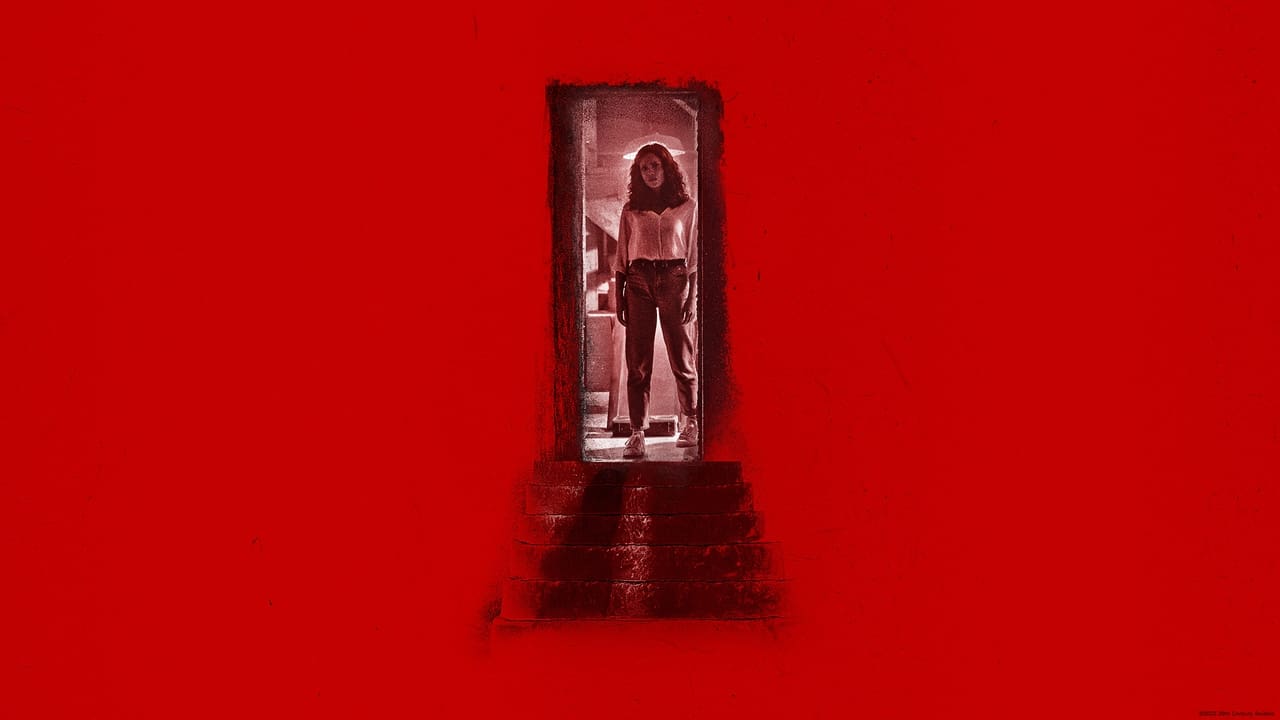

Barbarian
“Some stay for a night. Some stay for a week. Some never leave.”
In town for a job interview, a young woman arrives at her Airbnb late at night only to find that it has been mistakenly double-booked and a strange man is already staying there. Against her better judgement, she decides to stay the night anyway.
About Barbarian
Why Barbarian still works
Barbarian grabs you by starting small. Tess turns up at an Airbnb in Brightmoor, Detroit the night before a job interview — a recognisable, modern pinch of anxiety: money, jobs and the gamble of staying somewhere you found online.
From that familiar, claustrophobic set-up Zach Cregger expands the film into something stranger and sharper. The house is double-booked; a man called Keith is already sleeping on the sofa; and a private, hidden part of the property quietly refuses the idea that this is a safe place to sleep. It’s a tight trick: within 102 minutes the movie moves from thriller to full-on horror while keeping its concerns oddly plain and human — who watches the house, who protects the vulnerable, and who is left making impossible choices when the rules of safety break down.
The idea that sets Barbarian in motion
At its bluntest, Barbarian is a chain of closed doors that shouldn't be closed. Tess discovers a locked basement room stuffed with surveillance gear and unmistakable signs someone has been living — and watching — down there.
Keith's curiosity drags the pair further into the house's underbelly. When he goes missing, Tess follows and finds not just an injured man but a subterranean tunnel that changes the scale of the threat entirely.
The house refuses to be simple. A second intruder — a naked, deformed woman — appears and kills Keith, and later Tess and the actor AJ find themselves trapped together in a pit. The film keeps turning that trap around on itself: every small choice leads to another, stranger escalation.
Even outside the hole there is no tidy rescue: Tess makes real attempts to get help, but official channels fail her. The police dismiss her story, and when she reaches for survival she has to rely on unlikely allies.
Why Tess matters
Tess begins as a very relatable figure: a woman juggling work and money, turning up to an Airbnb far from home because she has to. The everydayness of that situation is what sells the danger — this could happen to anyone.
She doesn’t panic and run at the first sign of strangeness. When the house is double-booked and Keith is sleeping on the couch, Tess calms herself, makes a choice and stays the night. That small, sane decision is the film's starting point for everything that follows.
When the house shows its hidden, terrifying side Tess keeps acting. She follows a missing man into the tunnel, ends up trapped with AJ in a pit and tries to manage that impossible situation: urging AJ to drink when the woman wants them to behave like babies, scrambling for escape routes, reaching out for help.
Crucially, Tess refuses to let the official world write her off. The police assume she's drunk; she breaks back into the house, goes after her keys, and keeps trying even when help is unreliable or absent. That persistence — practical, stubborn, and unwilling to be dismissed — is what anchors the story.
Barbarian has more on its mind than the plot suggests
On the surface it's a horror-thriller about a house with terrible secrets. Underneath, the film keeps circling the idea of home and safety — what we expect it to offer and how fragile those expectations are.
Parental protection turns up as a grim motif. The film stages twisted versions of caregiving and family — people shielding others, people exploiting that duty — until the viewer must ask who actually deserves protection.
Courage in Barbarian is not theatrical. It’s the stubborn, frightened kind: someone making steady choices when the world around them is collapsing. Tess’s actions are a quiet test of that kind of courage. Heroism here feels awkward and improvised rather than noble. The movie makes a point of showing how ordinary people, not grand saviours, are forced into those roles and the compromises they make along the way.
Barbarian could not belong to any other decade
Barbarian arrived in 2022 and wears that year on its sleeve by dealing with very contemporary anxieties: gig economy living, the precariousness of rented spaces and having to trust strangers because circumstances force you to.
Its starting point — a woman arriving at an Airbnb the night before a job interview — is a recognisably 2020s setup in the sense that it hinges on platforms and precarious work as background pressures.
The film also feels of the decade in how it refuses tidy moral answers. Rather than providing a single villain or a clear moral centre, it presents social failures — institutions that look away, people who prioritise self-preservation — and leaves the audience to sit with the mess.
That messiness, and the way ordinary life feeds into horror, is a particularly 2020s flavour: fears born from daily realities rather than abstract nightmares.
What has aged — and what hasn't
The film’s focus on home and safety still lands hard. The fear of a place that should offer refuge turning hostile remains instantly relatable and unsettling — that central premise hasn't dated.
Some of the story's darker backstory — Frank in 1982 buying supplies for a home birth and stalking a woman — sits like an explanatory shard. It gives the house a rotten foundation that explains the present horrors, but it also keeps the film anchored in a generational cycle that still feels relevant.
Helping Tess is Andre, a homeless man who earlier warned her the woman would come at nightfall; that detail still reads as an ugly truth about who listens to whom. The film makes a point of showing how marginalised people sometimes see danger coming long before official systems do.
What hasn’t aged so much is any wishful thinking about institutions. The police dismiss Tess’s story and that choice still feels like a deliberately uncomfortable beat for modern viewers.
Why Barbarian still matters
Barbarian stuck in people’s heads because it takes a familiar modern fear — the Airbnb you booked — and refuses to treat it politely. Tess arriving at a rented house that’s already occupied is a simple image, but the film keeps twisting that simplicity until it’s uncomfortable.
The movie also lingers because of its relentless escalation: a hidden room with surveillance gear and a bloody handprint, a deformed woman who kills Keith, and a pit where Tess and AJ are trapped. Those beats compound into an experience that’s hard to shrug off.
It matters that the story doesn’t let institutions off the hook. AJ's personal scandal and the police dismissing Tess build a world where the characters can’t rely on the structures supposed to protect them — and that bleakness is memorable. Finally, the film gives us a grim family history to explain the horror: Frank’s crimes and the multi-generational aftermath make the house feel like a wound that never healed. That sense of a lingering, inherited evil is what keeps the film haunting after the credits.
Does Barbarian still hold up?
Yes — but with a clear rider. Barbarian remains effective because it keeps the stakes close and personal: Tess’s simple decision to stay the night, the house's betrayals, and the failure of the institutions she seeks for help all feel immediate and modern.
The film’s themes — home and safety, parental protection, courage and an awkward sort of heroism — are still worth watching. Scenes such as Tess finding the hidden room, the tunnel where she finds Keith injured, and the brutal reminder that help can be mistaken or absent still land with intent.
If you’re in the mood for a horror that trades grand mythology for escalating human choices, Barbarian delivers. It’s 102 minutes of building unease that keeps turning the screws until someone has to make a brutal, practical decision.
So watch it for Tess — for the way she keeps trying when the world fails her — and for a house that reminds you home is a promise, not a guarantee.