Annabelle Comes Home
“Possess them all.”
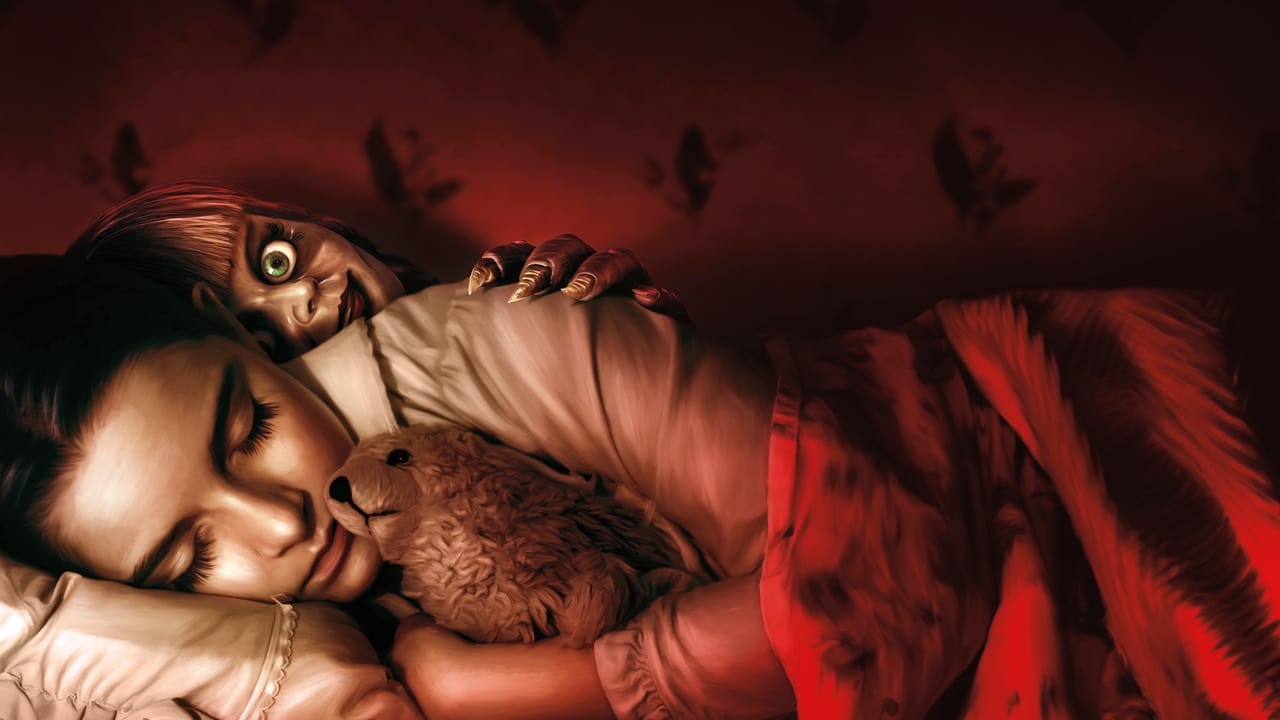
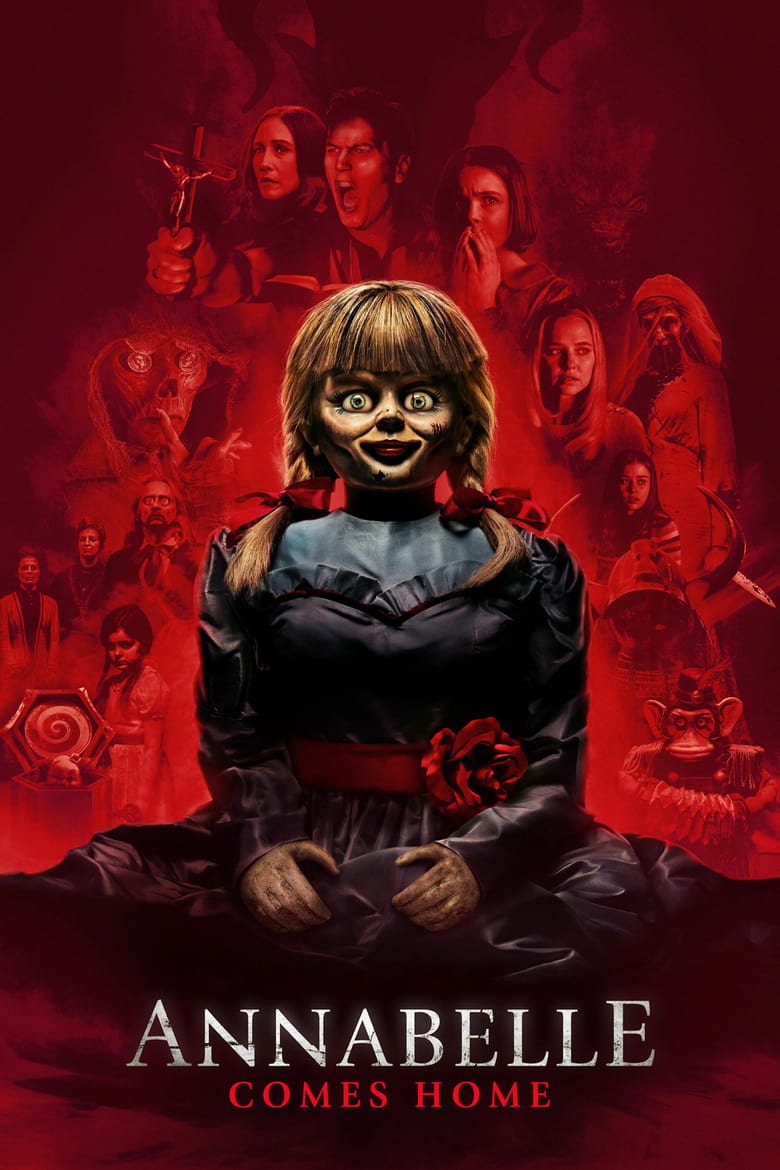
Determined to keep Annabelle from wreaking more havoc, demonologists Ed and Lorraine Warren bring the possessed doll to the locked artifacts room in their home, placing her “safely” behind sacred glass and enlisting a priest’s holy blessing. But an unholy night of horror awaits as Annabelle awakens the evil spirits in the room, who all set their sights on a new target—the Warrens' ten-year-old daughter, Judy, and her friends.
About Annabelle Comes Home
Why Annabelle Comes Home still works
You know the setup before the title even finishes: a demonologist couple lock a famous haunted doll inside a sacred glass case and walk away, confident the trouble is boxed up. That containment is what gives the film its cheeky premise — evil is not gone, it's just on display.
Gary Dauberman directs with the kind of tidy focus that suits a 106‑minute supernatural thriller. Instead of sprawling mythology, the movie narrows its world to one house, one object and one child's nightmarish school-life: Judy Warren, played by Mckenna Grace, is the beating heart of it. From a demon tugging at Ed Warren during a drive home to the idea of spirits spilling out from behind a locked lid, the film trades on a simple, stubborn terror — home is meant to be safe, and once that safety is compromised everything else becomes urgent.
Why Judy Warren matters
Judy Warren isn't just baggage for the grown-ups' ghost-hunting careers; she's the reason the story lands. Mckenna Grace's Judy is the kid who has to live with her parents' profession and the consequences of it — a child raised inside other people's horrors.
That upbringing changes the stakes. Annabelle is tucked behind glass in the Warrens' artifacts room, but Judy doesn't get to forget about the danger; it's a part of the house she grows up in. The film uses that proximity to make the scares feel personal rather than random.
The arrival of Daniela — a friend who turns up uninvited with her own grief — forces Judy to act. Daniela's need to reach her dead father creates the chain of mistakes that open the case, and Judy becomes the one who sees both the supernatural threat and the human cost behind it.
There’s a quietly generous beat at the end when Lorraine offers Daniela a message from her father. It’s not just a throwaway comfort; it shows how Judy’s world of artefacts and exorcisms is also a family attempting to put people back together after things have gone wrong.
Annabelle Comes Home has more on its mind than the plot suggests
On the surface it’s a haunted‑house runaround: a cursed object is opened, spirits pour out, and a group of people try to put it back. Underneath, the film keeps returning to family — not only blood ties but the chosen family that Ed and Lorraine create around their work.
Supernatural belief is treated like a practical, sometimes painful part of life. The Warrens' artefacts room is their attempt to manage danger, a physical expression of faith that evil must be respected and contained rather than casually dismissed.
Because the story plays out almost entirely inside the home, questions about safety matter. If your house becomes the battleground, what can parents do? Parental protection in the film is less about scoreboard heroics and more about making room for courage in children who have seen too much.
Mortality, fear and courage are stitched through the scares. The ghosts and the games give the picture its thrills, but the scenes that stick are the small human ones — the apologies, the reassurances, the decisions to protect a child at all costs.
Annabelle Comes Home could not belong to any other decade
Released in 2019, this film arrives at the close of a decade that loved tight, franchise‑minded horror — stories that expand one contained idea into a movie night experience. Annabelle Comes Home wears that franchise logic openly: it takes a known object and explores the consequences of keeping it.
The 2010s saw horror leaning into familial stories and smaller, character-driven scares rather than blockbuster spectacle. This film slots neatly into that trend by shrinking its world to a single house and focusing on how supernatural threats ripple through relationships.
There’s also a late‑decade confidence here: rather than retread older beats, the movie retools the haunted‑doll myth into a housebound morality play. It feels of its moment because it blends efficient scares with character moments that matter to people who prefer their horror personal. So while it’s part of a franchise, it’s the era’s appetite for intimate terror and quick, watchable runtimes — 106 minutes — that makes this feel like a 2010s horror movie rather than something from an earlier, looser age.
What has aged — and what hasn't
At a glance the movie still does the job it sets out to do: it opens a sealed object and watches trouble leak across rooms. The choice to centre the action on a house and on a child keeps the film immediate, which helps it hold up on repeat viewings.
Some elements are plainly tied to its 2019 moment — Gary Dauberman's direction leans on quick setups and compact sequences that suit modern streaming attention spans — and its 106‑minute runtime means the film rarely overstays its welcome.
The family themes age better than the easier jump scares. Scenes where characters face grief, guilt and the need to apologise — particularly Daniela's attempt to speak to her dead father — give the film a human weight that survives being watched out of context.
That said, bits that depend purely on the novelty of a scary toy or rapid jolts risk feeling familiar now. The moments that remain most affecting are those that use terror to test relationships and safety — that's the part that holds up.
Why Annabelle Comes Home still matters
People tend to remember this film for how neatly it turns a franchise prop into a domestic crisis. The idea that Annabelle is kept under glass in the Warrens' artefacts room — and that opening that case has consequences — is the image that sticks: containment and its failure are the movie's central drama.
The cast of young characters and the parade of released spirits — from the Ferryman to the Bride and other haunted objects — give the house variety, so the film feels like a haunted tour rather than a single, repeated gag.
Crucially, Judy explains what needs doing: putting the doll back so the other spirits can rest. That insistence on a practical solution — close the box, lock the door — gives the ending moral clarity; once the case is sealed, the disturbances stop and the family can breathe.
There are quieter moments threaded through the shocks too: Lorraine taking Daniela back into the artefacts room and relaying a message from her father offers emotional closure that many franchise entries skip. Those small human stitches are why some viewers still return to it.
Does Annabelle Comes Home still hold up?
Yes — if you like your horror tidy, character-forward and set inside a house that keeps surprising you. The film's premise — Ed and Lorraine confiscate a dangerous doll and lock it away — is simple, and Gary Dauberman uses that constraint to produce a compact, watchable 106‑minute supernatural thriller.
It helps that Judy Warren is more than a plot convenience. Her school-life, the ghostly priest that shadows her and the chain of events that begins when Daniela sneaks into the artefacts room all pull the scares into a human orbit. The movie cares about family and protection as much as it cares about scares.
If your tolerance for franchise creatures and object-based frights is generous, Annabelle Comes Home remains a smart late‑decade horror outing. It knows when to hand the audience a jump and when to give us a quiet, emotional payoff — the case locked, the house quiet again. So should you watch it now? If you want a lean supernatural picture where the tension comes from how a home handles danger, absolutely. It won't reinvent the wheel, but it will close the lid on a haunted doll in a way that feels satisfying and, crucially, earned.