Annabelle
“Before the Conjuring, there was Annabelle.”
A couple begins to experience terrifying supernatural occurrences involving a vintage doll shortly after their home is invaded by satanic cultists.
About Annabelle
Why Annabelle still works
The film opens with the unmistakable, petty cruelty of bad timing: in 1967 John gives his expectant wife a rare porcelain doll to start a nursery collection, and that domestic goodwill is immediately interrupted by a nearby, brutal crime. It’s a neat trick that primes the whole movie — a beloved object becomes the centre of suspicion.
John R. Leonetti directs with a small-film economy: Annabelle runs for 99 minutes and keeps the story tight around Mia Form and her family. That compact running time helps; there’s no bloat, just a steady pressure that lives in the same space as the family’s nursery and their attempt to feel safe again. At its core the film is not a catalogue of shocks but a meditation on related, grittier ideas: family, parental protection and the failure of home as a refuge. Those are themes that let a horror about a doll feel human and immediate rather than just decorative fear.
The idea that sets Annabelle in motion
Early on the film drops you into domestic life and then wrecks it. After the couple hear the horror next door — a home invasion tied to the headlines the characters have been watching — their ordinary expectations of safety are forever unsettled.
Mia gives birth to a daughter, Leah, and the family try to rebuild by moving to an apartment in Pasadena. The move is meant to be a reset; instead it’s where the next round of trouble begins.
Among the boxes the Forms bring with them is the doll John had earlier discarded. Finding that doll reawakens a string of paranormal events that complicate the straightforward idea of ‘putting the past behind you.’
With help from Evelyn, a fellow tenant and bookseller, Mia learns the attacks are not random: the people involved were tied to a cult whose ritual activity summoned something that then followed the family. That simple premise — a domestic object carrying a malign intention — is what keeps the plot focused.
Why Mia Form matters
Mia Form is the film’s emotional fulcrum: she is the new mother around whom the story’s fears orbit. Annabelle Wallis plays her, and the character’s choices — to ask for help, to investigate, to protect — drive every major decision the film makes.
Her arc begins in ordinary domesticity and moves quickly toward desperation. The nearby murders and the discovery of the doll turn anxiety about the outside world into a clairvoyant, household threat that lands squarely on her shoulders.
Mia and John turn to their parish priest when things cross the line into the supernatural; the priest’s explanation — that a demon can attach itself to an object to reach human souls — sharpens the stakes. It’s no longer just about things moving at night; it’s about something wanting Mia herself.
When the danger escalates and the demon uses other means to strike at the family, Mia is forced into the most classical parental role: whatever it takes to keep her child safe. That sequence of decisions — fear to action to sacrifice — is why Mia remains central long after the lights come back up.
Annabelle has more on its mind than the plot suggests
On the surface it’s a haunted‑object story; underneath it’s about what parents will risk for children and how quickly a home can stop feeling like shelter. Family and parental protection aren’t optional decorations here — they’re the engine of tension.
The opening violence next door is important because it reframes safety as fragile. The film doesn’t have to invent new terrors; it just needs to show what happens when ordinary domestic life is punctured.
Supernatural belief functions less as a philosophical debate and more as a practical problem: when a demon might be attached to a doll, the family must decide who to trust — neighbours, priests, friends — and what authority can actually help. Mortality and authority crop up through those decisions. The choices the characters make under pressure reveal how much they value life and who they’re willing to believe when the normal authorities appear unable to fix what’s happened.
Annabelle could not belong to any other decade
Released in 2014, Annabelle arrives in the middle of the 2010s horror landscape. Its concerns — domestic dread, family under threat, a concise runtime — align it neatly with other tight, idea-driven genre films of that period.
There’s a 2010s appetite for horror that returns the terror to the home and family unit, and Annabelle trades directly on that appetite: the story doesn’t need sprawling exposition, it wants the audience to feel the claustrophobia of a house that no longer protects.
Being a 2014 movie also lets it use a compact structure; in under one hundred minutes the picture sets up history, threat and resolution without overstaying its welcome.
Put simply: it’s very much a product of its moment — a decade that favoured small, visceral horrors aimed at familiar spaces and relationships.
What has aged — and what hasn't
The central premise — a family whose sense of home is violated — keeps working. Parental fear is a simple, durable emotion, and the film leans on that raw instinct rather than on high-concept cleverness, which helps the material keep its teeth.
Some sequences that ask you to accept possession via a household item will feel familiar now, because those ideas have been used often in the decade since. But familiarity doesn’t automatically blunt the tension when the stakes are personal: a newborn and a desperate mother remain persuasive reasons to worry.
The plot’s reliance on a human explanation — that a cult’s ritual activity summoned a demon and it followed the family — still reads as a clear, direct motivation for the haunting. It gives the supernatural a cause rather than leaving it purely atmospheric, and that clarity helps the story age better than a more vague premise might.
When the film stages direct attacks on the family, the threat remains immediate; the idea of something using trusted forms — a priest’s body, a child’s doll — to reach a family member is an unsettling conceit that hasn’t lost its edge.
Why Annabelle still matters
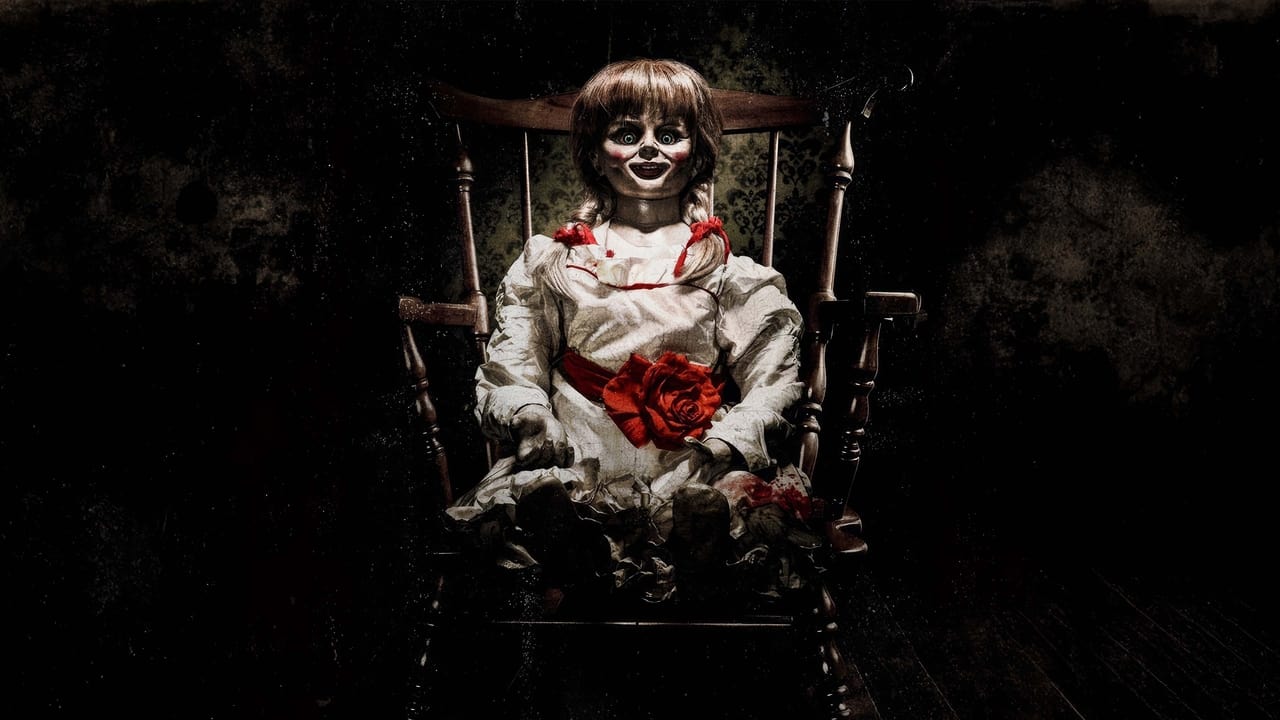
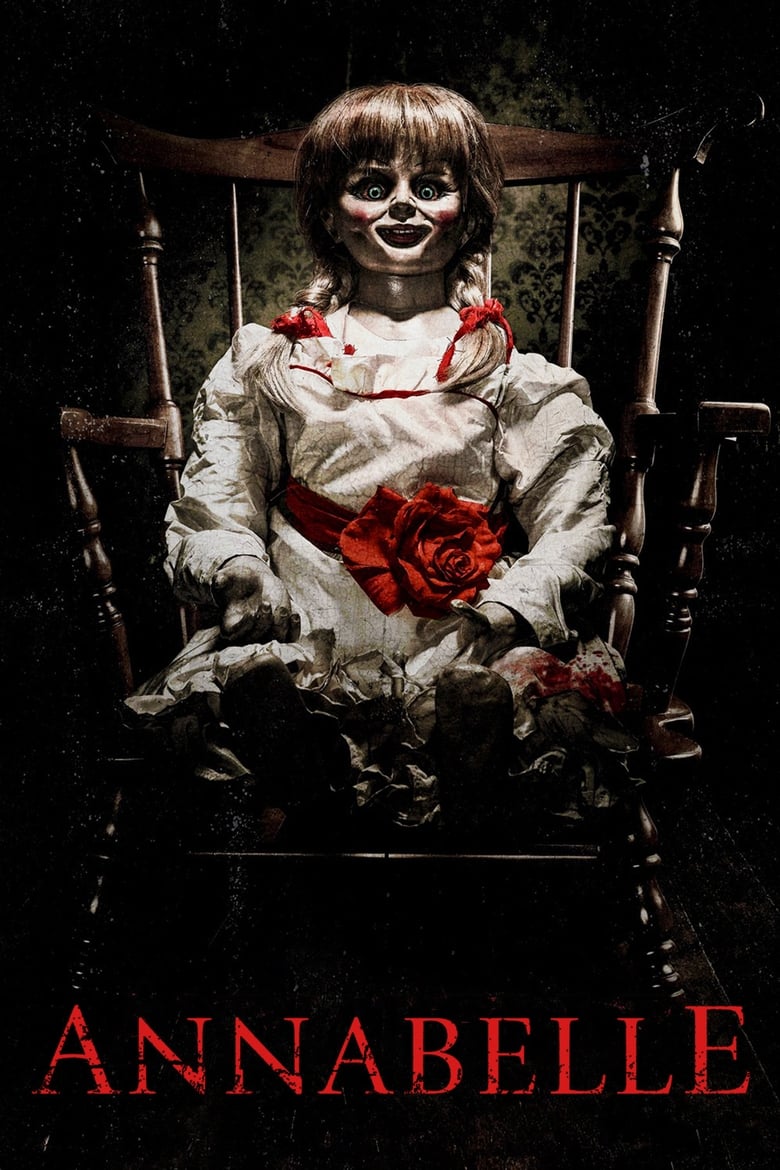
People remember the image of the doll and the way the movie stages ordinary domestic moments into points of dread. The opening sequence — a gift meant for a nursery that becomes entangled with a violent crime next door — gives the film a very specific origin story that’s easy to recall.
There are a handful of concrete set pieces that stick: the nursery horror, the parade of paranormal events after the family moves, and the idea that the doll was linked to a cult’s ritual when the assailants are identified in the reports. Those elements make the film easy to describe and easy to recommend to someone who wants a tidy haunted‑object story.
The film’s later beats — the priest’s attempt to intervene, the demon manipulating other forms to reach the family, and Evelyn’s decision to take a personal atonement that affects the outcome — give it moments of weight beyond cardboard scares. They’re the scenes people recall when they try to explain why the story matters to the characters, not just to viewers. Finally, the doll’s final appearance — sold to another mother and later kept in a locked display — leaves an image that lingers. It’s a tidy, slightly grim coda that keeps the object present in the imagination after the credits roll.
Does Annabelle still hold up?
Short answer: yes — with a caveat. Annabelle is not trying to reinvent horror; it offers a focused, morally direct story about a young family and the loss of home as sanctuary. That focus makes it an effective watch even now.
The film’s strengths are simple and reliable: a clear premise (a doll tied to a violent cult incident), a family under threat, and stakes that are immediate because they centre on a baby and a mother willing to act. Those elements keep the tension personal rather than abstract.
If you’re after subtlety or a twisty psychological puzzle, this isn’t it. But if you want a compact 99‑minute piece of domestic horror that keeps its attention on parental protection, the threat to the nursery and the ways ordinary authority figures try — and often fail — to help, the movie delivers.
Watch it for the way it remembers that the worst horror sometimes isn’t a monster in the attic but the sudden knowledge that your home might not protect the people you love. And if you’re the sort who checks the corners after a film finishes, you’ll probably be glad the doll ends up behind glass.